Philosophy
Mostafa Malekian's Critique of Asghar Farhadi's Perspective in A Separation
Mostafa Malekian rejects Asghar Farhadi's claim that the film A Separation depicts moral relativism. He considers relativism neither justified nor expedient, and says the film merely illustrates tolerance in moral judgment.
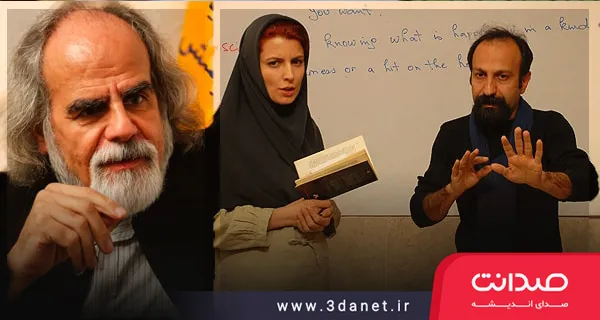
Mr. Asghar Farhadi has said somewhere that in this film I have shown a kind of moral relativism; a kind of movement from moral absolutism toward moral relativism. When you see all these people who lie and are dishonest, and that necessities have driven them to this point, then one might suppose that there is nothing to it but that morality is a relative matter. In some cases one must lie, meaning one cannot say categorically that in no situation, under no circumstances, and at no time or place should one lie. Because we ourselves see that there are cases where lying becomes somehow tolerable for us, and we might even issue a ruling that the person ought to have lied; he has interpreted this as a kind of moral relativism. I cannot accept this for two reasons. One is that I simply cannot defend the truth of moral relativism, and the other is that, as it happens, this film has not been able to show that moral relativism is true. In other words, I want to say that moral relativism is not true, and even if the director believes moral relativism is true, he has not been able to depict this truth in the film. To put it more logically, I question both Mr. Farhadi's claim and Mr. Farhadi's reasoning. Mr. Farhadi's claim is that moral relativism is true, that is, if I have understood his words correctly. I do not accept this claim. Moral relativism is neither true in theory nor expedient in practice. I believe the matter is a choice between living morally and living immorally. We can live in either way. Of course, there is no doubt that both living morally and living immorally are matters of degree, but fundamentally our choice is between living morally and living immorally. We must be on one side or the other. But to say that living morally is right and we should live morally, yet morality is a relative matter, is, in my view, indefensible. To say that living morally is of two kinds, living morally with moral absolutism and living morally with moral relativism, is, in my opinion, incorrect. When you say that in certain circumstances lying is morally permissible and in other circumstances it is impermissible, on the face of it, it seems we have arrived at a kind of moral relativity. But why do we issue a dual ruling? Because we have a higher principle, and that is, for example, that saving a human being is our moral duty. In one place, this salvation is possible by lying, so we say lie there. In another place, this salvation is possible by not lying, so we say do not lie there. But in any case, there is something higher, and that is that saving a human being is our moral duty, and this is an absolute moral duty. It is this higher absolute that compels us to lie in one place and not to lie in another. They say that sometimes acting arrogantly is morally permissible, but in some cases it is not. On the face of it, it seems that the idea that humility is right or arrogance is wrong is a relative matter. But why is this so? Because there is a higher principle, and that is that your self-esteem must be preserved, and the self-esteem of others must also be preserved. For instance, it is narrated from Imam Ali (peace be upon him) in Nahj al-Balagha: Blessed are the rich who are humble to the poor, and even better is the arrogance of the poor toward the rich. Here we see that this principle—that human self-esteem must be preserved under all circumstances—dictates that sometimes you should be humble and sometimes arrogant. I want to make this point that moral relativism is paradoxical. If we are to be moral, we have moral absolutes, but these absolutes are not necessarily at the lower level; they may go to a higher level. Therefore, theoretically, we cannot defend moral relativism. But practically, I say it is not even expedient. For in a society where even the walls proclaim the absoluteness of morality, we do not live that morally. Now, if you come along and promote moral relativism as well, what will we do then? Fourteen hundred years after Islam, and even centuries before Islam, everything in Iran has been like this: until the modern era, rarely did anyone defend moral relativism, so for centuries throughout history, with the exception of roughly these last three hundred years when moral relativism has also found serious advocates, we have told human beings that morality is absolute.
That is, one must always tell the truth, one must always be humble, one must always be benevolent, one must always be honest. Having said we must always be this way, we have now arrived at this point. Then, if you promote moral relativism (you cannot prove it, because proving it is a theoretical task that is impossible, but you might promote and propagate it without proving it), where does it lead us? Now suppose promoting it was both right and expedient; has this film succeeded in showing this relativism? In my opinion, no. This film has not been able to show that we must be moral relativists. This film has been able to show that we must exercise more tolerance in moral judgment. Tolerance in moral judgment is one statement, which is a true and defensible statement, and moral relativism is another. The former has been shown, but the latter has not.
.
.
Mostafa Malekian's Critique of Asghar Farhadi's Perspective on Demonstrating Moral Relativism in the Film A Separation
Source: Panel Discussion on the Critique of the Film A Separation
.
.


Discussion10 comments
کسی فایل کامل سخنرانی "مصطفی ملکیان در میزگرد بررسی "فیلم جدایی نادر از سیمین"" رو داره؟
اگر اقای فرهادی جایی درباره فیلم چنین حرفی زده باشد و شخص خود ایشان آمده باشد به من مخاطب گفته باشد که منظور من از ساخت این فیلم این بوده و یا میخواستم چنین چیزی را منتقل کنم، نقد آقای ملکیان کاملا به جاست. اگه نگفته به جا نیست. اگر این حرف را جایی زده و و به این فیلم اشاره ای نکرده هم نقد اقای ملکیان به جا نیست. اما در صورتی که اقای فرهادی چنین چیزی رادر باره قیلم گفته باشد این موضوع به شدت به نظر من عجیب است. ندیده ام هنرمندی کهخرف و داستانبی برای گفتن دارد بخواهد برداشت مخاطبهای خودش را با سمت و سوی برداشت خودش ببرد و آن را محدود کند. (به فرض اینکه این اگرها درسات باشد.)
مباحثی از قبیل هرمنوتیک و مرگ مولف و تفسیر و تأویل و... عمدتا درباره مطالب تاریخی و ادبی چندپهلو مصداق دارد که دسترسی به مولفانش ممکن نیست اما مولفان و مصنفان و صاحب اثرانی که زنده و حاضرند و در جلسات نقد و بررسی منتقدانش شرکت جسته و اهداف و آمالشان را فاش میکنند، دیگر هرمنوتیک معنا ندارد. مگر آنکه مولف خود اعتراف کند که عمدا چنین تالیف کرده. البته منتقدانش نیز سلبا و ایجابا میتوانند بر سر تناسب هدف و وسیله مولف بحث کرده و تایید و ابطال کنند و حتی فراتر از اینها چه بسا برای سایر مولفان، ایده های جدیدی الهام و اقتباس گردد که در اینصورت میتوانند کاملا مستقل از اثر اولیه، حق تالیف را بنام خودشان ثبت کنند، مثل رابطه ادبی میان حافظ و خواجوی کرمانی که گویند سرمشق اولیه حافظ بوده اما کیست که امروز مقام ادبی این و شاگرد و اوستا را یکسان انگارد.
واقعا خواندن کامنت ها در فضای مجازی کسل کننده است. اغلب اوقات اظهار نظرها از جانب افرادی است که یک کتاب هم راجع به آن موضوع نخوانده اند. بیشتر افرادی هم که از نسبی انگاری در فضای مجازی دفاع می کنند یا راجع به آن نظر میدهند، از یان اصل مستثنی نیستند...ولگردی در فضای مجازی یعنی جهل مرکب.
جناب ملکیان از یه طرف مدافع مطلق گرایی در امور اخلاقی هستند و از طرف دیگه مثالهایی زدند که عکسش رو ثابت میکنه مثل فرمایش امام علی ع. اگر درست متوجه شده باشم
البته فکر ميکنم ايشون باز به مطلق بودن اخلاق صحه گذاشته اند در حقيقت ايشون توضيح داده اند که روا بودن تکبر در بعضي از حالات نيز بدليل مطلق بودن اخلاق است و اين دليل را آورده اند که عزت انسان که در بعضي از اوقات با تکبر بدست ميايد نيز خود يک عمل اخلاقي است و آن اصلي است اولي تر از صفت يد تکبر ورزيدن.يا در جاي ديگر که دروغ گفتني مجاز است که جان انساني را (به عنوان اصلي اخلاقي مطلق) حفظ ميکند
به نظرم همین ارزش هایی که استاد ملکیان به عنوان ارزش های والاتر و مطلق مطرح کرده، خودشان اموری نسبی هستند و اساساً یک ایراد کمرشکن بر نظریه مطلق بودن اخلاق هست و آن چیزی است که از آن به "امر متعارض" تعبیر می کنند؛ یعنی عمل به یک فضیلت اخلاقی همزمان باعث ارتکاب رذیلتی می شود. جای تعجب دارد که چطور استاد ملکیان نسبی گرایی اخلاقی را تا این حد هم از لحاظ نظری و هم در ساحت عمل، غیرقابل دفاع می داند
توی این نوشته حرف فرهادی تحلیل شده نه فیلم. فیلم بسیار فراتر از حرف فرهادی و ملکیان است.
چه فراتری برادر من؟!!! پس لطفا مرحمت فرموده ما رو مس کنید یا شیرفهم!!! نهایت پیام فیلم اینه که ساحات خاکستری یا مناطق الفراغ قانونی را فقط اخلاق یا عقیده مذهبی میتواند پر کند که البته بعید میدونم که کارگردان همین را هم مدنظرش بوده و اگر هم بوده لابد از بوق یه قدرت ایدولوژیکال، در نقش شیپورچی ارزش دارند.
حرف شما کاملا درست است.قرائت یک فیلم هیچ ربطی به نیت مولف یا خواسته هایش ندارد.یک فیلم یک سیستم پیچیده است. آقای ملکیان به مثل هزاران حرفی که می زنند خواسته اند در این مورد هم چیزی بگند.از انجایی که به همت فرهادی و کیارستمی سینمای ایران در جهان معروف شد حالا برخی از این روشنفکان برای ایننکه از قافله عقب نیفتند دارند تحلیل فیلم می کنند.به جز جناب ملکیان که در اینجا فیلم بهانه ای است برای بیان نظیات خودشان در مورد اخلاق،برخی از آایان مثل دباغ و شروین وکیلی هم دارند فیلم تحلیل می کنند. از تنها چیزی که خیلی بد میاد روشنفکر اسم در کرده متفنن است!