Sociology
Asghar Farhadi's Open Letter to Hassan Rouhani: 'My Whole Being Is Shame and Sorrow'
In an open letter to President Rouhani, Asghar Farhadi expressed shame over reports of people sleeping rough in cemeteries and called on officials to witness the people's suffering firsthand. He described the stigma of 'blackwashing' as an evasion of responsibility for the darkness itself.
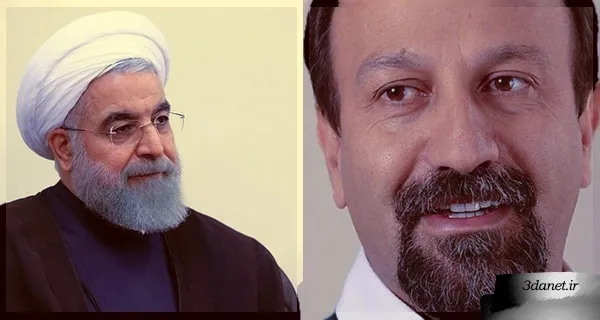
Asghar Farhadi has published an open letter to President Rouhani in response to a harrowing social report. In his letter, he writes: "Arman" is a lost soul found in a grave. Shame on us... The stigma of negativity is a forward escape from accepting responsibility for the darkness.
Dr. Hassan Rouhani, Honorable President
Greetings
Today I read the shocking report about the lives of men, women, and children who spend the cold nights in the graves of one of the cemeteries around Tehran, and now my whole being is shame and sorrow. Under the pretext of this letter to you, I intend to make all those who have held and hold responsibility in this land over these thirty-some years share in this shame. I know that some political operatives will use such reports and news as a pretext to stoke the fires of exhausting political and electoral games, but alas, the warmth of that fire will not warm the aching bodies of the children, women, and men who sleep at night in the corners of graves, among the trees of parks, and under bridges. In this report, the name of one of those who sits through the bone-chilling cold nights in the corner of a grave until dawn and, in the reporter's bitter phrase, lives death, is "Arman." This name will not leave me. "Arman," a lost soul found in a grave. Shame on us. We have read in history that sometimes rulers would go among the people in disguise to understand, without intermediaries, a corner of the people's pain and suffering, away from guards, attendants, and sycophants. I suggest, at least for variety in the writing of today's history which future generations will read in astonishment, that officials sometimes go among the people unaccompanied and unrecognized. To remote villages and towns. If that is impossible, then to these very outskirts, the marginal neighborhoods of Tehran, to see the faces reddened by the slaps of dignified, destitute people who have sacrificed their lives and youth for this land more than any person in power. If that too is impossible, let them pay a visit to the city's emergency services one day and secretly ride in an ambulance that is supposed to take a feeble patient to a hospital, and witness up close how, along the way, instead of making way to save a patient's life, a bitter race ensues among others to overtake each other and position themselves behind the ambulance carrying a dying compatriot, making the utmost use of this situation to reach their destination sooner. This is a simple, bitter, and repetitive example, but it is a summary of our situation today. Who is accountable for this hidden cruelty? Why and when did we become like this? We, a people who have forgotten how to love a compatriot; we, whose hidden and subtle violences in our daily behavior and speech have become a tool for pulling our individual rug out from under the community; we, who learn and teach our children lying as a skill for living a dual life outside and inside the home. We, who are merely forgetful observers and listeners of sufferings. Who today speaks of that father who hanged himself from the pedestrian overpass on Mirdamad Street and in a note found in his empty pocket wrote, "I could not afford the treatment for my eyes"? Even the few who speak out of compassion are attacked with the stigma of negativity. The stigma of negativity is a forward escape by officials from accepting responsibility for the darkness. Is this the promised city? Is this the city of ideals?

Discussion1 comments
ریش فرهاد بهترک میبود گر نه شیرین نمک پراکندی سعدیا دور نیک نامی رفت نوبت عاشقیست یک چندی فراموش نباید کرد آن دیالوگ فیلم اسکای فال skyfall را وقتی که آن مدیر پیرزنش در خطاب به مامور ۰۰۷ میگوید که بهترین سربازان ما همین بچه یتیمان هستند. سیستمی که هنرمند اسکاری میپرورد تا نماز ( درباره الی ) و قسم قرآن ( جدایی نادر از سیمین ) را تبلیغ نماید، در عین حال همزمان برای سایر نیروهای انسانیش نیز برنامه ریزی های مخفیانه دارد. شاید دیگر نیازی به لباس مبدل همچون حاکمان قدیمی هم نباشد زیرا گدایان و ولگردان خیابانی، در حال آموزش و سپری کردن دوران تربیت شأن هستند تا بعدا در سلک سربازان گمنام و انتحاری و یگان ویژه درآیند. وگرنه امنیت عالیجنابان هنرور میلیاردی را که ضمان خواهد شد؟! خاک گور از مرد هم یابد شرف تا نهد بر گور او دل روی و کف ای بسا در گور خفته خاکوار به ز صد احیا به نفع و انتشار