Political Science
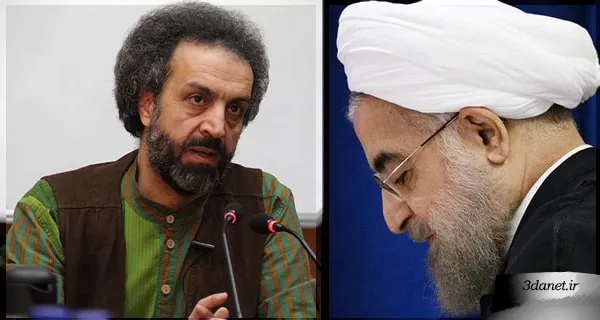
Philosophy Professors and Researchers Declare Support for Hassan Rouhani
A group of philosophy professors and researchers has issued a statement endorsing Hassan Rouhani for the presidency. Their support is grounded in three concerns—epistemic values, ethical values, and civic values—and the government's record in academia and society.
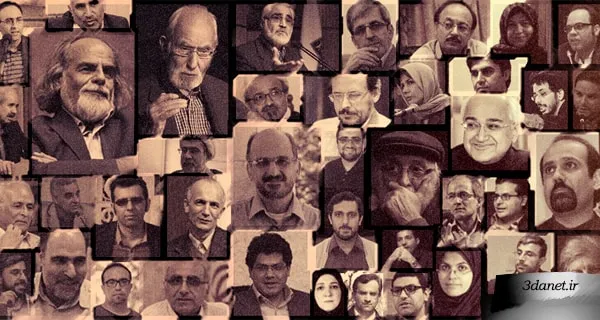
The following text has been written to declare the support of philosophy professors and researchers for Hassan Rouhani in the presidential election. To sign the statement, the signatory must be a philosophy instructor at one of the country's higher education or research institutions, or hold a PhD in philosophy, or have authored, translated, or edited a work in philosophy. Please go to this channel to sign the text, where the procedure for announcing names is explained:
In the Name of God, the Lord of Life and Wisdom
We, a group of teachers and researchers of philosophy, who strive to make "truth" our ultimate concern, by the necessity of love for knowledge and adherence to reason, and regardless of all possible intellectual differences, inspired by the social commitment we have learned from Socrates, are of the opinion that in the current critical circumstances, Hassan Rouhani is a desirable choice for the presidency of Iran because: 1_ Over the past four years, Hassan Rouhani's government has endeavored to make the atmosphere of universities and research centers, especially in the oppressed field of the humanities, more conducive to the exchange of thoughts and ideas; to make the public sphere, as far as possible, available to all intellectual and cultural viewpoints; to free the press and public platforms from the one-sided monopoly of representatives of specific views; and to safeguard freedom of thought, expression, and dialogue in cyberspace. The value of these efforts will become apparent when we realize that hearing the voice of the other is a necessary condition for the pursuit of truth. Therefore, although we find the four-year performance of the Ministry of Science, Research and Technology and the cultural sector of the government deserving of much criticism, and see a long road ahead until the realization of the ideal of university independence and academic freedom, we consider Hassan Rouhani, compared to other candidates, more committed to freedom of thought and expression and respect for the academic sphere. We vote for Hassan Rouhani out of concern for "epistemic values." 2_ Hassan Rouhani's government has endeavored to make the "state," as a very important and influential pillar in society, accountable and responsible for what happens in society, and first and foremost to eliminate lying, the falsification of statistics and figures, and the active or passive deception of public opinion, at least from the highest echelons of governmental decision-making. This government, simultaneously, despite pressures and restrictions, replaced the thought of pacifism and de-escalation with the aggression and delusional unilateralism that not only systematically pushed the public sphere towards moral and social collapse by increasing social and economic pressures and made "living well" more and more difficult, but also exposed human lives in various ways to numerous harms, dangers, pains, and sufferings. In the past four years, human lives, reducing their pain and suffering, and increasing their dignity have once again become significantly important to our statesmen. We vote for Hassan Rouhani out of concern for "moral values." 3_ Over the past four years, Hassan Rouhani's government has endeavored to revive and strengthen civil institutions in scientific, cultural, environmental, social, and political fields. Civil institutions are the arena for nurturing and developing the personality of individuals in society. In the years following the Constitutional Revolution, our society has only experienced growth and advancement when civil institutions have been active and fruitful within it. Whenever political and military powers have deemed the activities of these institutions dangerous and obstructed them, Iranian society has regressed for many, many years, and generations of Iranians have been afflicted with hardship. In the past four years, civil institutions have become active once again, and social capital has been revitalized. For the formation of a democratic society, we have no path other than protecting these nascent and vulnerable institutions and increasing social capital. We vote for Hassan Rouhani out of concern for "civic values."
Declaration of Support for Hassan Rouhani by Philosophy Professors and Researchers
Signatories to date:
Signatories to date:
1_ Iraj Azarfaza (Translator)
2_ Arvin Azargin (University of Isfahan)
3_ Ebrahim Azadegan (Sharif University of Technology)
4_ Alireza Azadi (University of Tabriz)
5_ Mohsen Azmoudeh (Writer and Journalist)
6_ Asadollah Azhir (Razi University of Kermanshah)
7_ Hassan Ebrahimi (University of Tehran)
8_ Maliheh Abouei Mehrizi (PhD in Philosophy)
9_ Maliheh Ehsani (PhD in Philosophy)
10_ Ahmad Ahmadi (Retired, University of Tehran, SAMT Organization)
11_ Babak Ahmadi (Writer and Translator)
12_ Ali-Akbar Ahmadi Aframjani (Allameh Tabataba'i University)
13_ Masoud Adib (Mofid University)
14_ Shahla Eslami (Islamic Azad University, Science and Research Branch)
15_ Alireza Esmailzadeh Barzi (PhD in Philosophy of Art)
16_ Mohammadreza Esmkhani (Translator)
17_ Gholamreza Esfahani (Translator)
18_ Hossein Athari (Ferdowsi University of Mashhad)
19_ Shapour Etemad (Iranian Institute of Philosophy)
20_ Mousa Akrami (Islamic Azad University, Science and Research Branch)
21_ Keyvan Alasti (National Research Institute for Science Policy)
22_ Masoud Omid (University of Tabriz)
23_ Hassan Amiri Ara (Translator)
24_ Mehdi Amini (Translator)
25_ Mohammad-Javad Anvari (Encyclopaedia Islamica Foundation)
26_ Ali Babaei (University of Mohaghegh Ardabili)
27_ Zahra Bakhtari (Translator)
28_ Parvin Bazghandi (PhD in Philosophy of Education)
29_ Khosrow Bagheri (University of Tehran)
30_ Ashkan Bahrani (Translator)
31_ Hamideh Bahreini (Translator)
32_ Shima Bahreini (PhD in Philosophy of Art)
33_ Maryam Bakhtiyarian (Islamic Azad University, Science and Research Branch)
34_ Ensieh Barkhah (Encyclopaedia Islamica Foundation)
35_ Keyvan Bolandhematian (University of Kurdistan)
36_ Kaveh Behbehani (Translator)
37_ Hossein Bayat (Islamic Azad University, Science and Research Branch)
38_ Mohammadreza Bayat (University of Tehran)
39_ Marzieh Bigdeli (Qom Teacher Training Center)
40_ Mehrdad Parsa (Translator)
41_ Bahman Pazouki (Iranian Institute of Philosophy)
42_ Hamidreza Parvar (National Organization of Educational Testing)
43_ Naghmeh Parvan (Translator)
44_ Akbar Parvizi (Islamic Azad University, Sanandaj Branch)
45_ Pouyan Parvin Ardebili (Editor and Proofreader of Philosophical Texts)
46_ Houman Panahandeh (Translator and Editor of Philosophical Texts)
47_ Asghar Pourbahrami (Translator)
48_ Nasrollah Pourjavady (Retired, University of Tehran)
49_ Zahra Poursina (Shahid Beheshti University)
50_ Ali Pourmohammadi (Allameh Tabataba'i University)
51_ Naeimeh Pourmohammadi (University of Religions and Denominations)
52_ Mahnaz Tabraei (PhD in Islamic Philosophy and Theology)
53_ Amirhossein Taghipour (Writer and Translator)
54_ Roghayeh Tamimi (PhD in Ethics)
55_ Gholamhossein Tavakkoli (University of Isfahan)
56_ Seyed Reza Tahami (Writer)
57_ Alireza Seqatoleslami (Iranian Research Institute for Information Science and Technology)
58_ Mohammad Javdan (University of Religions and Denominations)
59. Ali Chaparak (Writer)
60. Maziar Chitsaz (Translator)
61. Farzad Hajimirzaei (Translator and Instructor)
62. Najafqoli Habibi (Retired, Allameh University)
63. Alireza Hasanpour (Ilam University)
64. Ali Hosseinkhani (PhD in Philosophy)
65. Malek Hosseini (Islamic Azad University, Science and Research Branch)
66. Seyed Masoud Hosseini (Translator)
67. Minoo Hojjat (Shahid Beheshti University)
68. Ghazaleh Hojjati (Translator)
69. Ahmadali Heydari (Allameh Tabataba'i University)
70. Javad Heydari (Translator)
71. Hamidreza Khademi (SAMT Organization Research Institute)
72. Afshin Khakbaz (Translator)
73. Amirhossein Khodaparast (Iranian Institute of Philosophy)
74. Behnam Khodapanah (Translator)
75. Mehdi Khosravani (Translator)
76. Meysam Khosravi (PhD in Philosophy of Science)
77. Yaser Khoshnevis (Translator)
78. Sahand Kheirabadi (Writer)
79. Mohammad Kheiri (Mofid University)
80. Aref Daniali (Writer)
81. Majid Davoodi Beni (Amirkabir University)
82. Mojtaba Derayati (PhD in Philosophy)
83. Dariush Darvishi (Writer)
84. Mehdi Dasht Bozorgi (University of Kashan)
85. Davood Dehghan (Farhangian University, Shiraz)
86. Khashayar Deyhimi (Writer and Translator)
87. Abbas Zahabi (Islamic Azad University, Science and Research Branch)
88. Gholamreza Zakyani (Allameh Tabataba'i University)
89. Forouzan Rasekhi (Alzahra University)
90. Mazdak Rajabi (Institute for Humanities and Cultural Studies)
91. Enshallah Rahmati (Islamic Azad University, Central Tehran Branch)
92. Mohammad Rahimian (PhD in Philosophy of Art)
93. Rasoul Rasoulipour (Kharazmi University)
94. Reza Rasouli Sharbiani (Payame Noor University)
95. Hassan Rezazadeh (University of Kashan)
96. Reza Rezazadeh (Ilam University)
97. Ghasem Rezaei (University of Isfahan)
98. Mohammad Javad Rezaei (Kharazmi University)
99. Mahin Rezaei (Payame Noor University, Tehran Province)
100. Masoumeh Ramezani (Payame Noor University, Aran va Bidgol Center)
101. Faezeh Roudi (Instructor and Translator)
102. Ali Roshanizadeh (Islamic Azad University, Ilam)
103. Mohammad Taher Riazi Arsi (Translator)
104. Mohammad Raeiszadeh (Encyclopaedia Islamica Foundation)
105. Mohammad Saleh Zarepour (PhD in Philosophy)
106. Mohsen Zamani (Institute for Research in Fundamental Sciences)
107. Masoud Zamani (Iranian Institute of Philosophy)
108. Masoud Zanjani (Instructor and Writer)
109. Alireza Sobhani (University of Sistan and Baluchestan)
110. Maryam Saadi (PhD in Philosophy of Religion)
111. Sahar Soltani (Kharazmi University)
112_ Hossein Soleimani (University of Religions and Denominations)
113_ Abdolrahim Soleimani (Mofid University)
114_ Vahid Sohrabifar (University of Religions and Denominations)
115_ Leila Siavashi (PhD in Modern and Contemporary Western Philosophy)
116_ Hassan Seyed-Arab (Encyclopaedia Islamica Foundation)
117_ Shahin Simiari (PhD in Philosophy of Education)
118_ Shahrzad Shahsani (Shiraz University)
119_ Nushin Shahandeh (Translator)
120_ Nader Shayeganfar (Isfahan University of Art)
121_ Hamidreza Shariatmadari (University of Religions and Denominations)
122_ Rahman Sharifzadeh (Translator)
123_ Mohsen Shabani (Translator)
124_ Mohammad Shafiei (PhD in Philosophy)
125_ Babak Shamshiri (Shiraz University)
126_ Ali Shahbazi (Writer and Translator)
127_ Kamran Shahbazi (Translator)
128_ Shahram Shahriari (PhD in Philosophy of Science)
129_ Hossein Sheikh-Rezaei (National Research Institute for Science Policy)
130_ Hamed Shivapour (Mofid University)
131_ Zeinab Saber (Isfahan University of Art)
132_ Ali Sadeghi (Writer)
133_ Masoud Sadeghi (University of Tehran)
134_ Mohammad Javad Safian (University of Isfahan)
135_ Hassan Salehi (Translator)
136_ Zeinab Salehi (Translator)
137_ Alireza Salehi (Lecturer in Ethics)
138_ Mohammad Hossein Salehi (Translator and Editor of Philosophical Texts)
139_ Mani Salehi Allameh (Translator)
140_ Maryam Saneapour (Institute for Humanities and Cultural Studies)
141_ Amir Saemi (Institute for Research in Fundamental Sciences)
142_ Hamed Safaeipour (PhD in Philosophy of Science)
143_ Hadi Samadi (Islamic Azad University, Science and Research Branch)
144_ Saeed Zarghami (Kharazmi University)
145_ Pegah-Sadat Zoui (Translator)
146_ Parviz Zia Shahabi (Islamic Azad University, Science and Research Branch)
147_ Masoud Zia Ali Nasabpour (Institute for Research in Fundamental Sciences)
148_ Seyed Abdolhamid Ziaei (PhD in Philosophy)
149_ Majid Ziaei (Ilam University)
150_ Shirin Taleghani (Translator)
151_ Sajed Tayyebi (Institute for Research in Fundamental Sciences)
152_ Navid Abedini (Editor of Philosophical Texts)
153_ Babak Abbasi (Islamic Azad University, Science and Research Branch)
154_ Bijan Abdolkarimi (Islamic Azad University, North Tehran Branch)
155_ Parvaneh Orujnia (Translator)
156_ Hedayat Alavitabar (Allameh Tabataba'i University)
157_ Masoud Olia (University of Art)
158_ Bahram Alizadeh (Kharazmi University)
159_ Biuk Alizadeh (Imam Sadiq University)
160_ Abdolrasoul Emadi (Institute for Humanities and Cultural Studies)
161_ Ali Ghazalifar (PhD in Islamic Philosophy and Theology)
162_ Mohammad Reza Ghafourian (Amirkabir University of Technology)
163_ Abdollah Gholamreza Kashi (Farhangian University)
164_ Vahid Gholamipour Fard (Translator)
165_ Morteza Fathizadeh (Kharazmi University)
166_ Mostafa Fathizadeh (PhD in Islamic Philosophy)
167_ Elham Fakhraei (Writer and Translator)
168_ Maghsoud Farasatkhah (Institute for Research and Planning in Higher Education)
169_ Mehdi Faraji Pak (Instructor and Translator)
170_ Mohammad Hadi Forouzeshnia (Translator)
171_ Hamid Faghfoor Maghrebi (PhD in Philosophy)
172_ Asadollah Fallahi (Iranian Institute of Philosophy)
173_ Fatemeh Fana (Encyclopaedia Islamica Foundation)
174_ Abolghasem Fanaei (Mofid University)
175_ Aghil Fooladi (PhD in Philosophy)
176_ Azam Ghasemi (Institute for Humanities and Cultural Studies)
177_ Mehdi Ghaedsharaf (PhD in Comparative Philosophy)
178_ Yahya Ghaedi (Kharazmi University)
179_ Morteza Gharaei (K. N. Toosi University of Technology)
180_ Hassan Ghanbari (University of Tehran)
181_ Khalil Ghanbari (University of Religions and Denominations)
182_ Sedigheh Kazempour (Payame Noor University, Alborz Province)
183_ Ghasem Kakaei (Shiraz University)
184_ Sahar Kavandi (University of Zanjan)
185_ Amir Ehsan Karbasizadeh (University of Isfahan)
186_ Mohsen Kordloo (Kharazmi University)
187_ Tayebeh Karami (Encyclopaedia Islamica Foundation)
188_ Mohsen Karami (Translator)
189_ Omid Karimzadeh (Shahid Beheshti University)
190_ Ruhollah Karimi (Institute for Humanities and Cultural Studies)
191_ Mehdi Kampani Zare (Writer)
192_ Reza Koohkan (Iranian Institute of Philosophy)
193_ Nasser Gozashteh (University of Tehran)
194_ Mojtaba Golestani (Writer and Translator)
195_ Amir Mohammad Gamini (University of Tehran)
196_ Reza Gandomi Nasrabadi (University of Tehran)
197_ Morteza Goodarzi (PhD in Philosophy)
198_ Morteza Goharipour (International Institute for Nahj al-Balagha Studies)
199_ Mehdi Lakzaei (University of Religions and Denominations)
200_ Ahmad Lohrasbi (PhD in Comparative Philosophy)
201_ Amir Maziar (University of Art)
202_ Mohammad Mobasheri (Writer and Translator)
203_ Zahra Moballegh (Institute for Humanities and Cultural Studies)
204_ Mohammad Mehdi Mojahedi (Islamic Azad University, Science and Research Branch)
205_ Mohammad Mojtahed Shabestari (Retired, University of Tehran)
206_ Fatemeh Mohsenpour (Translator)
207_ Meysam Mohammad Amini (Shahid Beheshti University)
208_ Ali Asghar Mohammadkhani (Shahr-e Ketab)
209_ Ali Mohammadvali (PhD in Philosophy of Art)
210_ Ruhollah Mahmoudi (Translator)
211_ Abbas Mokhber (Translator)
212_ Mahmoud Mokhtari (Shahid Beheshti University)
213_ Reza Madani Dorbash (Writer)
214_ Mohammad Reza Moradi Tadi (Translator)
215_ Mahmoud Morvarid (Institute for Research in Fundamental Sciences)
216_ Farshad Mozdarani (Editor of Philosophical Texts)
217_ Ali Masoudi (Writer)
218_ Ali Asghar Mosleh (Allameh Tabataba'i University)
219_ Ali Motahhari (University of Tehran, Islamic Consultative Assembly)
220_ Saeed Masoumi (Shahid Beheshti University)
221_ Hossein Masoumi Hamedani (Retired, Iranian Institute of Philosophy)
222_ Zohreh Memari (Institute for Humanities and Cultural Studies)
223_ Ahmad Reza Meftah (University of Religions and Denominations)
224_ Mostafa Malekian (Writer and Translator)
225_ Ardeshir Mansouri (Association for Ethics in Science and Technology)
226_ Seyyed Zia Movahed (Retired, Iranian Institute of Philosophy)
227_ Mohammad Ali Movahed (Writer and Translator)
228_ Seyyed Mostafa Mousavi Azam (Yasouj University)
229_ Seyyed Hossein Mousavian (Iranian Institute of Philosophy)
230_ Seyyed Nasrollah Mousavian (Institute for Research in Fundamental Sciences)
231_ Mostafa Mohajeri (Institute for Research in Fundamental Sciences)
232_ Nima Mahdizadeh Ashrafi (Translator)
233_ Hassan Miandari (Iranian Institute of Philosophy)
234_ Reza Mirzakhani (PhD in Philosophy of Art)
235_ Davoud Mirzaei (Bu-Ali Sina University, Hamedan)
236_ Mohammad Mirzaei (Translator)
237_ Zohreh Sadat Naji (PhD in Comparative Philosophy)
238_ Fereshteh Nabati (Allameh Tabataba'i University)
239_ Fouad Najmuddin (University of Science and Culture)
240_ Shahabuddin Nejad Tehrani (Islamic Azad University, Sanandaj Branch)
241_ Maryam Nasr Esfahani (Institute for Humanities and Cultural Studies)
242_ Amir Nasri (Allameh Tabataba'i University)
243_ Narges Nazarnejad (Alzahra University)
244_ Morteza Nouri (Translator)
245_ Yousef Nozohour (Allameh Tabataba'i University)
246_ Iraj Nikseresht (University of Tehran)
247_ Hossein Valeh (Shahid Beheshti University)
248_ Saeedeh Vosoughpour (Translator)
249_ Hadi Vakili (Institute for Humanities and Cultural Studies)
250_ Reza Valiyari (Translator)
251_ Omid Vahabi Amleshi (Writer)
252_ Maryam Hashemian (Translator)
253_ Yasaman Hoshiar (Islamic Azad University, North Tehran Branch)
254_ Pouya Heybatollahi (Translator and Editor of Philosophical Texts)
255_ Mohammad Hassan Yazdizadeh (Retired, Shahid Rajaee Teacher Training University)
256_ Seyyed Mohammad Yousef Sani (Translator)
257_ Seyyed Mahmoud Yousef Sani (Iranian Institute of Philosophy)
Discussion23 comments
کجایند این اساتید هم اکنون؟ آیا واقعا این اساتید کوشیدند که حقیقت را دغدغه غایی خودشان قرار دهند؟!
اکنون در سال 1400 مرور این خبر خیلی جذّاب و عبرتانگیز است.
سند ننگینی است! حضرات فلاسفه از یک جاعل دانشگاهی حمایت کردند. همین یک قلم کافی بود تا به او رای ندهند. از عقب ماندگی و مشکلات فراوان مملکت تعجب نباید کرد؛ آنجا که عقلای این قوم این گونه مبتذل اند و بازی میخورند ، وای به حال ما عوام الناس!!
از این سندها در طول تاريخ ايران فراوان یافت می شود.
معلوم شد که نظرات استاد گرانقدر مصطفی ملکیان را در دیگر موار باید مورد تردید قرار داد
دیدید که چه شد؟ان دلبر سیمین بر چه از کار درامد
سلام من خودم شاگرد دکترفنایی,دکترادیب,دکترحجت و...بودم این انسانها اینقدر شریف و باسواد هستند که وقتی به کسب رای میدن باعث بشن ادم بیشتر به رایی ک میخواذ بده فکر کنه
افرادی به هر دلیلی که برای خود داشته اند رای خود را اعلام و از نامزد خاصی حمایت کرده اند. شما اگر نمی خواهید رای خود را اعلام کنیدهیچ اشکالی ندارد ولی حق ندارید برای دیگران تعیین تکلیف کنید و از آنها بخواهید که رای خود را اعلام نکنند. پس حقوق شهروندی گجا رفته است؟
اینها نماینده فکر و اندیشه نیستند. ده درصدشون شناخته شده اند.بقیه اومدن تا با این مقوله به اسم و رسمی برسند و شاید از روزهای دیگه به نون و نوایی هم . در نهایت اینکه خود کاندیدای مورد نظر این اقایون هم در عالم مدرک و پست و پایان نامه و رابطه گرایی به سر میبره و هنوز یه چهره اکادمیک مقبول نیست و فقط همون سواد حوزوی اش مطرحه
واقعا متاسفم ازین روش صحبت همین خودش نشانگر بی سوادی است که اگر هر کس به شخصی که شما مورد علاقه تونه رای ندهد تحصیل نکرده و مردانه.واقعا که برای خودم متاسفم به عنوان یک انسان که با همچین افکاری روبرو میشم.
تاکید بر روشنگری هست، نه کاندیدای خاص مورد نظر. دوستان مخالف میتونند اگر مایل باشند دلایل و استدلالهاشون رو برای حمایت از گزینههای مورد نظرشون در انتخابات و یا رای ندادنشون اعلام کنند. آزادی بیان حق همه هست.
کار این فلاسفه مصداقی است از پیوند میان فلسفه و زندگی
متاسفم از روند کارشما ما هنوز مفهوم دموکراسی را نفهمیدم ، هنوز در درون تک تک ما یک دیکتاتور نهان ارمیده، شنیده ام در بعضی از کشورهای اروپائی در موقع انتخابات زن و شوهر از رای یکدیگر بی اطلاعند. رای مقوله ای شخصی است.
دوست عزیز، خودتون آگاهید در کشورهای اروپایی، دموکراسی نهادینه شده و شرایط با کشور ما متفاوت هست. جامعهی ما تا رسیدن به اون حد از بلوغ فاصله داره. خصوصا که دسترسی به اطلاعات آزاد محدودیت داره و حق استفاده از رسانهها برابر نیست. بنابراین به نظر من روشنفکران، هنرمندان، آگاهان و اهل فلسفه که سرآمد اندیشمندان هستند، باید در این مورد موضعگیری و راهنمایی کنند و جامعه را با خطرهای احتمالی آشنا کنند. همچنین حق و وظیفهی همهی ماست به عنوان هموطنان که نگران آیندهی کشور خودمون و فرزندانمون باشیم. امیدوارم که پاینده باشید.
اگر شنیدین در کشورهای اروپایی مردم از رای نخبگان کشورشون بی اطلاع هستند معلومه به هیچ وجه اخبار دنیا رو دنبال نمی کنید. در همه ی کشورهای دموکراتیک دنیا بسیاری از افراد شناخته شده اعلام می کنند که به چه کسی رای میدهند و از این طریق از کاندیدای مورد نظرشون حمایت می کنند. فکر کنم خود شما چیزی درباره ی دموکراسی نمیدونید. اینکه رای یک امر شخصی است تنها به این معناست که اولا هر کس آزاد است مطابق دیدگاههای خودش عمل کند و نباید هیچ کس را "مجبور" به رای دادن به فرد خاصی کرد و دوما هر کس خواست می تواند اعلام نکند به چه کسی رای می دهد، اما این بدان معنا نیست که افراد حق ندارند از کاندیدای خاصی حمایت کنند. به این می گویند آزادی بیان، که از مقومات دموکراسی است.
همه ی اشخاص تحصیلکرده و دانا طرفدار روحانین چون واقعا فکر دارند. اولین کسلنی که باید به نظرشون و تحلیلاشون نگاه کرد استادانن. نه افراد پوچ.
سلا م لطفا اسم من را هم وارد نمایید . طیبه سنچولی .مدرس فلسفه دانشگاه ازاد واحد پزشکی تهران
خجالت داره والا .اولا رای یک چیز شخصیه و سعی نکنید رای ما رو تحت تاثیر قرار بدین و دوما شاید همه ی این اساتید در اشتباهن و سوما از صدانت این سیاست بازی ها بعید بود
اولا اعلام نظر هیچ اشکالی نداره دوما اینکه شما تحت تاثیر چه چیزایی رای میدین و یا به چه کسی رای میدین به خودتون ربط داره سوما سیاست بازی رو شما بهتره از رجا نیوز و بولتن نیوز و مشرق نیوز سایر نیوزها یاد بگیرین نه از صدا نت که اساسا خط مشی فکریش مشخصه
دوست عزیز ، اینکه انتظار داشته باشید ملت به نخبگان مورد وثوق شان نگاه نکنند حرف گزافه ای است .
کجایِ رأی یه چیز شخصیه؟ وعدهی یارانه دادن به قشر مستضعف را چگونه توجیه میکنید؟ این همه فیلسوف و محقق اشتباه میکنند و لابد آقای شما یک تنه همیشه درست میگوید!
این سیاست بازی نیست. اعلام موضع سیاسی و تشویق دیگران به رای دادن برای فردی خاصه اون هم به این دلیل که گمان می کنن بخشی از مسوولیت اجتماعیشون هست. در باب اینکه رای یک چیز شخصیه هم به نظرم اشتباه می کنید. رای دادن یا رای ندادن ما بر دیگران هم تاثیر داره پس چیزی کاملا شخصی نیست.
با شخصی بودن رأی کاری ندارم. (هر چند به عقیده من وقتی یه نفر الگو چند نفر باشه و اینکه آگاهانه از یه چیزی اظهار نظر کنه و نظرشو بگه. رو اون تعداد کسایی که الگوی اوناهاست میتونه باعث تحقیقشون بشه که چرا این استاد و به چه دلیلی این شخص و انتخاب کرده. در نتیجه باعث یه انتخاب آگاهانه چه در سمت استاد خودش و چه در نقطه مقابل استادش بشه. حداقلش حرفش رو سنده.) اینکه 257 نفر در اشتباه باشن بیشتر یه سور زدن به خودتونه. مگه میشه 257 نفر که اهل علم و کتاب باشن همگی باهم دچار اشتباه بشن؟ یادمه دوران دانشگاه وقتی یکی از اساتید میگفتن به یه نکته ای اشاره میکردن که اگه حس میشد اشتباه. قبل از اینکه بهشون بگیم که اشتباه. یه تحقیق میکردیم. که مبادا یه دانشجو استاد خودشو به اشتباه برده باشه زیر سوال. واقعأ اینکه 257 نفر حرفشون اشتباه باشه. از سر تحقیقه؟