Political Science
The Psychology of Elections: A Look at Several New Studies
Political behaviour in elections is shaped less by rational argument than by biological predispositions, emotions, and socio-economic conditions; new research reveals the prominent role of feelings and social contexts in these choices.
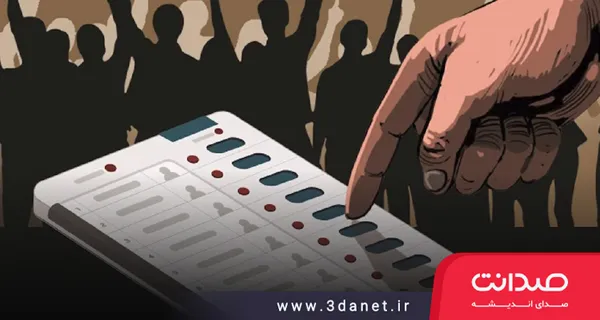
The Psychology of Elections: A Look at Several New Studies
Hadi Samadi
The recent European Union elections resulted in a political earthquake in Europe and raised the question of why far-right parties, in the heart of Europe which experienced two world wars as a result of the dominance of extremist ideas, are once again gaining public favor.
In America, the question is raised as to why Trump supporters, who are generally, though not entirely, from the conservative segment of society, have not changed their opinion upon hearing the news of his conviction in a case related to sexual crimes, which should ordinarily be very important to conservatives.
In Iran, too, there is a heated debate on social media over participating or not participating in elections.
Amidst this is a flood of arguments presented by both sides of the disputes. Most people assume that reasoning is their guide and that with those arguments they can influence the votes of the undecided. But the findings of psychology say something else: biological and psychological predispositions on one hand, and the economic and political situation of society on the other, direct our political behaviors, and arguments are generally in the service of a pre-made decision, not guides to political beliefs and behaviors.
During the 2016 US elections, in a study, Trump supporters were asked, "What is your opinion on this statement by Trump?" But a statement by Clinton was presented. The respondent, without paying attention to the content of the statement, simply because they had heard it was from Trump, expressed their agreement with it; and they also offered reasons to justify their agreement! The same experiment was conducted in reverse with Clinton supporters, and the same results were obtained. In other words, die-hard election supporters paid less attention to the content of their favored candidates' statements.
A Look at Several Studies
1. A classic study in this field, conducted in 2004, showed that in political debates related to elections, we act with the rationality behind emotions such as fear avoidance, and not with higher-order reasoning.
(Note: Emotions worked very well for quick decisions related to our ancestral world and are considered an evolutionary adaptation. But with the vast changes in the contemporary world, acting based on emotion is not necessarily the best choice. We need higher-level thinking, although empirical evidence shows that this thinking is also not independent of emotions.)[1]
2. In a study recently conducted on animal rights in Switzerland, some participants received an email with the subject line "Kind-hearted people treat animals well." The percentage of people who voted in favor of animal rights was higher in this group. By this positive vote, the individual sends a signal to themselves that they are a kind-hearted person. This study clearly shows how one can influence people's votes by stimulating their emotions.[2]
3. According to a study in neuroscience, in the processing of political choices in the brain, the areas related to emotional processing become active. [3]
4. The results of another study show that more than the type of speech of electoral candidates, it is the type of their bodily behaviors, and especially their type of laughter, which, depending on whether it is attractive or repulsive to the audience, affects the vote share of that candidate.
But apart from the psychological level, environmental, economic, and social backgrounds are also influential in people's choices.[4]
5. Democrats in America are more inclined to vote by mail than Republicans. But in the 2020 US election, it was due to the conditions of the COVID pandemic that people used mail-in voting more, and not because of a tendency towards a specific party.[5]
6. A large-scale study conducted across 30 countries shows under what conditions political discussions, including electoral debates, on social media turn violent. The research indicates that, first, the lower the level of democracy in a society, and second, the higher the level of economic inequality, the greater the violence in speech on social media.[6]
Clearly, if a society has both a low level of democracy and a high level of economic inequality, we should not expect mildness of speech during election periods. Our behaviors are not independent of the context in which we live.
7. In the political divides that are created, individuals readily slap immoral labels on one another. One study showed that in America, even when someone from the opposing party treats us well, we can still easily label them as immoral.[7]
Data of this sort does not mean that arguments are entirely useless. But for the general public, it is emotions and individuals' social contexts that have the final say.
.
.
[1] The Feeling of Rationality: The Meaning of Neuroscientific Advances for Political Science
[3] Neuroscience can explain why voting is so often driven by emotion
[4] Winners and losers: Emotional shifts across elections are conveyed by a politician’s smile
[5] Germ aversion found to have impacted 2020 election voting behavior
6] Is social media fuelling political polarisation?
[7] Republicans and Democrats consider each other immoral. Even when treated fairly and kindly by the opposition
.

Discussion2 comments
به بخش 6 از نگاشته آقای صمدی توجه بفرمایید: ۶. پژوهش بزرگی که در ۳۰ کشور انجام شده نشان میدهد که بحثهای سیاسی، از جمله بحثهای انتخاباتی، در شبکههای اجتماعی در چه شرایطی به خشونت میانجامند. پژوهش نشان میدهد که یک. هرچه سطح دموکراسی در جامعه پایینتر، و دو. هرچه سطح نابرابریهای اقتصادی بالاتر باشد، خشونت در گفتار در شبکههای اجتماعی بالاتر است. رفتار واقعی institutionهای دموکراسی با رفتار آن ها نسبت به existatioal threat مشخص میشود. Democracies آستانه ظاهرسازی و فریب جوامع را دارند. وقتی این نهادها و جوامع متوجه جدیت اختلاف نظر و احتمال حذف میشوند ابتدا رو به تخریب رقیب , demonization و آماده کردن جوامع برای تنبیه صدای متفاوت آورده پس از زمینه سازی خود جامعه نقش حذف، تخریب، نابودی و کشتار را علیه مجرم، predator, تروریست, هیتلر، متجاوز به عنف و صدها عنوان منفور دیگر را بر عهده خواهد گرفت. قطعا، جامعه دانشجویی و اهل اندیشه غربی متفتن به عوامفریبی و اشک تمساح دموکراتّها هست و از تهمتها و حملات بیرحمانه دیگری هراسی ندارد زیرا ماهیت و روش sensationalism lموج احساسی به راه انداختن در masses آشنا شده است. سپاس از آقای صمدی
احسنت. آقای صمدی، academic community نیازمند چنین awareness است. اگرچه که با یکی از نتیجهگیریهای شما مبنی بر ارزش دموکراسی که خود یکی از mythهای از طریق inducement القاء شده افرادthe privileged few حاکم بر آموزش و دارای دسترسی به coduitها مؤثر بر اذهان جامعه و دانشگاه هستم اما مطلبی که نگاشتید بسیار ارزشمند است. عدم امکان اندیشه به ارزش science و institution دانشگاه و کارایی و ماهیت آموزش مدرن جزء تابوهای جهانی و حاصل سیاست مهار اندیشه و عقل مردم است. خود جامعه دموکراتیک هم باید مطالعه شود و vices and virtues آن مورد اندیشه قرار گیرد. آقای صمدی سپاسگزاریم. ایران نیازمند آزاد اندیشی است. آزاد اندیشی که در تظاهر و فخر فروشی با نقاب تخصص و دانشگاه گرفتار نیست.