Philosophy
In Praise of the Ethical: On Asghar Farhadi
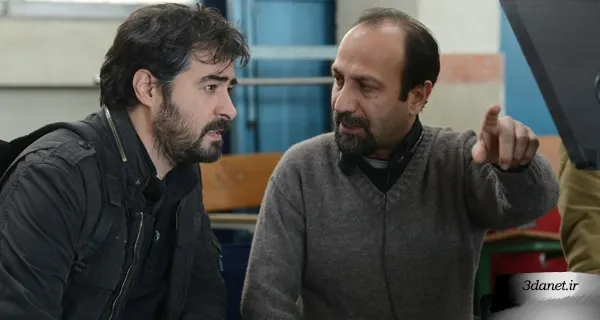
The influence of ethics on art and science is undeniable; the contrast between a professor's unethical conduct and Asghar Farhadi's character confirms this. Farhadi's quiet response to the underprivileged students after they watched The Salesman is a tribute to the ethical act.
The influence and susceptibility of art and science to morality is now, among theorists and philosophers, almost consensually accepted. Art as something that brings about inner purification (catharsis) has been discussed from Aristotle to the present: “Art acts as an emotional filter and purifies the emotions” (Hospers, 136). On the other hand, by depicting characters and individuals amidst crises and conflicts, art cultivates our moral perspective (Carroll, 58). In this context, literature, the novel, and poetry—which are inherently considered a sublime type among the arts—hold a superior rank compared to other arts insofar as they place us, through imagination, in the position of characters and individuals, because they “present the moral situation in its full and complete context” (Hospers, 135).
By reading a poem or a novel and attending to the moral situations described within them, moral reflection grows within the reader. On the other hand, even if we consider literature to belong to the category of science, it still influences ethics and moral judgments, and conversely, ethics influences it. Morality is realized in the very world in which science is situated: “If morality concerns our behavior, how can we disregard the scientific examination of the world in which this behavior is realized?” (Atkinson, 138). The second point is that when a scientist, philosopher, or artist explicates a text or describes an event, drawing on their prior mental frameworks—which are in some way connected to the moral concepts accepted by the individual—they necessarily select certain aspects of a matter and unconsciously engage in a kind of boundary-drawing. A literature professor can, for example, highlight the purely artistic-literary aspects of reading Hafez’s Divan, so that ultimately “hedonism and pure pleasure” from Hafez becomes their concern; or the aspect of fighting hypocrisy and its social dimensions may be highlighted for them, and so on. The filmmaker and playwright, as artists, undergo a similar process.
Whatever is more prominent for them among the texts they read or within the text of life, they select and display. This issue shows that “the scientific mind is also influenced by the nature of scientific explanation” (Caruana, 172). Consequently, for example, a hedonistic explanation of Hafez (or considering this aspect of knowing Hafez as prominent) stems from ethical hedonism. On the other hand, ethics imposes constraints on everything: the ethics of belief, medical ethics, sports ethics, and so on. It is clear what destructive effects science unbound by ethics would have and what a tool it would become for bringing others down. I have provided this very condensed introduction to corroborate, with reasons combining art and ethics, the recounting of a sad memory and the report of a sweet event, which is the purpose of this writing.
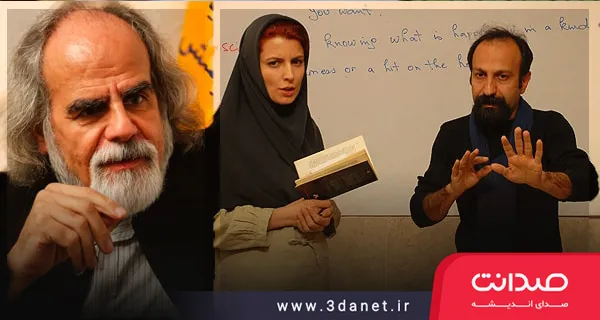
Years ago, when I had just graduated in Persian Language and Literature from Allameh Tabataba'i University, through a long-standing friendship and discipleship with one of the very great professors of literature, we went to the university where he taught. He had just come out of class, with a crowd of students following. I approached and greeted him. He received me respectfully. I said to him, if possible, would he write a letter and a note in his own hand regarding my scholarly competence for a university position so that I could begin working as a lecturer. With his characteristic warmth and literary tone, he said: “Many of the eloquent, the poets, the literati, and the learned wish that I would curse them, and I do not even curse them” (his exact words in the presence of a crowd of university students). His sentence was full of eloquence and replete with the musical figures of paronomasia and rhymed prose, imagery, defamiliarization, and so on. The only figure it lacked was the figure of ethics! He had no problem with my scholarly competence; the problem was his extreme ethical egoism. Cursing and insulting were not only not a flaw or vice, but from his mouth directed at another, they were even considered a virtue!
All the literature and mysticism of the Iranian world—from Hafez and Rumi and others—had crystallized in his being in this way. In Rumi’s words, one must ask: “This Junayd and Bayazid who showed you the way? / From which master and elder did this come to you?!” (Rumi, 2/2183). Neither had literature, as art, purified his inner self, nor had ethics reined him in; and it is from here that one can grasp the relationship between his mentality and his scholarly and literary exposition. Willy-nilly, his studies and thinking had reached and tumbled into one or both of the following ethical positions: namely, “ethical relativism”—the view that the rightness or wrongness of moral judgments is neither absolute nor universal, but rather entirely dependent on the certain beliefs and traditions of a group of persons (Gowans, 2015)—or “ethical egoism”—in which the individual desires everything in terms of his own benefit (for definitions, see: Frankena, 53). I withdrew from the presence of that esteemed gentleman forever, and his very bad ethical influence, along with other issues, caused me to separate myself completely from literature in its academic form.
Now I am a teacher in an underprivileged area in Alborz Province called Hesarak-e Bala. One day, when I had taken the tenth-grade humanities students to watch Asghar Farhadi’s film The Salesman, I asked them to write a few lines in groups about concepts such as anxiety, fear, and responsibility (at the time, I had in mind certain concepts of existentialism), lying and other ethical matters, humor, and so on, with reference to the film’s sequences. I even asked a student who held particular religious beliefs and refused to watch the film to write down his religious reasons. All the critiques and opinions, with their adolescent yet profound prose and thought, were typed and edited by the students themselves and given to me.
With difficulty, I sought a channel of communication with Asghar Farhadi and wrote in an email that these writings were the product of the pens of children from the most deprived area of Karaj, who are often salesmen themselves! They are in contact and engaged with ethical and unethical issues, and their understanding, despite their weak writing, is very strong—stronger than that of some well-off child from the … district. I further wrote that even the student who had written a moral critique of cinema and film according to his own beliefs was, in his own view, also concerned with ethics! But in a different way; in contrast to you, who in your films have always been concerned with the ethical matter. Finally, I wrote that if you read the text and deem it appropriate, write a handwritten, short note about this text addressed to the children (this time too, just like the previous memory, I asked for a handwritten note!). A few days later, Mr. Farhadi’s program manager, with great kindness, called and conveyed Mr. Farhadi’s happiness about this matter, asked me for the list of the children’s names in the class, and, to my utter disbelief, thirty copies of the book Seven Screenplays by Asghar Farhadi, inscribed and signed by Mr. Farhadi and addressed to each individual student, were sent to my address. Without any fuss, fanfare, or even media coverage or news.
I do not know how much Hafez and Rumi Mr. Farhadi has read, but if the result and outcome of reading Hafez and Rumi is to become like that aforementioned professor, then it is better that he and all of us abandon the collected works of Hafez and Rumi; but those who know, know that: “For many have been led astray by the Qur’an, / by that rope, a people have fallen into the well. The rope has no fault, O stubborn one, / since you had no desire for the heights” (Rumi, 3/4210 and 4211). The problem is not the essence of art or artistic works, but rather the unethical mentality of the individual, whose expositions of his literary and non-literary readings cause him to fall prey to such grand delusions and lies toward himself that he considers a vice of this kind—that is, cursing others with his own tongue—a virtue. But Farhadi’s living ethically in this way embodies that very verse of Hafez who sang: Seize the chance to do good to friends, O beloved! (Hafez Shirazi, 198); Farhadi has, time and again, realized the gem and essence of the art of literature within his own being more than others have.
As I perceived Mr. Farhadi in this encounter, his mind, words, deeds, and art were all four congruent with one another, and all four ethical. His art, too, has brought about an inner refinement. That he read the error-ridden typed text of students from an underprivileged area in its entirety and despite his busy schedule (I sent him the typed text with all its errors so it would mirror the students' level of work), and without any request having been made by the students, wrote a handwritten note as a keepsake for each one—even for the student who had called film and cinema the devil's tool—confirms that in life he is just as we found him in his films, and that he has a concern for ethics and the ethical matter. His films are few and deep, not mass-produced and sterile, full of the repetition of clichés. Films that are made without pretension, and their maker is without pretension too. For Farhadi, art is not about wallowing in pleasure and enjoyment, or the expression of beauty and purely aesthetic aspects. Beauty for him, in his films and certainly in his conduct, depends on the expression of the most fundamental ethical issues, which are universal: the problem of lying (in the films About Elly and A Separation), which is the root of many other vices; forgiveness and supererogatory sacrifice in The Salesman, just as the character of Emad, in the end, shows compassion and grace beyond his moral duty. Farhadi's art is the description and explication of these instances. These lines can be considered a small indication of the congruence between his art and his actions. His ethics required that, like believers in "duty ethics," the ethical act must always be performed, under any circumstances (cf. Rachels, 180), and goodness was a duty for him.
At first, the necessity of mentioning my first memory might not seem apparent, but the lamentable truth is that Farhadi is rare, and the "professors" are many! Mentioning Farhadi and his virtue alongside his alternative, vicious counterparts in the worlds of art presents a real picture of our society today, and only by revealing those examples does the value of Farhadi's work become apparent. I am glad that on that day, that professor did not write that note, and I am glad that now Farhadi wrote those thirty notes and made thirty students happy, and I am even happier that "Farhadi exists."
For the people of meaning, the speech became summaries, then elaborations...
.
.
PDF file of this article in Shargh newspaper
.
.
Author: Matin Kakhsaz
nahoftt@yahoo.com
Published in Shargh newspaper, 12 Shahrivar 1397
.
.
References:
Atkinson, R. F.: An Introduction to Moral Philosophy, translated by Sohrab Alavinia, Tehran (1394) / Rachels, James: The Elements of Moral Philosophy, translated by Arash Akhgari, Tehran (1389) / Hafez Shirazi, Divan, edited by Qazvini and Ghani, Tehran (1385) / Frankena, William K., Ethics, translated by Hadi Sadeghi, Qom (1392) / Caruana, Louis, Science and Virtue: An Essay on the Impact of the Scientific Mentality on Moral Character, translated by Mohammad Ebrahim Mahjoub, Tehran (1396) / Carroll, Noël, Art and the Ethical Domain, translated by Mohsen Karami, Tehran (1392) / Rumi, Masnavi, edited by Nicholson, with the efforts of Hassan Lahouti, Tehran (1393) / Hospers, John (and Monroe C. Beardsley), History and Problems of Aesthetics, translated by Mohammad Saeed Hanai Kashani, Tehran (1391).
Gowans, Chris: Moral Relativism, in: Stanford Encyclopedia of Philosophy(2015).
.
.

Discussion6 comments
این نوشتاربالا را که خواندم, یاد خودم افتادم.من دکتری روانشناسی ازیکی ازدانشگاه دولتی دارم,یادم نمی رود که برای رساله چه ایرادهای بنی اسرائیلی,اساتیدازمن می گرفتند.دقیقادست می گذاشتند در نقاط ضعف من,به جای تقويت نقاط قوت من. تااینکه تصميم گرفتم برای پسادکترا بروم آلمان.برای پذیرش 3سال پیش اقدام کردم.اساتیددرآلمان دقیقابرعکس ايران, نقاط قوت من رادرنظرگرفتند.چنان بامن انسانی واخلاقي رفتارکردند,که من شيفته اخلاق آنان شدم.خوشبختانه به زودی عازم هستم.
سلام ازقدیم الایام گفتهاند :ادب از که آموخته ایی؟ از بی ادبان. جناب کانت می بایست اخلاق عملی را ازگلستان و بوستان فراگیرد. دریغ و درد که دراین کشور فلسفه و ادبیات زده ، هرچه قدرمشهورتر، بی اخلاق تر و بی ادب تر.
سلام دلنوشته سوزناکی بود. معلمی در منطقه ای که بی بضاعت می نامیدش, افتخار بزرگی ست و احتمالاً با وجود فرهیخته هایی مثل شما این بی و کم بضاعتی جبران خواهد شد. اما یک سوال آیا در بارهٔ خواستن دستخط برای معرفی به جایی جهت اشتغال اطمینان دارید که کارتان درست بوده, یعنی توصیه نامه خوسته اید تا باشما طوری دیگر برخورد شود؟ این هم به نظر اخلاقی نیست.
در جواب جناب هادی که نوشته اند آیا توصیه نامه خود اخلاقی است؟ باید بگویم فکر نمیکنم غیر اخلاقی بوده باشد. در تمام دنیا مرسوم بوده و است، توصیه راسل برای ویتگنشتاین و خط خانلری برای سمت استادی شفیعی کدکنی، اجازت نامه مشایخ تصوف و غیره.یادداشت و توصیه اخلاقی ترین افراد مانند پیتر سینگر و .... در این صورت خود مدرک علمی هم حاکی نمرات اساتید است خود اولین توصیه کننده است. در ضمن در توصیه نامه قرار بر پارتی بازی نیست بلکه توصیه نامه در واقع نظر یک مرجع را به عنوان تنها یک تایید کننده ، یک گواهی، و نه نظر نهایی و قاهر بیان میکند.با همه این احوال اگر شما اثبات بفرمایید که غیر اخلاقی است ، باید شکرها داشت که نگارنده مانند دیگران( در نمونه های بدیل آن در تاریخ و دنیا) در قبح آن فرو نرفت.یا حداقل شکرها داشت که الان شما ذهن بنده را در باب امکان قبح آن درگیر کردید و اگر برای مثال روزی قبح آن اثبات شود قطعا آن فعل بنده که توصیه میخواستم همانند فعل آن استاد هم ارز و قبیح خواهد بود و هیچ چیزی از قبح فعل من نخواهد کاست.با تشکر از دقت نظرتان و با مهر متین کاخ ساز
حکومتِ ما فرهادی و امثالِ او را برنمی تابد زیرا در چنبره طرز فکرِ همان استاد خودبین و والامقام گرفتار است.
اصغر فرهادی هم فرهنگ ایران را برنمی تابد زیرا گیر ژست های توخالی مدروز است