Philosophy
Hell Is Other People?
Others become hell when they confine our fluid, ever-flowing identity within a fixed frame; the judgmental gaze that reduces a person to a single image or act ignores the manifold dimensions of their truth.
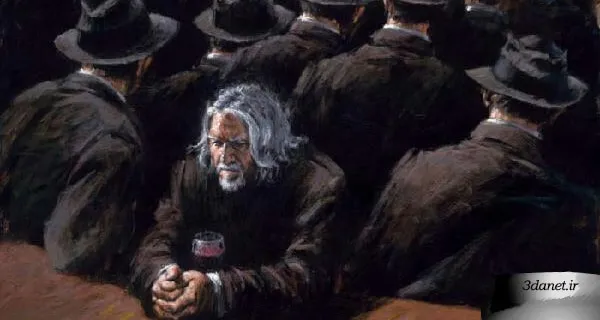
When do others become hell? When, with their gaze, they seek to freeze you within the frame of the image they have of you. You, who possess a fluid and ever-flowing essence, you who cannot be pinned down, you whose identity takes shape in the stream of time, becomes other, and takes on a new hue each time. The other is "like a shattered mirror" that, though it may tell a sliver of the truth, is incapable of telling the whole truth. The other becomes hell when they analyze you solely based on your external, outward behaviors, unaware of your inner character, motives, and anxieties. The other becomes hell when they see your present, but are ignorant of the complex web of causes and reasons that have been woven around you since birth. The other becomes hell when they snatch a single image of you, cut it out, and confine it within the frame of their mind. Why does looking at our photographs often not give us a good feeling? Our photos have captured only a single moment of us. If we haven't turned out looking beautiful, we become sorrowful that others might think this is all we are. But we ourselves know that this photo narrates us from only one angle. Even when our photo is beautiful and desirable, a bitter taste still lingers under our tongue: that this, too, is not the whole of us, and lest we deceive ourselves with this very image, or others be deceived. I suspect one of the aspects of others being hell lies precisely in this presentation of a distorted or incomplete image of us to ourselves. Our essence, in the passage of time, is constantly being kneaded and changing shape and color, or can change. To sum someone up in a single image of them is to damage their fluid identity. Others become hell when they sum us up. In a single incident, a single utterance, a single image, a single encounter, and so on...
Any gaze that ignores our multiple dimensions and our layered, richly ornamented truth is a hellish gaze. The gaze of others is often laden with judgment and scoring, and for this judgment, they must inevitably confine and freeze the other person within a frame, oblivious to the fact that, in the words of Ghada al-Samman: "Do you not see, raisin, it is a desperate attempt to imprison a fugitive grape!" Perhaps it was for this reason that Sartre said: "Hell is other people."
.
.
Hell Is Other People?
Author: Seddiq Qotbi
.
.


Discussion9 comments
این مقاله جناب قطبی با مقاله جهان آبستن خداست در تضاد کامل است.تعجب می کنم از این تضاد!!!
بسیار تلخ بود.این نگاه ،نگاه خداناباوران است،کسی که خداباور است حتی در بدترین شرایط زندگی چنین نگاهی به زندگی ندارد،یک خداباور همه چیز را زیبا می بیند.زیراخالق آن در نهایت زیبایی است.تا هنگامی که یک انسان در بند قضاوت دیگران باشد مسلما این نگاه را ،خواهد داشت
از این منظر این دیگری نیست که دوزخ است این توهم من کش آمده در طول زمان است که دوزخ است از که بگریزم؟ از خودم؟ که فیها خالدونم در خودم؟!
الا ای طوطی گویای اسرار مفادا خالیت شکر زمنقار سرت سبز و دلت خوش باد جاوید که خوش نقشی نمودی از خط یار چقدر خوب و فهمیدنی می شود وقتی یک فیلسوف ادیب است. می آموزی، زمانی که نظراتش را همطراز تجربه های زیستی ات می بینی. اینجاست که تعاملی اندیشه ورزانه و دو سویه شکل می گیرد و جوهره درک معنایی به جان می نشیند. چون از پیچیده گی های زبان دیر فهم فلسفی خواص رها شده است. از این رو بی واسطه مخاطب را با مضمون همراه می کند.نوشته ای که با یکبار خواندن حق مطلبش دریافت می شود. ترا در دالانهای تو در توی بازی زبانی له له کنان رها نمی کند تا پشت دستت را داغ کنی تا دیگر بار بخواهی به درک روشنتری از جهانت برسی.
اشاره جناب قطبی به «زندگی عاریتی» است که شکل و سبک مشترک زندگانی عموم مردم است. واقعیتی که در برابر «زندگی اصیل» که وجه اساسی و شیوه رکنی حیات انسانهای معنوی و خودساخته است قرار می گیرد و همچون «جهنمی» در مقابل آن خودنمایی میکند.
من که همیشه از دیدن عکس هایم لذت می برم. چون عاشق خودم هستم. من تصویر خدا در زمین هستم. پس زیبا هستم. البته گاه خودم را به زشتی آرایش می دهم. اما تا ایمان هست، بوی خدا هست. قالب دیگران را هم هدیه می دانم. مؤمن برای مؤمن جز محبت نمی خواهد. حتی اگر سلیقه اش را نپسندم اما هدیه اش برایم بوی بهشت می دهد.
ما باید آن چه را درست میدانیم انجام دهیم. اینکه تصویر ما در ذهن دیگری خوب است یا بد، دیگر در اختیار ما نیست و از این رو به ما مربوط نیست ...
اما انسان بی دیگری ـ از جمله مادر ـ نتواند بود و همواره ، در تنهاترین لحظه ها و دورترین جاها ، اجتماعی باقی خواهد ماند . دیگری اگر « دوزخ » است ، تو هم « دوزخ » دیگرانی و ناگزیر و ناگریز چنینی : مگر می توان کودکی پدر یا نوجوانی مادر بزرگ را دید ؟ مگر می توانی تلون و دم به دم رنگ به رنگ شدن اطرافیان را تاب آورد ؟!
یک سوال آقای قطبی آیا اصلا امکان شناخت دیگری ممکن است؟