Philosophy
A Reflection on the Relationship Between “Death” and “Life” and Their Connection to “Love”
Life is a fragment of death and its mortal son, but love is the immortal daughter of death. Whoever yearns for immortality must wed death and walk the path from life to death in love, so that at the hour of death they may leap from the ranks of the dead and become deathless.
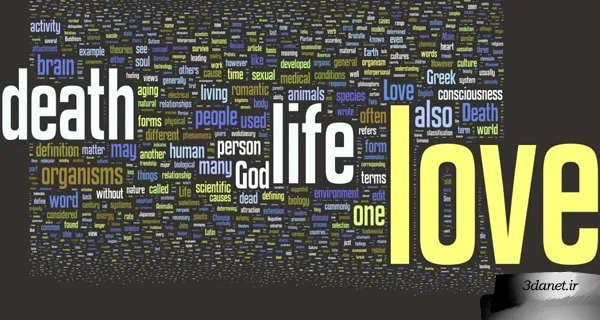
A Reflection on the Relationship Between “Death” and “Life” and Their Connection to “Love” (Part of the “Vain Words” series)
Dedicated to Sadiq Qotbi
Masoud Zanjani
In the beginning was “Death.” “Life” is a fragment of death. In truth, death is the mother of life and life, the son of death, his first and mortal child. Death gives birth to life and it is he who causes it to die, only to give birth to it anew in a fresh form. It can be said that every birth is the end of an old death and the beginning of a new death; just as every death is the end of an old birth and the beginning of a new birth. Thus, life rises from death, mingles with death, and ultimately clings to death, only to rise again. Therefore, life lives within death. Life dies again and again, and it is only death that never dies. In other words, eternity belongs solely to death. And hence, if one desires eternity, one must only unite with death. Therefore, it is only the embrace of death that makes eternity possible. Of course, the embrace of death must be at the “proper time” and in his “fitting language.” In reality, the union with death must occur before the time when death himself comes to meet the individual, to cause him to die and return him to the cycle of life. Just as death will only open his embrace to those who call upon him not by the name of his mortal son, that is, life, but by the name of his immortal daughter. The name of death’s second and immortal child is “Love.” Love is, precisely, the “Eternal Feminine.” Love is the beautiful and enduring manifestation of death. In truth, Love, in pre-eternity, was born from the radiance of death’s beauty, and from that time, its sparks have also set ablaze his mortal brother, that is, life. And thus love has granted the possibility of eternity to mortals as well. It can be said that lovers, that is, those mortals who consider death the mother of life, and call upon it by the name of love, and traverse the path from life to death amorously, at the moment of death, leap from the ranks of the dead and become immortal and eternal. Thus, lovers never die. In other words, when lovers die, they do not truly die, but rather, at that very moment, like death, and in the shadow of death, they become eternal. When lovers die, they become “God.”
.
.
See and read related notes by the same author on the “Sedanet” channel and website at the following addresses:
A Letter After Death — A Reflection on “Death” and “Life” (In Mourning for Engineer Mohammad Razavi)
A Reflection on “Love” and “Eternity” and “The Art of Living” (In Mourning for Abbas Kiarostami)
.
.
Discussion1 comments
بسیارزیبابود.