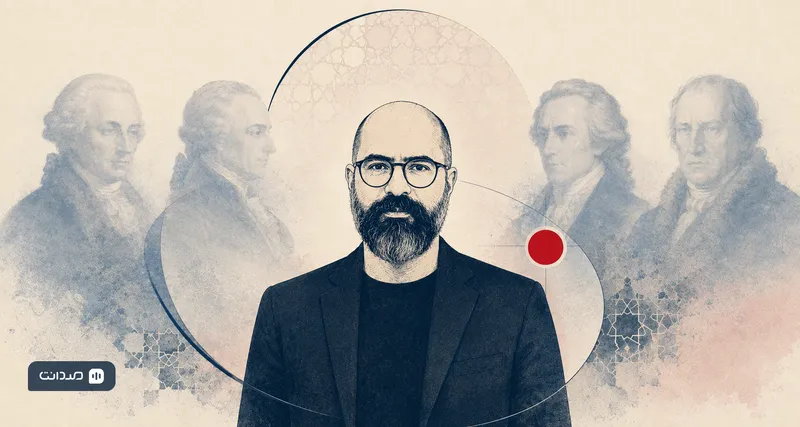
This program addresses the necessity of promoting a culture of dialogue and distinguishing it from monologue, chit-chat, and polemics. In this discussion, dialogue is understood as a path to knowledge, living, friendship, critique, and learning from differences.
Dialogue is not merely the exchange of words; it is a way of listening to the other, understanding differences, and searching for truth. This program begins with the necessity of a collective resolve to promote a culture of dialogue and shows why a society that loses the capacity for dialogue becomes trapped in monologue, misunderstanding, verbal violence, and an inability to think together.
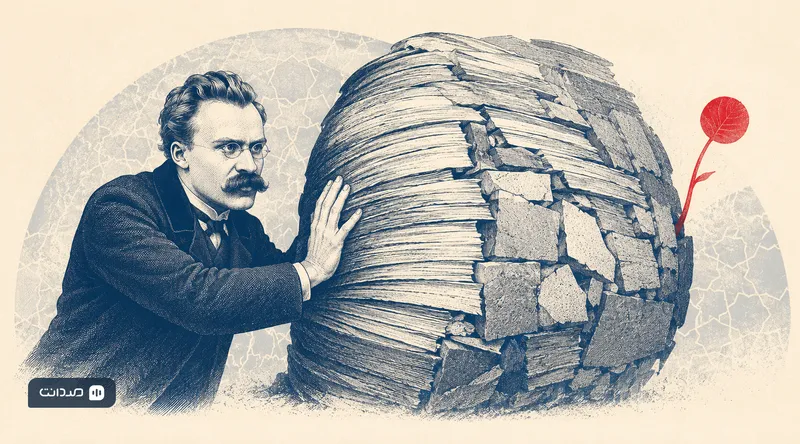
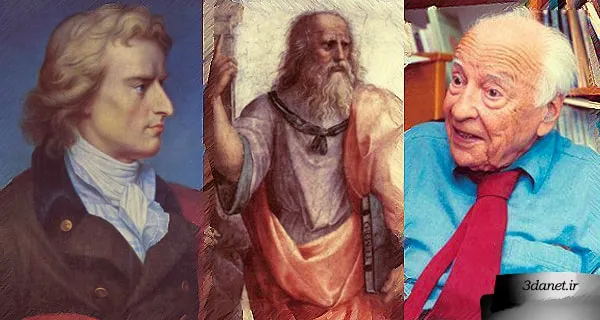
In this discussion, dialogue is examined from various perspectives: dialogue as a work of art, as a journey, as the art of learning from differences, as the art of listening to the other, and as a method for knowing and understanding. References to Socrates, Hannah Arendt, Nietzsche, Heidegger, and Gadamer demonstrate that in the philosophical tradition, dialogue is not merely a tool for communication; rather, it is a mode of being and living.
The program also explores Socratic dialogue, the relationship between friendship and critique, the meaning of thinking together, the conditions and obstacles to dialogue, and the possibility of dialogue among cultures. Examples such as Hafez and Nietzsche or Avicenna and Aristotle show that dialogue can build a bridge for understanding and the creation of meaning between different traditions, languages, and intellectual worlds.
The importance of this subject in today's cultural and social climate is clear: without a culture of dialogue, neither constructive criticism, nor lasting friendship, nor deep understanding, nor coexistence with differences can take shape. This video is suitable for those interested in philosophy, ethics, culture, hermeneutics, and dialogue between traditions.