Philosophy
God and the Transcendent in the Thought of Christian Bobin
Christian Bobin seeks God not in certain beliefs and definitions, but in a lived experience intertwined with love, and searches for the transcendent in everyday life and the wonder of children. From his perspective, naming God is unnecessary, for God is not something to be known, but to be loved.
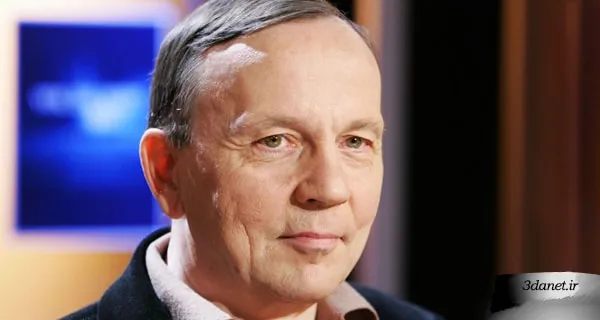
Christian Bobin does not seek certain beliefs or to offer fixed definitions of God and the transcendent. Definitions wither. Dogma desiccates. God, the transcendent, or the sacred, in Christian Bobin's view, is something that is experienced, felt, touched, but does not submit to the logic of dogma or the quarantine of definition. God is not to be known, but to be loved. Not to be spoken of, but to be lived:
"I do not like those who speak of God as a fixed price. I do not like those who consider God the result of a flaw in the apparatus of intelligence. I do not like those who 'know'; I love those who love."(1)
"God is not a thought or a dogma, but the pink and blue vapor left by the snail-like lips of children on a windowpane, a care for ordinary life—a profound, contemplative peace of heart."(2)
God is not a dogma, but a name for a kind of experience and a way of encountering life. An experience mingled with wonder and care. Like the alert, searching state of children pressing their lips to the window glass. God is a kind of care for everyday life. Like the delicate care of a mother for her days-old infant. A care imbued with love and peace. God is a maternal nursing of life.
If God is not a thought or a dogma, then sacred books and words are also not a collection of specific beliefs to be affirmed, but rather God's loving gestures to draw our attention. Attention is the essence of faith. It is a kind of wakefulness and 'remembrance.' A sprinkling of words, pregnant with the transcendent, upon the face of the soul:
"The Bible is a list of God's attempts to be seen by us, even for a second, even by one person, even if that person is a good-for-nothing or a goatherd stupefied by loneliness and bad wine. He uses anything. Anything that can draw our attention to him is good; from the immense conspiracy of Noah's flood, the deluges and terrible storms, to the whispered wails of a newborn sleeping on the straw, stirring the humble breaths of a donkey or an ox."(3)
Christian Bobin opposes the logic of dualism and the dichotomy of heaven and earth. He wants to experience the divine and the heavenly right here, amidst ordinary, everyday, earthly matters:
"In the past, children were taught that God is in the heavens, but who will teach them that heaven is on earth and everywhere, shining forth in simple things? A quiet life, without luster and oriented toward simplicities, is like a quince, which has a rough appearance and a downy skin, and when it ripens in the shade, perfumes the air of the storeroom, just as the body of a saint, after death, perfumes the air."(4)
Naming God is not necessary for the experience of God. Appropriate ways of living can reflect God's presence. God's presence can only be experienced in pure lives:
"My father's everyday life reflected the presence of God sufficiently, without any need to name Him."(5)
"God walks, astonished, among the words of lovers, like a farmer in his field. If we do not let God into our love stories, our stories fade, become murky, rot, and collapse. Naming God is not essential; even knowing His name is not necessary for those who love each other. It is enough that the lovers on earth have found each other in an expanse of heaven."(6)
"In the pond water, in the scent of ivy, in the clarity and purity of certain books, I have found the Lord, even sometimes among those who have no religion, but never among those whose profession is to speak of Him."(7)
Speaking of God is only possible through pure and unadulterated lives, or through words so weightless they are suspended in the air. God, in Bobin's perspective, is like love. Like the "tremor of a smile on the lips" that can only be felt, watched in silence, and shared with another. God is not an intellectual problem, but an experience and a contemplation:
“The question of love has no answer. Not because it is a complicated question; no, the point is that love is not a question at all, it is simply a self-evident truth, a feeling of deep peace, a blue line on the eyelids, the tremor of a smile on the lips. There is no need to answer a self-evident truth. We look at it, we contemplate it, we share it together in silence, preferably in silence.”(8)
“I grant you that love is incomprehensible. But what is impossible to comprehend is utterly simple to live.”(9)
Thus far, it has been said that in Christian Bobin’s view, the experience of the sacred is possible only through the eloquence of life and a particular manner and mode of seeing, and that to perceive God’s presence in life, we need a different way of living, not a belief or the naming of something. Now we wish to examine what characteristics, from Christian Bobin’s perspective, a life filled and flavored by God possesses.
1) A life flavored by God is a life lived in the manner of children. The child’s encounter with life possesses all the qualities we need to connect with God. The child confronts life directly and without mediation, and has an understanding and perception born of pure experience. The child, free and at ease from concepts and linguistic constructs, mingles with life. The contact children have with life is total. The child performs the most mundane affairs of life with the same purity and wholehearted presence that adults bring to the most serious tasks. Children’s play, especially, is a manifestation of the transcendent. For when children play, they are present with all their heart. Infants, too, are another manifestation of the sacred. The stillness, peace, and smile of contentment on their faces speak of a pure presence not yet scratched. Moreover, the striking characteristic of children’s lives is their immense capacity for wonder. The child’s gaze, washed clean and struck by wonder and mystery, is host to the transcendent:
“The first knowledge of God, in life, is a bittersweet knowledge, swallowed in childhood with the first morsels of food. The child sucks God, drinks Him, strikes Him, laughs at Him, cries out after Him, and finally, in His arms, in the depths of darkness, falls asleep with a full belly. This is an instantaneous knowledge. It is given to those newly born; the men of the Church do not possess it, nor do those who have a weak knowledge of God.”(10)
“His infinite being is manifested only in the whispers of children… God is what children know, not adults. Adults do not waste their time feeding sparrows.”(11)
“A child at play radiates more light in their game than saints in their prayers or angels in their songs. A child at play is a consolation to God.”(12)
“A child falling asleep is an image of eternal life, released, trusting, in the hands of God. A trembling tree is a symbol of transient life, subject to the moods of the seasons. A child falling asleep and a trembling tree are both supreme symbols of life flowing.”(13)
“Newborns hold God captive within their closed fists.”(14)
“In every newborn, God places Himself once again into our not-so-certain hands.”(15)
“Night and day I could speak with an infant: someone arrives who has suffered no harm from false truths and habits. Infants possess something that seems founded on wisdom, like Buddhas. They bring us news from a very distant star, news that words have not yet made slow-paced. Infants also allow themselves to stare, and that is precisely what we do not allow ourselves to do. If we look at this pure stranger, which is the infant, we see that they are almost startled by the ordinary language we use to speak to them. When we utter foolish little words to them, we see their gaze flash at our unseemly speech. Infants are pure metaphysicians, and it is insipid of us to grant them nothing more than ordinary praise. This is an insult we inflict upon the very subtle intelligence of these sages.”(16)
«تحمل نگاه ثابت یک کودک بسیار سخت است. انگار که خداوند رو به روی شما نشسته... شما را برانداز میکند و در عین حال از وجودتان هم شگفتزده است.»(17)
«مشکل ما در این است که هیچگاه به کودکِ سهسالهی وجود خود اطمینان نمیکنیم. در آنجا که واژهها تواناییشان را از دست میدهند، این کودکِ درون ما است که کلامی تازه میگوید و در آنجا که به راههای بسته خوردهایم، راه جدیدی را پیش رویمان باز میکند.»(18)
«اگر برای من فرزانگی وجود داشته باشد، عبارت است از هنرِ حضورِ کامل داشتن، با توجهی بیاندازه و پایدار. از همین روست که کودکان مرا مسحور میسازند، به سبب استعداد خویش در حضورِ کامل داشتن، در زمانِ حاضرِ ناب. با ایشان تفاهمی عمیق دارم.»(19)
آنچه کودکان را در چشمان کریستین بوبن درخورِ ستایش میکند حیرتزدگی، تماس بیواژه با جهان و هنرِ «حضور کامل» است و نیز آرامش ناشی از خرسندی که به وقت خواب در چهرههایشان پیدا میشود.
2) زندگی آکنده از خدا، زندگیِ آکنده از عشق است. عشقی که زندگی را به طعم خدا درمیآورد عشقی آلوده به تصاحب نیست؛ عشقی است که بیش از هر چیز به نثار کردن وفادار است. نثارکردنِ بیچشمداشت:
«نادر اشخاصی قادرند عاشق شوند زیرا نادر اشخاصی قادرند همه چیز را از دست بدهند.»(20)
«زایشگاه مکان از خود گذشتگی است و از همین روی مرا منقلب میسازد: کسی که در نهایت توانایی است، تمامی توانمندی خویش را نثار ناتوانترین موجود میکند. عشق هولناکترین رویداد است. به سان تنفس دهان به دهان با خداست، به سان به زندگی برگرداندن چیزی در عالم نهان است. عشق ورزیدن عملی ماورای طبیعی است، تجربهای عرفانی است و جز این چیزی نیست. عرفانی است که به یکسان میتواند به دخترکی روستایی یا متألهی بزرگ عطا شود.»(21)
«از عشق چشم آن دارید که خلأهایتان را پرکند حال آنکه عشق هیچ خلأیی را پر نمیکند. عشق بیش از آنکه وفور باشد، کاستی ست، عشق وفور کاستی ست!»(22)
عشقی که راه به خدا میبَرد، تمنایی نیست که تشنهی «داشتن» است، بلکه تهی شدن از خویش و جابازکردن برای دیگری است. عشقی که آنقدر آدمی را فقیر و بیچیز میکند تا جای کافی برای ضیافت خدا فراهم شود. هر چه عشق ما به چیزی فزونی بگیرد، توجه ما نیز قوّت میگیرد. توجه ژرف به خواندن و مطالعهی دیگری:
«دوست داشتن کسی در حکم خواندن اوست. در حکم آن است که بتوانیم تمامی جملههایی را که در دل دیگری است بخوانیم و در حال خواندن، دل او را از بند برهانیم.»(23)
3) زندگی رنگگرفته از خدا زندگی آراسته به سادگی است. زندگیهای متکلّفانه که در پیِ شکوهی مصنوعی و نُمایشی اقتدارآمیز و مقرون به زیورهای چشمرُبا هستند، قادر به تماس با خدا نیستند. خدا در سادگی و بیشیلهپیلگی، پیدا میشود. جایی که نشانی از جلوهفروشی و چهرهسازی کاذب نیست. جایی که سادگی در نهایتِ خلوص است و زندگی در هیأت همیشهی خود، پریشان و نزدیک.
«تنها در جایی میتوان دید، که هیچ نشانهای از ظلمت اقتدار نیست. اقتدار کور میکند، افتخار تاریکی میآورد. در گذشتهها، شاهزادگان با شکوه و جلال بسیار از قصرشان خارج میشدند: کالسکهها، اسبها، نوکران، پرچمها و همهگونه تشریفات. پریشانی و آشفتگی یعنی محروم بودن از هر نوع تشریفات و محافظ و همراه، پیش رفتن در یک زندگی محروم از هر نوع پوشش قدرت. خداوند تحت پوشش آرایهها و زیورهای صاعقه یا سلطنت، بیمعناست. خداوند نهفته در خواب یک نوزاد... بیکران است، عظیم است.»(24)
“God has no place in a magnificent house. His refuge is a hut whose wooden planks are not properly joined together, and shafts of light easily find their way inside. Although I know nothing of Him, it is impossible for Him to seem a stranger to me on the most ordinary days of life. These days of life are each a book, a book that He has written. Faces, pain and suffering, benevolence and goodness are the richest and most colorful pages of His book. Just like the rose bush, the sparrow, or the primrose.”(25)
“Every time we simplify something, we cling to the mantle of God.”(26)
“Affectation” and borrowed ornaments are a veil over vision and experience:
“I removed many useless things from my life so that God might draw near to see what was happening.”(27)
Hence, in ostentatious churches and temples that seek, through the affected display of ornaments, to mirror the majesty of the divine, God is absent. God is in simplicity. As is beauty.
4) A life filled with God is a life intoxicated with beauty. But passing lightly by beauty does not make life God-infused; rather, it is becoming intoxicated with beauty that saturates a person with the transcendent. To gaze is to let something into oneself. Beauty must be breathed in for God to well up in life and blossom on the stem of existence. In the profound experience of the beautiful, which entails a kind of “selflessness” and transcendence of the self, one of God’s mysteries is revealed.
“The art of walking is the art of observing. First, we look at what we pass by, then we become it.”(28)
“I cannot be a silent spectator of beauty. If it welcomes me, I surrender to it and become one with it.”(29)
Lydie Dattas, a contemporary French poet and writer, said of Christian Bobin: “To understand him, it is enough to imagine someone who becomes everything he sees.”(30)
Emily Dickinson is one of Bobin’s beloved figures. Someone who, in Bobin’s words, lived in the pupil of God’s eyes, because she lived like God. Hidden from all and observer of all:
“Emily Dickinson spent her days and nights in the pupil of God’s eyes: hidden from the sight of all and spectator of all.”(31)
When is beauty experienced? Bobin says beauty is the child of love. A love that compels us to “attention.” Our deprivation of the beauties of life, which could make life paradisiacal, is due to “inattention”:
“Beauty arises from love, and love from attention. A simple attention to simple things, a slight attention to slight things, a living attention to all lives”(32)
“Beauty has the power to give life anew. It is enough to see and to hear. It is because of our inattention that we do not enter paradise while we are still alive; it is solely because of our inattention.”(33)
Everything that, through loving attention, becomes a source of the experience of beauty carries a trace of God. A smile, faces, the elderly, branches of flowers, a weed that has split the pavement, and the playfulness of sparrows are opportunities to taste God:
“God’s needle is threaded through every kind of fabric, fabrics whose beauty I never tire of praising.”(34)
“I prefer not to enter the world. To remain on the threshold of the world and look. To look endlessly. To look lovingly. Just to look.”(35)
“To praise God’s greatness, I do not need to see magnificent landscapes, for I believe that God’s greatness is manifested in insignificant things. I go out very little, but each time, with a single glance, I am captivated and enchanted. I always find a weed that has managed to break through the paving stones, and this weed fills me with wonder and nourishes my thought.”(36)
“There is something divine in flowers. I have placed a few branches of garden roses on the kitchen table: they are so beautiful that one could found a monastery around them and even forgo the cross.”(37)
“God is a child falling asleep, and a moment comes when He reveals His secret: when we pass close by, we hear His involuntary laughter. His voice can be heard; in music, in silence, in the appearance of the pimples of youthful pride, behind a passing cloud, in a mouth whose teeth have fallen out; everywhere.”(38)
“'Enter into the bosom of the Lord' is a phrase written in the Gospel... It was only this morning, watching the sparrows, entering the fragrant foliage of the jujube tree in flocks of dozens, that I finally understood what the bosom of the Lord means, and what joy there is on the day we find our way into it.”(39)
“The elderly are sacred books of bone and flesh. Old age is the Lord’s warped drum.”(40)
“The smile is a sacred thing, like everything that answers a question with a greater answer. I, who am enamored of my solitude, say that the smile is more wondrous than anything. It is one of the greatest refinements of humanity. It is almost a foretaste of the afterlife, like a flower from the hidden realm. I would even go so far as to say that the most beautiful of all smiles can only appear on a face that is almost reserved and withdrawn. But if we lean over cradles, we can still find the smile. However ferocious humans may be, each time a child is born, the smile appears.”(41)
“The Lord comes to earth as easily as Mozart’s music rises to heaven, but we do not have the ear to hear it.”(42)
“Here and there, we go in search of a joy that has been shattered everywhere, and the sparrow’s playfulness is our only chance to taste the God scattered across the earth.”(43)
5) A life filled with God is a life of care and nursing. God is more fragile than we think, and any negligence or indifference leads to the breaking of God’s presence in life. A life drawing from God entails sensitivity. Sensitivity to vibrations and delicacies. Caring for the fragility of beauty and goodness, which is only possible through gentle conduct.
“God is as fragile as poppies. Poppies that humans, for their own pleasure, want to pick.”(44)
“We massacre all the delicacies of life, but life becomes fuller than before. There is no secret hidden in war—but the bird I saw disappeared from sight in the thicket; as it flitted among the dense trunks of the trees, it left me stunned. I am trying to recount something to you that is so fragile I fear even describing it will mar it. There are butterflies I cannot touch without breaking their glass-like wings.”(45)
“It is easier to kill the Lord in one’s heart with a vile deed than to destroy a sparrow, and simpler to break His heart than to tear a sheet of paper; even children know this.”(46)
“Perhaps God is merely the sign of our sensitivity, our finest nerve fiber, a golden wire a thousandth of a millimeter thick. A wire that in some is severed, and in others vibrates with full force.”(47)
Everyday, ordinary, and earthly matters, when performed with perfection, calmness, deliberation, and delicacy, can grant us a transcendent experience:
“Perhaps spiritual life is nothing other than material life carried out with care, calmness, and perfection: when the baker performs the task of baking bread with the utmost precision, God is present in the bakery.”(48)
“When Teresa of Ávila (1515–1582, Spanish nun and theologian) prepared food for her sister nuns, she took care to cook the food well, and at the same time, astonishing thoughts about God came to her mind. In this state, she enacted that art of living which is most sublime: enjoying what is eternal while caring for what is mortal.”(49)
Spiritual and divine life is a life filled with 'attention,' 'presence of heart,' 'delicacy,' and 'care.'
6) A life filled with God is a receptive and open life. Living in an open expectation to receive light and a contented acceptance of life. Waiting and listening intently to perceive the subtlest hints of light and voices of grace:
«Do not ask me what I am waiting for. I do not know the answer; I am only certain that all the written wisdom in the world cannot cure my pain. I am waiting for something greater than what can be written.»(50)
«What gives you life? … Everything. All that is not me and illuminates me. All the things I do not know and for which I wait… To expect nothing but the unexpected. This knowledge of mine comes from afar. A knowledge that is not knowledge, but a trust, a murmur, and a song. I learned this knowledge from the only master I have ever had: from a tree. From all the trees in the ecstatic night. The way they consider every moment a fortunate destiny teaches me itself. The bitterness of rain, the madness of the sun, everything quenches them. They have no worries, and especially not the worry of meaning. They wait, with a luminous and trembling expectation. Endlessly…»(51)
«I always hope for great things. I do not know what they are, but I wait for them patiently. They may have already come, without my noticing. My soul is like a waiting dog before a meadow, lying in ambush for a prey that is near and invisible. Doubtless I will never catch anything, no prey. Only, it is enough to believe that something greater than 'life' has passed before me and given it an importance and a light so pure that it sometimes seems cruel.»(52)
«Being a saint is not what we imagine. Today I saw a group of primroses speaking in the open air, and from their words they had composed a prayer that went straight to heaven. Their hearts were open to rain, drought, and even being picked. Not choosing what befalls them was their flawless method for becoming saints.»(53)
In Christian Bobin's view, «belief» cannot make God flow through the capillaries of our lives. Only those who enrich their lives with purity and a childlike presence, a self-giving love, simplicity and transparency, attention and care, listening and waiting, and a harmony with beauty will be capable of hosting God.
Christian Bobin says we must act as if God exists. It does not matter whether, in reality, God exists or not. What matters is that we desire and call out to Him from the depths of our heart:
«God is the name of a place that neglect never darkens, the name of a lighthouse on the shores. And perhaps that place is empty, and perhaps this lighthouse has always been abandoned, but that does not matter at all. We must act as if this place is occupied, as if someone dwells in the lighthouse. Let us come to God's aid, let us call out upon His rock, and every face, one by one, and every wave, one by one, and every sky. Without forgetting even one.»(54)
«The saints say we call out, we call out to the one standing on the other shore of our heart, and we never know if we will be heard. We do not even know if anyone is there or not.»(55)
Why should we act as if God exists? Bobin answers:
«No one can give another all the things in the world, no one is enough for anyone. No one is God.»(56) and «No one else can fill the empty space of 'God.'»(57)
.
.
References:
1_ A Picture of Me by the Radiator, Christian Bobin, translated by Manouchehr Bashiri Rad, Ejtemā Publication, 2007.
2_ A Killer as Pure as Snow, Christian Bobin, translated by Farzaneh Mehri, Sāles Publication, 2014.
3_ A Celebration on the Heights, Christian Bobin, translated by Delārā Ghahramān, Pārseh Publication, 2015.
4_ Prisoner of the Cradle, Christian Bobin, translated by Mahvash Ghavimi, Āshiyān Publication, first edition, 2008.
5_ Resurrection, Christian Bobin, translated by Sirus Khazaeli, Sedaye Moaser Publishing, 2nd edition, 2009.
6_ A New Life, Christian Bobin, translated by Sasan Tabassomi, Bagh-e No Publishing, 4th edition, 2008.
7_ Ibid.
8_ Isabelle Bruges, Christian Bobin, translated by Mahvash Ghavimi, Ashian Publications, 3rd edition, 2006.
9_ The Most High Companion, Christian Bobin, translated by Pirouz Sayar, Tarh-e No Publishing, 2005.
10_ The Little Party Dress, Christian Bobin, translated by Mozhgan Salehi, Bagh-e No Publishing, 3rd edition, 2008.
11_ The Most High Companion, translated by Pirouz Sayar.
12_ Six Works, Christian Bobin, translated by Mahtab Bolouki, Ney Publishing, 2nd edition, 2013.
13_ Ibid.
14_ A New Life, translated by Sasan Tabassomi.
15_ The Ruins of Heaven, Christian Bobin, translated by Seyed Habib Goharian and Saeedeh Boughiri, Radmehr Publishing, 1st edition, 2014.
16_ The Light of the World, Christian Bobin, translated by Pirouz Sayar, Agah Publishing, 2006.
17_ All Are Caught, Christian Bobin, translated by Negar Sedghi, Mahriz Publishing, 3rd edition, 2007.
18_ Weariness, Christian Bobin, translated by Pirouz Sayar, Agah Publications, 3rd edition, 2006.
19_ The Light of the World, translated by Pirouz Sayar.
20_ The Woman of the Future, Christian Bobin, translated by Mahvash Ghavimi, Ashian Publications, 3rd edition, 2005.
21_ The Light of the World, translated by Pirouz Sayar.
22_ The Most High Companion, translated by Pirouz Sayar.
23_ The Light of the World, translated by Pirouz Sayar.
24_ A Feast on the Heights, translated by Delara Ghahreman.
25_ A New Life, translated by Sasan Tabassomi.
26_ The Ruins of Heaven, Seyed Habib Goharian and Saeedeh Boughiri.
27_ Resurrection, translated by Sirus Khazaeli.
28_ Six Works, translated by Mahtab Bolouki.
29_ The Light of the World, translated by Pirouz Sayar.
30_ Ibid.
31_ The Ruins of Heaven, translated by Seyed Habib Goharian and Saeedeh Boughiri.
32_ The Most High Companion, translated by Pirouz Sayar.
33_ Astonishment, translated by Banafsheh Farahmandi, Ketab-e Parseh Publishing, 1st edition, 2017.
34_ The Ruins of Heaven, translated by Seyed Habib Goharian and Saeedeh Boughiri.
35_ The Fool of the Neighborhood, Christian Bobin, translated by Mahvash Ghavimi, Ashian Publications, 5th edition, 2007.
36_ The Light of the World, translated by Pirouz Sayar.
37_ Ibid.
38_ Astonishment, translated by Banafsheh Farahmandi.
39_ Resurrection, translated by Sirus Khazaeli.
40_ The Ruins of Heaven, translated by Seyed Habib Goharian and Saeedeh Boughiri.
41_ The Light of the World, translated by Pirouz Sayar.
42_ Six Works, translated by Mahtab Bolouki.
43_ Ibid.
44_ Christ in the Poppy, Christian Bobin, translated by Negar Sedghi, Meshki Publishing, fifth edition, 2014.
45_ Astonishment, translated by Banafsheh Farahmandi.
46_ Resurrection, translated by Sirus Khazaeli.
47_ A Murderer Pure as Snow, translated by Farzaneh Mehri.
48_ The Light of the World, translated by Pirouz Sayar.
49_ Six Works, translated by Mahtab Bolouki.
50_ Christ in the Poppy, translated by Negar Sedghi.
51_ Six Works, translated by Mahtab Bolouki.
52_ Resurrection, translated by Sirus Khazaeli.
53_ Ibid.
54_ A Feast on the Heights, translated by Delara Ghahreman.
55_ Ibid.
56_ Madly, Christian Bobin, translated by Mahvash Ghavimi, Ashian Publications, third edition, 2005.
57_ The Missing Part, Christian Bobin, translated by Farzaneh Mehri, Sales Publishing, 2014.
.
.
God and the Transcendent in the Thought of Christian Bobin
Author: Seddiq Qotbi
.
.

Discussion136 comments
سلام. جناب قطبی با این یادکرد زیبای شان از بوبن، بحثی دراز را ناخواسته درافکنده اند. گاهی این بحث ها به جاده ی خاکی منحرف شده اند و بوبن به کلی از یاد رفته است. اما در هر صورت، این بحث مهم باقی می ماند که خدا را مثل بوبن ببینیم یا هم چون خدای دو دین خاص با دو متن مقدس کاملا نزدیک به هم اسلام و یهود. نکته این که بوبن هر چه گفته باشد، درست یا غلط، فاصله اش با دو متن مقدس این دو دین نمی خواند. این دو، خواستار سربریدن و قتال و تخریب قریه ها به خاطر پی کردن یک شتر هستند. این ها کجا و بوبن کجا. اگر بوبن متن های مقدس را یاد کرده باشد، قطعا نمی تواند از این دو متن به طور جامع و مانع نتیجه گرفته باشد. ما که درون این متن زیسته ایم، به خوبی می دانیم در گزاره ی 2/ 24 آدم ها و سنگ ها را می سوزانند تا لهیب شان آدم هایی را بسوزانند که حرف گوش نمی کرده اند. خُب! این کجا و لبخند یا چشمان بسته ی کودک کجا! از دوستان می خواهم که لطفا هر بار که نظر و پاسخ می دهند، نیم نگاهی هم به متن مقاله بیندازند تا از آن زیاد دور نشوند.
من همیشه به خودم میگم ملت با خدا حال میکنن نپر وسط,به خودم میگم چیکار داری اونا دنبال خدا هستند که عزیز ترین عزیزهست ول کن یوخ نگو من این روش رو قبول ندارم.هرکی هر جور دوست داره بره دوبال خدا. یکی با علت و معلول و دلیل عقلی میره دنبال خدا یکی با ریاضی و یکی با علم و دیگر زیست شناسی و یکی به قول این مقاله ( دنبال باورهای یقینی و ارائهی تعاریف مشخص از خدا و امر متعالی نیست) این توری حال میکنه .به خودم میگم رضا خفه شو وسط نپر . همین درسته .
این همه بحث و جدال برای دیدگاه بوبن که بهتر است اسمش را بگذارد به جای کریستین، آلیس! و با یک همچین تحلیلی، جهان را هم "سرزمین عجایب" بنامد
به نظر بنده جناب کریستین بوبن باید با شخصی مانند خانم امیلی دیکنسون ازدواج می کرد. فکرکنم صبح تا شب شعر عاشقانه و عارفانه می سرودند.
جناب قطبی گرامی قلم بسیار زیبایی دارید.بنظرم وقتی دو یا چند نفر هدف و مقصدشان نور باشد ،منظور یکدیگر را خوب می فهمند چه گونه خوش آیدی وجود ندارد؟ چون مقصد یکی است و آن لقا الله است،که آرزوی همه انسانهای توحیدی است.دوستان توحیدی در عالم معنا با یکدیگر دوست هستند. برای شدن به" او "احتیاج است نه تو! موفق و پاینده باشید.
پاسخ به خانم مهناز : خانم مهناز از مولوی نقل قولی اورده اند و ظاهرا لب سخن ایشان اینست که فقط کسانی قادر به درک اعجاز بودن قرآن ( کلام خدا بودن آن ) هستند که " پاک و مطهر " باشند . و اما پاسخ ما : 1- اولا که هزار تا از این مولوی بازی ها هم در بیاورید ، جای یک استدلال را هم نمیگیرد . شما کل فیه ما فیه و مثنوی را هم که نقل کنی ، هنوز استدلال نیاورده ای . ضمنا بیهوده از مولوی نقل قول نکن . هیچ استدلالی وجود ندارد که کبرای آن استناد به یک شخصیت باشد . 2- " دلیل " اگر درست باشد ، مطهر و نامطهر ندارد . همه میتوانند آنرا درک و قبول کنند . 3- ملاک مطهر بودن چیست ؟ لابد هر کس قران را بپذیرد مطهر است و هر کس نپذیرد نامطهر است . زهی بی خردی !!! 4- مگر نه انکه ادعا میشود قرآن کتاب هدایت است . بنابراین باید هادی همه باشد . واتفاقا باید هادی بدترین ها هم باشد . 5- من هم میتوانم بگویم ( علیرغم بی اعتقادی ام به این استدلال ) : باورمندان به اسلام دچار تعصب و تجزم و دگم اندیشی و ضعف نفس و کم جراتی هستند . و اصلا میتوانم مقابله به مثل کنم و بگویم باورمندان به اسلام نامطهر هستند . حالا ایا این استدلال توهین آمیز نیست ؟ - و 6 و 7 و 8 ......
زهی غرور و تکبر!! - عدسی وقت پختن، از ماشی روی پیچید و گفت این چه کسی است ماش خندید و گفت غره مشو زانکه چون من فزون و چون تو بسی است هر چه را میپزند، خواهد پخت چه تفاوت که ماش یا عدسی است جز تو در دیگ، هر چه ریختهاند تو گمان میکنی که خار و خسی است زحمت من برای مقصودی است جست و خیز تو بهر ملتمسی است کارگر هر که هست محترمست هر کسی در دیار خویش کسی است فرصت از دست میرود، هشدار عمر چون کاروان بی جرسی است هر پری را هوای پروازی است گر پر باز و گر پر مگسی است جز حقیقت، هر آنچه میگوییم هایهویی و بازی و هوسی است چه توان کرد! اندرین دریا دست و پا میزنیم تا نفسی است نه تو را بر فرار، نیرویی است نه مرا بر خلاص، دسترسی است همه را بار بر نهند به پشت کس نپرسد که فاره یا فرسی است گر که طاوس یا که گنجشکی عاقبت رمز دامی و قفسی است (پروین اعتصامی)
عرفانو هم خلاصه کردن مولوی!!!!!!!! وحدت وجود مشهود تمام عرفاو اولیا و معنویون و روحانیون واقعیست حلاج.بایزید.شیخ ابوالحسن خرقانی.شمس تبریزی.حافظ.شیخ محمود شبستری.ابوسعید ابوالخیر. آیت الله قاضی و غیره چرا به مولوی میتوپید مگه فهمیدید که منظورش چیه ؟؟؟ عطار نیشابوری هم وحدت وجودی بود کاف کفر بحق المعرفه خوشترم آید زفای فلسفه چون(لیک) این علم لزج چون ره زند بیشتر بر مردم آگه زند اینا میگفتن برای رسیدن و ادراک حقیقت فلسفه نهایتش ابزار و مقدمس و بیشتر وقت گیر و باعث هدر رفت انرژی هست
با سلام و درود ممنون از محتوای مفیدی که درون وب سایت قرار میدین موفق باشین
متشکر از محتوای خوبی که در وبسایتتون قرار دادید
سلام عرض ارادت من از وجود این سایت بینهایت متشکرم
تشکر از مطالب ارسالی استفاده کردم از مطالب خوبتون
تشکر و قدردانی از مقاله خوبی که به اشتراک گذاشتید به امید موفقیت های بیشتر
اولا طبق نظریه های فعلی در ابتدای مهبانگ برخلاف نظر دوستان نه ماده بود و نه عدم. بلکه فقط فضا و میدان بود که میدان ماده را خلق کرد. دوما در رابطه با زمان. گفته شد گذر زمان به موجود زنده بستگی دارد و نبود زمان هنگام بیگ بنگ به دلیل نبود موجود زنده است. کلا خیلی خنده دار بود. گذشت زمان هنگام بیگ بنگ چه ربطی به موجود زنده دارد؟
خنده دار همه اعتقادات شماست
آقای محمد نوشته های حجت را از ابتدا تا انتها بخوانید تا متوجه خیلی چیزها شوید.
اقای محمد اولا ازلیت ماده مورد قبول فلاسفه مسلمان از جمله ایت الله مطهری است ایشان در علل گرایش به مادیگری صفحه 117 تایید کرده که در فلسفه اسلامی ماده ازلی وابدی است وحکمای مسلمان برای اثبات فیاضیت خداوند به ازلی بودن ماده معتقد بوده اند وایشان تاکید میکند که ابن سینا نیز معتقد به ازلیت ماده بوده اند ثانیاشما میگویید ماده نبوده فضا ومیدان بوده!!!شما بگویید که فضا ومیدان از چیست ؟خود فضا ومیدان مادیست شما از بار معنایی کلماتیکه استفاده میکنید بی خبرید شما وقتیکه میگویید میدان یعنی جاییکه انرزیها موجود هستند انرزیها از جنس ماده هستند ثالثا وقتیکه حرکت نباشد جابجایی جسم نباشد زمان هم نیست ما از قبل از بیگ بنگ اطلاعات محدودی داریم اینکه قبل از بیگ بنگ زمان به چه صورتی بوده خوب همانطور که گفتم وقتیکه جابجایی جسم نباشد زمان صفر است از پی هم امدن حوادث زمان را میسازند ما فقط میدانیم چون ماده نا متناهی است زمان هم نامتناهیست
آقای منوچهر بسیار عجیب است که میان انتخاب های موجود کسی از الحاد بگوید. خود نام الحاد منفور جامعه است و بهمین دلیل است که شما از ذکر نام آن که در این کامنت های شما طبعا می بایست ذکر می شد به دلیل خوبی پرهیز کرده اید. الحاد در جامعه نیازی به ردّ ندارد چون به حدی تهوع آور و رعب انگیز است که هیچ مجنونی حتی تصورش را هم به خود راه نمی دهد. بگذریم از استثناء ها جهان ملحد جهانی دهشتناک و سیاه و غیر قابل زندگی است و شما هم فقط رنج بیهوده می برید. خودتان را بی جهت خسته نکنید شاید در گوشه یک کامنت باکس با نام جعلی زمزمه ای کرد اما نتیجه ای بجز سرخوردگی علایدتان نخواهد شد. Any rational thinking mind would think: Atheism? Not my cup of coffee! Don't bother!
آقای منوچهر شما گفته اید: "واقعی ترین واقعیت جهان رنج است ، و ارزشمندترین ارزش جهان کاهش رنج . حتا اگر ( بر فرض یک در تریلیون تریلیون تریلیون ) خدایی باشد ، در ملکوت استغنای خودش اسوده غنوده است .آری … به رنج ایمان بیاورید . لااله الا الرنج" اما چیزهای زیاد دیگری نیز در جهان دیده می شود. اینطور نیست. شما واقعیت دیگری در جهان سراغ ندارید؟ " برای بنده مثل روز روشن است که پاسخی وجود ندارد . حالا من سخت نمیگیرم . شما این حقیر را از سیخ و میخ جهنم نجات بده . یک دلیل له الهی بودن قران بیاور . ممنون میشوم . " توصیف های جهان که درستی شان پس از نزول قرآن کریم بوسیله پیشرفت علمی کشف شد نشان دهنده غیر انسانی بودن منبع این متن است. بطور مثال علم کیهان شناسیقرن ها پس از نزول قرآن کریم زمین مرکزی را کنار گذاشت. چگونه می توان توصیف حرکت تمامی جهان در قرآن در زمانی که باور علمی زمان زمین محوری و ستارگان ثوابت بودند را توضیح داد. چگونه پیش ازنظریه تکتونیک صفحه ای در زمین شناسی قرآن کریم از حرکت کوه هامی گوید. و موارد مهم دیگر این توصیف از جهان بدون داشتن علم فوق بشری امکان ندارد. در مورد این که فلسفه اسلامی سعی در اثبات وجود خدا دارند نیز با توجه به وجود الحاد و ضرورت پاسخگویی به آن توجیه می شود.
آقای منوچهر شما می فرمایید: ". جناب خدا اگر وجود داشت ، باید به واسطه قادر مطلق بودنش خودش را اثبات میکرد . نمیگویم مرئی میشد . نه ! یه جوری خودش را اثبات میکرد . " یکی از مواضع موجود در میان خدا باوران موضع ادیان است. شما برای این که موضعی را رد کنید بایست به این موضع در شناخت ارائه و تحلیل وفادار باشید. شما نسخه های مختلف را بایست در نظر بگیرید. ادیان ادعا دارند که از طریق پیامبران خود را معرفی نموده. استدلال مقبول است اما به بیان ادیان نیز بایست توجه بفرمایید. این رویکرد منتهی به verification تبیین دین از خدا منجر می شود که اگر مردود می دانید آن گاه می توان شواهد تجربی و عقلی ارائه نمود. شما فرموده اید "مثلا بشر میدانست که جناب خدا از شرور اخلاقی بسیار مفتضح جلوگیری میکند . این میشد نمونه ای از حضور جناب خدا . حال انکه وقوع هر افتضاح اخلاقی ای در جهان ممکن است . بهتر نیست بجای خدایی که در هیچ جا حضور ندارد ، به رنج ایمان بیاوریم . واقعی ترین واقعیت جهان رنج است ، و ارزشمندترین ارزش جهان کاهش رنج . حتا اگر ( بر فرض یک در تریلیون تریلیون تریلیون ) خدایی باشد ، در ملکوت استغنای خودش اسوده غنوده است .آری … به رنج ایمان بیاورید . لااله الا الرنج . " واقعا عجیب است که فردی اهل فکر به نگاه ضعیفی مانند نگاه اپیکورس و اخلاف وی روی آورد! شما در این جا در بحث شرور متن دین را درست و کامل در نظر نگرفته اید. اگر به جهان بر اساس متن دین بنگرید می بینید که در جهانی که رای آزمون انسان طراحی شده وجود شرور اشکالی ندارد و قابل توجیه است.
حتی با پذیرش فرض وجود ماده اولیه که برخی مسلمانان هم به آن متوسل می شوند موضع مبنی بر رد نگاه دینداران اثبات نمی شود چون وجود ماده اولیه با وجود خدا ناسازگار نیست.
لطفا تنها با یک نام کامنت بگذارید.
سعید گرامی متاسفانه شما یا پاسخ سوالات بنده را کلا نمیدهید و یا انکه ادعای بنده را تحریف میکنید و بعد پاسخ سخن تحریف شده را می دهید . حال نخست میروم سر اشکالات شما و بعد به سر سخنان تحریف شده . 1- اولا معلوم کنید بالاخره خدای شما خدای وحدت وجودی است یا خدای متباین از هستی . 2- دوما تعریف شما از علیت کاملا غلط است . شما گفته اید : " اصل علیت یعنی اینکه هر آنچه که هم بودنش ممکن است و هم نبودنش بودنش نیازمند علت است " . - این کاملا غلط است . این تعریف ممکن الوجود است و نه تعریف علیت . علیت دو تعریف دارد که نباید آنها را با هم خلط کنیم ( مغالطه کنیم ) . الف : علیت علمی : علیت علمی یعنی موجودات مادی با هم رابطه تاثیر و تاثر دارند . انچه ما تجربه کرده ایم علیت علمی است . حالا کاری به فیزیک کوانتوم و تشکیک در علیت - در جهان زیر اتمی - نداریم . ب : علیت فلسفی : علیت فلسفی یعنی ایجاد آنی و بلاسابقه یک معلول ( موجود ) توسط یک علت العلل / افریننده . این علیت صرفا و صرفا یک مفهوم انتزاعی است که هیچ بشری حتا یکبار هم چنین چیزی را تجربه نکرده است . علیت فلسفی یک فرض ذهنی است و واجد هیچ پشتوانه استقرایی ( حتا یک مورد ) هم نیست . امیدوارم نگویید بچه های حیوانات از پدر و مادرشان ایجاد میشوند ( بقول شما خنده ! ) . نه ، این " ایجاد " نیست ، این تبدیل است . نتیجه سخن انکه اگر ما ازراه علیت علمی ( علیت واقعی تجربه شده ) برویم هیچ چاره ای نداریم جز آن که بگوییم : نتیجه علمی علیت چیزی نیست مگر تببین هستی به عنوان چرخه ای از تبدیل و تبدلات . علیت فلسفی صرفا یک فرض ذهنی مشاهده نشده و ذهن بافته است و بس . ج : حالا شما میایی و به زمان متوسل میشوی . شما میگویی هر موجودی که زماندار است ، نمیتواند ازلی باشد . اصلا سلمنا . فرض کنیم جهان ازلی نیست . شما خدا را از کجا استنتاج کردی ؟ باز هم و باز هم و باز هم تکرار میکنم : خدای استدلالی و روکاغذی به درد نمیخوره . برهانی از براهین اثبات خدا نیست الا اینکه بر ان خدشه ( اگر نگوییم ابطال ) وارد شده . جناب خدا اگر وجود داشت ، باید به واسطه قادر مطلق بودنش خودش را اثبات میکرد . نمیگویم مرئی میشد . نه ! یه جوری خودش را اثبات میکرد . مثلا بشر میدانست که جناب خدا از شرور اخلاقی بسیار مفتضح جلوگیری میکند . این میشد نمونه ای از حضور جناب خدا . حال انکه وقوع هر افتضاح اخلاقی ای در جهان ممکن است . بهتر نیست بجای خدایی که در هیچ جا حضور ندارد ، به رنج ایمان بیاوریم . واقعی ترین واقعیت جهان رنج است ، و ارزشمندترین ارزش جهان کاهش رنج . حتا اگر ( بر فرض یک در تریلیون تریلیون تریلیون ) خدایی باشد ، در ملکوت استغنای خودش اسوده غنوده است .آری ... به رنج ایمان بیاورید . لااله الا الرنج . 3- شما گفته ای " شهود عرفانی یکنوع تجربه است بلکه عالیترین نوع تجربه " . سلمنا . ولی شهود شما و کذا و کذا ربطی به بنده ندارد . شهود شما که برای من حجت نیست . اگر شهود حجت باشد من هم شهود میکنم که خدایی نیست . خدایی که اجازه بدهد کودکان سه ساله مورد تعدی قرار بگیرند و یا زنده زنده در اتش کباب شوند ، یک افسانه است . اصلا شما شهود من اگنوستیک را نپذیر . هندوهای عزیز ریاضت کش تارک دنیای روزی یک بادام خور ، تناسخ را شهود میکنند . پس تناسخ را بپذیر . شهود دیگر چیست ؟؟؟؟ شهود جایی در بحث عقلی ندارد . همین شهودبازی ها ست که تضعیف کننده تفکر عقلانی و زمینه ساز ظهور داعشیت است . 4- شما سخن هایدگر را قاطی کردید با مسئله زمان . بنده قبلا گفتم و باز هم میگویم . این سخن که " چرا چیزی هست به جای انکه نباشد " پیشفرض اثبات ناشده ای دارد و آن اینست که : اصل بر عدم است . شما انرا با زمان قاطی میکنی . این دو بحث ، دو بحث مستقلند . 5- شما گفته اید : " کی و کجا پیامبر یا قرآن گفته اند قرآن میخواهد وجود خدا را اثبات کند آن هم به وجه فلسفی ؟!! " . - اولا که سخن بنده را دقیق بخوانید . بار دیگر سخنم تکرار میکنم . امیدوارم این بار سخن بنده را تحریف نکنید . مسلمانان میگویند قرآن کتاب خداست . بسیار خوب . دعوا که نداریم . میپرسیم ایا دلیلی له این ادعا که " این کتاب کتاب خداست " دارید یا نه ؟ قطعا میگویند بله داریم ! خب ، اگر کتاب مذکور بتواند الهی بودن خودش را ثابت کند ، همزمان دو کار را انجام میدهد : - یکی اینکه ثابت کرده قران کتاب خداست و اما کار دیگری را هم همزمان انجام داده است ، و آن اثبات خداست . ضمنا بنده اصلا و ابدا کاری ندارم که کتاب خدا بودن قران چگونه اثبات میشود . هر جوری کتاب خدا بودن اثبات بشه ، خدا هم اثبات میشه . بنده سخنی از برهان فلسفی و اینها بمیان نیاوردم . سخن مرا تحریف نکنید . - نتیجه سخن بالا اینه که تمامی ( به معنی دقیق کلمه کل الاجمعین ) کسانی که سعی در اثبات خدا داشته اند ، تلویحا فریاد زده اند که : قرآن توانایی اثبات خودش ( الهی بودنش ) را ندارد ، و تبعا قدرت اثبات خدا را هم ندارد . یعنی به عدد فلاسفه و متکلمین ما منکر الهی بودن قران داریم . این را میگویند دو دو تا چهار تا . - برای بنده مثل روز روشن است که پاسخی وجود ندارد . حالا من سخت نمیگیرم . شما این حقیر را از سیخ و میخ جهنم نجات بده . یک دلیل له الهی بودن قران بیاور . ممنون میشوم . ( بخدا جدی میگم . بدون خنده ! ) .
هرمنوتیک عارفانه مولانا قرآن همچو عروسی است: با آنکه چادر را کشی، او روی به تو ننماید. آنکه آن را بحث می کنی و تو را خوشی و کشفی نمی شود آن است که چادر کشیدن تو را رد کرد و با تو مکر کرد و خود را به تو زشت نمود، یعنی ((من آن شاهد نیستم.)) او قادر است به هر صورت که خواهد بنماید. اما اگر چادر نکشی و رضای او طلبی، بروی کشت او را آب دهی، از دور خدمتهای او کنی، در آنچه رضای اوست کوشی بی آنکه چادر کشی، به تو روی بنماید. اهل حق را طلبی که فَادْخُلِي فِي عِبَادِي وَادْخُلِي جَنَّتِي (به حلقه بندگان من پیوند، و آنگاه به بهشت من در آی ) حق تعالی به هرکس سخن نگوید – همچنانکه پادشاهان دنیا به هر جولاهه (پارچه باف) سخن نگویند. وزیری و نایبی نصب کرده اند، ره به پادشاه از او برند. حق تعالی هم بندۀ را گزید تا هر که حق را طلب کند در او باشد و همه انبیا برای این آمده اند که ره جز ایشان نیستند. - قرآن همچو عروسی است...: مولانا از عاشقان قرآن است و هر کجا ذکری از این کلام آسمانی است، چنان با شیفتگی سخن می گوید که گویی یاد معشوق است. گاه به پیروی از سنائی که گفت: ((عروس حضرت قرآن نقاب آنگه براندازد که دارالملک معنا را مجرد بیند از غوغا)) "لا یمسه الا المطهرون " "لا یمسه الا المطهرون" "لا یمسه الا المطهرون"...
آقا سعید علم جدید چه چیز رو نمی تونه پاسخ بده که شما متوسل موجودی شدید که هیچ شناختی ازش ندارید چرا ذرات بنیادی رو همون واجب الوجود نمی دانید بر فرض که ذرات تشکیل دهنده اتم ذرات بنیادی نباشه و از از ذرات کوچکتر ساخته شده اما این دلیلی بر وجود یک نهاد فراطبیعی نیست چرا فرض نمی کنید که سلسله علل جهان بینهایت است اما میگید که خدا یک موجود بینهایت و نامحدود هست چطور خدا یک هست اما بی نهایت هست به نظرم خدای نا محدود بی نهایت یک تعریف متناقض هست لطفا جواب بده
جناب بیژن کاملا مشهود است که در این زمینه بی اطلاع هستید. شما فقط یک توضیح علمی قابل قبول ارائه بفرمایید.
اندیشکده ایمان 40.50 کلیپ درباره اینجور مسایل درست کرده درباره تسلسل.دور و ممکن الوجود و واجب الوجود و تقسیمات آن ممتنع بالذات واجب الوجودبالذات و واجب الوجود بالغیر واجب الوجود بالغیر همون ممکن الوجود است یه سری بزنید به سایتش http://emaan.ir/
مثال بیگ بنگ و شروع زمان را برای فهم بهتر مطلب زدم نه برای اثبات . اصلا فلاسفه ای که برهان علیت را تقریر میکردند ( مثل ابن سینا) قائل بودند به اینکه جهان قدیم است و تا خدا بوده مخلوقاتی هم بوده اند ( که بنظر من اشتباه میکرده اند) . هرگز این استدلال ربطی به زمان و شروع خلقت و اینها ندارد . برای اینکه تصور نشود که جزم اندیش هستم اشکالاتش هم خودم عرض کردم ( حمله به اصل علیت) . همچنین اشکالات دیگری هم وارد شده که با توجه به نظرات و سطح دقت و دانش دوستان بسیار فراتر از سطح بحثهای اینجاست ( اصالت وجود و اینکه اصلا وجود میتواند محمول موجودات باشد یا نه . که در فلسفه صدرا حل میشود این مسئله با اصالت وجود و ذهن لایب نیتس و هایدگر هم گویا بخود مشغول کرده بوده است) آن برهانی که فرمودید دودوتا چهارتاست و مو لای درزش نمیرود هم برایم بسیار جالب بود ( خنده). عبارات قرآن هر کس که اندک آشنایی با آن داشته باشد مومن یا کافر مسلمان یا غیر مسلمان شک ندارد که متناسب با فهم عوام آن هم عوام جامعه عربستان 1400 سال پیش نازل شده . اصلا کتاب فلسفی نیست اصلا مخاطبش اهل فلسفه نیستند زبانش فلسفی و برهانی نیست . کی و کجا پیامبر یا قرآن گفته اند قرآن میخواهد وجود خدا را اثبات کند آن هم به وجه فلسفی ؟!! اصلا بحثهای کلامی صدها سال پس از صدر اسلام و با نهضت ترجمه آثار فلسفی یوناییان در عالم اسلام شروع شد . اصلا اعراب جاهلی منکر وجود خالق نبودند که کسی بخواهد برایشان اثبات کند. مشرک و بت پرست بودند. بیشتر آیات قرآن در حمله به شرک و بت پرستی است . یعنی واقعا براهین و استدلال هایی که شما قبلا خوانده اید به همین قوت!!! بوده اند؟؟؟؟!!!!!!
جناب منوچهر اصل بر عدم و اصل بر وجود یعنی چه؟ مثالی میزنم شما یک لیوان چای برای خودتان میریزید و روی میز میگذارید و از اتاق بیرون میروید . پنج دقیقه بعد بر میگردید و چای را بدون قند یا شکر یا هر چیز دیگری نوش جان میکنید. چای تلخ است . شما از خود نمیپرسید چه کسی چای را تلخ کرده است . چرا؟ چون تلخی ذاتی چای است. حال حالت دومی را در نظر بگیرید بعد از پنج دقیقه چای را مینوشید و احساس میکنید شیرین است . شما از خود میپرسید چه کسی چای را شیرین کرده است. چرا؟ چون شیرینی ذاتی چای نیست. حال به جای تلخی و شیرینی وجود را بگذارید. آیا آنچه هست میتوانست نباشد؟ بله خیلی خوب هم میتواند نباشد. چطور؟ چون در بعضی زمانها نبوده و بعد موجود شده یا در بعضی مکانها نیست و بعضی مکانهای دیگر هست. پس هر چیزی که محدود در زمان و مکان است وجودش نیازمند علت است. مثلا شما از اتاق بیرون میروید در حالیکه کتابی روی میز نیست وقتی برمیگردید کتاب روی میز است . میپرسید چه کسی کتاب را روی میز گذاشت . حال به من بگویید اصل بر وجود است و اصل بر عدم است یعنی چه ؟!!!!
ایشان (آقای منوچهر) تعریفی برای اصل ندارند.