Philosophy
What Does Death Do to Life?
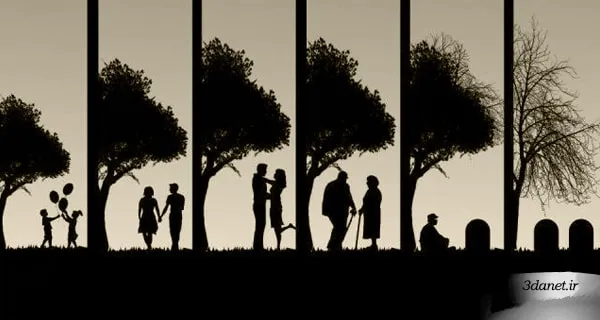
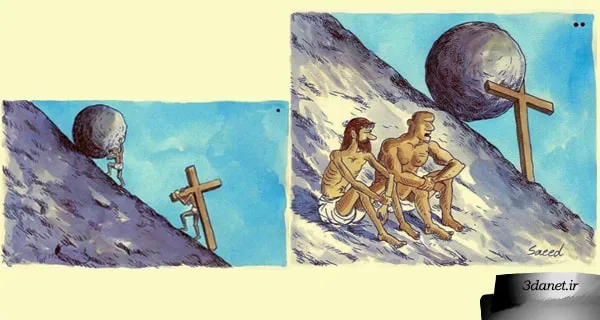
“Death is the problem of the living,” and it is precisely this finitude that gives life its value. Awareness of decay makes moments luminous and drives human beings to create, for immortality is a great affliction.
Seddiq Qotbi:
“Death is the problem of the living; the dead have no problems. Of all the creatures that die on earth, only for humans is dying a problem.”(1)
A- Death Gives Value to Life
One said, “The world would be a delight
If only death’s foot were not in its midst.”
The other said, “If there were no death at all,
The twisting, tangled world would be worth nothing.”
(Masnavi: Book Five)
Yes, it seems to be true. Life’s preciousness is indebted to its brevity. Because we are aware that our time runs out and the opportunity to live comes to an end, we become appreciative of life. We have limited choices before us, so we need to take risks and throw caution to the wind, and this very fact brings about vibrancy and eagerness. If we had infinite time at our disposal, then apparently undertaking any task or choosing any option could be put off until later. We had infinite time, and we could avoid repeating any mistaken choice we had made.
“If they had told me, if I had been assured that I had unlimited time ahead of me, I would never have undertaken anything. Above all, I would have been too tired to even begin wanting to do something, because I ‘also’ had ample time to do other things. There would never have been a choice in what I did, if I did not know that this kind of life would, inevitably, come to an end.”(2)
Sartre wrote in his Notebooks for an Ethics:
“Death is an end, but at the same time it is constitutive of human freedom [...]; if man were immortal, he would then have the possibility of trying out all the possibilities before him [...] He disappears, and this has consequences for his own individuality (the realization of certain possibilities as opposed to the rest) and his own freedom (the risk of choosing some possibilities). Death constitutes freedom and choice, and from this, it constitutes the difference between human beings.”(3)
If there were no death, we would not worry about loss either. When something is not lost, our hearts do not flutter with longing to behold it. (After all, you are always there!) When we reach the awareness that what exists right now will, after a period of time, join non-existence, we behold it greedily and eagerly, we become appreciative of it, and we will derive the utmost pleasure and benefit from its presence.
In the words of Oriana Fallaci, death is love’s great ally, and it is the awareness that my beloved will one day die that makes them so desirable:
“Who says death is ugly? In truth, death is the friend of tired people and the great ally of love. No love in the world will endure if death does not arrive. If I live too long, you will eventually reject me too. But since I will die soon, you will love me forever.”(4)
From this perspective, one can claim that death and the perishability of everything give life its price and allow beauty its chance to emerge. In Sohrab’s words: “Death is responsible for the beauty of a butterfly’s wing.” It has been said that death-awareness makes a person beauty-minded. The allure and attraction of life become visible when we realize it is fleeting.
André Gide has an interesting interpretation. He says the brilliance and luminosity of the stars become apparent against the dark background of night. The darker the background, the more the brilliance of the stars catches the eye. Death is this dark background against which life shines:
“A not very firm thought about death has caused you not to ascribe to the smallest moments of your life the value they deserve. And do you not realize that if each of these moments were not, so to speak, distinctly set against the dark, murky background of death, it could not have such an astonishing brilliance? ... If you only knew, O eternal thought of manifestations, what value the near expectation of death bestows upon every moment!”(5)
André Gide goes further and claims that what is eternal has no allure or fragrance:
«Do you scorn the beautiful land you are passing through and deny yourself its beguiling caresses and tendernesses? Because you know they will soon be taken from you? The swifter the passage, the more covetous your gaze must be; and the more hurried your flight, the more sudden the pressure of your embrace! Why should I, who love this moment, embrace what I know I cannot keep with any less love? O fleeting soul, make haste! Know that the most beautiful flower will wilt before all others. Bend down quickly and breathe its fragrance. The eternal flower has no scent.»(6)
This statement by André Gide resembles a passage from Nima's poem Afsaneh (The Legend), in which he says, with a touch of irony toward the perspective of past poets:
«Hafez! What ruse and lie is this
That speaks from the tongue of wine, cup, and cupbearer?
Lament until eternity, I will not believe
In that love-play which endures
I am in love with that which is fleeting!»
Another property of death-awareness is that it leads us to turn toward creativity, art, and creation. Since our survival is impossible, it is better to leave behind works that serve as our extension. Forough Farrokhzad said in an interview:
«I think that for all those who do artistic work, the reason, or at least one of the reasons, is a kind of unconscious need to confront and resist decay... Artistic work is a kind of effort to remain, or to leave one's 'self' behind, and to negate the meaning of death... It is true that death is one of the laws of nature, but it is only in the face of this law that a person feels humiliation and smallness.»(7)
«Before dying, I must dig my nails into the earth so that when they drag me forcibly across the ground, I will have carved furrows into the earth as a keepsake. Before leaving, I must leave myself behind. If I do not leave something of myself behind today, who in the future will know of my existence in the past? If others do not see my footprints, I am no more. But I do not want to not be. I do not want to have come and gone and done nothing at all. I do not want to be, like most people who come and go and do nothing at all, inconsequential in history. I do not want to be a neutral member of the history of humanity!»(8)
In short, it seems that deathlessness and immortality, as we might initially assume, are not so desirable after all. Immortality apparently renders life flavorless.
Erfan Nazarahari has a short story called The Pain of Immortality. The tale of a seeker in pursuit of the Water of Life and the attainment of immortality, who, in the midst of the search, becomes aware of the «pain of immortality»:
«Every day he climbed the walls of time, and each time he fell, despairing. One day, however, he climbed and climbed and fell no more, and was able to see the other side of the wall. It was then that his eye fell upon Immortality, which was struggling to climb the walls of time. Immortality stretched out its hand toward him imploringly and said: Will you take my hand? Will you take me with you to the other side? Where everything comes to an end?...
Have you ever tasted the pain of immortality?!...
His name was not Alexander, and from then on, he never again sought the Water of Life!»(9)
B- Death Makes Life Insecure
But this coin has another side.
It is true that death, by making life transient and impermanent, draws us into the pull and attractions of its snare, but a property concomitant with death causes the tea of life to lose its taste. The relentless cry of the bells, constantly warning us that sooner or later we must pack up and leave, does not allow us to drink this sherbet with relish. (...In the ear of my soul reaches the cry of departure from the sky/ These cries from front and back, are the cry of departure and the bell...)
From this perspective, what death does to us is rob us of the security of pleasure. The problem is the lack of this «security of pleasure» of which Hafez spoke:
What security of pleasure have I in the beloved's abode, when every moment
The bell cries out: «Bind up the litters!»
It is true, as Lucretius says: “Where I am, death is not; where death is, I am not. Therefore death is nothing to me.”(10)
And Epicurus writes:
“Death is nothing to us, for good and evil lie in sensation, and death destroys sensation… The most terrifying of deaths is nothing to us, for as long as we live, death is not, and when death comes, we are not. Therefore death is nothing, neither to the living, since they are, nor to the dead, since they are not.”(11)
Or as Wittgenstein says: “Death is not an event in life. We do not experience death.”(12)
But the harm that death-awareness inflicts upon our lives is the deprivation of security. In insecurity, one cannot be happy.
Suppose you live in a city under missile bombardment and the coming and going of bomber jets. Every hour you witness the destruction of a house near your place of residence. The sound of explosions fills the air everywhere. In this state and condition, how much can one be carefreely glad and joyful? This anxiety and dread that at any moment, all your joy and delight are in danger of destruction, sours your taste. One cannot say to a person in this situation: now that such constant threats are directed at you, you have a better opportunity to savor beauties!
Or suppose you are strolling down a very picturesque alley, but you are aware that many muggers and robbers are lying in wait for you and might attack you at any moment. Can you still enjoy the attractions of the path with a peaceful mind?
It is very unlikely.
In my opinion, death itself is not terrifying because it is the end of life’s experience; rather, as has been said, by drawing our attention to the limited opportunity for living, it gives life value, worth, and beauty. But our own death, the death of our loved ones and friends, and the death and decay of things and situations we love, also possess an unexpected and surprising quality. No one knows how long their chance of survival lasts, and as Hafez says: “Who will guarantee the cash capital of survival?”
This sudden quality of death and its lurking nature scratches our soul, and of course, “it is always a scratch on the face of feeling.”
Irvin Yalom, in his book Staring at the Sun, says it is necessary to stare directly at the sun of death without blinking.
“Try this thought experiment. Stare straight at the sun; look at your place in existence without blinking… I agree with Thomas Hardy, who says: If there is a way for the better, it requires staring at the worst.”(13)
After quoting La Rochefoucauld’s saying that “One cannot look fixedly at the sun or at death,” Irvin Yalom says: “I do not recommend staring at the sun to anyone, but staring at death is an entirely different matter. The message of this book is a full and unwavering look at death.”(14)
Although this statement is defensible in its entirety, it seems to me that death-awareness always diminishes life’s radiance by robbing it of security and constantly reminding us of the fragility of everything. Sometimes, of course, it is good to look at the sun, but our capacity has its limits, and as Irvin Yalom himself says:
“It is not easy to live every moment fully aware of death. It is just like staring at the sun: one can only endure it for a few moments.”(15)
In my view, just as in daily life one cannot avoid blinking and closing one’s eyes, we are also compelled to adopt this approach in the face of death and perishability. Sometimes we open our eyes and, by contemplating the brevity of life, fuel our appreciation, aesthetic perception, and creativity; and sometimes we close our eyelids and do not allow the insecurity arising from the surprising presence of death and decay to sour our taste and constrict our throats.
Given the dual nature that death possesses, it is more reasonable to say that sorrow and beauty both have their roots in death. Without the tragedy of death, moments would not find their beauty, and on the other hand, death has placed beauties under a constant and anxiety-inducing threat:
«هم تراژدی و هم زیبایی زندگی انسان ریشه در مرگ دارد. بهعلاوه تراژدیِ مرگ منشأ زیبایی زندگی انسان است و بالعکس. اگر چه همان بهتر که ما میرا هستیم، با اینهمه مایهی تأسف است که باید بمیریم. مردن، نقطهی پایانی بیمعناست بر همهی آن دلمشغولیهایی که زندگی ما را شکل میدهد. و با اینهمه بدون این نقطهی پایان بیمعنا، آن دلمشغولیها هیچ معنایی نمیداشت. در این صورت آنها بخشی از یک نمایش گذرای بیپایان میبودند و نمیتوانستند ما را تحت تأثیر قرار دهند. بهعبارتی بدون زیبایی لحظههایی که در این زندگی نصیب ما شده است، مرگ ما تراژدی نمیبود؛ و بدون تراژدی مرگ، این لحظهها هیچ زیبایی نمیداشت. از این لحاظ و نیز از همهی جهات دیگری که مورد بحث قرار گرفت، مرگ عمیقترین و مهمترین واقعیت و واقعهی زندگی ماست. انسان بودن یعنی میرا بودن و مهمتر از هر چیز آگاهی از این میرا بودن در تمام طول زندگی، حتی وقتی که (یا مخصوصاً وقتی که) به هر نحو ممکن از این آگاهی طفره میرویم.»(16)
به قول روباه «انگار همیشه یک جای کار میلنگد!». اگر مرگ نبود، زندگی چیزی کم داشت و به گفتهی سهراب: «اگر مرگ نبود / دست ما در پی چیزی میگشت.» و حالا هم که مرگ هست، احساس میکنیم بر سطح دریاچهای یخزده قدم میزنیم که هر لحظه ممکن است زیر پایمان خالی شود.
انگار مشکل از مرگ نیست. مشکل از نقش خراب و سرشت ناهموار آدمی است. هر جور هم که فکر کنی، باز یک جای کار میلنگید.
.
.
ارجاعات:
1- تنهایی دم مرگ، نوربرت الیاس، ترجمهی امید مهرگان و صالح نجفی،نشر گام نو، 1394.
2- مائدههای زمینی و مائدههای تازه، آندره ژید، ترجمه مهستی بحرینی، نشر نیلوفر، چاپ هفتم، 1394
3- سارتر که مینوشت، بابک احمدی، نشر مرکز، چاپ چهارم، 1390
4- یک مرد، اوریانا فالاچی، ترجمه یغما گلرویی، نشر دارینوش، 1382.
5- مائدههای زمینی، آندره ژید.
6- مائدههای زمینی، آندره ژید.
7- گفتگوی سیروس طاهباز و غلامحسین ساعدی با فروغ فرخزاد، آرش، شماره 8، تابستان 1343.
8- روی ماه خداوند را ببوس، مصطفی مستور، نشر مرکز، چاپ بیست و دوم، 1386.
9- من هشتمین آن هفت نفرم، عرفان نظرآهاری، انتشارات صابرین، چاپ سوم، 1387.
10- خیره به خورشید، اروین یالوم، ترجمه مهدی غبرایی، نیکونشر، چاپ سوم، 1391.
11- فلسفه اپیکور، ژان برن، ترجمه ابوالقاسم پورحسینی، نشر امیرکبیر، چاپ دوم، 1381.
12- ویتگنشتاین و حکمت، مالک حسینی، نشر هرمس، چاپ دوم، 1390.
13 و 14 و 15 خیره به خورشید، اروین یالوم.
16- مرگ، تاد می، ترجمهی رضا علیزاده، نشر گمان، چاپ اول، 1393
.
.
مرگ با زندگی چه میکند؟
نویسنده: صدیق قطبی
.
.
Discussion5 comments
باغچه واقعا دارد می میرد. قلب باغچه چند وقت است که ورم کرده, نه زیرآفتاب بلکه در اثر بیماری. روزی کرم کوچکی داخل پیله ایی خوشحال و سرخوش با کلی برنامه های قشنگ برای آینده اش زندگی می کرد,غافل بودکه قرار است روزی تبدیل به یک پروانه زيبا بشود. ناگهان بانگی برآمد که موقع پروانه شدن رسيده است,تو یک پروانه ایی نه یک کرم کوچک. کرم داخل پیله خیلی تلاش کرد که از پیله خارج شود,اتفاقا خارج شد دیگر حالا تبدیل شده بود به یک پروانه زیبای بهشتی ,که به زودی برمی گردد به جایگاه اصلی خودش در بهشت. اگرپروانه تنهایی و خلوت نداشت و معنای دوست داشتن را نمی دانست ,گوش دلش بازنمی شد که بشنود دلگویه های عقل آبی زودرنج را! آن پروانه نه تنها معنای (بسم الله الرحمن الرحیم )رابافهم پروانگی اش فهمید ,بلکه الان دنبال فهم ((نقطه با)) بسم الله الرحمن الرحیم است.البته امیدواراست تا فرصتی هست و تا زنده است به فهم آن نقطه برسد. و در پایان... در هر وضع و حالی که هستی بنگر, تصميم,قضاوت زودهنگام,اقدام,گفتارت تا چه اندازه با فهم درست و عارفانه نقطه "با" بسم الله الرحمن الرحمن سازگار است. به سراغ من اگر می آیید، پشت هیچستانم. پشت هیچستان جایی است. پشت هیچستان رگ های هوا، پر قاصدهایی است که خبر می آرند، از گل واشده دور ترین بوته خاک. روی شن ها هم، نقش های سم اسبان سواران ظریفی است که صبح به سر تپه معراج شقایق رفتند. پشت هیچستان، چتر خواهش باز است: تا نسیم عطشی در بن برگی بدود، زنگ باران به صدا می آید. آدم اینجا تنهاست و در این تنهایی، سایه نارونی تا ابدیت جاری است. ... به سراغ من اگر می آیید، نرم و آهسته بیایید، مبادا که ترک بر دارد چینی نازک تنهایی من. خدایا ما را ببخش که زود قضاوت نکنیم یکدیگر را,دراین عمر کوتاه.
پروانه به محض لمس شدن میمیرد...
مرگ با زندگی چه می کند؟ خوب معلوم است! هیچ نمی کند. شاعرانگی ی یادداشت نویسنده محترم خواندنی و حظ رسان بود. در عین بی خیالی ژنتیکی به زوال، در هنگامه خواندن دقایقی فکرِ اینکه روزی نیستیم گریبانمان را گرفت. اما به پیر به پیغمبر، همین چند خطی که بلا نسبت فضولی می کنیم تمام شود به تنها چیزی که فکر نخواهیم کرد، مرگ است. نه اینکه بی ادبی کرده باشیم و نخواهیم " قدر دان زندگی" باشیم. نه به جان خودمان. زندگیمان آنقدر مسئله ی آشکار و پنهان دم دستی دارد که مجال فلسفیدن نمی ماند. ما که خدائیش تا یادمان می آید همه ی نشدن ها، نخواستن ها، بی مسئولیتی ها شانه خالی کردن ها.خلاصه برای لاپوشانیِ همه ی بدجنسی هایمان، به خودمان و هم به خواهان ریزو درشتی که شب و روزشان این است که به تیر غیب گرفتار شویم، فردا را حواله می کنیم. آخر مگر می شود با اینهمه پروژه نیمه تمام و آرزوهای محقق نشده، "فرصتمان تمام شود" و مجال زیستن پایان" یابد. ما می بینیم مادر خدا بیامرزمان هر گاه از دست ما عاصی می شد، می گفت :"خدا مرگت بدهد." حالا فهمیدیم از سر ریز شدن عشق مادری بوده. خدا خیر بدهد به اوریانا فالاچی که دل ما را از مادر مان صاف کرد. راستی خودمانیم حالا اگر مرگ نبود و ما مثل خیلی چیزهای دیگر جاودانه می شدیم! چی می شد! جواب این است، هیچی نمی شد. چون حالا که مرگ هست مگر چیزی شده است!؟ همه از ابتدای خلقت به خیر و خوشی زور می گوئیم، سر می بریم، کلاه سر هم می گذاریم، دروغ می گوئیم، لقمه دیگری را از دهانش می قاپیم و به خیک خودمان می تپانیم، جنگ راه می اندازیم و صد البته چشم نخوریم! هشق هم می ورزیم و بلا نسبت اسیران خاک، زندگی می کنیم چون می بینیم مرگ در انتظارمان است.دور ازجان شما انشاا..!
سلام چرا بسیاری از حقایق در دل تراژدی ها پنهان است و انسان را ناگزیز می سازد با رنج ها مواجه شود؟ تشکر استاد.. استفاده بردیم
سپاس از متن خوب و اشارات زیبای شما آقا قطبی، به نظرم نوشته هاتون منبع بسیار خوبیه برای شناخت کتابهای هنر زندگی، سالم و سبز باشید