Philosophy
Truth Close to Life
Truth is valuable only insofar as it serves life and human well-being; otherwise it is as bitter as death. Sometimes concealing the truth to protect people's lives and psyches is more ethical than absolute honesty, and harmless unfounded beliefs can be a source of solace.
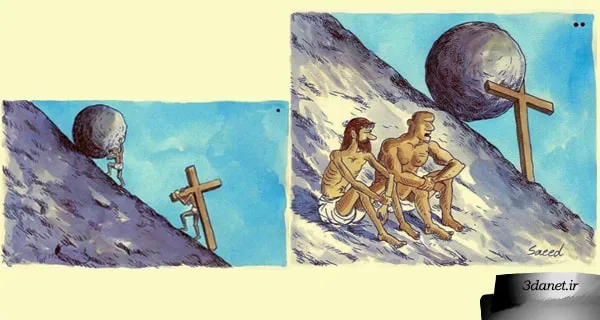
What good is a truth that drains the warmth from life? A truth that is of no use to life belongs to the lineage of death. Like death, it is bitter, and like death, it is something to be fled.
But if we accept that truth is valuable only insofar as it serves life and aids human well-being, have we not given a green light and a general license to all kinds of superstitions?
It seems to me that combating superstitions that do no harm to the believer or to others is entirely unnecessary. Who among us does not base their life on a number of unwarranted and unfounded beliefs? Why should we worry about unfounded yet effective beliefs that serve to soothe an individual's life? Provided, of course, that they are not used as a pretext to harm another or imposed coercively in social relations.
Despite saying that when they conflict, the articulation of truth takes precedence and priority over the reduction of suffering, Professor Mostafa Malekian also emphasizes the wisdom of "What is that to me?".
The wisdom of "What is that to me?" implies that there are many truths in this world which, since they do not pertain to the improvement of my life, are not worth seeking or spending time on.
If truth possessed intrinsic value and were worth seeking and desiring regardless of its consequences for life, it should not be limited by the caveat "What is that to me?".
We might be advised to have all the tragic news of the world brought to our ears and eyes every day; would we accept? Is it not true that the bitter events occurring on earth at every moment are a part of the truth? But why do we dislike being constantly exposed to unpleasant news and truths? What reason is there for this, other than that we do not wish to lose life at the cost of knowing and being informed of truths?
Why, when an angry armed person asks us for the whereabouts of someone whose address we know, do we not tell them the truth? If truth were intrinsically and independently valuable, what reason would there be to make exceptions in such situations and deem lying permissible? Which kind-hearted and noble person would act on Kant's words and, regardless of the consequences of honesty and truth-telling, simply perform the duty of truth-telling? The moral duty that says tell the truth even if the world falls apart, no matter what arguments and evidence support it, will not be acceptable in our practical life; for the sole reason that it does not serve life and human well-being.
Whenever a belief or conviction harms individual or social life, all scientific and philosophical capacities join forces to demonstrate the baselessness of that belief. Yet, as we see, as long as the philosophical assumptions of the empirical sciences are effective in practice, all of us, regardless of the epistemological validity of the basic assumptions of the sciences, accept their recommendations and achievements and put them into action when the time comes. Otherwise, where has it been proven that nature acts uniformly? Where has it been proven that sense perception yields knowledge?
It seems that any philosophical discussion regarding the validity of sense perception is futile and a mere pastime. Suppose we demonstrate in the clearest possible way that sense perception has no validity; as long as people have derived results in life from assuming such validity, why should they pay heed to philosophical investigations?
I suspect that a more or less similar situation prevails in the matter of God, religion, and theology. As long as theism and religious practice help soothe and console the pains of life, philosophical debates and inquiries are a tale for most people's ears. It is only when a version of religiosity imposes itself on others and threatens individual and collective freedom, well-being, and vitality that philosophical questions about the foundations of religion and creed are taken seriously.
If we predict that by giving news of her child's death, an elderly mother will suffer irreparable harm and injury, I have no doubt that our moral intuition dictates that we conceal the truth from her and allow her to continue living in the light of a false belief (that her child is alive).
These examples and instances are sufficient for us to accept that truth, independent of its effect on our well-being, lacks value.
Allow me to pose the question again with an example.
We have a duty to tell the truth and not untruth (truth in the sense of a true proposition).
But does this duty always take precedence when it conflicts with our other duties?
This is precisely the claim of Professor Malekian in his article “The Statement of Truth and the Reduction of Suffering: The Ethical and Tragic Face of Intellectual Life.” Although he acknowledges that “the author, while ‘intuiting’ the priority of the duty to state the truth over the duty to reduce suffering, has no conclusive argument in favor of preferring the statement of truth over the reduction of suffering.”
An example: if you are a guest at a friend’s house and someone who is certain to intend you harm asks your friend whether so-and-so is in their house, it seems unlikely that the honorable friend would uphold the duty to state the truth—assuming, of course, that silence is not an option. For the alternative to telling the truth is not always telling an untruth; sometimes it is silence. But let us suppose that silence, in this situation, does not suffice and that silence itself amounts to an affirmative answer to the malevolent person’s question.
Here, our intuition tells us that we should not tell the truth, but rather conceal it. But why? Why does lying become permissible under these circumstances? That is, situations arise where regard for the human being, their life, and their suffering takes precedence over stating the truth.
One can debate the boundaries—when we cease to be faithful to the duty of stating the truth. But can one doubt the general proposition that the truth always saves?
Christ said: “The truth will set you free” (Gospel of John, chapter 8, verse 32); if so, why does our moral intuition permit lying on certain occasions?
Morteza Mardiha says:
“The search for truth, minus its relation to the sum total of benefit and pleasure, is at best a pastime.” (Psychedelic Philosophies, Ney Publishing)
“If truth brings no benefit to anyone, it is a diversion; especially if it is not even harmful… You see people who want to register a great discovery to the effect that this world is blind and a hellhole, that love is the work of hormones, and that altruism stems from selfishness. You admire their insight and courage, but you ask yourself why they suppose that the more naked reality is, the better. And you suspect that reality’s body should be clothed in a torn garment… One should not think too much, nor strip reality too bare, and even a little forced adornment is not a bad thing.” (From a Facebook note)
Elsewhere he writes:
“People must be constantly encouraged by the more understanding among them, so that while doing less evil to one another, especially very dangerous evils, they offer each other ‘consolation’ regarding this generally bad state of affairs, which arises from the very principle of such a creature’s life in such a world. They should understand that the children of Adam are members of one body, for they are all a herd branded with a single mark: the mark of destiny and confrontation with biological problems, where there is either a need and the distress of being unable to fulfill it; or the struggle to fulfill a need and failing; or succeeding in it and then the boredom that follows its becoming routine. In this calamity, we should console one another, not seize each other by the collar.” (Mehrnameh, issue nine, page 77)
In this way of thinking, the mission of thought is to console, not to wound. It is to apply a salve, not to wield a scalpel. Education and knowledge exist so that we might lighten the burden of life a little and provide a source of consolation for one another. In this view, everything must be in the service of life and the human being. If Christ said, “The Sabbath was made for man, and not man for the Sabbath” (Gospel of Mark, chapter 2, verse 27), one can make a similar claim about thought and philosophy, and hold that philosophizing must be in the service of human well-being. Philosophy must be the servant of life, not a rehearsal for death; it must rehearse life.
In his final moments, Socrates instructs Crito: “I owe a cock to Asclepius. Pay my debt!” For he saw his death as a recovery from the illness of life, and in gratitude for this healing, he had vowed a cock. Socrates considered philosophy a rehearsal for death.
Nietzsche, however, opposes this Socratic view and says: "If only he had remained silent in the last moments of his life—perhaps he would have attained a far higher spiritual station." (The Gay Science, Fragment 340)
What is the mission of thought? To place a magnifying glass upon the issues of life, in such a way that everything charming and delightful is made to appear bitter and ugly? Is the gift of philosophy bitterness? Is philosophy meant to be a salve for the suffering of existence, or salt rubbed into our wounds? What is the use of bold scrutinies and subtleties that only increase pain?
It is no wonder that you possess the miracle of the Messiah,
The wonder is that your patient grows sicker still.
(Iqbal Lahori)
"If you take a magnifying glass and stare at the water we drink... you will see that the water is full of tiny worms invisible to the naked eye. Then you will see the worms and you will not drink the water. And when you do not drink the water, you will die of thirst. Break this magnifying glass, boss, so that the worms instantly vanish and you can drink the water and cool your insides." (Zorba the Greek, Kazantzakis, translated by Mohammad Ghazi)
"There are two kinds of dangerous and harmful people: the first are those who believe in the afterlife and the Day of Judgment, and like the inquisitors, they torture other people to make them detest this 'fleeting worldly life' and be bound for the other abode; and the second are those who believe only in this life... This latter group believes only in this life and looks forward to a vague future society, striving heart and soul lest the common people find solace and comfort in the hope of the afterlife." (Abel and Other Stories, by Miguel de Unamuno; translated by Baha'eddin Khorramshahi)
The thought of Morteza Mardiha and those like him is more faithful to life. To life and to the sufferings of human beings in this mercilessly brief span.
"Keep your eyes on the surface. Do not delve too deeply into the depths. There is no good news there. If fate is playing games with you, play along with it." (Morteza Mardiha, Facebook Notes)
Shams Tabrizi said: "Hold onto any belief that warms you, and shun any belief that leaves you cold." (The Discourses of Shams)
What grace is there in a truth that drains the warmth from life? A truth that is of no use to life belongs to the lineage of death. Bitter like death, and like death, worthy of flight.
"My simple, unprivileged people
They want fresh air!
A bright song, a causeless smile, and
A little truth close to life."
(Seyed Ali Salehi)
The articulation of truth is valuable insofar as it leads to the reduction of suffering.
Life is the principle; truth is the servant.
.
.
Truth Close to Life
Sedigh Ghotbi
.
.



Discussion11 comments
نیازی نبود شما این حقایق رو بگید چون این حقایق به رنج های من افزود چون من دیگه نمیتونم اعتماد کنم که آیا شما حقیقت رو میگید یا مارو فریب میدید و در خرفات رها می کنید که رنج نکشیم
به نظرم ديدگاه "به من چه" ملكيان رو اشتباه متوجه شديد. ديدگاه ايشون اين است كه دانستن يا ندانستن پايتخت پرو در زندگي من "تاثيري" ندارد نه اينكه "بهبود دهنده" است يا نه. حقيقت تا آنجا كه در چگونگي زيستن من و انتخاب هايم موثره اتفاقا ارزش ذاتي داره و پرداختن به اون به من چه ها مانع از دريافتن اين حقايق ميشه. نكته ديگه در مثال پيرزن و مرگ بچه اش؛ گرچه تا جاهاي زيادي قابل دفاعه اما قطعيتي در آن نيست و از كجا معلوم اين خبر تلخ در مجموع زندگي پر معناتري براي او به ارمغان بياره و ضمنا خيلي جاها ما حق نداريم جاي بقيه تصميم بگيريم. همانطور كه طبق بسياري از مكتب هاي اخلاق پزشكي؛ مرگ قريب الوقوع را بايد به بيمار گفت تا خودش براي باقي زندگيش تصميم بگيره. مورد آخر هم اينكه برخي حقايق گرچه شور خيلي چيزها را ميكاهد اما از تلخيشون كم ميكند. مثلا دانستن نقش هورمون ها در عشق تلطيف كننده يك شكست عاشقي است تا عاشق وامانده بداند كه به قول آلن دوباتن كه از شوپنهاور در كتاب تسلي بخشي هاي فلسفي وام ميگيرد صرفاً او نتوانسته به حكم سائقه ي دردناك طبيعتش نوع بشر را تكثير كند و اينطوري دنيايش كمتر به آخر ميرسد و همانطور كه ملكيان ميگويد زندگي فيلسوفانه ايجادكننده يك زندگي ولرم است يا ديهيمي ميگويد فلسفه كه با حقيقت سرو كار دارد رنج هاي زندگي را قابل تحمل ميكند.
عالی بود. ممنون.
با سلام خدمت شما جناب قطبی گرامی؛ من این نظری که الان مطرح می کنم در جایی دیگر هم خدمتتان عرض کردم ولی متاسفانه با اینکه من با بینه روشن این نکات را بیان کردم شما اعتنایی نکردید و نظر خود را اعلام نکردید ولی باز هم آن را تکرار می کنم. لب کلام من اینست که حقیقتی که این بزرگان بیان کرده اند حقایقیست که در حوزه عقاید وجود دارد و آن عقاید عقایدیست که با احساسات و عقاید ما ارتباط دارد(عقاید دو گونه است یک دسته عقایدیست که با از دست دادن آن عقاید، احساسات ما نیز دستخوش تغییر می شود و دسته دیگر عقایدیست که تاثیری در عواطف ما ندارد ) من می خواهم حوزه گیر ودار واقعیت ها با مصلحت ها را به حوزه عقاید تقلیل دهم و من هم گمان می کنم بزرگانی که درین باب سخن گفته اند مدنظرشان درین حوزه بوده. در حوزه عقاید یک مثالی میزنم شما برای خودتان ادله های روشنی می یابید که ذهن و بدن به هیچ عنوان نمی تواند مستقل از یکدیگر عمل کنند و این حجت بر شما تمام شده باشد ولی از طرفی اگر به دوگانه انگاری ذهن و روح اعتقاد داشته باشید احساس لذت بیشتری می کنید زندگی شما هدف دار می شود و متناسب با خواسته های طبیعی و سرشتیتان می توانید زندگی خود را رقم بزنید. حال مساله اساسی اینجا مطرح می شود که کدام را بر گزینید این مساله زمانی اهمیت می یابد که مانند این مثالی که زدم عقاید ما با احساسات ما ارتباطی تنگاتنگ می یابند. ازینجاست که کسانی که گفته اندتقریر حقیقت ارجحست هرچند ممکنست موافق آن نباشیم ولی آن را آنچنان دور از عقل نمی یابیم اما در مورد حوادث بیرونی و عقایدی که با حوادث بیرونی ارتباط می یابند قضیه فرق می کند و در خیلی از جاها اینکه حقیقت را فدا کنی بدیهی به نظر می رسد. چند وقت پیش زندگینامه کانت فیلسوف مشهور آلمانی را می خواندم. خب ایشون قایل به اخلاق وظیفه گرا بودند و دروغ را تحت هیچ شرایطی جایز نمی شمرد (این جزو آندسته از عقایدیست که با حوادث خارجی ارتباط دارد و جزو دسته دوم تقسیم بندی که کردم قرار می گیرد) ولی همین شخصی که سرسختانه برین نظر پای می فشرد مجبور شد تحت شرایطی دست به انکاراتی بزندم. بنابرین تا آنجا که من واکاویده ام و به گفته های بزرگانی چون استاد ملکیان گوش سپرده ام هیچ گاه نگفته اند اگر خون آشامی یقه تو را گرفت و خواست که تو یک دروغی را بگویی آنگاه ازین کار سرباز زن و جان خود را از دست ده
فردا که پیشگاه حقیقت شود معلوم شرمنده رهروی که عمل بر مجاز کرد بقول راسل، حقیقت، الهه ای ست مستور و از دسترس دور، اما می ارزد که عمری را در پی آوازش روان و دوان شویم. شاید حق با مسیح بود که فقط حقیقت، را رهایی بخش میدانست، فراتر از روزمرگی و دروغ های مصلحتی که نهایتا هم منجر میشود به غرقه شدن در باتلاق شیادیهای نهادینه ای و عادت شده. با استخوان لای زخم نمیتوان عمری را لنگیده و انتظار سلامتی و درمان داشت. به تعبیر بسیار زیبای مولوی، روز و شب متناقضا یک حقیقت را میتنند و عاشق آن وهم اگر صادق بود آن مجاز او حقیقت کش شود تا نباشد راست کی باشد دروغ آن دروغ از راست میگیرد فروغ بر امید راست کژ را میخرند زهر در قندی رود آن گه خورند پس مگو کاین جمله دمها باطلند باطلان بر بوی حق دام دلند پس مگو جمله خیال است و ضلال بیحقیقت نیست در عالم خیال توصیه سعدی هم همین ست که براه بادیه رفتن به از نشستن باطل، که گر مراد نیابم بقدر وسع بکوشم. خواجه چرا میدود تشنه درین جویها، گرنه تهی باشدی بیشتر این جویها؟! دوست دارد یار این آشفتگی، کوشش بیهوده به از خفتگی اندر این ره میتراش و میخراش تا دم آخر دمی فارغ مباش تا دم آخر دمی آخر بود که عنایت با تو صاحب سر بود هر چه میکوشند اگر مرد و زن ست گوش و چشم شاه جان بر روزن ست لذا با همه این حرفها شاید لازم باشد که با سعه صدر حافظانه، حتی جنگ هفتاد و دو ملت همه را عذر نهیم، زیرا چون ندیدند حقیقت ره افسانه زدند. چراکه به تعبیر مولانایی، در دل هر امتی از حق مزه ست. و اگر هفصد پرده دارد نور حق، و پردههای نور هم چندین طبق. پس بایستی درهای هستی را کماکان گشوده و هیچ پرونده ای را مختومه نکرده زیرا معلوم نیست که در آینده چه کشفیاتی بدست نسل های بعدی برملا نشود!؟ کسی چه میداند که دور روزگاران را چه شد؟! چه دانیم چه دانیم که ما دوش چه خوردیم که امروز همه روز خمیریم و خماریم مپرسید مپرسید زاحوال حقیقت که ما باده پرستیم، نه پیمانه شماریم چه دانید چه دانید که ما در چه شکاریم؟! بجز مهر بجز عشق دگر تخم نکاریم ...
میخواهید حقیقت را حذف کنید تا به جای آن چیزی به نام مفید بودن را قرار بدهید ، ولی این حقیقت است که مفید بودن را معنا و آنرا تعیین میکند.بچه اسباب بازی را مفید میداند. درضمن، مثالهایی که آورده اید بعضی از واقعیت های مقطعی هستند ونه حقیقت ها.
روزگاری مُفلسی بود در حَـلَب کز کریمان نان و جو کردی طلب روزهـا در کـوی و در بـازارهـا نان طـلب کردی ز مـردم بـارهـا روز در جمـعِ جو و نـان و غلـه شب به ذره می بخوردی زآن همه تا شبـی در نیـمه او شد گرسـنه تَرکِ رختـش گفت و آمد برهـنه شمع روشن کرد تا قوتی خـورد تـا خـروشِ اِشـکمِ خـود بَـردَرَد ناگهان دیـد او سـپاهِ کرم و مـور که به یغما می¬برند خوانش به زور با خود او گفتی که گندم را مَـهِل که به سالی برکـشی اِشکَم به گـل گـندمِ کرم¬آشـیان خُور بهرِ هُـش نـورِ شمـعِ معـرفت را تـو بکُـش گُشنه از«حق» می¬نشد سیر از شکم «حق» بدیـنجا می نَیَـرزَد یـک درم بس حقایق کآن زیان است و هلاک وز کَـرَم پنـهان کـند یـزدان پــاک مرگ را زآن روی پنهان کرده است تا بچَفسی بر حیات ای شیـرِ مست
از مدارا با « خرافه » : « مبارزه باخرافاتی که به فردِ معتقد و یا دیگران آسیبی نمیزنند، هیچ ضرورتی ندارد » ؛ تا پرهیز از نگرش ژرف : « چشم تان را در سطح نگه دارید . زیاد به اعماق تعمق نکنید » ؛ و تا سنجش سودمندی سخن با برآیند عاطفی سخن : « هر اعتقاد که تو را گرم کرد، نگهش دار و هر اعتقاد که تو را سرد کرد از آن دوری کن » !
'Truth' is such a nicely neutral word. Nobody would deny that it is commendable to speak the truth and wicked to tell lies. Nobody would deny that - and yet nobody knows what such an attitude amounts to. … And it is of course not true that we have to follow the truth. Human life is guided by many ideas. Truth is one of them. Freedom and mental independence are others. (Paul Feyerabend)
پیچیدگی های فنی این فلسفه ها شاید برای ورزیدن فکر نافع باشد ، باری نادر است که در عمل و حتی نظر دستگیری کند ، نه اگر چرا افلاطون اگر امروز حشر شود و ، قبل از دیدن جلوه های علمی و فنی جهان نو ، چند کتاب فلسفی از استعلاییان و دازاینیان بخواند ، بسا که همچون اصحاب کهف چنین پندارد که بیش از شبی در خواب نبوده است ؟ یک میزان مهم برای توزین ارزش اندیشه ها این است که از بشر چقدر دست گرفته اند و چقدر راه نموده اند ؛ و این شامل قسمی از فنی گری های فلسفه ی جزبره هم تواند بود . ... باری آری ، شاید بتوان عمری را در فهم و توسعه ی زبان های خصوصی امثال هگل و هایدگر و فوکو و دریدا فرسود و با درک نکات باریک و بعضی دقت های نبوغ آسا ، میل دانشمندی و فیلسوفی را به برخی از آن تشفی داد ، اما این شاید بیشتر به این کار آید که ، چون آن نحوی ، وقتی به کشتی نشستیم دل کشتیبان عامی را بشکنیم . فلسفه های روانگردان / مرتضی مردیها / صفحه ی 266
سپاس مطالب براي من بهره مند بود استاد ملكيان نيز تا حدودي بر همين باور هستند.