Philosophy
Love and Solitude
Love is not a cure for loneliness; it brings its necessity into view and reveals its hidden dimensions. The human being oscillates between the longing to be seen and loved, and the inescapable need for one's own solitude and freedom from the presence of the other.
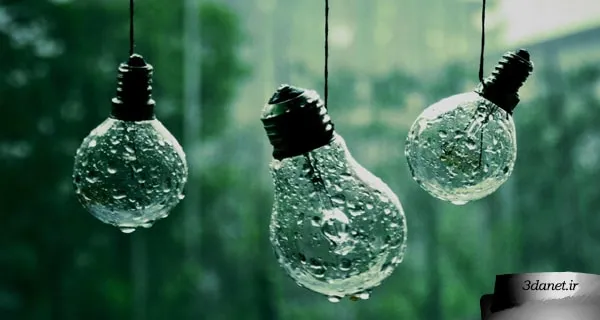
Although love is a balm for solitude and soothes the weariness and helplessness born of running through the desert of loneliness, love itself also brings the necessity of solitude into view. It seems that people who have not spent enough time in seclusion within themselves and have not properly tasted the astringent flavor of loneliness lack the richness needed for a full, loving experience. But this connection is two-way. Love also enables us to discover our solitude, to discover dimensions of the expanse of our loneliness that were previously hidden.
"Contrary to all the people who think one falls in love to fill their loneliness, I think people fall in love to make their loneliness bigger!" (Everyone Says I Love You, Woody Allen)
It is only death that is the remedy for solitude, not love. Love burnishes solitude and makes it barer. The experience of love deepens and broadens our understanding of the meaning of loneliness.
"We cannot overcome loneliness except through death. It is a feeling that makes a person fall in love, and thus time passes… We are prisoners of our own desires… If someone does not gift us love, we are unable to discover this solitude… Solitude is the most beautiful gift someone can bestow upon us… Solitude is given to us along with love and is mistaken for love. Solitude clarifies and purifies our vision. It tells us that our life passes like the wind." (Golden Letters, Christian Bobin)
Love and solitude are profoundly intertwined. We feel lonely both when we are in the thick of a loving experience and when we step out of the warm bath of love, where one cannot dwell forever.
When we are engaged in a loving experience, our state and story is that of a small fish that, alone and without any help, has been caught in a vast sea, and as Sohrab says:
"And think how lonely it is
if a small fish,
is caught in the blue of the boundless sea."
And when we are freed from love, a black loneliness claws at our soul. We realize we were blowing into a soap bubble, and how easily the bubble of our dreams bursts. The profound experience of solitude in confronting the mournful decline of a love.
We see that the one we considered our closest companion no longer feels the heat of our love blazing in their heart. We see that the one whose presence we thought would quench our thirst and make us needless of everything could not fill all the hollows of our soul.
"You will not know true forlornness
without tasting love.
The path leading to great solitude
passes through the crossing of great love."
(Ms. Blaga Dimitrova)
Love does not erase solitude; it reveals it.
We seek refuge in the embrace of love to escape loneliness, and this very love uncovers the hidden and less-seen dimensions of our solitude.
Nevertheless, all human beings somehow need to be "ravished." For someone, something, to distance them from themselves, to snatch them away from themselves. Christian Bobin says: "We all suffer from not having been ravished enough."
Christian Bobin makes delightful references to the human need and longing to be "seen" and "loved":
"I am willing for all my books and my next book to vanish except for this sentence: 'The certainty that one day, someone loved us, even just once, causes the heart to definitively take flight in the light.' Everything may be taken from me, but this sentence is inscribed in me as much as it is in my books." (The Light of the World, translated by Pirouz Sayyar)
«همهی ما تنها در جستجوی یک چیز در زندگی هستیم: که از آن لبریز شویم که بوسهی یک نور را در قلب یخ زدهمان دریافت کنیم، ملایمت عشقی فناناپذیر را تجربه کنیم. زنده بودن یعنی دیده شدن، یعنی ورود به نورِ نگاهی پر محبت: هیچ کس از این قانون مستثنی نیست.»(غیرمنتظره، ترجمهی نگار صدقی، نشرماه ریز)
او اشتیاق به دوست داشته شدن را سبب اصلی کوششهای هنری میداند:
«چرا آدم وقتش را صرف نوشتن کتاب پشت کتاب میکند. چرا نیرو وقتش را صرف کارهای فلسفی و یا هنری میکند. چرا باید از خواب، از عشق، از همه چیز گذشت تا یک کتاب نوشت، باز هم یک کتاب. فلاسفه جواب میدهند: برای روشنایی بخشیدن. شعرا جواب میدهند: برای ملایمت بخشیدن. اما هر چه قدر هم که آنها سریع جواب بدهند، باز هم در برابر جوابی که همیشه وجود داشته، عقب هستند: برای دوست داشته شدن. برای شکوه دوست داشته شدن.»(غیرمنتظره، کریستیان بوبن)
در بیان این ضرورت و تمنا، مولانا با اشاره به این روایت که خداوند آدمی را به شمایل و هیئت خویش آفریده (خَلَقَ آدَمَ عَلی صُوْرَتِهِ) و یک حدیث قدسی مشهور بین عارفان که خداوند گفته است من گنجی ناپیدا بودم که دوست داشتم دیده و شناخته شوم(کُنْتُ کَنْزاً مَخْفِیاً فَاحْبَبْتُ اَنْ اَعْرَفُ)، نتیجه میگیرد که آدمیان همگی بر همین صفت و سیرتاند و دنبال کسانی هستند که «مُظهر» آنان -یعنی عاملِ ظهور و دیدهشدن- باشند.
«آدمیان همه مُظهرِ میطلبند، بسیار زنان باشند که مستور باشند امّا رو باز کنند تا مطلوبی خود را بیازمایند چنانک تو اُستره را بیازمایی و عاشق به معشوق میگوید من نخفتم و نخوردم و چنین شدم و چنان شدم بی تو معنیش این باشد که تو مُظهِر میطلبی مظهر تو منم تا بدو معشوقی فروشی، و همچنین علما و هنرمندان جمله مُظهر میطلبند کُنْتُ کَنْزاً مَخْفِیاً فَاحْبَبْتُ اَنْ اَعْرَفُ، خلق آدم علی صورته اَی علی صوره احکامه، احکام او در همه خلق پیدا شود، زیرا همه ظلّ حقّند و سایه به شخص ماند.»(فیه ما فیه، به تصحیح بدیع الزمان فروزانفر)
سیرابشدن این نیاز و تمنا چنان مسرّتی به همراه دارد که حتی یاد و خاطرهی روابط مهرآمیز و گرمابخش میتواند در ایام تنهایی و بیکسی، حالمان را خوش کند. اپیکور که حضور دوستان را از مهمترین عوامل نیکبختی و سعادت میدید، حتی از یادآوری چنان دوستیها و روابطی در آستانهی رنجآلود مرگش، نسیمهایی جانپرور در مییافت.
در بیماری منتهی به مرگ که در سن ۸۱ سالگی به سراغش آمد این نامه را به ایدومنوس نگاشت:
«در این روز واقعاً خوش زندگیام با وجود این که در آستانهی مرگ هستم، این نامه را برای تو مینویسم. بیماری کبد و معدهی من همچنان برجاست و هیچ از شدت آن کم نشده، اما به رغم اینها قلب من از شادی انباشته است و یادآوری خاطرهی مصاحبت با تو مرا شاد میکند.»(اپیکور، ترجمه رضا صدوقی، به نقل از: فلسفه اجتماعی، انتشارات علمی و فرهنگی)
در داستان شازده کوچولو آمده است:
«چه خوب است که آدم حتی در دم مرگ فراموش نکند که دوستی داشته است.»(شازده کوچولو، ترجمهی محمد قاضی)
به رغم نیاز به گرما، دیده شدن و امنیتی که در روابط مهرآمیز به دست میآوریم، به تناوب و در فواصلی که متناسب با وضعیت روحی هر انسانی است، نیازمند خلوت، وانهادگی و یلگی هستیم. انرژیمان وا میرود و از اینکه مورد مراقبت و تماشا و مهر پیوستهی دیگری هستیم به تنگ میآییم. دلمان میخواهد به خلوت دنجمان بازگردیم و در و پنجره را از داخل ببندیم. در خود فروبرویم و از سنگینی حضور دیگری- هر چند حمایتگر و پُرمهر- کناره بگیریم.
The need for meditation and returning to the quiet, cozy chamber of solitude is a need that stands shoulder to shoulder with love, granting a person the strength and capacity for a renewed return and an opening toward the other. Love is self-forgetfulness and casting anchor on the shore of another; solitude is returning to the heart of the sea of one's own aloneness. Messiah Barzegar has written:
«This is the very nature of love; losing consciousness. Forget yourself sometimes. What harm is there? One should not be monotonous and tedious.
One must always journey from one pole to the other. Traveling enriches life. Otherwise, life becomes wearisome.
Sometimes go from love toward meditation, and sometimes come from meditation toward love. This coming and going dispels your fatigue. Meditation means being alone, and love means being with another.
Meditation means that you are alone, and love means that another also exists.
Meditation is I, I, I. Love is you, you, you. It is good sometimes to ascend from the station of I to the station of you. This journey fills and renews you.» (The Bird Dies, the Flight Remains, Messiah Barzegar, Zehn-Aviz Publications)
Those who avoid forming a closed relationship are, in fact, worried about losing forever the possibility of taking refuge for long periods in a self-willed seclusion, as their existential need demands. Christian Bobin says:
«Because of the deep attachment I have to solitude, I have never lived as a couple. What disheartens so many couples is a disrespect for the other's inherent solitude. I have never shared my life except with companions who, in this regard, have been models of consideration: a gentle water scattered in the air, a plant leaning on its elbow in a window, and a mirror.» (Weariness, translated by Pirouz Sayyar, Agah Publications)
The exquisite expression Sohrab Sepehri used in this context is "solitude running out of breath." He says whenever we have remained in our solitude so long that solitude itself runs out of breath and grows weary of itself, we once again open the window of our house to the other and call out to one another:
«Let us stay with ourselves and water our inner being, and shine in our own sky, and expand our self. And if solitude runs out of breath, let us open the door. And call out to one another.» (Still on a Journey, notes of Sohrab Sepehri, edited by Paridokht Sepehri)
Love and solitude need each other. Love reveals to us the undiscovered dimensions of our solitude, soothes our weariness of being with ourselves, and fulfills our need and longing to be seen and to find warmth. On the other hand, it seems that one who has dived deeper in solitude and meditation will also possess greater agility and skill in the waters of love, and will find the possibility of experiencing deeper dimensions. The periodic return to the seclusion of solitude, sitting with oneself, and closing the door to the other, will provide the necessary breath and fitting freshness for a deeper opening and a more profound attention to the other.
Erich Fromm says: «The ability to be alone is the condition for the ability to love.» (The Art of Loving, translated by Poori Soltani) Irvin Yalom writes: «If we cannot embrace our own solitude, we will use the other as a shield against isolation. Only when one can live like a hawk—with no need for the presence of another—will one be capable of loving.» (When Nietzsche Wept, translated by Sepideh Habib)
Success in love requires awareness of this crucial fact: human solitude has no remedy. It can fade, but it cannot be erased. Awareness of the dimensions and expanse of this solitude, as well as its indestructibility, is a necessary condition for success in love. Understanding the existential condition of the human being in the sphere of life and the solitude that never leaves him for a moment and walks shoulder to shoulder with him until death… and not only understanding, awareness, and wakefulness to this truth, but also accepting, coming to terms with, and even loving this unchangeable condition brings a kind of spiritual maturity and ripeness to the individual.
Iran Darroudi, the renowned Iranian artist, writes: "The first time love came to me, I claimed ownership of the world and considered everything and everyone to belong to me. Today, emptied of selfishness and possessiveness, I look upon life with a loving gaze; of all that exists, I own only my solitude, and humbly I declare the absence of my presence. This is the order of love: being no one." (In the Distance Between Two Points, Iran Darroudi, Ney Publishing)
We go toward love to forget ourselves, and we return to solitude to find ourselves. Sometimes we miss ourselves and, in harmony with the poet, say:
I miss myself, yes
I was always unaware of my own state
(Mohammad Ali Bahmani)
And sometimes we become weary and disgusted with ourselves, and the stagnant, closed atmosphere of our solitude becomes suffocating, and we empathize with Shams Tabrizi:
"I wanted someone of my own kind, to make him my qibla, and turn my face toward him, for I had grown weary of myself—do you understand what I mean when I say I had grown weary of myself?" (Discourses of Shams); our heart desires a journey. A journey that distances us from ourselves:
Come, take me, O love, with you on a journey
Take me from myself and carry me away from myself
(Qeysar Aminpour)
Love is the need for the excitement and freshness of a trip you embark on out of eagerness to see new landscapes, and solitude is the longing to return to the comfortable, carefree seclusion of your own home.
.
.
Love and Solitude
Author: Seddiq Qotbi
.
.


Discussion13 comments
جناب قطبی عزیز گویا جنابعالی در تفسیراشعار سهراب سپهری تخصص دارید. سوالی که همیشه در ذهن من وجود داشته است ،این است که سهراب با این همه عشق به طبیعت وخدا چرا هیچ وقت عاشق هیچ دختر و یا زنی نشد؟!به نظرشماچه مشکلی وجودداشت؟
هیچ مشکلی وجودنداشت. زیادی درشعروشاعری غرق بود. برای عاشق کردن یک دختر باید راه و روش بلدباشی
آیا کسی از جهت گیری سهراب خبر دارد؟ شاید علاقه ای به جنس مخالف نداشته. تعجب می کنم که شما پیش فرض را این گونه گرفته اید.
خوشا به حالت فنچ که آزاد از قفسی....
چرا هیچ وقت رابعه عدویه پاسخ وصال به حسن بصری نداد؟ مگر نه اینکه حسن بصری یک عارف بود. به نظرم رابعه به عشقی بالاتر از حسن بصری رسیده بود. در واقع وارد عالم وحدت شده بود،حسن بصری برایش کثرت ودلبستگی به دنیا بود. رابعه ترجیح داد در عالم وحدت (مست می عشق)باشد. تنهایی وسکوت در روی زمین برایش دلنشین تر بود.
جناب قطبی به شما تبریک می گویم ،جنابعالی روح بسیار زیبا و توحیدی دارید. من از خواندن مطالب شما لذت می برم. موفق و پاینده باشید.
فضولی بنده رو ببخشید. یه جایی توی متن اسم یه شاعر رو نوشته بودین "خانم بلاگا دیمیترو". یعنی وقتی شاعر مذکر نباشه لازمه قبل از اسمش "خانم" بنویسیم؟ یعنی لازم نیست به جای مثلا "آندره ژید" بنویسیم "آقای آندره ژید"؟ چرا؟ این القاب به چه کاری میاد؟
بهتر است به جای این ایرادگرفتن های بیهوده و وقت گیر به محتوای متن توجه شود.
جانا سخن از زبان ما ميگويى عالى بود .. ممنون
عالی بود ....
خیلی خوب بود ...
مرگ چاره تنهایی است؟ به باور من حتی مرگ ما را از تنهایی نمی رهاند. شاید مرگ سرآغاز تنهایی در گستره ای عظیم تر و جاودنه باشد. تنهایی این جهان گویا تمرینی است برای تنهایی از جنسی دیگر در جهانی بس مهیب تر و متفاوت تر
باخود بمانیم و خویشتن را پهنا دهیم ... دربگشاییم و صدا بزنیم تنهایی چاره ناپذیر است چنانکه مرگ را گریزی نیست...