Religion
In Pursuit of Beauty
Since God is beautiful and loves beauty, the love of beauty is love of God. But experiencing it requires slowing down in life and cultivating inner silence, so that the dust of the mind may settle and the subtleties of the world become visible.
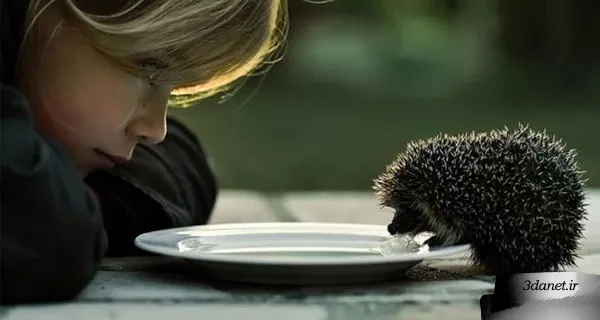
In Pursuit of Beauty, Seddiq Qotbi:
“No eye stared lovingly at the earth.
No one was captivated by the sight of a garden.
No one took a crow at the edge of a field seriously.”
(Sohrab Sepehri)
.
God is Beauty
When you become beautiful, know that you will reach the Beautiful,
Who delivers the soul from loneliness (Masnavi: Book Six)
In a hadith from the Prophet of Islam (PBUH), it is stated that God is beautiful and loves beauty: “Indeed, God is beautiful and loves beauty” (narrated by Muslim). He said this to a man who was worried that paying attention to beautiful clothes and shoes was a form of arrogance. Rejecting his concern, the Prophet of Islam praised this spirit and interest, and considered the attention to beauty beloved by God. If God is beautiful and loves beauty, the more beauties we discover and experience, the more beloved we become to God. If God is Beautiful and the Creator of beauty, the more we perceive the beauties of existence and the world, the closer we become to Him. If God is a lover of beauty, the more we strive in the representation of beauty and artistic creation, the more worthy we will be of His love.
It is stated in the Quran that livestock have benefits for you; among them, they are your means of transportation and also a source of beauty, and you derive visual pleasure from seeing them: “And the grazing livestock He has created for you; in them is warmth and [numerous] benefits, and from them you eat. And for you in them is [an aspect of] beauty when you bring them in [for the evening] and when you send them out [to pasture]” (An-Nahl: 5-6).
When beautiful, swift horses passed before the Prophet Solomon (AS), he became absorbed in watching them and said they remind me of God. When the horses go to their resting place, Solomon is still eager and delighted and wants to watch them again, saying bring the horses back. This time, he is not content with just seeing and strokes and touches their necks and legs: “When, at eventide, well-bred horses were displayed before him, he said, ‘Indeed, I have loved the love of [this] good [thing] over the remembrance of my Lord,’ until they were hidden by the veil [of distance]. [He said], ‘Return them to me,’ and he began to pass [his hand] over [their] legs and necks” (Sad: 31-33).
If God is Beautiful and a lover of beauty, the love of beauty is the love of God. To seek beauty and experience it as much as possible, one can consider certain points, a few of which are mentioned below.
.
Pass by More Slowly
The experience of beauty requires slowness. When you pass by life and existence quickly, you cannot discover and experience the subtleties and graces of the world. Today, we have a far more accelerated life than in the past, and we lack the patience and mood for lingering and slowly sitting down to watch. When we hurry in observing life and existence, we may pass by more manifestations of beauty, but we derive less enjoyment. In the story of The Little Prince, it is written: “The little prince said: ‘The people on your planet grow five thousand roses in one garden... and they do not find what they are looking for in them... And yet what they are seeking could be found in a single rose or in a little water... But the eyes are blind. One must search with the heart.’” (1)
The beauty slumbering in a single flower branch is enough to overflow with beauty, and in the words of Hatef Esfahani:
If you split the heart of every atom,
you will behold a sun within it.
Sohrab Sepehri said that beholding an apple and smelling a chamomile bush made him bloom with passion and joy:
“Wherever there is a leaf, my passion blossoms
I am content with an apple
and with smelling a chamomile bush.”
Today we rush from city to city, from one spectacle to another pleasure ground. From this slope to that shore, from this coast to that desert. Our gaze is hungry and greedy; yet the more we run, the less we grasp. Sepehri said: “When you reach a tree, stay and behold! Beholding will carry you to the sky.”(2)
And in his interpretation, art emerges where a person can no longer contain the fullness of beholding beauty:
“When you journey into the mystery of beauties, midway, you cannot bear your fullness, you return to speak of what you have seen along the way: and art comes into being...”(3)
Our haste prevents us from floating in beauty. A soaring moment of beauty is like this:
“There are also things;
soaring moments
for instance, I saw a poetess
so lost in beholding space that in her eyes
the sky laid eggs.” (Sohrab Sepehri)
.
Be Still and Stir No Dust
The experience of beauty requires silence and meditation. The more we prattle and the more our mind and psyche are agitated and scattered, the more deprived we are of receiving beauty. The mystics’ interpretation is that prattling and mental agitation fill your spirit with dust, and this dust prevents you from beholding beauty. Shams Tabrizi said: “Be silent so that you may find a way; for speech stirs up dust.”(4)
When you reach our alley, silence is our nature
For from our speech and talk, dust arises (Ghazals of Shams)
When can you behold the clarity of a stream? See the beautiful fish swimming in it? When the water is not muddy. How does muddy water become clear? Through silence and meditation. When we do not disturb it and let the mud and silt settle. Excessive flailing and being incapable of meditation, solitude, and focus is the enemy of beauty.
It is stated in the Quran: “وَإِذَا قُرِئَ الْقُرْآنُ فَاسْتَمِعُواْ لَهُ وَأَنصِتُواْ لَعَلَّکمْ تُرْحَمُونَ”; “And when the Quran is recited, listen to it and be silent; perhaps you will receive mercy.” (Al-A'raf: 204)
That is, silence and listening are the cause of attracting God’s mercy.
Patience and silence attract mercy
And this seeking of signs is the mark of wisdom
Accept “ansitu” (be silent) so that upon your soul
May come from the Beloved the reward of “ansitu” (Masnavi: Book Three)
If we are lovers of beauty, we must also be lovers of silence and meditation. Focusing and beholding life and the world in deep silence is a requirement of the path. We must rescue our mind and heart from the dust of scattered thoughts and the onslaught of misplaced emotions, and adorn the house of the heart. Beauty is the opening of the soul’s doors toward existence and becoming one with it. Christian Bobin speaks of this longing for oneness with beauty thus: “I can be a silent spectator of beauty. If it accepts me, I go into its embrace and become one with it: this unsettles me, like a lamb that the shepherd suddenly draws into his arms.”(5)
Rabindranath Tagore says:
“My heart, be still and
stir no dust
Let the world find its way to you.”
.
If You Sit in Majnun’s Eyes
Goethe composed a line for Schopenhauer: “If you wish to enjoy life, you must value the world.” When we are in conflict and contention with ourselves and with life, we will be deprived of seeing the beauties the world offers us.
The experience of beauty requires love. You have seen how fathers and mothers, who love their little children, dote on them so much! What delight they take in watching them! Because they love them, they perceive their delicacy, charm, and sweetness perfectly. Someone who sits apart and indifferent feels no delight upon seeing that child. They do not see much beauty in him. Because they do not have a loving gaze. The spiritual sages said that to see beauty, you must be in love with life and existence.
Sohrab Sepehri said: “Beautiful means the amorous interpretation of forms.” When we look at phenomena lovingly, beauty finds meaning. The amorous gaze is a gaze that does not seek possession or profit. In true contemplation, absence from the self and one’s own interests is necessary:
“We cannot see well, unless we do not seek our own interests in what we see”(6)
The tale of Layla and Majnun has been, for deep-thinking spiritual seekers, a valuable touchstone for expressing aesthetic truths. Layla appeared very beautiful in Majnun’s eyes; but others saw her as ordinary. They had not sat in Majnun’s eyes and did not look at Layla affectionately and lovingly. Sa‘di said: “You must look upon Layla’s beauty through the window of Majnun’s eyes for the secret of his contemplation to be revealed to you”(7). In response to Harun al-Rashid’s astonishment and doubt upon meeting her, Layla says: “I am Layla, but you are not Majnun! The eye that is in Majnun’s head is not in your head. Look at me with Majnun’s gaze. The beloved is beheld with the lover’s gaze.”(8)
The Caliph said to Layla, “Are you the one
For whom Majnun became distraught and lost?
You are not more than other beauties.”
She said, “Be silent, since you are not Majnun.” (Masnavi: Book One)
If you wish her to be sugar to you,
Then behold her through the eyes of her lovers. (Masnavi: Book Four)
‘Ayn al-Quzat Hamadani wrote: “O dear one! One must have the quality of Majnun to be able to lose one’s soul upon hearing Layla’s name; the indifferent one has neither fear of nor news of Layla’s love! And he who is not a lover of Layla, that which is incumbent upon Majnun’s path is not incumbent upon him. Not everyone has that eye to see Layla’s beauty and become a lover of Layla, until he finds that eye to become a lover of Layla, and this love itself is a necessity.”(9)
.
The Poppy’s Hearth Warmed Me
Encountering beauty is indebted to a deep attention, coupled with presence of heart, to details. If we pass by life superficially, we will not become prey to beauty. Those who see beauty, through deep attention and sincere regard for the smallest components of existence, have been able to find an ocean in a drop.
Sohrab Sepehri became so bewildered and captivated by the beauty of life that he says: “Life is not empty: there is kindness; there are apples; there is faith. Yes, as long as the poppy exists, one must live.” Or on a bitterly cold day, a poppy becomes a warming hearth for him:
“And once, in the Kashan desert, the sky clouded over
and a heavy rain fell
and I grew cold, then behind a rock,
the poppy’s hearth warmed me!”
Forugh Farrokhzad says: “The lineage of the blood of flowers has committed me to living.”
For us to develop such a precise and contemplative gaze that, amidst the chaos of life and the clamor of the world, we can see small beauties and be delighted, requires "presence of heart" and living in the "here and now." Being fully present in the current moment is a spirit we possessed in childhood and later lost. Christian Bobin says: "If there is wisdom for me, it consists of the art of being fully present, with immeasurable and sustained attention. That is why children fascinate me; because of their talent for being fully present, in the pure present tense. I have a deep understanding with them"(10)
Children can be entertained for a long time by grains of sand and play with the tiny waves that wash onto the shore. They can walk hand in hand with the breeze and feel the soft kisses of snowflakes and raindrops on their innocent faces. Aldous Huxley said: "True genius is to have a childlike spirit in adulthood."
Due to the lack of "being fully present," we are often deprived of this experience and precious gift. When we are floating in the "pool of the now," things enchant us that others consider very ordinary. André Gide said: "Nathanaël, I wish every excitement could become an intoxication for you. If what you eat does not intoxicate you, it is because your hunger was not as great as it should have been."(11)
Let us see what delights John McDonald in our tumultuous world:
"In a world
so full of turmoil
the delicate feet of a sparrow" (translated by Masoumeh Fakhraei)
or how Bijan Jalali feels happiness on a snowy day:
"What bliss it is
when snow is falling
to know that
the birds' bodies are warm."
.
Eyes Must Be Washed
Goethe said: "Wonder is the highest feeling a human can have, and if the simplest phenomena of life amaze him, blessed is he. Nothing can be higher or more sublime than that"(12)
Gershom Scholem (German philosopher and historian) says: "If humanity loses the feeling that there is a secret, a mystery in the world, then it is all over for all of us."(13)
Being amazed, astonished, and delighted is among the fruits of encountering beauty. Beauty bestows wonder and amazement. But what makes the encounter with beauty difficult is the disease of habituation or, in Sohrab's words, "the dust of habit." He says: "The dust of habit constantly lies in the path of watching."
If we cannot wash our eyes and find a fresh gaze, and be reborn every day the sun rises, how will we come face to face with beauty? When the dust of habit is swept aside and we find a fresh gaze, many things that were conventionally considered ugly will appear beautiful to our eyes:
"I do not know why they say:
the horse is a noble animal, the dove is beautiful?
And why is there no vulture in anyone's cage?
In what way is the clover flower less than the red tulip?
Eyes must be washed;
One must see differently" (Sohrab Sepehri)
Sohrab Sepehri said:
"Life is not something to be forgotten by you and me on the shelf of habit."
Habit is a shelf where life rots and is forgotten.
.
At the Tips of the Cactus Thorns
"No,
do not always look for rain and spring and chamomile
to fall in love!
Sometimes,
At the tip of a cactus’s thorns
you come upon a bud
that sets the moon upon your lips." (Garous Abdolmalekian)
Encountering beauty is impossible with a fault-finding eye. An eye that, in facing anything, first highlights and cries out the flaws and shortcomings, remains deprived of the experience of beauty. It is related that Jesus (peace be upon him) passed by a dead dog with his disciples. They said, "What a stench this is." Jesus (peace be upon him) said, "How beautiful is the whiteness of its teeth" (14)
Jesus, with a gaze immune to fault-finding, was able to see the white, beautiful teeth of a dead dog. Nezami says: if the blackness of the crow’s body seems ugly to your eye, look at the whiteness of its eyes; and if the peacock’s feet do not enchant you, its feathers are dazzling!
In everything there is art and there is flaw
See not the flaw, so you may grasp the art
In the peacock’s feather, which is golden-bodied,
where is the reproach of its foot fitting?
The crow, whose whole body has turned black,
has a white eye; cast your gaze upon it (Makhzan al-Asrar)
In our world, of course, there is death and machine guns and bullets, and they wreak injustice. They should not be ignored, and it is necessary to strive to eliminate ugliness; but if we stare only at conflicts, hostilities, and enmities, we lose our share of beauty. Amidst all these crookednesses and untruths, one can pause in the poetry of Garous Abdolmalekian:
"Forget
the machine gun
death
and think of the tale of a bee
that in the middle of a minefield
is searching for a flower branch."
.
Time is Short
O spark, be not heedless of companions
Our time, too, is but a single breath (Bidel Dehlavi)
It is the transience and impermanence of phenomena that arouses our attention and regard for the allure of their beauty. Sohrab Sepehri used to say: "Death is responsible for the prettiness of the butterfly’s wing." That is, it is the presence of death and the threat of non-existence that makes the prettiness of the butterfly’s wings visible. When we realize we have but little time, we plunge greedily and thirstily into the waters of beauty. And in the words of Rabindranath Tagore, it is the fountain of death that gives the still water of life its beautiful ripples and folds:
"The fountain of death
makes the still water of life
ripple and fold." (15)
André Gide says:
"Do you scorn the beautiful land you pass through and deny yourself its caresses and seductive charms? Because you know they will soon be taken from you? The swifter the passage, the more covetous your gaze must be; and the hastier your flight, the more sudden the pressure of your embrace! Why should I, who love this moment, knowing I cannot keep it, embrace it with any less love? O fleeting soul, make haste! Know that the most beautiful flower will wither soonest. Bend down quickly and breathe its fragrance. The eternal flower has no scent.
A not-so-firm thought about death has caused you not to grant the smallest moments of your life the value they deserve. And do you not realize that if each of these moments were not, so to speak, distinctly set against the dark, gloomy background of death, it could not have such a wondrous brilliance?
Ah! If you only knew, O earth, so old and yet so young, if you only knew what a bitter and sweet taste, what a delightful taste, the very short life of a human being has!
If you only knew, O eternal thought of manifestations, what value the near expectation of death bestows upon each moment!" (16)
«هوس مَن» وقتی توجه میکند که چیزی حدود پنجاه بهار را بیشتر تجربه نخواهد کرد، با اشتیاق بیشتری به تماشای درخت گیلاس میشتابد:
«گیلاس، این خوشترین و زیباترین درخت ها
اکنون با شاخههای پرشکوه در کنار راه جنگلی ایستاده
و به خاطر ایام مقدس ایستِر، رستاخیز مسیح، جامهی سپید بر تن کرده است
و از هفتاد سال عمری که مرا نصیب تواند بود
اینک بیست سال گذشته است که دیگر هیچ چیز باز نخواهد گشت
و چون بیست از هفتاد بدر آید
بیش از پنجاه سال نخواهد ماند
و چه فرصت ناچیزی است پنجاه بهار
برای تماشای(اعجاز) شکفتنها
پس با شتاب تمام به جنگل میروم
تا درختان گیلاس را
که از شکوفه گویی برف بر آنها باریده است
تماشا کنم.»(۱۷)
==
ارجاعات:
۱. شازده کوچولو، آنتوان دو سنتاگزوپری، ترجمه محمد قاضی، شرکت سهامی کتابهای جیبی، چاپ شانزدهم، ١٣٨٠ ۲و۳. هنوز در سفرم: شعرها و یادداشتهای منتشر نشدهی سهراب سپهری، به کوشش پریدخت سپهری، نشر فرزان، چاپ هشتم، ۱۳۸۸ ۴. خمی از شراب ربّانی: گزیدهی مقالات شمس، انتخاب و توضیح محمد علی موحد، نشر سخن، چاپ دوم، ۱۳۸۸ ۵. نور جهان، کریستین بوبن، ترجمهی پیروز سیار، نشر آگه، ۱۳۸۵ ۶. رستاخیز، کریستین بوبن، ترجمه سیروس خزائلی، نشر صدای معاصر، چاپ دوم، ۱۳۸۸ ۷. گلستان سعدی، باب پنجم، انتشارات ققنوس، تصحیح محمدعلی فروغی، چاپ نوزدهم، ۱۳۸۶ ۸. خمی از شراب ربّانی: گزیدهی مقالات شمس ۹. خاصیت آینگی، گزیدهی آثار عین القضات همدانی، نجیب مایل هروی، نشر نی، چاپ دوم، ۱۳۸۹ ۱۰. نور جهان، کریستین بوبن ۱۱. مائدههای زمینی و مائدههای تازه، آندره ژید، ترجمه مهستی بحرینی، انتشارات نیلوفر، چاپ ششم، ۱۳۹۰ ۱۲. انسان در جستجوی خویشتن، رولو مِی، ترجمه دکتر سید مهدی ثریا، نشر دانژه، چاپ دوم، ۱۳۸۹ ۱۳. نیایش: پژوهشی در تاریخ و روانشناسی دین، فریدریش هایلر؛ ترجمهی شهابالدین عباسی، نشر نی، ۱۳۹۲ ۱۴. کیمیای سعادت، محمد غزّالی، به کوشش حسین خدیو جم، انتشارات علمی و فرهنگی، ۱۳۶۱ ۱۵. ماه نو و مرغان آواره، رابیندرانات تاگور، ترجمه ع. پاشایی، نشر ثالث، چاپ اول، ۱۳۸۹ ۱۶. مائدههای زمینی، آندرهژید ۱۷. کیمیا، دفتری در ادبیات و هنر و عرفان(۵)، به اهتمام دکتر حسین الهی قمشهای و سید احمد بهشتی شیرازی، انتشارات روزنه، چاپ اول



Discussion6 comments
آیااصالت با عشق است یازیبایی؟ زیبایی وعشق هميشه باهم هستند.هرکجازیبایی است عشق است و هرکجاعشق است زیبایی است.این دو دریک وحدت باهم هستند.ولی یک مسئله اينجامطرح میشود. آیاعشق و زیبایی بدون معرفت و آگاهی وعقل امکان پذیراست؟به نظرمن هرگز... شمااگرعشق یک عاشق راخواسته باشید که اندازه بگیرید بایدببینید که عقل و معرفتش چقدراست؟ یعنی درواقع زیبایی و عشق و معرفت یک مثلث است وسه جنبه ازیک حقيقت . درداستان یوسف وزلیخا:وقتی که زلیخابایوسف خلوت کردودرهارابست که البته برخی عرفا می گويند, درهای نفسانیت رابست و اینجاست که خلوص و پاکی آشکارمیشود.یعنی جدال بین عقل و عشق و زیبایی بود. دراین جدال چه کسی برنده واقعی بود؟یوسف صدیق وپاکدامن. یوسف براساس عقل و معرفت برنده شد. عشق بدون عقل و معرفت=غریزه یوسف به میقات جاودانه خدارسید.آنجایی که مملو ازپاکی,خلوص,عشق,زیبایی وعقل ومعرفت است. به امیدروزی که به آن میقات برسیم,البته فکرمی کنم که آنجا همان "اللهم الرزقنی مرافقه الانبياء فی مقعد صدق عند ملیک مقتدر" باشد.
بیان زیبایهای خود زیباست و قلمی که به زیباییهای رهنمون کند زیباتر است.
با سلام و تشکراز نگاه پراحساستان و لحظهای نگریستن با چشمانی دیگر
شولم یهودی, اگر به رفیقش بنیامین خوب دقت میکرد که نشان داد هنر هم بی هاله, ادامه پیدا کرد, میفهمید بی رازی در جهان زیستن, سخت نیست, اگر خود راز خود شوی... رازی حتی حقیر, که گوشه دنیا کشاورزی کنی و غرق کلماتی شوی که تنها کیخواهند راز و اسطوره را از جهان بگیرند و مسیانیسم و امید, برایشان همین لحظه است که میرود تا بشوی خوده مرگ
استاد عزیز، سپاس از نظر مهرآیین و ملاحظات گهربارتان. جانتان آکنده از زیبایی و چشمتان آراسته به تازهبینی
مرسی صدیق جان قشنگ بود به قشنگی جریان هستی آری بودن ونبودنها بیرون ازذهن ما قرار دارند اما خوب وبدها وزیباوزشتها درذهن ما هستندباری مشترکات ذهنی مارابه جایگاهی میرسانند راهزنانه امررامشتبه میکنند ودربادی کار خیال مکنیم زیبا آن است که همه زیبا میدانند وزشت آن ان ست که همه زشت میدانند اما غافل ازان که مفترقات ما تا ته تا تاها تابینهایت به اندازه ی گوناگونیهای ماست پس وا ن تعدوا نعمه الله لا تحصوها ازینرو انچنان فرموده ایدهرکس سهمی بل بینهایت سهم ازدیدن باجریان هستی داریم هرلحظه هرجا وهرمکان باهمه خلق خدا زیبا باشیم یاهو