Philosophy
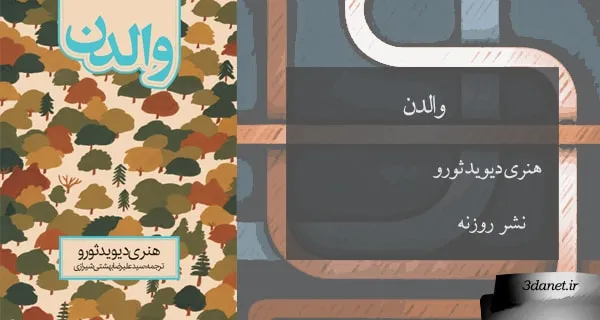
Introducing Walden by Henry David Thoreau, by Ali Ghazalifar
In Walden, Thoreau recounts his lived experience in nature and regards inventions as toys that divert attention from serious matters. The book is an invitation to a deeper life, away from artificial clamor.
Introducing Walden by Henry David Thoreau, by Ali Ghazalifar
No Better Book Than This Falls into Anyone's Hands
Sometimes self-restraint in the face of a book is very difficult; because we lose our mastery and are completely disarmed before the profound and transcendent glory of that book. The great English poet, Wystan Hugh Auden (1907-1973), says: "An important book is one that reads us, and not the other way around." Sometimes a book appears that reads a person, plows their consciousness, and excavates down to the depths of their soul. At times, by reading a book, a person sheds their skin, and one of the layers of life is cast aside before their eyes. Good books usually illuminate, but some set ablaze and burn. A good book does not merely engage a person's mind, but swallows all dimensions of their being. It even detonates their emotions. Excitements erupt from the core of a person's being like a roaring volcano, one's feelings reach the peak of expansion, and tear apart the boundaries of their world. All these events occur just by reading only a few pages. After all, how good can a book be?! A book that is so effective and shocking makes one suspect that perhaps it has a soul? Perhaps!
Out of thousands upon thousands of books, only one turns out like this; a book that has been cast from the ocean of the soul onto this barren shore. Few can descend into the depths of the soul and the world and return with full hands; because the basement of the world's soul is situated above human minds, and the ceiling of humanity's mind is the dust of the threshold of the courtyard of inner realms. John Milton (1608-1674) says: "A good book is the precious life-blood of a master spirit, embalmed and treasured up on purpose to a life beyond life." Some books possess things that human spirits have been seeking from distant and unknown pasts. This book, too, fills one of the ancient and vast voids of the soul. A thirsty soul devours it particle by particle. And within it, a person finds one of the eternal kin of their own soul and finds peace. Now it can truly be said that something genuinely new has stepped into the world. Every great event that has emerged from the heart of the universe leaves its footprint in this world in written form. The great soul writes.
Emerson (1803-1882) said: "If a man can write a better book, preach a better sermon, or make a better mouse-trap than his neighbor, though he build his house in the woods, the world will make a beaten path to his door." His younger friend and companion, Henry David Thoreau (1817-1862), is the perfect embodiment of the literal and figurative meaning of such a statement. He – who, in his own words, "returned from the funeral of mankind to immerse himself in nature" – lived for more than two years in the woods beside Walden Pond, wrote a book of the same title, and offered humanity a collection of the finest and most exquisite counsels; a book whose every single sentence shines like pieces of gold, and the whole of which is an immense fortune and a great treasure. Through his life and writings, he showed people a new way and method of living. He lived what he thought and wrote down his lived experience; something exceedingly rare, for as Kant (1724-1804) said: "[Unfortunately] today, anyone who lives according to what they teach is considered a dreamer." One who is wearied by a trembling life on a thin crust can immerse themselves in Walden; indeed, drown themselves in it and suffocate, so as to draw a breath.
We sometimes become so accustomed to a particular way of life that we not only consider it natural, but also imagine that life itself is nothing other than this. But perhaps the greatest mistake we make in life is equating one way of life with life itself. The reality is that no way of life is natural; it is merely a choice, an artificial product of the mind and a human construct. Yet despite this situation, occasionally individuals emerge who startle us and remind us of the essence of life; they remind us that what we have undertaken is only one of thousands of paths one can take in life. And most importantly, that there are better paths to be trodden. But we—each and every one of us—forget all of them through amusement and delight in the interesting and attractive gadgets and tools we bring into our lives, and we fail to notice that, as Thoreau says, "Our inventions are wont to be pretty toys, which distract our attention from serious things. They are but improved means to an unimproved end, an end which it was already but too easy to arrive at."
The path of life narrows for us day by day, and we lose the thousands of forms and ways of life that could have been chosen. In the midst of this, the inner aspects of the human being and the spiritual dimensions of life are particularly forgotten. Truly, what do people hope to achieve by cluttering life and cluttering within life? The vast majority of people seek a place or position in the future where they can find settlement and peace. But no one seeks to attain a state within themselves right now in which they can find calm and repose. Who can, like Thoreau, cry out to all humanity: "I wanted to live deep and suck out all the marrow of life, to live so sturdily and Spartan-like as to put to rout all that was not life... and I love my fate to the very core and rind." The truth of the human being in this world dissolves and disintegrates into motion and multiplicity, unless one plunges headlong into the inner essence of the universe.
Our next affliction is overlooking the details of life; passing by all of them swiftly and without reflection. But what is life if not these simple, small details?! What is the sound of the great waves of the sea roaring, but the sum of the tiny, insignificant sounds of small drops of water?! In this work of his, Thoreau offers us not only insights into life, but also profoundly deep and dazzling insights into the seemingly mundane details of life: food, clothing, cooking, bathing, freedom, solitude, corn and potatoes, plants, animals, people, baking bread, earth and sky, work, money and wealth, poverty, rugs, houses, study, nature, days and nights, weather, beans, the seasons, tools and implements, civilization, technology, the city, the village, and many other things small and large; like mountains and ants.
This work is not a book among other books. It is not an artificial product cultivated in a hothouse within a library. This text has sprouted from the heart of life itself; a completely natural product with a distinct and highly distinguished flavor. It is the kind of book that "add a new aspect to the face of things for us. How many people have begun a new era in their lives by reading a book! Perhaps there exists a book for us that articulates the miracle that has occurred in our lives and reveals new aspects of the miracle to us." "Walden" must also be considered an instance of this very statement by Thoreau, and we should not delay in turning to it. The author himself warns in this regard: "Read the best books first, or you may not have a chance to read them at all."
Reading these works has a beginning without end. A good book is never finished; not in the sense that it is read many times—which it is—but in the sense that it is planted in one's soul, takes root, grows, flourishes, and bears fruit. A good book is a boundless gate opening onto an infinite horizon, and reading it is only one of the ways one can dwell within it. Works of this kind make one exceedingly demanding. Someone who merely tastes such a piece of writing will no longer have any appetite for other writings; neither an appetite for reading another piece, nor an appetite for writing in any other way. Of course, not everyone who reads books can write books, but they can write something about the books they have read. A good book causes the reader's deep feelings and moods to be secreted. And they, in turn, scatter a little of the secretions of their feelings and moods, crystallized in the form of droplets of words, onto paper. A good book compels its readers to write something about it. One who cannot write a good book can put pen to paper about good books, and writing about good books is a part of those books themselves and a participation in the horizon that has dawned upon us. Thus, that boundless gate remains open to us.
.
.
Introducing Walden by Henry David Thoreau, by Ali Ghazalifar
The book Walden by Henry David Thoreau, translated by Seyed Alireza Beheshti Shirazi, has been published by Rowzaneh Publications.
.
.








.webp)

Discussion13 comments
سرکار خانم امینی ارجمند، سلام عرض میکنم. کامنت شما نسبتا جدید است، نسبت به حضور قبلی من در این صفحه. با کمال معذرت، پیام شما را امروز چهارم بهمن ۱۴۰۳ است که دارم میبینم. من فقط به سراغ اثر ارجمندِ والدن رفتم (و نه طبیعتِ جناب امرسون) و ۸۰ صفحه از آن را ترجمه کردم. امادر عینِ تاسف، کارهای دیگری، بنا به فوریتهای اجتماعیِ زمانه و زمینهی ویران ما پیش آمد که رهایش کردم. و به جای آن کاری از سیمون وی (برچیدن همه احزاب)، و دو کار از گاندی (سارودایا با دو جلد و خودگردانی روستایی)و نیز خروج از درماندگی روحی را انجام دادم. (برای اطلاع بیشتر نک: کانال تلگرامی گاه فرست غلامعلی کشانی) امیدوارم دو ترجمهی موجود بتوانند نیاز خوانندگانِ مشتاق را تامین کنند. مخصوصا که ویرایش چندبارهی تازهی جناب بهشتی از ترجمهی قبلیشان هم منتشر شده. اگر عمری باقی باشد و فوریتهای روزگار کمتر بشود، وظیفهی والدن را تکمیل میکنم. با احترام.
از همۀ ارباب فضل پوزش می خواهم. ولی ترجمۀ فارسی والدن اثر برجسته ثورو را نپسندیدم. برگردان فارسی بسیار فرودست تر از متن اصلی بود و به ترجمۀ ضعیفی از اثری قوی می مانست. باز هم پوزش می خواهم
خانم سیمای گرامی چرا پوزش می خواهید. بنده که پیشتر به مطالعۀ کتاب ارجمند والدن پرداخته بودم وقتی شنیدم برگردان فارسی آن منتشر شده بی درنگ رفتم و نسخه ای از این ترجمۀ کذایی خریدم. در راه برگشت به خانه بی معطلی شروع به خواندن کردم و وقتی به خانه رسیدم بسیار مأیوس شده بودم. ترجمه ای ضعیف با نثر سست در واقع نوعی بی حرمتی به نویسندۀ عالیقدر کتاب بود. آرزو داشتم که با نثری به برازندگی قلم جناب کشانی در ترجمۀ رسالۀ نافرمانی مدنی روبرو می شدم که چنین نشد! با احترام
سلام و سپاس بابت معرفی کتاب «والدن». ضمناً دو نکته را باید خاطر نشان کنم. اول آنکه کتاب والدن با وجود سخنان نغزی که جای جای آن را آراسته است شاید به دلیل غرابت سبک نوشتار گاه مطولش برای خوانندۀ امروزین تا حدی "ملال آور" جلوه کند. ای کاش گزیده گویی آن به اختصار در یک نوشتار جداگانه گرد آورده شود. دوم آنکه کوشش ارزندۀ مترجم فارسی کتاب را باید ارج نهاد، ولی این ترجمه گاه در حد برگردانی تحت اللفظی گنگ و نامفهوم است، و پانوشت های گاهگیر و احیاناً کم دقت مترجم نیز کمکی به رفع این کاستی نکرده است. کسی چون جناب غزالی فر را می طلبد که یک بار دیگر ترجمۀ نه چندان موفق را بازبینی و ویرایش کنند.
ضمن عرض سلام و احترام ترجمه جناب دکتر طاق دره از این کتاب را هم ببینید خالی از لطف نیست!
به به! جناب آقای غزالی فر قلم را لغزانده اید و ذهن و زبان ما را رقصانده اید. درود!
من دو سال پیش بود که درمورد این کتاب خوندم و واقعا تشنه داشتن و خوندنش شدم اما متاسفانه ترجمه نشده بود، اسمشو روی کاغذ نوشتم زدم به کتابخونم که پیداش کنم و واااقعا خوشحالم که می بینم ترجمش اومده، انقدر ذوق زده ام که دارم میرم نمایشگاه کتاب پیداش کنم. امیدوارم غرفه نشر روزنه تو نمایشگاه کتاب داشته باشدش.
جناب غزالی فر عزیز، نوشته ی رشک برانگیز شما در معرفی کتاب " والدن " خود یک شاهکار ادبی است. من ان را هر روز دارم می خوانم تا وقتی که تک تک جملان حفظم شود. درود بر شما. عبدالمحمد دلخواه مترجم " الگوی عشق "
با سلام. از نظر اين حقير همه بزرگاني مثل : ثورو ، ويتمن ، هاثورن ، متأثر و تحت نظر بزرگي بنام " رالف والدو امرسون " هستند. امرسون است كه نظريه تعالي گرايي و خود را بشكل يك شاهكاري هنري در آوردن را تدوين و مطرح كرد ؛ اوست كه موجب شد امثال ثورو و ويتمن ... به اين سطح برتر زندگي دست پيدا كنند. ولي متأسفانه هنوز ما ايرانيان از خواندن آثار امرسون محروم هستيم.
جناب آقای سپهر، سلام و درود، فرمایش تان صحیح است. در همه ی موارد، انسان ها تاثیر می پذیرند و تاثیر می گذارند و در عین حال، انسان های برجسته، هویت مستقل و متفاوت خود را نسبت به اسلاف و اخلاف فکری، بارز می کنند. در این مورد خاص، ثورو و ویتمن از معلم خود امرسون، بسیار آموخته اند و در عین حال، نقش خود را زده اند. جای آن است کسانی آستین بالا بزنند و امرسون را هم، به دقت و با درستی، به فرهنگ سرزمین مان معرفی کنند. امرسون در سر گور ساده ی ثورو، با حسرت و غبطه، چنین می گوید: «او آزادترین انسان شهرش بود؛ آزادی اش چنان بود که سایر مردمان در مقایسه با او، بردگانی بیش نبودند» با احترام، کمترین
آقای غزالی فر درود بر شما به سهم خود که خواننده ی نوشته تان هستم، از معرفیِ این اثر ارزشمند برای مخاطبان تان بسیار سپاس گزاری می کنم. کاش که اندیشه ی جاری در این کتاب بتواند در جامعه ی ما ظهور و بروز عملی پیدا کند. امیدوارم متن فارسی این کتاب، اندیشه ی درخشان هنری دیوید ثورو را به شایستگی توانسته باشد به مردم ایران معرفی کند.
از توجه حضرتعالی بسیار سپاسگزارم. بنده بسیار بیشتر از شما تشکر میکنم؛ زیرا در واقع آشنایی خودم را با ثورو وامدار ترجمه های بسیار خوبتان هستم. پیش از این نیز ترجمه خوب حضرتعالی از رساله نافرمانی مدنی را در سایتی دیگر معرفی کرده ام: http://alef.ir/vdcawunei49nwu1.k5k4.html?30txt
درود جناب کشانی عزیز می شه لطفن بفرمایید ترجمه دو تا کتاب “ طبیعت “ و “ والدن “ کی منتشر می شوند ؟