Art
Lantouri and Avoiding the Motive–Action Fallacy
The film Lantouri follows the tension between forgiveness and retribution through the character of Maryam. But does a forgiveness advocate's retreat from her own conviction invalidate the principle of forgiveness itself? An analysis of the motive-act fallacy shows that the theoretical foundations of forgiveness are independent of individual emotions and capacities.
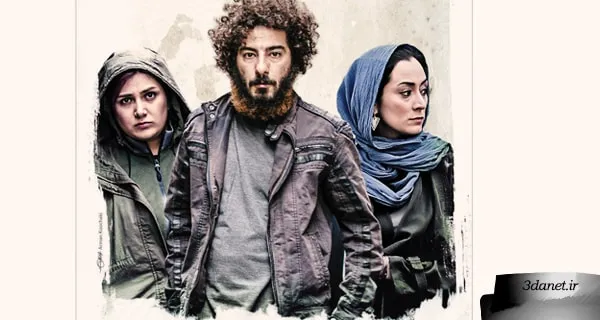
In the story of Lantouri, the character Maryam, who is an advocate of “forgiveness and consent” as opposed to “retribution and revenge,” is, through the writer’s sleight of hand, afflicted with an injury that causes her forgiveness-nurturing and consent-seeking belief to waver and be disregarded. Of course, this wavering and inner turmoil of Maryam, and the tension that is likely unfolding in her conscience, remains hidden from the viewer’s—your and my—sight. The audience only sees the outward manifestation of this contradiction on the screen, namely that Maryam, contrary to all her beliefs that had earned the spectator’s admiration, decides to pursue retribution. Throughout the story, we see several sequences of Maryam’s efforts, in each of which she tries to obtain consent from the victims’ families. She puts forward arguments that, in a reduced and perhaps inadequate manner, recount the ineffectiveness of punishment in reducing crime—and I wish this part had been more developed in the film. The discussion of the extent to which punishment is effective in reducing crime, and the radical idea that punishment, in the manner of underdeveloped societies, is more effective in increasing crime and criminality than reducing it, belongs, of course, to the newly established modern social sciences. Alongside these discussions, thinkers in the field of the philosophy of law in particular, and moral philosophy, believe that punishing the criminal is eliminating the problem rather than solving it. And if we are precise and fair, we will see that numerous factors hand in hand drive a person onto the path of error and the commission of a crime, and punishment only exacts retribution from the last link in the chain of crime. It seems to me that the fact that the criminal is the final link in the chain of crime and criminality arising from multiple factors is alone enough to make one reflect: is punishment inherently logical? Is it fair? Moreover, by punishing the criminal, not only does he suffer harm (which, according to some, he deserves), but the criminal’s dependents, relatives, and family will also certainly suffer psychological and even financial and economic damages. Is it justifiable that the mother or siblings of the criminal should bear such a penalty? (I had read an anecdote in Saadi’s Golestan concerning this very issue, which shows that this matter has occupied the minds of the aware and the wise for centuries). Let us move on. What I wish to conclude is neither an endorsement of forgiveness nor a prohibition of punishment. If the film Lantouri had ended with the retribution of the acid-attacker, could one conclude that all of Maryam’s slogans in rejecting revenge and retribution were hollow? Does the mere fact that the advocate of “forgiveness” herself reneges on forgiving and pardoning and decides on revenge indicate the weakness of the theoretical foundations of her beliefs? Can we conclude that, citing the phrase “only the brother of a dead brother knows the grief of a dead brother,” we have no right to stand outside the arena and preach forgiveness? In my view, the answer to the above questions is: No! Let us bridge from here to a common fallacy that is ingrained in most of us and is known as the conflation of motive and action. That someone recommends forgiveness to the avenger of blood or to an injured and wronged person has nothing to do with their own capacity for pardon and forgiveness in similar circumstances. Forgiving and pardoning have robust philosophical and theoretical foundations that have no connection or relevance to the personal temperaments and emotions of human beings. These two operate in separate phases, and conflating them leads to fallacy. Fortunately, in the final sequence of the film, Maryam decides to forgive, but apparently not based on her previous arguments. Rather, in her own words, the only thing left for her was this very “forgiveness.” It seems that with this act, she pulled up the remnants of herself and created another Maryam for herself. But are not the remnants of every human being the deep-rooted beliefs in their conscience? Although Maryam, after forgiving the criminal, makes no reference to her former slogans and does not resort to reason and argument, the sharp-eyed audience will understand that those slogans were not mere hot air, but had taken root in Maryam’s being and borne fruit, and this is the only thing that, in her view, remains in her bag for continuing life. The Maryam of the final sequence is a clear example of a human being who has an “authentic life” (I have borrowed the term authentic life from Mostafa Malekian) and aligns her behavior with her own view. Even if she had not done so, not a particle of doubt would have been cast on the correctness of her slogans and reasons regarding the preference of forgiveness over retribution.
.
.
Lantouri and Avoiding the Motive–Action Fallacy
Author: Amirhossein Pourfarrokh
.
.


Discussion10 comments
این مطلب حقیقتا و انصافا در حد یک مشق شب بود. اگر چنین مطالبی را چاپ میکنید و این یک مطلب تصادفی نبوده است، بفرمایید من هم چرکنویس هایم را برایتان ارسال کنم برای انتشار.
سلام جناب طاها امیدوارم نقدتون رو بخونم به این نوشته . خوشحال میشم کاستی ها رو آشکار کنید. ادعایی ندارم که این نوشته قدر و منزلتی بیش از چرکنویس های شما داشته باشه ولی آنچه نوشتید نقدی به محتوی نبود . ممنونم
سلام بر مسئولان سایت صدانت به ویژه جناب رضا ایرانمنش. می خواستم خواهش کنم اگر ممکن است بخش فلسفه ذهن سایت را کمی فعال تر کنید و فلسفه فیزیک و فلسفه زیست شناسی را نیز به سایت اضافه نمایید. با تشکر بسیار
بله به نظرم الان موضوع روشن تر شد. اینکه در واقع مظلوم و یا مصدوم با این پرسش در تلاش است شرایط گوینده را در کلام او دخیل کند و از این طریق کلام به درستی تحلیل نمی شود و صحت و یا سقم آن روشن نمی گردد و این مهم از نادرستی این کلام قابل درک است که:"در صورتی ادعای تو مبنی بر رجحان بخشش بر قصاص مقبول است که تو در جایگاه مظلوم و مصدوم باشی". مطمئن نیستم اما فکر می کنم خلط مفاهیم "نظری" و "عملی" در این موضوع درک تحلیلات را قدری دشوار می سازد بدان جهت که درخواست مظلوم نزدیک به "عمل" است و تلاش ما در "نظر" آوردن آن و تحلیل از طرایق نظریست. با تشکر و سپاس فراوان.
لطفا واژه ي "دو" پيش از كلمه ي جايگاه رو ويرايش كنيد به "در" سپاس
با عرض سلام. بسیار متشکرم از پاسختان.به عقیده ی بنده علت انفصال من قال از ما قال این است که شنونده یا خواننده در آزادی کامل به تحلیل کلام بپردازد و به درستی یا نادرستی آن پی ببرد به طوریکه گوینده یا نویسنده در تحلیل کلام بی تاثیر باشد و بند و گره تازه ای را نیافزاید. اما در موضوع مورد بحث نگاه به گوینده و تقاضای قرار دادن خود در جایگاه دیگری، از شنونده سلب آزادی نمیکند و از دیدگاه بنده مغالطه ای در کار نیست. بسیار سپاس گزارم اگر خطایی در کلام اینجانب است متذکر شوید. با سپاس.
درود مجدد خانم هما ممنون كه با پيگيري ، كاستيهاي بحث رو آشكار مي كنيد و دست كم بنده رو وا مي داريد به تامل بيشتر و توضيح بهتر و احيانا دريافت خطا. ببينيد ، ازين خطاب : "تو اگر خودت جاي مصدوم بودي حاضر به بخشش بودي ؟" تا آنچه شما سلب آزادي مخاطب عنوان كرديد راه زيادي نيست ، به اين صورت كه معناي مستتر در آن خطاب كذايي چنين وجهي دارد : " در صورتي ادعاي تو مبني بر رجحان بخشش بر قصاص مقبول است كه تو دو جايگاه مظلوم و مصدوم باشي ." يعني اينكه تو كه باشي و در چه شرايطي باشي مدخليت دارد در صدق يا كذب ادعايت . و اين به زعم حقير مغالطه ست .
سلام. ممنون بابت این مطلب. به نظرم این بخش از کلام ایشان درست نیست چنانکه گویی لب کلام ایشان هم همین بود. "اینکه کسی ، به ولیِ دم یا مصدوم و مظلومی توصیه می کند به بخشش ، ربطی به تواناییِ خود او در بخشایش و گذشت در موارد مشابه ندارد." لااقل نیاز به توضیحات بیشتر دارد . با تشکر از زحماتتان.
درود برشما دقيقا لب كلام حقير همين است كه فرموديد. و اگر اين بخش از نوشته به نظر شما درست نيست منطقا كل نوشته را درست نمي دانيد ، و البته متوجه نشدم دليل درست نبودنِ اين بخش را . لطف شماست اگر توضيح مختصري پيرو نقدتان بفرماييد . خلاصه عرض كنم كه غرض از نوشته بازگويي همان تفكيك قديميِ "ما قال" از "من قال" است و اصرار بنده بر اين است كه اين دو انفصال منطقي دارند و نبايد با هم خلط شوند .اين عبارت را در نظر بگيريد : بخشش رجحان دارد بر قصاص . شما يا مي پذيريد يا رد مي كنيد ولي حق نداريد در پاسخ بگوييد : اگر خودت جاي ولي دم يا مظلوم يا مصدوم بودي مي بخشيدي ؟ اين نحوه ي برخورد كه اتفاقا نظير آنرا در مشاجره ي دكتر الستي و باران كوثري ديديم از نظر بنده مصداق مغالطه ست و خطا . اميدوارم منظور متن را آشكار تر كرده باشم .
اینکه این بحث انگیزه و انگیخته، مغالطه است یا نه؟بر سرش بحث است.