Philosophy
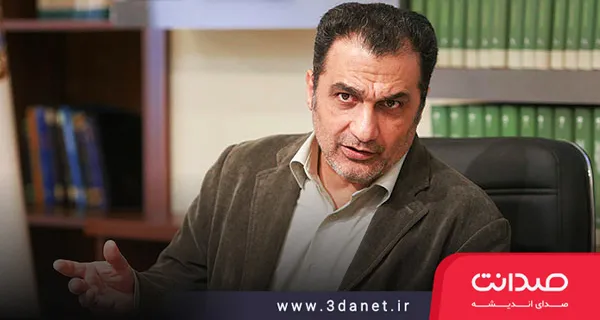
Lecture by Dr. Hamid Talebzadeh: “What Are the Humanities?”
Establishing Islamic humanities requires understanding the formative elements of both pre-modern and modern humanities, not merely attempting to reform them; a report on Hamid Talebzadeh's lecture at the 'Human World, Islamic Wisdom' conference.
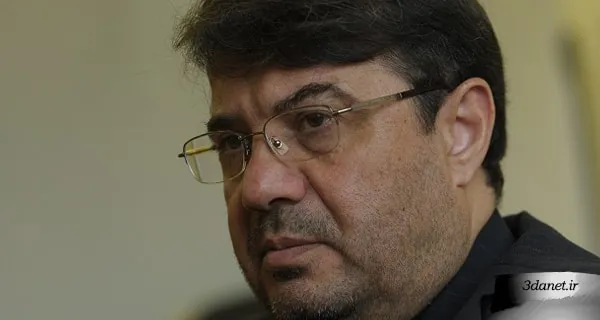
If we wish to bring about a transformation in the social sciences, we must pay attention to those principal components that exist in both the old humanities and the modern humanities. That is, if we want to make use of our own Islamic wisdom and engage in establishing Islamic humanities, which pertains to us, we must be aware of what kind of components shape the humanities, and we must create transformation with regard to them.
The object is imprisoned in time. From Kant onward, the essential attribute of the object is time. After Feuerbach, Weber and other thinkers, including Foucault, emerge. Foucault critiques them all, ushers the social sciences into a new era, and speaks of the end of the humanities. If we wish to bring about a transformation in the social sciences, we must pay attention to those principal components that exist in both the old humanities and the modern humanities. That is, if we want to make use of our own Islamic wisdom and engage in establishing Islamic humanities, which pertains to us, we must be aware of what kind of components shape the humanities, and we must create transformation with regard to them, and not think that those humanities can be transformed; rather, we must think in such a way that, while preserving the authenticity of our own thought, we become familiar with the mechanism by which human science can take shape.
.
.
Audio of the Lecture "What Are the Humanities?"
Download from Server One | Download from Server Two
.
.
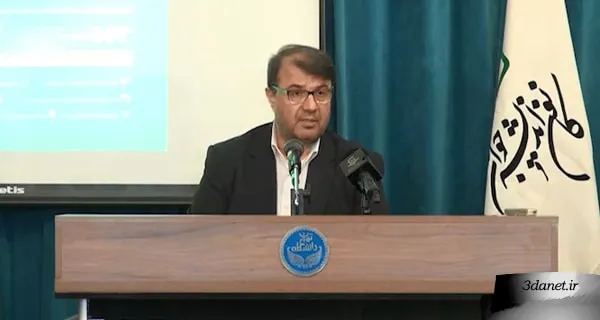
This lecture was delivered on 13 Bahman 1393 (February 2, 2015), at the "Human World, Islamic Wisdom" conference, at the Faculty of Literature and Humanities, University of Tehran, organized by the Young Thought Center and the Islamic Philosophy Working Group of the Ishraq Institute.
What Are the Humanities?; Hamid Talebzadeh, 13/11/1393, Faculty of Literature, University of Tehran
.
.

Discussion0 comments
No comments yet; let yours be the first voice.