Philosophy
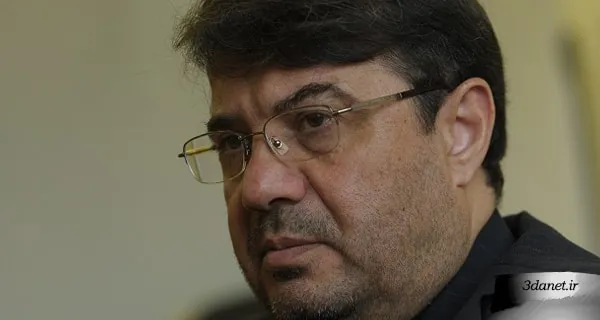
Lectures on Research Methods in the Humanities by Ahmad Pakatchi
Ahmad Pakatchi's lecture series examines research skills in the humanities through the lens of how knowledge production methods differ between the ancient and modern worlds. It explores obstacles, stages, and various analytical, comparative, and historical methods, with a focus on the historical approach.
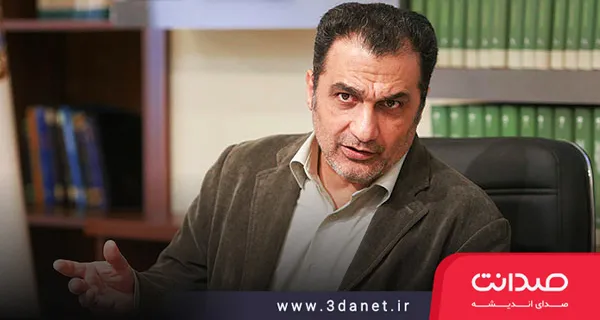
By research method is meant the teaching and learning of skills and experiences that make the goals of inquiry and research attainable. In accordance with the evolution of fields of knowledge, these skills and experiences have also transformed and developed. The question of method is today one of the central and pivotal issues in the humanities, and its scope expands by the day.
The following lecture series comprises lessons by Professor Dr. Ahmad Pakatchi delivered in 2013 at Imam Sadiq University. In this series of lessons, the difference between the method of knowledge production in the ancient world and the modern world is first addressed, and research method in its modern sense is identified. The next discussion concerns the obstacles that stand in the way of scientific research and, more importantly, the ways to overcome them. The stages of a scientific research project and the construction of a correct model form the subsequent discussion. Finally, the focus turns to the research method itself, and its types—namely analytical, comparative, and historical—are examined. Throughout, the greatest emphasis and elaboration pertains to the historical method. These lessons were presented for students of Islamic philosophy and theology, but the instructor's mastery of various aspects of the humanities has filled them with points and subtleties that are valuable and beneficial for all humanities students.
.
.
.
.

Discussion0 comments
No comments yet; let yours be the first voice.