Conversation
Iran from the Perspective of Acemoglu and Robinson; A Conversation with Ali Sarzaeem
This conversation explores Ali Sarzaeem's reading of Acemoglu and Robinson's ideas on the economic origins of dictatorship and democracy. The program focuses on the relationship between institutions, political power, development, and the situation in Iran.
About this video
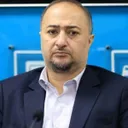
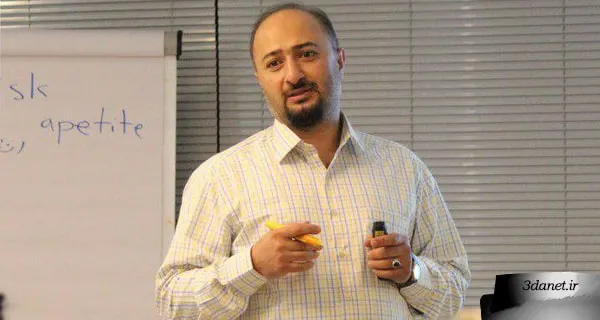
In this episode of the Sustainable Iran series, Ali Sarzaeem, an economist and one of the translators of the book "Economic Origins of Dictatorship and Democracy," discusses Iran from the perspective of Daron Acemoglu and James Robinson. This conversation follows the eighth episode of "The Narrative of Iran" and focuses on applying the theoretical framework of these two thinkers to understand Iran's issues.
The book "Economic Origins of Dictatorship and Democracy" seeks to show that the transition to democracy or the persistence of dictatorship is not merely the result of culture or individual will, but is linked to the distribution of power, economic interests, conflict among social groups, and the quality of political and economic institutions. In this program, this framework is used to analyze the situation in Iran and the question of the possibility of institutional reform and political development.
The significance of this conversation lies in bringing the theoretical discussion of democracy, dictatorship, and development closer to the issue of Iran. The audience is confronted with the question of how, through political economy and institutional theory, a more precise understanding of the obstacles to and possibilities for transformation in Iran can be achieved.