Religion
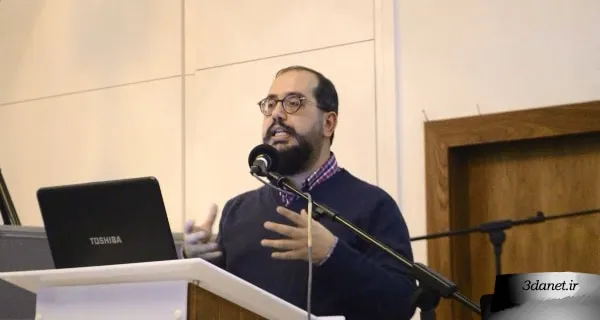
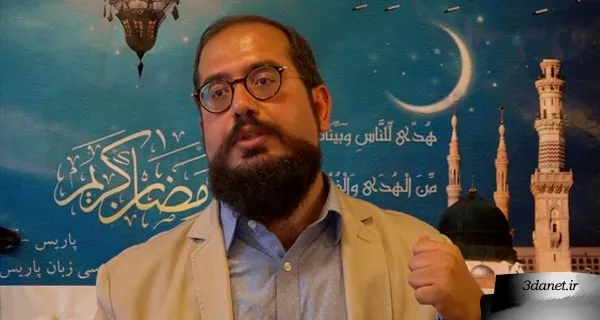
Lecture by Yaser Mirdamadi: “Is Human Life Sacred?”
Yaser Mirdamadi critiques the 'sanctity of life' argument in abortion and euthanasia from the perspective of apophatic theology. On this basis, inherent sanctity belongs exclusively to God, and humans become sacred only through cultivating virtues; therefore, applying this argument is problematic.
One of the arguments in bioethics against abortion and euthanasia is the “sanctity of life” argument. According to this argument, because (human) life is inherently sacred — precisely because it is a divine gift — the principle is that taking the life of an infant (abortion) or a patient (euthanasia) is morally impermissible, unless other moral considerations intervene to alter the judgment. In this lecture, Yaser Mirdamadi critiques this argument not from a secular perspective but from the standpoint of apophatic theology. By distinguishing between two meanings of sanctity (inherent sanctity and acquired sanctity), he argues that from the perspective of apophatic theology, inherent sanctity is reserved solely for God, and humans possess sanctity only insofar as they have the potential to cultivate virtues. Mirdamadi concludes that an apophatic conception of the sanctity of life makes the use of the sanctity-of-life argument in bioethics difficult (if not impossible). In the Q&A section, he addresses objections and ambiguities.
Is Life Sacred? Sanctity of Life Arguments in (Muslim) Bioethics, an apophatic appraisal
S. Yaser Mirdamadi’s presentation (https://www.hawzaondemand.com/title/sanctity-of-life-arguments-in-muslim-bioethics/) outlined the religious arguments for the sanctity of life, according to which human beings are endowed with inherent dignity, focusing on the Abrahamic faiths, and Islam in particular. This notion of the argument has many practical implications, for example, prohibiting the abortion of a foetus. Mirdamadi highlighted the problems emerging from oft cited arguments such as man being created in the image of God and the Quranic verse, ‘Whosoever takes a soul, it is as if he has killed the whole of mankind’. He concluded by presenting a negative version of the sanctity of life argument, which denies sanctity as an intrinsic characteristic of human being but could confer sanctity based on the acquisition of certain moral values.
.
.
Is Human Life Sacred?
Speaker: Yaser Mirdamadi
Language: English
Audio of the Lecture
Lecture PowerPoint
Video of the Lecture (slideshow) on YouTube
This lecture was held virtually at the Al-Mahdi Institute in Birmingham in March 2020 / Farvardin 1399.
.
.

Discussion1 comments
بسيار عالي