Religion
Yaser Mirdamadi's Lecture: The Interfaith-Ecumenical Roots of Fasting
Fasting is a participation in the collective experience of religiosity, with roots traceable across faiths from Islam and Christianity to Judaism and Buddhism. Examining the ecumenical and interfaith dimensions of this ritual lends a deeper dimension to the shared experience of religious life.
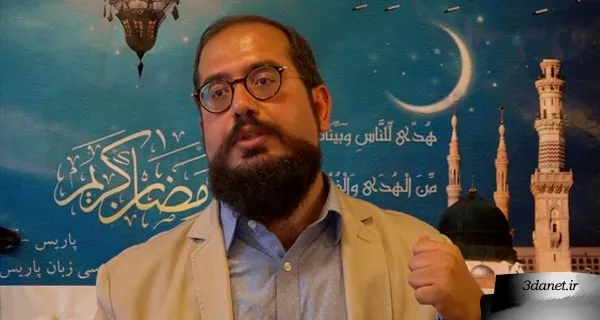
Ecumenism refers to the efforts of various Christian groups to draw closer to one another and achieve empathetic understanding. The ultimate goal of ecumenism is the unity of Christian groups despite their intellectual and practical differences. Today, the institutional manifestation of Christian ecumenism is the World Council of Churches...
.
The Interfaith-Ecumenical Roots of Fasting
Yaser Mirdamadi
Table of Contents
The Meaning of Ecumenism
The Meaning of Interfaith Dialogue
The Ecumenical Roots of Fasting
The Interfaith Roots of Fasting
Conclusion
Response to an Objection
.
What is "Ecumenism"?
Ecumenism refers to the efforts of various Christian groups to draw closer to one another and achieve empathetic understanding. The ultimate goal of ecumenism is the unity of Christian groups despite their intellectual and practical differences.
Today, the institutional manifestation of Christian ecumenism is the World Council of Churches.
This council emerged from the Church Unity Movement (1910) and was officially formed in 1948.
The Catholic Church is not a member of this council, but it has representatives in some of its commissions.
Many Orthodox Christians oppose ecumenism and call it contrary to Christian Orthodoxy.
.
What is "Interfaith Dialogue"?
A concept close to ecumenism is "Interfaith dialogue." Ecumenism is an intra-Christian or, more broadly, intra-religious approach, whereas interfaith dialogue aims for empathy with other religions and has an extra-religious approach.
The goal of interfaith dialogue is the unity of different religions and empathetic, constructive dialogue among them.
Hans Küng: "There will be no peace among the nations without peace among the religions. There will be no peace among the religions without dialogue among the religions."
Ecumenism does not necessarily lead to interfaith dialogue, but ecumenists are usually also in favor of interfaith dialogue.
In contemporary history, ecumenism preceded interfaith dialogue.
Globalization has fueled interfaith dialogue.
.
The Ecumenical Roots of Fasting
Fasting exists in all Islamic denominations (including Ismailis and Ahmadis).
However, there are differences in its details.
In the Nizari Aga Khani Ismaili denomination, spiritual fasting (abstaining from sin and sinful thoughts) is obligatory, and physical fasting is permissible (but not obligatory). Hence, some Ismailis fast during the month of Ramadan like other Muslims.
.
The Interfaith Roots of Fasting
1- Buddhism: Based on ascetic training, Buddhist monks generally do not eat anything after their midday meal. This is not called fasting but is a type of ascetic dietary regimen for meditation.
Lay Buddhists are also advised not to eat from noon until morning.
2- Christianity: In the Book of Isaiah (58:6-7), true fasting is an inner fast, not an outer one, and the inner fast is attending to the poor and the deprived.
However, some Christian denominations observe an outward fast known as "Lent." This fast begins 6 weeks before Easter and ends on Easter, and involves dietary restriction.
Anglicans, Eastern Orthodox, Lutherans, Methodists, and the Roman Catholic Church observe the rituals of Lent.
3- Hinduism: Hindus fast on certain days of the week and also of the month. Fasting is also common during certain religious festivals.
4- Jainism (one of the ancient religions of India): There are many fasts, the goal of which is to attain Ahimsa (non-violence towards all living beings).
5- Judaism: Traditionally, they fast 6 days a year.
The most important Jewish fast is the fast of "Yom Kippur," which is obligatory.
Yom Kippur is the Day of Atonement and is the day Moses returned from Mount Sinai.
6- The Baháʼí Faith: During the month of ‘Alá’ (which is 19 days), they fast from sunrise to sunset, abstaining from food, drink, and smoking.
The month of ‘Alá’ is from March 1st/2nd until the Nowruz holiday.
The Feast of the Fast and the Nowruz holiday fall on the same day.
.
Conclusion
Religious rituals do not have only an individual aspect, nor is their individual aspect alone important.
Performing religious rituals can be seen as "sharing in the collective experience of religiosity."
Fasting is also an instance of sharing in the collective experience of religiosity.
Paying attention to the ecumenical-interfaith aspects of fasting adds a deeper dimension to sharing in the collective experience of religiosity.
.
Response to an Objection
Objection: Ecumenism and interfaith dialogue lead to the negation of truth-seeking.
The problem of relativism
Response: The search for truth requires openness to the other.
"Compare opinions with one another, and from this, correctness will emerge."
Jurisprudence is jurisprudence, grammar is grammar, and morphology is morphology / From deficiency, you will find, O magnificent friend, abundance
Apophatic theology and the prohibition of absolutizing constructed images of the Absolute
.
.
Audio of the Lecture: The Ecumenical-Interfaith Roots of Fasting
Part One | Part Two
.
.
PowerPoint File of the Lecture: The Ecumenical-Interfaith Roots of Fasting
.
.
The Ecumenical-Interfaith Roots of Fasting
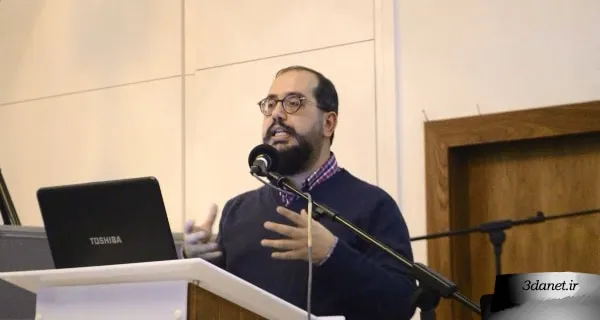
Location: "Rahman Association," Paris, July 10, 2016
Yaser Mirdamadi
.
.



Discussion0 comments
No comments yet; let yours be the first voice.