Philosophy
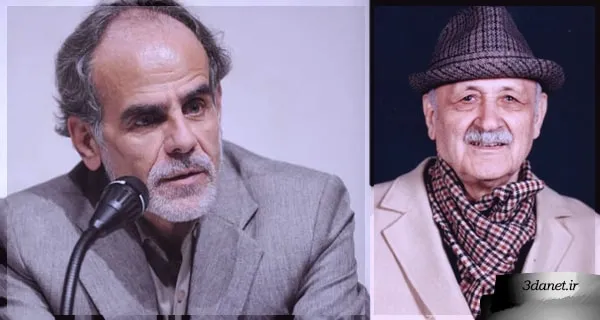
Practical Ethics and the Issues of Euthanasia and Abortion from the Perspective of Mostafa Malekian
Practical ethics is divided into two areas: examining the rightness or wrongness of specific acts such as euthanasia and abortion, and how to raise children to bring about virtues. This field runs parallel to psychology and moral philosophy and differs from history and the ethics of art.
Where does the concept of practical ethics fit theoretically? Is it a separate branch, a field parallel to moral psychology, moral philosophy, and the sociology of morality?
Practical ethics is internally divided into two parts, and because it is divided into two parts, each part connects with one of the branches we were just discussing. In practical ethics, the discussion sometimes concerns whether specific actions, whose rightness or wrongness we do not know, are right or wrong. For example, is euthanasia right or not? If I contract a disease with two characteristics: first, that the medical world says we cannot cure this disease in the current state of affairs, meaning that given the current progress of medical knowledge, this disease is incurable; and second, that it is among the incurable diseases accompanied by very severe and unbearable pain and suffering.
Now, if I contract a disease with these two characteristics and ask you to kill me and relieve me, is this euthanasia, or mercy killing, morally right or wrong? That is, if I, as a patient, ask you, the doctor, for this, is it right for you to do it or not? Or is abortion right or wrong? Especially if we know that the fetus, if born, will have a serious defect—for instance, aborting a fetus that we know will be blind, deaf, and mute, or will be paralyzed for life, or will be afflicted with insanity. Is aborting this fetus right or wrong? Or if someone gives you a choice between two actions: they say, either you kill one of these twenty people so the other nineteen survive, or I myself will kill all twenty...
Here, from a moral standpoint, which action should one take? Should we let that person kill all twenty, or should we ourselves kill one—who has committed no sin—so that the other nineteen are freed? One of the two parts of practical ethics is addressing such issues. This part is connected to what we discussed as prescriptive or normative ethics. But practical ethics has a second part, which is: suppose we know what things are good and what things are bad, what things are right and what things are wrong. How do we raise our children and those under our education and training so that we cultivate in them the things we know are good, and prevent the things we know are bad from emerging in them? This is a branch of education. If this becomes the subject of discussion in practical ethics, it is a kind of moral psychology.
Of course, there are other domains within ethics as well. For example, one discussion is the history of ethics. In the history of ethics, we only and solely report, and we do nothing else, and we do not seek to extract from it a theory about the moral nature of human beings. Another domain, which again relates to ethics, is the ethics of art, which concerns the relationship between ethics and art. For instance, where we discuss whether art should be for art's sake or in the service of morality.
.
.
Part of an interview with Mostafa Malekian titled "The Crisis of Ethics and Spirituality (Philosophy of Ethics)"
.
.

Discussion0 comments
No comments yet; let yours be the first voice.