Philosophy
Lecture Series: “Traditionalism, Modernism, Postmodernism” by Mostafa Malekian
According to Mostafa Malekian, what distinguishes traditionalism, modernism, and postmodernism is their stance on reason. Traditionalists see reason as conditioned by and dependent on tradition, modernists view it as self-sufficient, and postmodernists consider it incapable of representing reality.
The author identifies the distinguishing feature of the three currents of traditionalism, modernism, and postmodernism as their stance toward reason, its capacity for acquiring knowledge, and the degree of realism of human reason. In their view, traditionalism holds a conditional stance toward reason, modernism holds a stance of absolute acceptance based on the self-sufficiency of reason, and postmodernism holds a negative stance toward reason.
It could perhaps be said that the major difference among these three currents is a difference regarding the stance each takes toward reason; it must be said that it is reason that separates these three currents from one another. In fact, to put it better, instead of saying that it is reason that separates these three currents, I should say that it is the human stance toward reason that has brought these three currents into being.
I receive the raw materials from the universe through observation, experimentation, and experience, and through no other way. Then I apply logical rules to them. In other words, I take the raw material through observation, experimentation, and experience, and when I want to systematize and codify this raw material, for this codification and systematization I use logic, I use the rules of formal logic.
The task of logic, in fact, is to state by what criteria one can arrive at a third proposition from two propositions, and which criteria, if violated, would prevent us from arriving at a third proposition by combining two propositions.
Reason is a path of argumentation. If you hold a conditional stance toward this kind of argumentative process, you are a traditionalist; if you hold a stance of absolute agreement, you are a modernist; and if you hold a stance of absolute opposition, then you are a postmodernist.
Although there are more or less numerous disagreements among traditionalists themselves, traditionalism nonetheless means that intellect only receives news from a small part of the universe. But the larger part of the universe, that is, the more important part of the universe, cannot be known through this method. In the view of traditionalists, the universe, in fact, through reasoning in the sense I mentioned, is knowable only in an epsilon of it, but the greater part of this universe (greater not in the sense of quantitatively larger, but the qualitatively more important part of the universe) cannot be known through this method at all. So that greater part must be known through recourse to tradition. And in this sense, it absolutely does not believe in the self-sufficiency of reason. Rather, it believes in reason alongside tradition. Being alongside one another not like the coexistence of two equal and equivalent beings, two parallel beings and two beings of equal weight, but two beings where one has a great superiority over the other.
This world that reason can know in this way is sometimes referred to as the world of nature, sometimes as the world of matter and material things, sometimes as the world of body or corporeal things; they use other expressions as well. But the universe is not equivalent to the world of nature. The universe is a much vaster, deeper, and more labyrinthine world. That more immense part must be known through recourse to Tradition, through recourse to tradition; therefore, to know the whole universe, reason and tradition must be alongside one another. Since the advent of writing in human history, tradition has meant the holy book. A Christian traditionalist says we must give weight to the Christians. We must give weight to the New Testament. All the holy books of religions and sects are the embodiment of tradition. It is by recourse to these that we can know the whole universe.
But if you believe that the only way to receive news from the universe is reason in that sense, and we absolutely have no need to recourse to tradition, then you are a modernist, you are a modernist. The important point and the essence of modernism is that reason is the only way to receive news from the universe. Reason in the sense I explained. It is we and the empirical sciences and formal logic. Formal logic and the empirical sciences, one of which gives us the matter and the other the form, these two are our ways of receiving news from the universe. There is no other way.
Modernism, in fact, means the sufficiency of reason. That is, the self-sufficiency of reason. If we, in fact, believe in the self-sufficiency of reason, we are, in the precise sense of the word, modernists.
The second position differs greatly from the first. The first position, in fact, regarded reason as a complement to something else called tradition, a complement to tradition—and not as twin, conjoined brothers. This second position pays no attention to tradition at all. In reality, it is directed solely and exclusively toward reason.
But if you held a third position, and that position was that reason in this sense is not even trustworthy for representing reality—not in the sense that reason is untrustworthy alongside tradition, but that, in principle, no other means for knowing reality is available to us either. Our epistemic grasp of the world is simply short. We receive phantoms from the world of being, we have conceptions and images of the world of being, but to say that these conceptions and images are precisely conceptions and images that correspond to reality is an unreliable claim.
If we hold this belief—that is, if we say that reason also does not provide us with an image of the world of being as it actually is, but rather a dim, obscure, and possibly distorted image, yet we know of no other source, it is just us and this, and nothing more is available to us—this view is the postmodernist view. It is the post-modernist perspective. This perspective does not emerge quickly. Several great thinkers emerged in Western culture. Each of them made a breach in reason, and gradually they prepared the ground for the emergence of the doctrine we refer to as postmodernism.
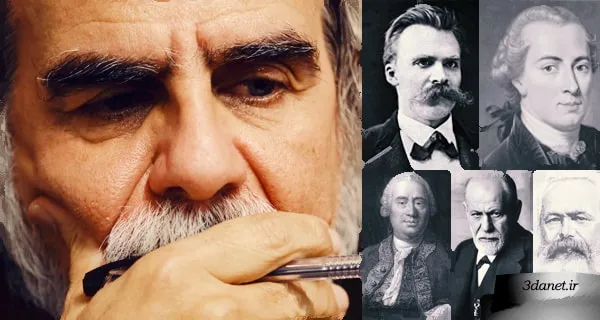
The famous English philosopher David Hume paid great attention to one point, and devoted a long period of his intellectual life to it: the ancient saying that instincts and emotions rule over human beings, but the difference between humans and animals is that other animals follow their emotions, feelings, and instincts completely blindly, whereas humans should not suspend their emotions, feelings, and instincts, but must bring them under the governance of reason. David Hume demonstrated that this control of reason over emotions, feelings, and instincts is neither possible nor desirable. Firstly, it is not feasible; secondly, even if it were feasible, it would not be desirable. This is the first breach made in the invincible barrier of reason.
The second person who paid great attention to the point that the mind truly does not possess a mirror-like quality is Kant. In a famous statement in which his philosophy can be summarized, Kant says that human reason, instead of being a mirror, is a pair of spectacles. The mind is the spectacles of the human spirit. In fact, whenever our spirit wants to attend to the world, it sees this universe from behind the spectacles of the mind. Now, if we return to our example, we posit three possibilities regarding the universe. One is that the entire universe is exactly as we see it; another is that no part of the universe is as we see it; and another is that some parts are as we see it and some parts are not. In his view, what we receive is the result of the interaction between the mind and the real world. This also somewhat weakened the position of reason.
The next figure who played a significant role in this current was Karl Marx. Marx believed that humans sometimes consider something to be truth under the influence of their class interests, but this distortion of reality does not occur consciously. It is like me wanting to know how my child looks when he is completely, utterly alone in the room. But as soon as I want to see how he looks, I enter the room, and as soon as I enter the room, the very solitude I wanted to observe is lost, and in fact, I have intervened in and manipulated the subject of my own experiment, which was the child's solitude.
Another breach was created by Freud, the famous Austrian psychologist. Freud says we are not conscious of all the domains of our psyche; rather, we are conscious of only one part of the psychic domain. Freud said that under the pressure of our unconscious psyche, we perform a series of actions, or adopt a series of positions, or acquire a series of beliefs. After acquiring these beliefs, in order to appear rational to ourselves, we adduce reasons in favor of our beliefs. In Freud's terms, everything that humanity considered reasoning is nothing but rationalization.
Another breach was introduced by the famous German philosopher Nietzsche in the late nineteenth and early twentieth centuries. Nietzsche believed that the primary human drive is the will to power, and all other drives are manifestations of this will to power, and knowledge itself is encompassed within this will to power. That is, what we call knowledge, what we imagine to be a report corresponding to reality from the real world, is in fact not a report corresponding to reality; it is a report that empowers us.
The sum of what these thinkers have said constitutes a kind of suspicion toward the human faculties of perception. That is, they have said that viewing things with suspicion is more realistic. For this reason, this current of thought is sometimes called the hermeneutics of suspicion.
Postmodernism emerged as a fully self-conscious movement from the 1950s to the 1970s. This movement essentially holds that reason cannot be considered a fully reliable source of knowledge. Postmodernists do not believe that we should, for instance, return to tradition. In other words, although both traditionalism and postmodernism oppose modernism, they do so from two different positions: modernism deemed reason sufficient, traditionalism says we must supplement reason with tradition, but postmodernism does not even entertain the discussion of supplementation. It says we must make do with this situation.
There were other thinkers in the second and third ranks who contributed to this thought, among them William James, the famous American philosopher and psychologist of the early 20th century. William James is a world-class psychologist, although as a philosopher, he is considered a second-rank thinker. He gave a lecture in America in 1903 and presented a paper titled "The Will to Believe." In it, he showed his audience that the beliefs we humans hold are not all the result of reasoning. Beliefs are sometimes the result of childhood suggestion and indoctrination, sometimes the result of education, sometimes the result of our fears and anxieties, sometimes the result of our hopes, sometimes the result of love, sometimes the result of hatred, sometimes the result of the pressure of public opinion upon us, sometimes the result of personal interests, and sometimes the result of logical reasoning. William James, in fact, also created such a suspicion toward the perceptual faculties and the idea that we are not, and cannot be, strictly logical beings, and that logic does not have the efficacy to reveal the entire universe to us.
.
.
Traditionalism, Modernism, Postmodernism
Mostafa Malekian
Year 1378, 244 pages
.
.
Download the booklet Traditionalism, Modernism, Postmodernism:
From Server One | Server Two
.
.


Discussion4 comments
نقدی برنقد: فرار از خود ۹۶/۰۱/۱۰ اخیرا نقدی بر سخنان استاد ملکیان را از سرور گرامی دکتر میری در تلگرام ایشان خواندم به نظرم نقد جناب دکتر سید جواد میری « دقیق » نبوده و کافی بر رد سخنان استاد ملکیان نیست بلکه این دلایل ، بیشتر به توضیح - البته توضیح ناتمام - سخنان استاد ملکیان شبیه است نه دلایلی که مدعا را بتواند رد نماید. دلایل ایشان چنین است : ۱. مسافرت کثیر دراویش و ازجمله خود مولوی ۲. حصول معنویتی منقطع از مسئولیتهای خانوادگی و اجتماعی. ۳. فراخوانی جامعه به از هم پاشیدگی. ۴. احتمال عدول نویسنده از رأی سابق حداقل چیزی که از این دلایل میتوان فهمید این است که سخنان استاد ملکیان بر متوسطان جامعه ایجاد شبهه می کند و این امر نیز منصرف از رد اصل مدعاست.خصوصا که آنچه از مباحث بعدی استاد ملکیان از جمله در اخلاق کاربردی و سایر مباحث ایشان بر می آید استشمام عدولی از رای سابق به مشام نمی رسد و به مقتضای اذا جاء الاحتمال بطل الاستدلال ، احتمال را نمیتوان دلیل قطعی بر رد مدعا محسوب داشت.جناب دکتر میری بهتر بود از زاویه دیگری بحث را می گشودند، وآن زاویه بحث را در ذیل بیان می دارم. با این مقدمه معتقدم نقد سرور گرامی جناب میری از قوت آنچه از آن نقد شده است نمی کاهد ،گرچه سخنان استاد ملکیان برای سالکان در طریق مفهومی آشناست ولی در عین حال اغلب مردم جامعه ( متوسطان) مامور به رسیدن به این درجات نشده اند و این سخنان شاید برای مردم ایجاد شبهه نماید که کرده است، فقط فقط از این حیث می توانم با ناقد محترم همسو باشم . به این ابیات مولوی توجه فرمایید: جمله عالم زاختیار وهست خود می گریزد در پی سرمست خود تا دمی از هوشیاری وار رهند ننگ خمر و زمر برخود می نهند می گریزند از خودی دربیخودی یا به مستی یا به شغل ای مهتدی. هر زمان آدمی از خودی خود بگریزد و به وسایل گوناگون و مشغولیتها و انواع سرگرمی ها پناه ببرد در واقع به قول مولوی از خودی به بیخودی گریخته است و روانشناسی امروز نیز این موضوع را ذیل بحث « فرار از خود» کنکاش و بررسی می کند. پس نتیجه این می شود که هر مشغولیتی ( اعم از تفریح وسیر وسفرو...) فرار از خود نیست ؛ آن سرگرمی و تفریح و مشغولیت ، فرار از خود محسوب می گردد که آدمی بجای رویارویی و مواجهه مستقیم با احساسات غالبا منفی خود که ریشه در تقصیر وکوتاهی خود آدمی در ارتباط با« خود با خود » یا در ارتباط با دیگران دارد ، از پذیرش نقص و تقصیر خود خودداری و لجاجت پیشه کند ( حال لج کردن با خود یا لج کردن با دیگران در حالیکه واقعیت ماجرا و«حق» را خود ادمی بهتر از هرکسی می داند) داشتن چنین روحیه ای آدمی را به یک دوگانگی سوق می داده ونتیجه اش « یبوست هیجانی ۱» و « طاعون عاطفی ۲» است چنین آدمی بجای اعتراف و توبه ، سعی در سرگرم نمودن خود با اشیا خارجی گوناگون اعم از تلوزیون یا موسیقی یا گردش یا دیدار یک دوست یا شراب خواری یا تمسخر دیگران یا غیبت یا اهانت یا پرخاشگری یا فریبکاری یا آزار دیگران یا خودزنی و ... می نماید تا بلکه دقایقی آن کشمکش درونی را فراموش و یا خاموش نماید.فرقی نمیکند این انسان ، انسان مدرن باشد یا انسان غیرمدرن سنتی. از دیدگاه اینجانب معیار تشخیص اینکه کدام سرگرمی فرار از خود است و کدام سرگرمی حالت طبیعی دارد ، همین وقوف بر « کشمکش درونی » است. اگر کشمکش درونی محرکی باشد که فرد به واسطه آن محرک ها روی به سرگرمی ها بیاورد این سرگرمی ها فرار از خود است و اگر آنچه فرد را به سرگرمی و تفریح و گشت وگذار بر می انگیزاند خواست طبیعی و بهتر بگویم نیاز طبیعی آدمی باشد آن سرگرمی فرار از خود نیست. تشخیص این موضوع نیاز به یک صداقت عمیقی دارد که خود فرد با خودش باید داشته باشد ، چون هر فردی ادری به نفس خویش است و خودش به خودش از دیگران آگاهتر است و خود می داند که چه وقت کمشکش درونی او را وادار به مشغولیتهای گوناگون می سازد. تشخیص نیاز طبیعی به عنوان محرک ایجاد سرگرمی نیز کاری صعب و پر زحمت است و شاید در « اغلب موارد» خود این نیاز طبیعی نیز چندان طبیعی نباشد بلکه خود را به ما طبیعی« بنمایاناد » و چه بسا ریشه در همان کشمکش درونی و داشته باشد ،بنابراین با در نظر گرفتن این« اغلب موارد» گفته استاد ملکیان بی ربط نیست. خصوصا که عمل به این آیه شریفه نیز کار هر کسی نیست در عین حال همگان نیز می توانند آن را تمرین نمایند. «واذکر اسم ربک و تبتل الیه تبتیلا» (مزمل/۸) این آیه شریفه دقیقا اشارت به آن « باغ درونی » دارد و به گمانم این آیه که شاید ریشه در تعالیم بودایی داشته باشد فقط یکجا در قرآن و آن هم در همین آیه آمده است البته مفاهیم آن را میتوان در آیات دیگر نیز جست. پاورقی: ۱ و ۲. روانشناسی روابط انسانی( مهارتهای مردمی) رابرت بولتون ترجمه حمیدرضا سهرابی با همکاری افسانه حیات روشنایی صفحات ۲۲۰ و ۲۲۹
متاسفانه فونت خوبی نداره. حیفه واقعا.
الان این 244 صفه است ؟؟!
245 صفحه