اندیشهفلسفهخردگفتگوحکمتمعناپرسشفرهنگ
Philosophy
Lectures on “An Introduction to Hermeneutics” by Masoud Olya
Hermeneutics evolved from the art of interpreting texts into an inquiry into human existence—a journey from ancient Greece to Heidegger and Gadamer. In a twelve-session lecture series at the University of Tehran, Masoud Olya examines this transformation and its relation to Western philosophical theories.
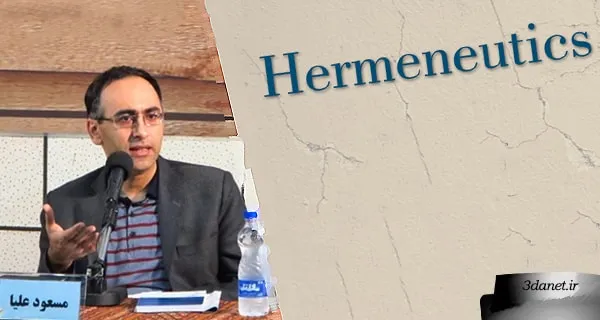

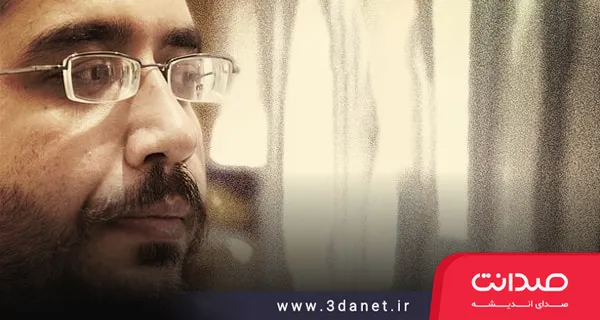
Masoud Olia
InstructorThe term hermeneutics encompasses both the art and the theory of understanding and interpreting linguistic and non-linguistic expressions. The background of the hermeneutic tradition, as a theory of interpretation, goes back to ancient Greek philosophy. In the Middle Ages and the Renaissance, hermeneutics emerged as a very important branch of biblical studies. Later, it also came to include the study of ancient and classical cultures. With the rise of German idealism and romanticism, the status of hermeneutics underwent a change. Hermeneutics became philosophical. Without this transformation, which was initiated by Schleiermacher, Dilthey, and some others, one cannot conceive of the ontological turn in hermeneutics that began in the mid-1920s with Heidegger's "Being and Time" and was continued by his student, Gadamer. Now hermeneutics is not only about symbolic communication or sharing. Its scope has become even more fundamental, encompassing human life and existence itself. In this way, hermeneutics, as an inquiry into the deepest conditions of symbolic interaction and culture in general, has opened a critical horizon for many of the most fascinating debates in contemporary philosophy, both in the Anglo-American context (Rorty, McDowell, Davidson) and within a more continental discourse (Habermas, Apel, Ricoeur, and Derrida). (Adapted from the Stanford Encyclopedia of Philosophy entry on Hermeneutics)
The lectures on "An Introduction to Hermeneutics" are lessons by Dr. Masoud Olya at the University of Tehran in 2009. They cover the trajectory of hermeneutics that was described. Moreover, they contain many valuable points about the course of Western philosophical thought and the connections and relations between various theories.
.
.
Audio of Session One
Audio of Session Two
Audio of Session Three
Audio of Session Four
Audio of Session Five
Audio of Session Six
Audio of Session Seven
Audio of Session Eight
Audio of Session Nine
Audio of Session Ten
Audio of Session Eleven
Audio of the Twelfth Session
.
.
Discussion2 comments
سلام متاسفانه کیفیت صدا خیلی خوب نیست ولی باز هم ممنون از زحماتتون
بسيار استفاده کردم درود بر استاد غليا