Philosophy
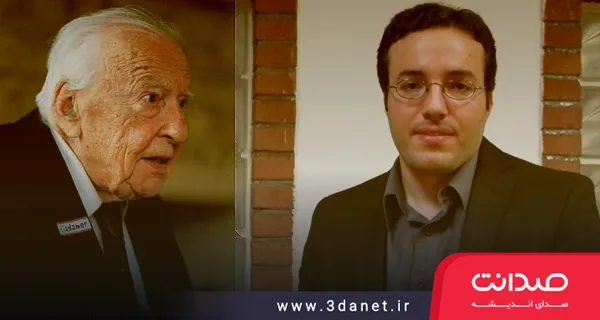
Lectures on Heidegger's Being and Time by Ahmad Rajabi
Ahmad Rajabi's lectures at the University of Tehran offer a commentary on Heidegger's Being and Time. The discussion centers on the role of time and the temporality of Dasein in fundamental ontology, focusing on finite futurity and an analysis of concepts such as world, care, and death.
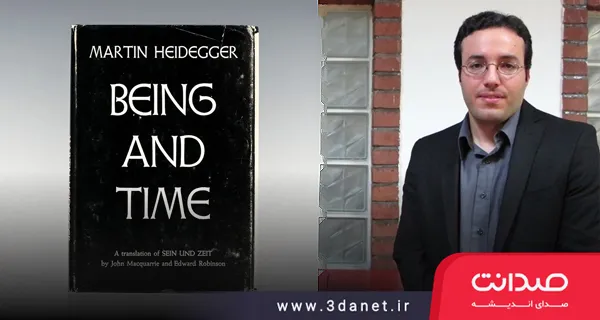
The lectures on Heidegger's Being and Time were delivered in the second semester of the 2019-2020 academic year for the undergraduate philosophy program at the University of Tehran, and they involved the exposition and interpretation of topics and chapters from Heidegger's Being and Time. The main focus and aim of the discussion is attention to the place of time and the temporality of Dasein in Heidegger's fundamental ontology, such that the selection and method of explicating the book's topics proceeds toward an interpretation of the problem of temporality in Heidegger's early thought. First, the idea of ontology and Heidegger's purpose in the question of being with regard to traditional metaphysics, as well as the definition of hermeneutic phenomenology, are discussed with a focus on the book's introduction, and then discussions take place on the chapters concerning the concept of world (especially the meaning of the interpretedness of the world and the concept of equipment in the description of ready-to-hand things) and the constituents of Dasein (the manner of the relation of thrownness and projection to one another). Then, by interpreting the concept of care in the ontological definition of Dasein and the question of the totality and structural unity of Dasein, a relatively detailed discussion of Heidegger's famous analysis of the problem of death is carried out, and from this discussion, through the concept of Dasein's "finite future" as the focal point of Being and Time, parts of Heidegger's discussions on time and temporality are interpreted. It should be noted that, except for the first three sessions, the subsequent sessions were held virtually and recorded as audio files.
.
.
Session One 2020/02/05
Session Two 2020/02/17
Session Three 2020/02/19
Session Four 2020/03/02
Session Five 2020/03/04
Session Six 2020/03/09
Session Seven 2020/03/11
Session Eight 2020/03/16
Session Nine 2020/03/18
Session Ten 2020/04/06
Session Eleven 2020/04/08
Session Twelve 2020/04/14
Session Thirteen 4/16/2020
Session Fourteen 4/20/2020
Session Fifteen 4/22/2020
Session Sixteen 4/27/2020
Session Seventeen 4/29/2020
Session Eighteen 5/5/2020
Session Nineteen 5/7/2020
Session Twenty 5/12/2020
.
.


Discussion6 comments
باسلام و احترام درس گفتار واقعا عالی بود تشکر فراوان از دکتر رجبی
با عرض سلام و خسته نباشید خدمت استاد گرامی. فکر می کنم نقش استادی که متن خوانی میکند، باید بیش از خلاصه سازی مباحث باشد. استاد رجبی به شکل رادیویی فقط مباحث را خلاصه می کنند و نقش چندانی در فهم پذیر تر کردن مباحث ایفا نمی کنند.
بسیار سلیس و روان. تشکر فراوان
با سلام تدریس بسیار مفیدی بود که وفادار به متن اصلی هایدگر جلو می رفت و مفاهیم اصلی هایدگر را تا حدی که مجال بود روشن نمودند. تلاش استاد رجبی در رفع ابهام ها و پیچیدگیهای متن هایدگر ستودنی است. بنده تمام این جلسات را به دقت گوش دادم اما یک سوال از اندیشه هایدگر برایم ایجاد شد. دکتر رجبی فرمودند اصل تضایف correlation ضابطه پدیدار شناسی است و دازاین و انسان در تفسیر شدگی پیشین قرار دارد و وجه جهانمندی انسان را به زیبایی تقریر نمودند. پس حضور بی واسطه انسان نزد خودش ممکن نیست. ابهام اینجا است که در تجربه امکان میرایی و تناهی وجودی دازاین فرمودند دازاین به تفرد می رسد و فقط به خودش توجه می کند بدون لحاظ موجودات و نسب دیگر؛ اینکه این تفرد متفاوت با سوژه دکارتی که بی جهان است یا متفاوت از سوزه کانتی است بحثی نیست.اما چگونه با توجه به جهانمندی و تفسیر شدگی پیشین این تفرد امکان دارد؟ ضابطه پدیدار شناسی و در جهان بودن نباید اجازه دهد در هیچ سطحی تفرد اتفاق افتد. روش رسیدن به تفرد محل بحث بنده نیست بلکه خود امکان تفرد و اینکه دازاین فقط به خودش و لاغیر توجه دارد ابهام دارد.در اینجا پاسخ چیست؟
با سلام و تشکر از انتشار این مجموعه درسگفتار، لطفا جلسات هیجده و نوزده را اصلاح کنید. فایل ها قابل دانلود نیستند.
سلام و درود اصلاح شدند