Conversation
The Finitude of Truth from the Perspective of Gadamer and Heidegger
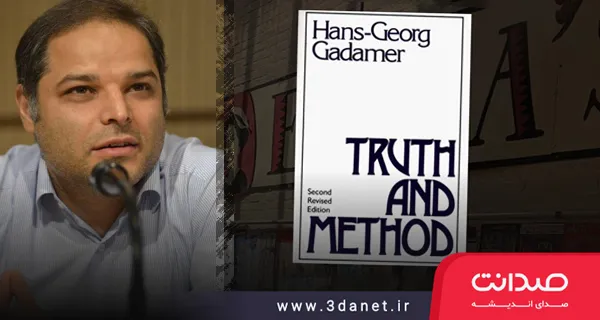
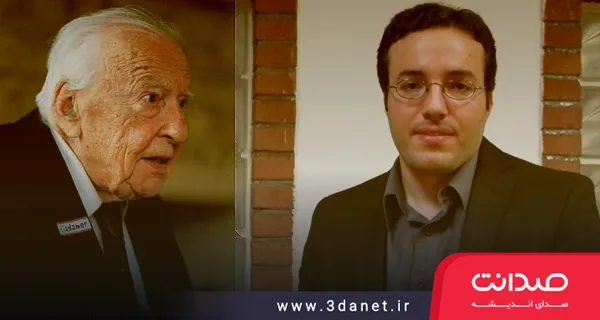
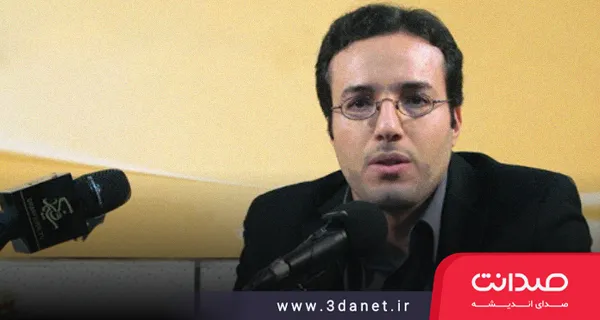
This video features a conversation between Amirhossein Khodaparast and Ahmad Rajabi on the issue of the finitude of truth in the thought of Gadamer and Heidegger. The discussion addresses the relationship between truth, understanding, historicity, and human limitations in encountering the world.
About this video
The problem of truth in the modern philosophical tradition, particularly in the thought of Heidegger and Gadamer, moves beyond the simple framework of the correspondence of a proposition to reality and becomes intertwined with questions about understanding, historicity, language, and the human horizon. In this session, Ahmad Rajabi, with Amirhossein Khodaparast as moderator, engages in a philosophical reflection on the "finitude of truth."
The central focus of the discussion is the question: if human understanding always occurs within a specific historical, linguistic, and existential horizon, how should truth be understood? From Heidegger's perspective, truth is related to openness and unconcealment; and in Gadamer's hermeneutics, understanding is always shaped in relation to tradition, prejudices, and historical horizon.
The significance of this dialogue lies in its extraction of the problem of truth from the mere level of epistemology and its connection to our human condition; a human who understands, but always understands within their historical and linguistic limitations. This video is suitable for those interested in continental philosophy, hermeneutics, Heidegger, and Gadamer.