Political Science
Mehdi Tadayoni's essay 'The Myth of Mosaddegh'
The myth of Mosaddegh has two faces: his anti-colonialism is laudable, but his anti-authoritarianism is questionable. Mosaddegh was an authoritarian statesman, not a democrat; his tenure is a history of clashes with parliament, threats against prime ministers, the Enabling Act, and the negation of democratic principles.
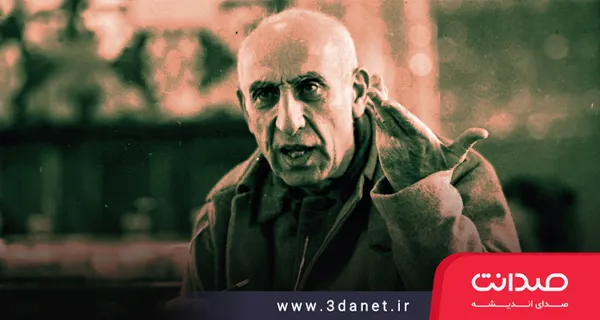
The Myth of Mosaddegh
Mehdi Tadayoni
Seventy years have passed since the overthrow of Mosaddegh. Mosaddegh is a past that does not pass; not only does it not pass, it comes along with us. There are a thousand points here finer than a hair, and even choosing a topic regarding the 28th of Mordad is difficult. The hottest question about the 28th of Mordad is whether Mosaddegh's overthrow was a "dismissal" or a "coup." I will state my opinion on this question as the discussion proceeds, at the end of the writing, but at the very least I want to point out at the beginning a contradiction that exists in the historiography of the Islamic Republic regarding the "coup." In the ups and downs of Mosaddegh and the National Movement, the only faction endorsed by the historiography of the Islamic Republic is Ayatollah Kashani. As it happens, Mr. Kashani was one of the few people who never believed in a coup, and if you look at his interviews after the 28th of Mordad, you will encounter every perspective except a coup. Of course, it goes without saying that Mr. Kashani was only one of the allies and comrades-in-arms of the National Movement who had distanced himself from Mosaddegh.
The second introductory point is that, on the other hand, Mosaddegh's supporters shower all the individuals who were once his comrades-in-arms and later distanced themselves from him with all kinds of slanders—from being lackeys of foreigners to toadies for despotism. But this approach is both unfair and self-defeating. That is, the main part of the central core of the National Front was composed of sell-out elements? From Kashani and Haerizadeh and Qanatabadi to Makki and Baqai. When the leader of a national movement cannot retain his closest associates and turns them into his enemies, how does he intend to reach an agreement with his opponents within a democratic framework? — although I am willing to accept that those friends who became enemies might themselves have acted selfishly and with a sense of entitlement in some instances.
But I want to limit the discussion to the "Mosaddegh construct"; that is, the myth that formed around him in contemporary history. The mythic coin of Mosaddegh has two sides: one is Mosaddegh's anti-colonialism, and the other is Mosaddegh's anti-despotism; that is, Mosaddegh is considered a unique figure first for his struggle against colonialism and the nationalization of oil, and second for his struggle against despotism. The first side of this coin can be accepted to some extent from a psychological perspective. With his uncompromising method and character in the oil issue, Mosaddegh created a fervor in the young generation. One can debate what other method and character could have been adopted in the oil dispute, but the reality is that Mosaddegh's goal went beyond oil; he wanted to "block Britain's channels of influence in Iran."
This very radical approach caused a great fervor to arise both in Iran and in Iran's peer countries. This fervor was such that an Irish taxi driver in New York, upon realizing his passenger was Iranian, would become so delighted he would not take money from him, because he thought the Iranian Mosaddegh had broken Britain's horn. When this "fervor" reaches the hearts of the Irish in New York, what can be expected regarding the young generation who, ten years prior, had seen their homeland under foreign occupation? Yes; we have seen the ultimate outcome of this fervor today, but one cannot expect inexperienced people to have an ideology-critical and foresighted view. We do not understand the Iranian society of '32, and the Iranian society of '32 does not understand us. Even among literate and experienced statesmen, far-sighted personalities like Foroughi were few and far between, let alone the young generation that had just thrown itself into the furnace of nationalism and socialism.
Therefore, regardless of what our view is today, if we see personalities in their historical context, Mosaddegh emerged in the era of the awakening of the masses, and the ideal of the masses was exactly what Mosaddegh proclaimed, and the fervor attributed to him is a historical reality—even though it can be critiqued from the perspective of political science and ideology critique. So, one side of the medal of the Mosaddegh myth can be accepted in terms of historical reality.
اما روی دیگر آن، یعنی استبدادستیزی مصدق، به گواه واقعیتهای تاریخی بسیار تردیدبرانگیز است. مصدق برخلاف تصویری که از او در سالهای پس از سرنگونیاش ترسیم شده، دولتمردی اقتدارگرا بود و در اندیشه و روش کاملاً راستگرا بود. مصدق را باید در زمرۀ اقتدارگرایان جای داد، نه دموکراتها. در واقع، اینکه درگیری شاه و مصدق به درگیری میان دو جناح دموکرات و ضددموکرات تبدیل و تعبیر شده، با واقعیت سازگار نیست. هیچ کدام از دو سوی این مناقشه دموکرات نبودند. از نظر من، هر دو جناح این مناقشه حاضر نبودند به مشروطه پایبند بمانند. نه شاه حاضر بود شاه مشروطه باشد (گرچه عموماً میکوشید فُرمهای حقوقی را رعایت کند)، و نه مصدق و یارانش حاضر بودند به ارکان مشروطه وفادار بمانند، اگر به ضررشان بود. منتها در اینجا مسئلهای وجود دارد: کسانی که طرفدار شاه بودند و هستند هیچگاه شاه را به دلیل «دموکرات بودن» ستایش نمیکنند، بلکه در نظرشان شاه مظهر مصلحت عمومی و توسعه است. دستکم من نشنیدهام شاه را به دلیل دموکراسی ستایش کنند؛ اما مصدق را به نماد مشی دموکراتیک تبدیل کردهاند. همین با واقعیت سازگار نیست.
درست است که جبهۀ ملی از اعتراض به مداخلۀ دولت در انتخابات سربرآورد، اما در مقابل میتوان تاریخِ زمامداری مصدق را «تاریخِ جدال با پارلمان» نامید. البته مصدق، یارانش و بعدها دوستدارانش همیشه تأکید میکردند دلیل جنگ مصدق با پارلمان و سایر نهادهای مشروطه به این دلیل بود که استعمار در این نهادها نفوذ داشت، اما اگر فرض بر عذرآوری باشد، هر فرد اقتدارگرایی همیشه دلایل خوبی برای حمله به نهادهای دموکراتیک برای خود مییابد. مصدق را نمیتوان دموکرات نامید، زیرا تماممدت مشغولِ تخریبِ پایگاه مخالفان خود بود و اهل هیچ مصالحۀ دموکراتیکی نبود. برخوردی که مجلس با مصدق میکرد، بسیار ملایمتر از برخوردی بود که خود مصدق وقتی نمایندۀ مجلس بود با دولتمردان نامطلوبش میکرد. برای مثال، حقیقتاً مصدق و جناحش هر کارشکنی که به فکر آدمی برسد علیه رزمآرا کردند. وای از روزی که پوست رزمآرا به دباغخانۀ مصدق و یارانش میرسید... بودجۀ سالانۀ رزمآرا را ماهبهماه تصویب میکردند. رزمآرا را به دلیل اینکه میخواست پول چاپ کند به سلابه کشیدند، در حالی که یکی از دلایل اینکه خود مصدق بعدها مجلس را منحل کرد این بود که بخشی از مجلس با چاپ پول بیپشتوانه مخالف بود. حتی پیش از رزمآرا، وقتی منصور مدتی نخستوزیر بود و مصدق ریاست کمیسیون نفت را بر عهده داشت، مصدق به منصور پیام داد «میدهم مثل جوجه سرت را ببرند!» این برخورد خود مصدق با نخستوزیر بود! و البته تهدید به کشتن را علیه رزمآرا هم کرد. جدای از اینکه در روز معارفۀ رزمآرا، مصدق و یارانش از شدت اغتشاش در مجلس، نیمکتهای مجلس را شکستند و مصدق بیهوش شد. و تأسفبارترین قسمت ماجرا هم اینکه همین جناح مصدق در مجلس با تصویب یک مادهواحده قاتل رزمآرا را عفو کردند! حقیقتاً مایۀ شرمساری نهاد مجلس است!
اما بارزترین نشان پارلمانستیزی مصدق قانون «اختیارات» بود؛ یعنی مصدق بر اساس یک طرح پیشنهادی اجازۀ قانونگذاری را از مجلس گرفت؛ اول برای شش ماه و بعد برای یک سال. چنین قانونی باعث میشود دو قوۀ مجریه و مقننه در دست یک نفر جمع شود و اساساً نفی بنیادین اصلِ دموکراتیکِ تفکیک قواست. بدنامترین نمونۀ قانون «اختیارات» را هیتلر از مجلس آلمان گرفت و با همین اختیارات در عرض چند ماه یکی از بهترین دموکراسیهای تاریخِ اروپا را به وخیمترین نظام توتالیتر تبدیل کرد. البته هرگز نمیخواهم مرحوم مصدق را با هیتلر مقایسه کنم و موارد عاقبتبهخیرتری از اعطای اختیارات تقنینی به رئیسدولت نیز در تاریخ سیاسی جهان وجود دارد، اما نفس این کردار معنایی مگر دور زدن پارلمان ندارد ــ و جان مشروطۀ ایرانی پارلمان بود. جالب اینکه خود مصدق همیشه تا پیش از آن مخالف اعطای هرگونه حق قانونگذاری به دولت بود. در مجلس ششم با اعطای اختیاراتی بسیار محدودتر به علیاکبر داور، وزیر عدلیه، مخالفت کرد و فقط یک سال پیش از آن، با اعطای اختیاراتی بسیار ناچیزتر به رزمآرا مخالفت کرده بود. پس مصدق بهتر از هر کسی میدانست این قانون ضددموکراتیک است.
Now, if you think Mosaddegh would not have abused these powers, you are sorely mistaken! Using these very powers, Mosaddegh created the “Social Security Law” with his own signature, which is truly one of the most repressive laws ever written in Iran. Under this strange law, any attempt at protest or strike immediately led to arrest and exile. That is, the very act of protesting and striking in offices and factories, under any pretext, was a crime! Worse still, the detention order could not be appealed! And even worse, Article 5 of the law stated: “The reports of institution heads, directors of government departments, judicial authorities, as well as law enforcement officers, are deemed valid, unless proven otherwise.” Meaning the mere report of a responsible official or officer was considered court-admissible evidence. This law meant nothing less than the eradication of opponents and had even stunned Mosaddegh’s old comrades.
In this way, the executive branch, through the Enabling Act, had placed itself in the position of the legislature and issued such a ruling in the domain of the judiciary. The separation of powers, which is the foundation of democracy, had been rendered void. By this method, Mosaddegh had, in the strictest sense of the word, boxed in his opponents. I think the most glaring example of this is that some individuals—for instance, Ardeshir Zahedi—would hide in the trunk of a car to meet the Shah and enter the Shah’s palace grounds at night through a deserted gate. When those meeting the Shah had to hide in a car trunk, the situation for everyone else is clear.
But let me be brief and get to Mosaddegh’s coup de grâce to the parliament: that is, the dissolution of parliament. In the original Constitution of the Constitutional Revolution, the government and the Senate together could dissolve the National Consultative Assembly. However, until 1949, the Senate had never been formed at all. After the assassination attempt on the Shah in February 1949, the Shah, seeking to expand his powers, used the sympathetic and compassionate atmosphere that had arisen towards him in society and formed a Constituent Assembly to both determine the fate of the Senate and increase his own powers. Henceforth, the right to dissolve parliament was vested in the Shah. Mosaddegh was, of course, opposed to that Constituent Assembly and its outcomes, but in any case, in terms of form, everything had been observed, and now legally only the Shah had the authority to dissolve parliament, and the Senate was legal as one of the Shah’s power bases.
Here, in his struggle with parliament, Mosaddegh first called on a portion of his supporting deputies to resign and then conceived the idea of holding a referendum to dissolve parliament. The fundamental criticism of Mosaddegh lies here: a referendum is not provided for in the Constitution. Mosaddegh and his supporters have always said, what authority is higher than “the people”? But this is a fallacy! When a legal mechanism exists for an issue, the prime minister is obliged to observe the existing law, not circumvent it! Mosaddegh knew the Shah would not dissolve this parliament—that is, the 17th Majlis—so instead of observing the law, he introduced an innovation by holding a referendum. Since all opponents boycotted this referendum, the outcome was predictable! Only supporters participated, and the result turned out one hundred percent in line with Mosaddegh’s wishes. Consequently, Mosaddegh thought he would thus put the Shah in a bind. Not dissolving parliament would appear as resistance against the people’s will.
A brief parenthesis: go search in political science encyclopedias; “populism” is precisely this. Populism, in its original sense, means bypassing political institutions and appealing to the people’s vote. Populism was not originally a negative concept. Mosaddegh, too, set aside the existing law and established institutions and turned to the “populus” (the people). Therefore, if we are to provide an example of a populist policy in Iran’s history, it is undoubtedly this referendum. Close parenthesis.
Apart from the fact that the referendum had no basis in the constitution, logically speaking, a referendum can only be used where no legal mechanism exists. If that were the case, the holder of power could circumvent the governing laws on any matter and hold a referendum. But a referendum for what? To dissolve a parliament that is itself the symbol of the people's vote? Appealing to the people's vote to annul the people's vote? Is this not a vicious circle? Yet the glaring flaws of this referendum are not limited to this innovation. The manner in which this referendum was conducted is even more peculiar. One of the inviolable principles of any public election is that it be
اما به زعم خودم، به ایرادی که ذکر شد پاسخ دهم: میگویند چون شاه هنوز حکم انحلال را امضا نکرده بود، پس پارلمان هنوز وجود داشت و در نتیجه دوران فترت نبود. پس شاه اجازه نداشت مصدق را برکنار کند. به گمانم این استدلال ضعیفی است: اولاً خود مصدق بانی انحلال مجلس است! اگر یک نیروی مخالف مصدق مجلس را منحل کرده بود و این وسط مصدق مغبون واقع شده بود، چنین دلیلی قابل بحث بود. وقتی خود مصدق بر انحلال پارلمان اصرار داشت، یعنی خود او بانی فترت بود. ثانیاً، این استدلال زمانی میتوانست بیمناقشه باشد که کسی غیر از شاه مسئول امضای انحلال پارلمان میبود؛ صاحب امضا خود شاه بود و در این زمینه وابسته به شخص دیگری نبود. یعنی اگر اول حکم انحلال را امضا میکرد و بعد مصدق را برکنار میکرد، مسئله حل بود؟ شاه نمیخواست به بدعتگذاری مصدق با امضای خود مهر تأیید زند. آن رفراندوم خطا بود، امضای شاه به آن اقدام فراقانونی رسمیت میبخشید. ثالثاً، پارلمان عملاً دیگر وجود نداشت. معیار عمل شاه هم این بود که از پارلمان چیزی نمانده بود و عملاً «فترت» واقع شده بود.
اما به هر حال من هنوز نتیجهگیری قطعی نکردهام و بحث حقوقی سر اینکه اینجا «کودتا» یا «برکناری» رخ داده است، باید مورد بحث باشد. اما اینکه برخی تردید در مفهوم «کودتا» را برنمیتابند و نشانۀ پیروزی یک ایدئولوژی میدانند، به گمانم هرگز قابل قبول نیست.
در اینجا با نتیجهگیری نهایی بحث را به پایان میرسانم. از نظر من، روی دوم اسطورۀ مصدق ــ یعنی استبدادستیزی ــ با واقعیت تاریخی مصدق سازگار نیست. این دوگانه بعدها و به مرور زمان ساخته شد که مصدق نماد حرکات دموکراتیک جلوه داده شد. منش او در عمل کاملاً اقتدارگرایانه و در ستیز با ارکان دموکراتیک بود. شاید بگویید این دیدگاه را از این جهت میتوان تعدیل و منصفانهتر کرد که در نظر گیریم او کار سختی در پیش داشت: او باید مسئلۀ نفت و درگیری با یک قدرت جهانی را حل میکرد. اما اگر نزاع سیاسی سخت کسی را به مسیر غیردموکراتیک سوق دهد شاید قابل درک باشد، اما دیگر مدال افتخار دموکراسیخواهی نمیتوان به او بخشید. پس فرق مصدق با نخستوزیران پیش و پس از او چه بود؟ تنها تعدیلی که در این دیدگاه میتوان و باید انجام داد این است که دیگران هم عموماً جماعت دموکراتی نبودند. شاه هم نمیخواست به نص صریحِ قانوناساسی پایبند بماند ــ خود او اصلاً از این مجرا به قدرت رسیده بود که روزی روزگاری احمدشاهی بود که به نص صریح قانوناساسی پایبند ماند و بدینسان هم حکومت را باخت و هم سلطنت را.
پینوشت: نکات بسیاری طبعاً در این نوشته مغفول مانده... طبعاً درک میکنید که قرار نبوده کتاب بنویسم؛ قرار بوده پست بگذارم.


Discussion3 comments
از کشور شما و جامعه نویسنده در حیرتم. تخریب مصدق و انکار وی مدتی است که برنامه کار جامعه نویسندگان وطن دوست! قرار گرفته است. افرادی را میشناسم که جامعه دموکراتیک! با روشه اعطای دکترا از داشنگاههایی که معمولا در دسترس جوانان ایرانی نیست، به عنوان جاسوس آکادمیک و یا شاید academic turncoat استفاده و در جایگاه شعبا جعفری های نوین از آنان بهره کشی میکند. untruth نوشتن علیه ایران و دین با بهای شغلی و موقعیتی آکادمیک در اروپا و آمریکا. واقعا جای تأسف است.
جناب آرمان امیری هم در نقد این مقاله یادداشت های منتشر کرده که مطالعه ان خالی از لطف نیست
تحلیل دقیق و منصفانه ای بود. ممنون از جناب تدینی و سایت صدانت.