Philosophy
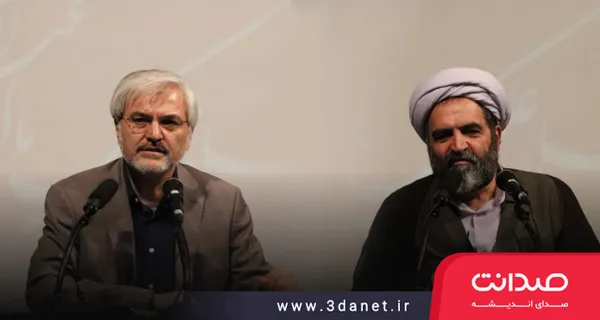
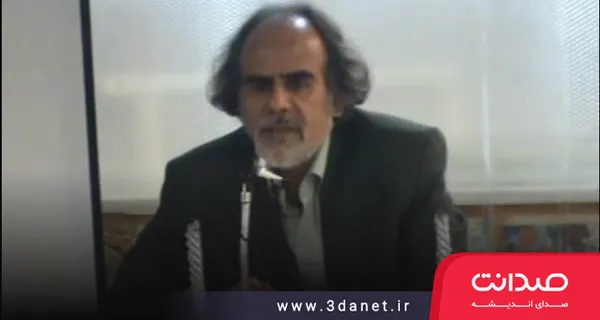
Mohammad Jafar Amir Mahallati's Lecture 'Manifesto of Friendship' at the Arche Thought Forum
At the 'Friendship Manifesto' session, Mohammad Jafar Amir Mahallati calls for a paradigm shift in friendship by comparing the evolution of slavery and rights-centered thinking—a discourse that gained fresh momentum after World War II and now examines the many dimensions of friendship.
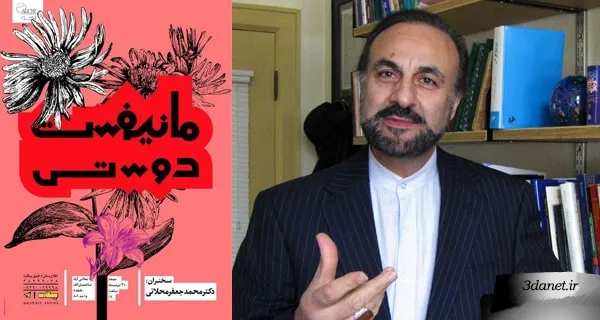
If it had been said five hundred years ago that one could live in a world free of slavery, probably no one would have believed that one of the foundations of the global economy could disappear, and it would have seemed an impossible, unattainable dream. Similarly, a hundred years ago, most schools of thought were duty-oriented, whereas today, rights-orientation is an established matter. In his talk, Dr. Mohammad Jafar Amir Mahallati sees friendship in the same light and seeks a paradigm shift in this field: in the medieval era, with the maturation of Protestantism and liberal philosophy, friendship fell into obscurity. The slightest indication of this is that Aristotle devoted two chapters of his book to friendship, while Kant expended no more than a few lines on it. After the Second World War, with the return of virtue ethics to academic spaces, focus and discussion on friendship began and took on new life. Dr. Mohammad Jafar Amir Mahallati, in his talk entitled "Manifesto of Friendship" at the Arche Thought Forum, briefly and in a list-like manner addresses the various manifestations of friendship in diverse realms such as the ontology of friendship, the sociology of friendship, ethics and friendship, the philosophy of friendship, the eschatology of friendship, love and friendship, and so on.
.
.
Audio of Mohammad Jafar Amir Mahallati's lecture entitled "Manifesto of Friendship"
.
.
Lecture title: Manifesto of Friendship
Speaker: Mohammad Jafar Amir Mahallati, Professor at Oberlin College, United States, and former Iranian Ambassador to the United Nations
Lecture venue: Shiraz / Ma'ali Abad Bridge / next to Mirza-ye Shirazi Metro Station / Building A (Golestan Cinema Complex) / 8th Floor / Unit 806 / Arche Thought Forum
Lecture date: July 21, 2017
Organized by the "Arche" Thought Forum
.
.

Discussion0 comments
No comments yet; let yours be the first voice.