Philosophy
Mostafa Malekian: A Philosopher Who Does Not Wish to Be Ashamed Before Humanity
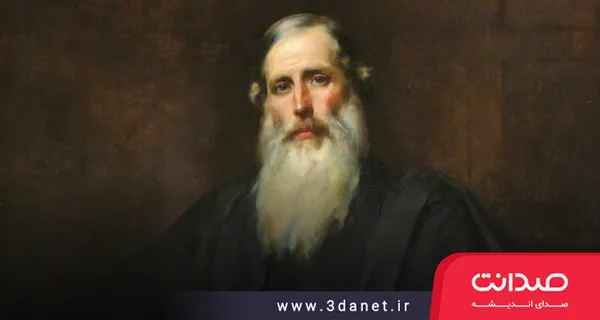
Mostafa Malekian is a philosopher who refuses to let humanity down—a thinker whose concern is not culture or civilization but the alleviation of suffering in flesh-and-blood human beings. For him, the human being is the ultimate end, and all abstract matters are its servants.
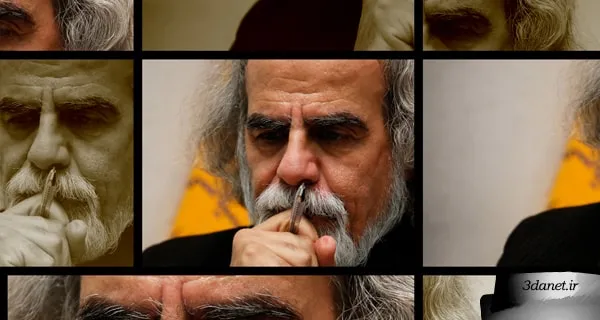
Truly, answering this question seemed difficult to me. I knew Mostafa Malekian only through his written and transmitted works. I have neither associated with him nor studied directly under his tutelage. Mostafa Malekian is, for me, truly an unseen teacher. A teacher with whom I have kept company only through his spiritual being. I have been more intertwined with the spiritual Malekian, not the physical Malekian.
Mostafa Malekian;
A Philosopher Who Does Not Wish to Be Ashamed Before Humanity
I have not written much about Mostafa Malekian. This is perhaps my first independent piece about him. Of course, the main impetus for writing this note is a question from an unknown friend. A friend who had read the delightful interview "A Cup of Espresso with Mostafa Malekian"[1] and spoke well of it. This friend asked me:
If you were to describe Mostafa Malekian in one sentence, what would you say?!
Truly, answering this question seemed difficult to me. I knew Mostafa Malekian only through his written and transmitted works. I have neither associated with him nor studied directly under his tutelage. Mostafa Malekian is, for me, truly an unseen teacher. A teacher with whom I have kept company only through his spiritual being. I have been more intertwined with the spiritual Malekian, not the physical Malekian.
Let me speak a little more clearly. By the physical Malekian, I mean establishing a physical, face-to-face relationship with him. If I attend his class or drink a cup of tea with him; if we walk together or I embrace him; all of these actualize the first type of Malekian for me—that is, the physical Malekian. Here, my relationship with Malekian is under the sway of his physical presence, and I behold him with my eyes. A relationship with the physical Malekian depends on the role-playing of his body for me, present on the scene. I see with my eyes that he is present and teaching. He is present and speaking; he is present and drinking tea; and so on and so forth. But the situation in a relationship with the spiritual Malekian is not like this. In a relationship with the physical Malekian, "if Malekian's physics is absent," the relationship will also be absent. Here, I do not enter into a physical, face-to-face relationship with Malekian and do not interact with him reciprocally. I deal with his spiritual presence and do not engage with his physics. In this relationship, I do not see his movements with my eyes and do not greet him with my hands, etc. This being the case, through what means do I enter into a relationship with the spiritual Malekian?! How do I sit at his feet and whisper with him?! The answer is clear: I relate to him and benefit from him through his various works. Here, I migrate to the world of his philosophizing and rationality and gather provisions from him. I believe that every thinker who produces works is alive in the works they create, and never dies.
Therefore, my relationship with Mostafa Malekian is not merely physical and face-to-face. I can enter into a relationship with his works and come to know his world. I can delve into his sayings and converse with him. This type of relationship is established and sustained only spiritually and does not at all rely on the physical presence of the other party.
Consequently, I have only the second type of relationship with Mostafa Malekian. That is, a non-physical and spiritual relationship. I have not encountered him directly and have not been in contact with him. I have only apprehended him through his enduring legacy.
Now I return to my initial words. A friend asked me:
If you were to describe Mostafa Malekian in one sentence, what would you say?!
According to what I have brought forth, my answer to this question is built upon these foundations:
اولاً پاسخِ من از دل رابطه با ملکیانِ نوع دوم سر برآورده است. پاسخ من برآیند ارتباطِ من با ملکیان معنویِست. من با ملکیانِ فیزیکال حشر و نشر نداشتهام. غور در آثار مکتوب و منقول او مرا به پاسخی__که در ادامه میآید،__کشانده است. دوماً پاسخِ من به سوال فوق برآیند ارتباط به آثار متأخر ملکیان نوع دوّم است. من با آثار دوران متقدم او کاری ندارم. هر چند پاسخ من مخالفتی هم با آثار ادوار پیشین زندگانی ایشان ندارد.
اکنون بهتر است به پاسخ سوال فوق بپردازم. من در جواب آن دوست ناشناخته تنها همین چند جمله را گفتم:
ملکیان فیلسوفیست که نمیخواهد شرمندهی انسان باشد. شرمنده از اینکه میتوانست برای این او کاری کند؛ امّا نکرده است. ملکیان فیلسوفِ انسان است؛ فیسلوفیست که میخواهد از دردهای انسان بکاهد و زندگی او را خوب و خوش و با ارزش نماید.
حقیقتاً به نظر من همین چند جمله گویایِ رسالت بزرگ این متفکر برجسته است. او متفکریست که تنها در جمع است. متعلِّق بحث و فحصهای او انسان و درد و غمهای رفته و رونده بر اوست:
«برای من اصلاً مهم نیست که چه اتفاقی برای اقتصاد جهانی، فرهنگ، تمدن، مدرنیته، سنت، دین، شریعت و … بیافتد، برای من انسانهای گوشت و پوست و استخوان دار است که مهم است و اینکه چه بلائی بر سرشان میآید. من اصلاً نمیفهمم که مثلاً اینکه میگویند اگر فلان کار بکنیم فرهنگ ایرانی فلان میشود، تمدن جهانی بهمان میشود یعنی چه؟ من میگویم ما در عالم فقط باید به فکر آدمها باشیم، ما باید کاری بکنیم که این آدمهای گوشت و پوست و استخواندار که به دنیا میآیند و رنج میکشند و از دنیا میروند با رنج کمتر از دنیا بروند یا با رنج کمتری زندگی کنند»[2].
برای ملکیان نه دین غایت است، نه سنت، نه فرهنگ؛ نه اقتصاد، نه سیاست. در نظر او غایت انسان است و انسان. هدف کاهش درد و رنجهای این موجود دردآگاه است. ملکیان انسان را __از این حیث که انسان است؛__ مهم قلمداد میکند. او ارزش انسانها را فارغ از تعلُّقاتِ انسانیشان درک مینماید. اینکه مثلاً حسین چه دینی دارد برای او مهم نیست؛ خود انسان بودن حسین برای او ارزشمند است:
«من نه دلنگران سنّتم، نه دل نگران تجدّد، نه دلنگران تمدّن، نه دلنگران فرهنگ و نه دلنگران هیچ امر انتزاعی از این قبیل. من دلنگران انسانهای گوشت و خونداری هستم که میآیند، رنج میبرند و میروند[3]».
بنابراین، این مرکزیت انسان در نظام معرفتی ملکیان همه چیز را دربرگرفته است. چه از نظر ملکیان تمامی این امور انتزاعی خادم انسانند و همهی این امور صرفاً با بود انسان نمود پیدا میکنند:
«حالا اگر شما نکتهای در فرهنگ و تمدنتان، در دینتان، در مذهبتان، در فلسفهتان، در عرفانتان، در الهیاتتان در علم تجربی طبیعیتان، در علم تجربی انسانیتان، در هنر و ادبیات و علوم تاریخیتان، در هر جا هر چیزی که به درد کاستن از درد و رنج این انسان گوشت و پوست و خوندار خورد، ما آن را أخذ میکنیم[4]».
نتیجتاً میباید ملکیان را اینگونه شناخت:
"ملکیان، فیسلوفِ تنها در جمع".
دیگر جهد اصلی ملکیان دین و سنت و فرهنگ نیست. اقتصاد و سیاست و تجدد نیست. تاریخ و شریعت و مدرنیته نیست. جهد اصلی ملکیان انسان و انسان و انسان است. همین نگاه اوست که وی را از دیگران:__آنها که دلبستهی اینگونه امور انتزاعیاند،__ جدا میسازد و او را در جمع امّا تنها جلوه میدهد. ملکیان درد انسان دارد و نمیخواهد شرمندهی او بماند.
چهارم دیماه هزار و سیصد و نود و پنج
.
.
[1] - An Espresso with Mostafa Malekian at the Fereshteh Book City Café
[2] -Mostafa Malekian's lecture titled “The Crisis of Spirituality – Presuppositions of the Spiritual Life” delivered at the Imam Sadeq Cultural Complex Auditorium in Isfahan on September 1, 2005.
[3] - Professor Malekian's lecture at the session “Rationality and Spirituality After Ten Years,” on May 18, 2010, at the Sheikh Ansari Hall of the Faculty of Law and Political Science, University of Tehran.
[4] - Ibid
.
.


Discussion0 comments
No comments yet; let yours be the first voice.