Religion
Rationality Is Not a Rival to Religion: A Critique of Mostafa Malekian's Rationality and Spirituality Project
Malekian considers rationality to be argument-based and religiosity to be a matter of submission, and he deems the two incompatible. The author finds this view unjustified, arguing that religious propositions can be accepted on reasoned grounds, since accepting the word of a philosopher is not unlike accepting the word of a prophet.
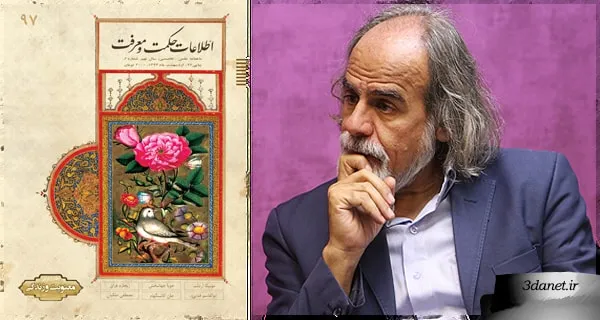
I recently listened to a lecture by Mostafa Malekian on his intellectual project, Rationality and Spirituality [1]. As always, the professor's words were worth hearing and thought-provoking, though to some extent they also seemed like a repetition of previous points. He spoke once again, as he has on prior occasions, of the incongruity and incompatibility between rationality and religion, emphasizing that the foundation of rationality is reasoning, while the foundation of religion is submission (ta'abbud). In the view of this esteemed philosopher, religion—insofar as it says: A is B because a certain person says so—does not square with rationality. Rationality is pure reasoning and cannot be reconciled with these acts of submission: "A Muslim accepts the word of God in the Quran or the word of the Prophet in the Quran or Hadith without question. The form and shape of a submissive person's speech, in word and deed, is that A is B because a certain person has said that A is B. If you do not have submission, you are not a follower of any religion [2]."
It goes without saying that this view of the professor places him in opposition to religious intellectualism. For, in his view, religious intellectualism seeks to reconcile religion with rationality, and this is a paradoxical endeavor: "The project of religious intellectualism suffers from an internal contradiction. For the sake of intellectualism, it must have reasoning, and for the sake of being religious, it must contain submission, and combining rationalism and submissionism is combining contradictories, or at least contraries. Instead of this project, after some developments, I proposed the discussion of rationality and spirituality. That is, spiritual intellectualism: for the sake of intellectualism, rationality is in it, and it is accompanied by spirituality [3]."
Therefore, this first-rate thinker's solution for an optimal reconciliation is to replace religion with spirituality. He holds that one should speak of spirituality alongside rationality, not religion. He considers spirituality to be non-submissive and therefore deems it compatible with reasoning.
Nevertheless, the author believes that the esteemed professor's view, though elegant, is unjustified. We must not be dazzled by the great name of this learned thinker and forget the crux of the matter. Epistemic authoritarianism is a form of mysterious idolatry, and its dangers are no less lethal.
Now, let me point out a few things regarding Professor Mostafa Malekian's Rationality and Spirituality project. These points are entirely critical in nature and relate precisely to his unjustified reading of the concept of religion being submission-based, and of course its incompatibility with rationality and reasoning:
- First, consider this Quranic verse: وَالَّذِينَ إِذَا ذُكِّرُوا بِآيَاتِ رَبِّهِمْ لَمْ يَخِرُّوا عَلَيْهَا صُمًّا وَعُمْيَانًا / And (the servants of the All-Merciful) are those who, when reminded of the verses of their Lord, do not fall upon them deaf and blind. (Al-Furqan/73)
Mentioning this verse is merely to recall that the Quran itself shows an aversion to submission. The salient point in this verse is the emphasis on employing reason and rationality. The Quran does not even want submission and deafness and blindness from us in the face of its own verses. One must observe the ethics of judgment and, without prejudice, consider the Quran as demanding reasoning.
We also read in the Quran: وَلَا تَقْفُ مَا لَيْسَ لَكَ بِهِ عِلْمٌ إِنَّ السَّمْعَ وَالْبَصَرَ وَالْفُؤَادَ كُلُّ أُولَئِكَ كَانَ عَنْهُ مَسْئُولًا / And do not pursue that of which you have no knowledge. Indeed, the hearing, the sight, and the heart—all of those will be questioned about it. (Al-Isra/36)
- Since I do not wish to argue entirely within the text, I will refrain from elaborating on the first point. And now the second point:
The esteemed professor has stated several times that religious beliefs arise solely from submission to a particular person or persons. Such a religiosity violates the principles of rationality and distorts them: "Any kind of imitation, submission, suggestibility, following the thoughts and fashions of the time is rejected in this thought and project. It is here that I oppose submission and have said that the essence of institutional and historical religion, and institutional and historical religiosity, is submission, and for this reason I oppose it. Because I believe it contradicts the authentic life. The authentic life, as I said, means acting with one's own understanding and discernment, the scale of which is my reason and moral conscience [4]."
Let us extend this particular belief to the actors in the sphere of rationality as well. I believe the same objection also applies (or can apply) to the sphere of rationality. If, in the sphere of rationality, argumentation plays the primary role regarding propositions, why should it not be so in religion? In my view, religious propositions can also be grasped through reasoning and, of course, wrestled with rationally. What I fail to understand is the active role of reasoning in the sphere of rationality and its retirement in the sphere of religiosity.
In this sense, if religion is dogmatic, rationality is also dogmatic; and if rationality is argumentative, religion is also argumentative. How, for instance, does Mr. Malekian accept the words of Thomas Nagel?! And elaborate upon his words?! Is this acceptance the product of argumentation?! How does he believe and apply the views of psychologists, philosophers, mystics, and so on?! And so forth. Truly, this distinguished scholar, in accordance with his own doctrine, has approached these matters through the lens of argumentation and has grasped various issues. He has neither been dazzled by the names of those great figures, nor has he fallen upon their thoughts blindly and deafly.
Now, let us add the name of the Prophet of Islam alongside the names of, say, Thomas Nagel, Søren Kierkegaard, David Hume, Abu al-Ala al-Ma'arri, and so on. What difference is there?! The Prophet of Islam is one like the others. Mr. Malekian must answer why, for example, the argumentative acceptance of the views of great thinkers is possible and rational, but the argumentative acceptance of the views of the Prophet of Islam is impossible and dogmatic?! How is it that one can receive the discourses of thinkers rationally and reasonably, but cannot do so with the words of the great figures of religion?!
Therefore, I hold that encountering the views of history's great figures knows no such separation, and thus dogmatism and argumentation (in this matter) have no clear and distinct boundaries. To suppose that rationality is pure argumentation and religiosity is mere dogmatism is an unfortunate notion. Just as religiosity can be dogmatic, it can also be argumentative. If we can, for instance, accept the view of a certain philosopher argumentatively, we can also accept the view of the Prophet of Islam. In this regard, there is absolutely no distinguishing difference between the Prophet of Islam and non-religious thinkers, and such differential treatment seems entirely unwarranted and unjustified.
Nevertheless, if we accept the view of Professor Mostafa Malekian, the consequences will be misleading. According to this perspective, we would then have to consider every individual who adheres to a religion as dogmatic and fundamentally devoid of any rational or argumentative merit, and set them aside from afar. Whether this individual is a well-reputed prophet like the Prophet of Islam, or a renowned philosopher like Sadr al-Din Shirazi.
Consequently, the author does not consider this rigid definition of religiosity and religious practice justified and deems them incomplete. There are many religious people who engage with religious propositions through the lens of argumentation and rationality and have not mixed rationalism with devotionalism. Although they respect the great figures of religion, they do not abandon their own perceptive faculties. Just like Mr. Mostafa Malekian, who, for example, holds great admiration for a certain history-making thinker yet grasps his views through reasoning. And so on.
- What I presented above was entirely concerning the rational-argumentative propositions of religion; propositions that, like any other rational-argumentative proposition, are graspable through reasoning. Propositions such as this one: "And I do not tell you that the treasures of God are with me, nor do I know the unseen, nor do I say that I am an angel, nor do I say of those whom your eyes despise that God will never grant them any good. God is most knowing of what is in their souls. [If I said otherwise,] I would then indeed be among the wrongdoers" (Hud/31).
And now the third critique. My other criticism of the professor's view is his fixed reading of all religious propositions. This prominent philosopher's definition does not encompass the entirety of religion. To put it more simply, the religiosity that Mostafa Malekian emphasizes pertains only to a part of religion. This definition is such that it seems certain aspects of religion are left out. Let us proceed with a categorization from the professor himself:
"If assent is sought from a human being for this proposition, the human being must also demand a reason in return; in this case, a proposition can take on various forms depending on the strength of the reasons, which we shall now explain.
- a. Rational Propositions (Rational) In the first case, the totality of the human being's own cognitive faculties, or reasoning power, can prove the truth of the proposition 'A is B.' According to epistemology, if a judgment or proposition is rational, it must be accepted.
- b. Anti-rational Propositions (Antirational) In the second case, the totality of the human being's own cognitive faculties, or reasoning power, can prove the falsehood of this proposition 'A is B.' In this case, the judgment or proposition is called anti-rational. According to epistemology, an anti-rational proposition must be rejected.
- c. Transrational Propositions: In the third and final case, the totality of the human being's own cognitive faculties, or reasoning power, has neither the power to prove the truth of the proposition 'A is B' nor the ability to prove its falsehood. In this case, the judgment or proposition is called transrational[5]".
In my opinion, Mr. Malekian's definition (if we disregard propositions of the second type) relates only to propositions of the first type, not to propositions of the third type. Religiosity does not encompass only propositions of the first type. Many religious propositions are transrational propositions. These propositions are not of the rational kind that can be grasped through reasoning. It is better to consider the feet of the reasoning folk here as wooden and unreliable. I believe that issues such as faith, miracles, prayer, and so on are all of the third type of proposition.
Therefore, I believe that rationality and religiosity are never two blessings of equal weight and with the same boundaries and limits. The whole world is not filled with reasonings. Religion is a valuable collection that, of course, also carries rationality along with it. As I said, the existence of transrational religious propositions constricts the path for rationality. Which reasoning can explain the story of Abraham and his son Ishmael/Isaac? It would be good for the esteemed professor to explain what his project will do in the face of such propositions?! What solution will this project propose?! In my view, the author of the Rationality and Spirituality project has placed too much stock in reasoning and rationality, and has stretched its legs beyond its rug. For, religiosity speaks words that have truly benefited from a non-reasoning and transrational substance, and thus are oriented towards faith, love, and the quest for God. As Rumi says: "Whatever I say in explanation and exposition of Love, / When I come to Love itself, I am ashamed of that. / Though the commentary of the tongue makes things clearer, / Yet Love unspoken is clearer still. / As the pen was hastening in writing, / When it came to Love, the pen split upon itself. / Reason, in explaining it, lay down like a donkey in the mud; / It was Love itself that told the tale of Love and loving. / The sun is the proof of the sun; / If you need proof, do not turn your face from it[6]".
Consequently, if we wish to use an organismic analogy and relate it to the issue of this writing, we must say this: Religiosity is a body, one of whose members is reasoning and rationality, and of course its other members are faith, God, the afterlife, prayer, miracles, and so on.
Therefore, according to this point, I believe that the aforementioned project pertains only to a part of the realm of religion and religiosity. The Rationality and Spirituality project shies away from addressing many religious issues and leaves them completely abandoned. The meaning of religion is not merely summarized in what the esteemed Professor Malekian states, and indeed surpasses it. Religion includes propositions that no discursive reason can grasp, and thus cannot attain an understanding of them with the weapon of rationality. As Rumi again says: "That which is nearer to you than your jugular vein, / You have cast the arrow of your thought far away. / O you who have fashioned the bow and arrows, / The prey is near, and you have shot far. / Whoever shoots farther, he is farther away, / And from such a treasure, he is more forsaken. / The philosopher killed himself with thinking; / Tell him, 'Run, for his back is toward the treasure.' / Tell him, 'The more he runs, / The more distant he becomes from the heart's desire[7]'".
- But another point concerns the meaning that the esteemed professor intends by the concept of spirituality. What this capable scholar has emphasized is nothing other than the theology of the unity of being: "If we go deeper, there is something in me called the spirit that is not exclusive to me. This spirit is the deepest depth of my existence, which is one with the deepest depth of the existence of every human being and every entity. Religions have called this God. Our reliance, trust, dependence, and confidence should be in it. The body, mind, and psyche need the spirit. One must pass beyond these three to reach the spirit, so that all the disorders I have in body, mind, and psyche may be healed through it. I ask of myself to be healed; I am both the patient and the physician. A saying is attributed to Imam Ali: 'Atazumu annaka jirmun saghir / wa fika antawa al-alamu al-akbar'—You think you are a small being, yet the greatest world is enfolded within you. 'Dawa'uka fika wa la tubsir...'—Both your remedy is from you and your pain is from you, and you do not know. If I realize that I am my own only rescuer, but a self that every human being shares in that depth, the result is that, firstly, I should not look to anything outside myself in any respect, whether for solving a problem or removing a difficulty."
And: "They say that is a cloud... that is a human... that is a stone, and they are not God, and there is an entity in existence that is God and is none of them. In this view, the galaxy, the wood, and the human, while being themselves, are also God. The first difference of this belief is that there is no specific entity called God—not that God does not exist, but that there is no specific entity called God; that is, existence is filled by one entity, which can be named God, the Soul of the World, the Truth, the Spirit, the Ultimate Reality, the Truth of Truths. When this is so, that entity has no relation or connection with any group that differs from another. This is another difference between spirituality and religions[8]."
Therefore, the third point observes that the concept of spirituality in the said project does not have a particularly novel meaning. This concept is the same theory of the theology of the unity of being, but under a new name. That all are God and the world is full of God is not a new idea; that a person must realize their own divinity is not a new idea; that the world possesses a universal and sublime spirit is not a new idea. All of these have been said before, and critiques and reflections have been made upon them.
Consequently, if we were to call the said project Rationality and the Theology of the Unity of Being, it would make no difference. In this project, the distinguishing feature between the concept of spirituality and the theology of the unity of being is not clear, and the two appear to be completely intertwined. And...
- Let this be my final point regarding the Rationality and Spirituality project of the esteemed Professor Mostafa Malekian. This point concerns the homogenization and uniform perception of all religious people and all the devout.
First, consider this statement by the professor: "In religion, rationality is compromised in two ways. One is processual, the other is product-oriented. In spirituality, there is neither a processual conflict nor a product-oriented conflict.
The processual conflict was that there is a flawed process in religion, which is that 'A is B' because a certain person said A is B. In spirituality, the truth of a statement does not depend on it being said by a certain person. Therefore, when I say there is no need for dogmatic adherence, it does not mean we should close our ears to every word. We also need the teachings and doctrines of the founders of religions and sects, mystics, sages, empirical scientists, historians, artists, and even logicians and mathematicians. But it means that I hear their words, then I refer to the scale of my reason and see which of them I should accept. Not that I accept it because a certain specific person said it.
In terms of products, since the holy books contain the sciences and knowledge of their own eras, accepting them now brings them into conflict with the latest achievements of the sciences and humanities. Every religious person, when referring to the sacred texts of religions and denominations—since each was written in a specific temporal, spatial, and situational context—is under the influence of the knowledge of that time, and if I wish to remain religious, I must affirm something while the latest achievements of human sciences and knowledge say something else. Reconciling these two is reconciling opposites or contradictories. The latest human sciences and knowledge, for instance, do not say that every living being has a male and female, or that it is a bony seed around which flesh later forms. The next problem is that sacred texts were written under the influence of the sciences and knowledge of their time, and today we have reached solutions and remedies where reconciling revealed data and human findings is impossible. Sacred texts have made statements about physics, chemistry, biology, psychology, and so on that the latest human sciences and knowledge do not permit me to accept. Reconciling intellectualism and religiosity, in terms of the products of reason and religion, is impossible. In spirituality, there is no sacred text to which we must be committed. There are other aspects as well. I mentioned two. There is no process called devotional adherence, and there are no revealed products[9]."
This is not so; these statements do not apply to all religious people. In my opinion, we must distinguish between traditional and non-traditional religious people and not tar everyone with the same brush. As far as I know, non-traditional religious people have never considered the culture of the Prophet of Islam's time sacred, nor have they derived universal understandings from the local verses of the Quran. It is unfair to view everyone with the same eye and pretend not to see the distinctions that have been made. What the esteemed professor has put forward can only pertain to a segment of religious people (the lay religious) and be a critique of their manner of religiosity. Methodical understanding of the Quran, distinguishing between essential and accidental verses, and so on, all show that non-traditional religious people have never been bound by the geography of revelation and therefore have not been beguiled by secondary matters. You cannot compare the religiosity of someone like Abdolkarim Soroush with the religiosity of an ordinary person on the street like Ali or Kiumars, and then extend the flawed religiosity of the latter to Abdolkarim Soroush. This generalization is an unjustified and inauspicious generalization and is not at all acceptable or admissible.
.
.
Final Word
Consequently, the author believes that the Rationality and Spirituality project does not hold a very correct position regarding religion and religiosity, and thus reaches undesirable conclusions. The world is not entirely filled with reasoning, nor is religion. Religion possesses gifts that indeed transcend the bounds of reason and cannot be grasped entirely through argumentation. It is better to let go a little of the mind with a philosophical foundation and grant some credence to matters of faith. Religion's fundamental message is faith, and faith is a supra-rational and reason-averse matter.
.
.
[1] - The transcribed text of this lecture (Reconcilability/Irreconcilability of Spirituality with Rationality)
[2] - Ibid.
[3] - Ibid.
[4] - See: The text of Professor Malekian's lecture at the session "Rationality and Spirituality after Ten Years," dated 18 Ordibehesht 1389 in the Sheikh Ansari Hall of the Faculty of Law and Political Science, University of Tehran.
[5] - Refer to: Spirituality and Rationality/ A Conversation with Mostafa Malekian, Naghmeh Parvan, Ettela'at-e Hekmat va Ma'refat.
[6] - Masnavi-ye Ma'navi / Book One / Section 6
[7] - Ibid: Book Six / Section 79
[8] -See: Lecture by Professor Mostafa Malekian, dated 30 Bahman 1395, at the Tehran Hall of Culture and Art.
[9] -Ibid.
.
.
Rationality Is Not a Rival to Religion: A Critique of Mostafa Malekian's Rationality and Spirituality Project
By Hossein Pourfaraj
23/12/1395
.


Discussion10 comments
مدعیان پذیرش عقل باید نظر عقل در باره توحید را بپذیرند. دلایل توحید انکار نا پذیر و تردید ناپذیر است.
عقل ، انسان را به باور میرساند و مهمترین باور ، اعتقادات دینی است. بعضی فقط مدعی طرفداری از عقل ومنطق هستند ولی بدون رسیدن به هیچ باوری به دور خود می چرخند. اینها باید بدانند که اصول دبن با دلیل پذیرفته می شوند. اکنون معلوم شد که عقل و دین کاملا با یکدیگر هماهنگ هستند.
علی جان ممنون از جوابیه ی روشنگر شما
“استاد ملکیان” سالهاست سعی میکنند که به عده ای فیلسوف نما بقبولاند که بین “باورمند بودن” و “عقل”، تضاد وجود دارد، ایمان جز از طریق زیر پا گذاشتن اصول “منطق” ممکن نیست و باورمند با “پیش فرض” گرفتن خدا در پشت استدلالهایش، در حال انجام مغالطه ای ابتدائی است. در نتیجه، در تحلیل نهایی او نهایتا از طریق “تعبد” است که “ایمان” آورده و باور دارد.. (هر چند خود حاضر به اعتراف به این مسئله نباشد).. آن مغالطات چیستند ؟؟ مغالطه های: “پیش فرض” ، “دور” و “مصادره به مطلوب” و ... واقعا خوشحالم که امروز، این مسئله به “شکلی عملی” هم, برایم ثابت شد ……
جناب آقای پورفرج، به نظر من میرسد برای آنکه بتوانم درباره یکی از گزارههای یک کتاب یا سخنی از یک پیامبر شروع کنم به ارزیابی عقلی، باید اول فرض مقدس بودن آن کتاب یا معصوم بودن آن پیامبر را کنار بگذارم. و حتی بعد از آنکه با عقل ورزی آن گزاره را پذیرفتم، باید این احتمال را بپذیرم که ممکن است اشتباه کرده باشم و باز هم نمیتوانم به تقدس آن متن یا معصومیت پیامبر قائل باشم. آیا همین من را تبدیل به یک مرتد نمیکند؟ متشکرم
جناب آقای پورفرج ؛ 1.پیش فرض ملکیان اینه که دیانت مبتنی بر تعبده . خب حالا اگر شما دوست دارید اسم این رو بذارید دین سنتی و یک روش درست کنید که مبتنی بر تعبد نباشه و اسمش رو بزارید دین غیر سنتی . در هر حال شمایی که معتقد به نوعی دینداری غیر مبتنی بر تعبد (بر فرض امکان) هستید از محدوده ی حکم ملکیان بیرون هستید . در واقع ادعای ملکیان اینه که استدلال ورزی جایی که تعبد وجود داره معنا نداره . حالا شما اگه نشون دادید در جایی تعبد نیست مسلما اونجا استدلال منع ورود نداره. 2. فرمودید سه نوع گزاره داریم و از ملکیان استفتا کرده اید که راجع به گزاره های خردگریز چه کنیم . نه فقط در دین بلکه غالب اونچه که گفته می شه و نوشته می شه خردگریزه . شما به چه دلیل نسبت به فرد خاصی یا کتاب خاصی تعبد دارید ؟ آیا شما که متعبدانه تعداد دروازه بان های جهنم رو 19 تا می دونید چرا همین تعبد رو در مورد عهد عتیق مثلا ندارید ؟ اگر تونستید استدلال کنید که کتاب مقدس شما بر کتب مقدس سایر ادیان برتری معرفت شناختی داره تعبد شما موجهه (اصلا دیگه اسمش تعبد نیست) در غیر این صورت پذیرفتن فقره ای از کتاب مقدستون ترجیح بلا مرجحه . نمی شه هر کی از خواب پاشه یک مشت گزاره ی خردگریز بگه یه عده هم راه بیفتن بگن آقا چون دست عقلمون به این جاها نمی رسه پس این حرفا رو قبول می کنیم ! به عبارت دیگه خردگریز بودن یک گزاره مجوزی برای قبولش نیست. 3. فرمودید که توی ملکیان واسه چی حرفای تامس نیگل رو قبول می کنی . سوال : آیا ملکیان حرف نیگل را از آن رو که نیگل است قبول می کند ؟ یعنی آیا مث این داور های مقالات ، سربرگ مقاله رو جدا می کنه و می خونه یا نه اول اسم نویسنده رو نگاه می کنه بعد می خونه (شاید هم نمی خونه !) من حتی ملکیان رو هم کار ندارم کسی که می گه من عقلانی ام (تابع استدلالم) اگر حرف تامس نیگل رو از اون رو که تامس نیگل گفته است قبول می کنه این البته خطا کرده که گفته من عقلانی ام. اما یک دیندار بما این که دینداره اولا رجحانی بر همه ی سخنان عده ای بر همه ی سخنان بقیه می بینه ثانیا به خاطر همین رجحانی که می بینه اول می گرده ببینه این حرف از دهن کی اومده بیرون . به خاطر همین هم هست که ملکیان صد در صد حرف های تامس نیگل یا زید یا عمرو رو قبول نمی کنه ولی یک دیندار به هیچ وجه حاضر نیست بگه بنیانگذار دین من حتی در یک جا اشتباه کرده . به عبارت دیگه اگر شما جلوی یک دیندار متنی رو گذاشتید و گفتید نقدش کن . گفت به این دلیل به این دلیل به این دلیل این قسمتو قبول ندارم اون قسمتم قبول ندارم این قسمت دیگه رو قبول دارم ؛ بعد بهش جلد کتاب رو نشون بدید اگر از حرف هایی که زده توبه کرد و به اصطلاح به غلط کردم افتاد بدونید این آدم تعبد داره نسبت به نویسنده . شما بسیاری از آنچه که در کتاب دین خودتون هست رو فقط چون اون تو هست بهش نمی خندید . 4. درباره ی معنویت این که هی می گید « این که حرف تازه ای نیست این که حرف تازه ای نیست » من نمی فهمم مگه ملکیان گفته حرف تازه ای است ؟ حداقل 2500 ساله که معنویت رو شناخته ایم . بعدش ، فرض کنیم حرف جدید نباشه ، کی چی؟ نوشتید : نتیجه می گیریم که می شه به جای اسم فلان بهش گفت بهمان ! خب شما بگید بهمان ! نزاع لفظی دارید آیا ؟! 5. یک رویه ای که باب شده اینه که میان آیه رو از ریخت و قیافه می ندازن و یک تفاسیر عجیب و غریبی از آیه ارائه میدن که به زور خرد ستیز نباشه و فکر می کنن با این کارشون می تونن گزاره ی خردستیز رو یواشکی هلش بدن تو گزاره های خردگریز . مثلا آسمان های هفتگانه می شه آسمان های معنا و این حرفای عرفانی که دیگه دست عقل بهشون نرسه. بعد اسم اینو میزارن دین غیر سنتی . در حالی که این عقب نشینی باعث عقلانی شدن دیندار نمی شه چرا که وقتی همه ی گزاره ها خردگریز شد ، دیگه دیندار نیازی به استدلال کردن نداره . اما توجه نمی کنن که رد و قبول گزاره های خردگریز بدون معیار ممکن نیست. اگر معیاری دارید ، بفرمایید حجیت معرفت شناختیشو اثبات کنید. 6. این قسمت یک توصیه ی دوستانه به شما نویسنده ی محترم هست : اولا ما عادت کردیم با کلماتمون قداست درست کنیم واسه کسانی . این استاد استاد گفتن های شما اگه امروز نه ، چند وقت دیگه یه عده ای رو به ملکیان متعبد می کنه . خطاب کردن البته باید مودبانه باشه اما این القاب و اوصاف رو خود ملکیان هم بدونید راضی نیست و یه جایی این رسم مرید و مرید پروری باید شکسته بشه که اگه شما امروز می تونید به ملکیان انتقاد کنید با این وضع تا چن سال دیگه بگید بالای چشمش ابرویه شب باید با ترس و لرز بخوابید که نکنه مریدانش کان لم یکن شیء مذکورا تون کنن. ثانیا تا می تونید جوری صحبت نکنید که گویی بزرگان هم پشت سر شما ایستاده اند و با شما هم نظرند . لذا از به کار بردن آیات قرآن و ابیات مولانا و غیره جدا خودداری کنید چون اولا ناخودآگاه ممکنه چیزی از آیه بفهمید که مراد گوینده نبوده ثانیا باز هم ممکنه ناخودآگاه آیات و ابیات رو دستچین کرده باشید و قسمتی دیگه رو که مخالف رای شماست مغفول قرار داده باشید که این کار ها جز اذیت کردن مخاطب سود دیگه ای نداره . چرا که کسی که داره استدلال های شما و فقط شما رو گوش می ده باید غصه ی تفسیر اشتباه و غیره رو هم بخوره . لذا با ابیات مولانا استدلال نکنید و اگر که استدلال نبوده و فقط استشهاد بوده و کمکی به استدلالتون نمی کنه حتی اگر اعصاب و روان خواننده رو در نظر نمی گیرید حداقل به خاطر اجتناب از بلند نویسی ، درب گنجینه ارزشمند حافظتون رو در مجالس شعرخوانی و مولانا پژوهی و دورهمی بگشایید موفق باشید
سلام علی عزیز کامنت شمارا با دقت خواندم. ممنون از نظر و نکات خوب شما. البته من از استاد ملکیان بسیار آموخته ام و استاد خطاب کردن ایشان نه از روی عادت بلکه از روی شخصیت والای علمی ایشان است. همچنین نقد ایشان هم رواست. به هر حال از نکات شما بهره بردم. سپاس فراوان
آقای پور فرج گرامی، اولا، فقط یک بار به دادگاه های محترم خانواده تشریف ببرید تا خواهر های مان را ببینید که با چه استنادات و استدلالات اقوایی مشمول احکام طلاق و نفقه یا حضانت و تمکین می شوند، یا اجرای مراسم قسامه را ملاحظه بفرمایید تا ربط استدلال و احکام واقعی و عینی را با پوست و رگ و پی ی انسان ها دریابید، آنگاه عبارات مقدس قرآن مجید را به صورت گزینشی دستمایه ی کلام بر خلاف واقع خود کنید. بیانات قرآن کریم را فقط در میانه ی سیاق و کانتکست خود باید درک کرد و روایت کرد و فهمید. قرآن کریم آیه ی شریفه ای هم دارد که صریحا نگاه عده ای را رد می کند که: «یومنون ببعض و یکفرون ببعض» صریحا فرموده که نمی شود یکی را قبول کنی و آن دیگری را چرتکه استدلال بیندازی و رد کنی، این کار نشدنی است، همچنانکه عموم علمای بزرگوار دین ( و نه عوام، به تعبیر شما)، کسی را که حکمی از احکام مسلم فقهی را (همچون حجاب) قبول نداشته باشد، مرتد می دانند. کافی است به رساله ی عموم بزرگان نگاه کنید. اگر روایت یا آیه ی شریفه ای باشد که صریحا بفرماید الف ب است، شما در چارچوب دین مبین، آیا هیچ گونه اجازه ای داری که چند و چون کنی؟ صحبت ملکیان (بدون تعابیر تکراری شما، همچون استاد مسلم و...) بر سر این نیست که فلان آیه ی شریفه اصرار بر نادانسته ها را رد کرده یا نه. او به درستی و مستندا می گوید: «آقا وقتی فصل الخطاب وجود دارد، اجتهاد ممنوع است، اجتهاد در برابر نص مقبول نیست والسلام» در دین فصل الخطاب دارین و بس. حالا هی شما بگو ولا تقف فی ما لیس... ، و کلام خدا را به نفع دانش و عقل خود معنی کن، اگر توانستی یک رئیس محترم دادگاه را در یک بحث دینی و با استفاده از آیات شریف مجاب کنی، آن گاه ملکیان هم باید حرف خود را پس بگیرد. در مجموع، با وجود امیدواری به خواندن یک نقد جانانه از ملکیان، مثل نقد امیر یحیی آیت اللهی، بحث جنابعالی متاسفانه و با عرض معذرت، و بسیار بسیار ضعیف بود و شاید اصلا در قد و قواره ی نقد نبود. دوستان صدانت، با وجود نگاه ارزنده ی لیبرال خود، بهتر بود به شما همین نکته و چند ایراد آشکار دیگر را به شما یادآوری می کردند، تا در این زمانه ی مراد پرستی، شاهد نقد اندیشمندی نامدار، در زمان حیات خود باشیم تا او را از ترکتازی ی طبیعی هر انسان نامداری با خبر کند و نقص هایش را ترمیم. به امید خواندن نقد های بسیار پخته تر شما نسبت به آقای ملکیان و نور افشانی ی بیشتر شما. ملکیان همیشه به نقد بیرحمانه و در عین حال مشفقانه نیازمند است. با تشکر از اعتنای تان.
سلام دوست گرامی جناب کاظمی عزیز پاسخ و نقد مودبانه و ناصحانه شما را خواندم. ابتدا از صرف وقت شما سپاس دارم. اما چند نکته را جهت ایضاح کلام لازم می دانم. ۱- امیدوارم اشتباه کرده باشم، اما گویی شما یا مطلب حقیر را کامل نخوانده اید و یا اگر خوانده اید با دقت نخوانده اید. من در انتهای بحث آوردم که می باید میان دینداران سنتی و غیر سنتی تمایز بگذاریم. آنچه شما درباره دادگاههای خانواده به آن اشاره کردید مربوط به دینداران سنتی است که البته من هم با شما در این فقره هم رایم. می باید دست از این گونه نگاه ها بکشیم. ۲- دوست عزیز آنچه شما درباره جغرافیای نزول و زمینه وحی به آن اشاره کردید کاملا درست است اما همه گزارههای قرآن لوکال نیستند. بسیاری از گزارههای متن را می توان یونیورسال نامید. یعنی می توان آنها را فرا زمانی-فرامکانی دانست. من دو آیه مذکور را از این دست می دانم. برخلاف نظر شما برآن نیستم که قرآن را گزینشی دریافته باشم. چناچه در اول آوردم شما متن مرا بی دقت خوانده اید. من در نکته اول گفتم که ذکر دو آیه قرآن صرفا جنبه تذکار دارد و من مشغول بحث درون متنی نبوده ام. ۳- آنچه از کلام شما مشخص است این است که خود شما گویی هی از دین به معنویت و از معنویت به در حال حرکتید. موضع شما اصلا مشخص نیست. یک جا دینی سخن می گویید و یکجا معنوی. به عبارت دیگر شما سردرگمی شدیدی از دانش دیگران گرفته اید و این شاید محصول برداشتهای سرسری و غیر روشمند شما از نظریات مختلف است. ۴- از نگاه شما مشخص است که یک طرفه به قاضی می روید و حکم می دهید. من در این چند روز با بازخوردهایی مواجه شده ام که بسی مغایر با نظر شماست. اینجا فضای فکر و درانداختن اندیشه است. خوب است اگر سخن و نقد درستی چنانچه در قد قواره نقدی اصولی باشد(چنانچه فرمودید) دارید، بنگارید تا بنده نیز بیآموزم. والا بیان چند نکته رونوشتی آنهم ناپخته و غیر مربوط چندان کار علمی و معرفتی نیست. با مهر فراوان
اقای پور فرج گویی تنها همین سخنرانی اقای ملکیان را شنیدهاند برای مثال بسیاری از گزاره هایش هر دینی خرد ستیز هستند در صورتی که در معنویت اینگونه نیست. در باره اینکه دین استدلال گراست و با عقلانیت جمع پذیر است هم ادعایی بس بی اساس است حال آنکه اقای پور فرج منظور خود از دین را کاملاً توضیح ندادهاند که دین اسلام مسیحیت یهودیت. بودیسم یا ده ها و صدها دین دیگر کدام مورد نظر ایشان است در کل نقد ایشان چه به اقای ملکیان چه به عقلانیت و معنویت کاملو پخته و جامع نیست