Religion
No Ceiling on Polygyny in the Qur'an
The Qur'an does not set a fixed ceiling for polygamy but rather entrusts it to social conditions. The phrase 'mathna wa thulatha wa ruba' (in twos, threes, and fours) indicates absolute multiplicity, and the verse is intended as a recommendation to improve the lives of unprovided-for women, not as an unconditional license.
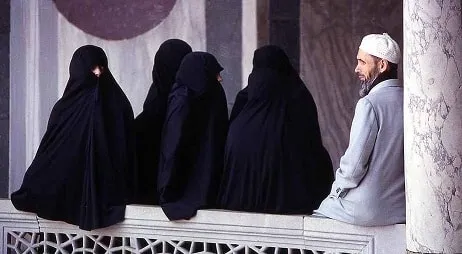
The common understanding of verse 3 of Sūrat al-Nisāʾ is that the Qur'an permits polygyny but sets a ceiling of four. Hence, today many who oppose polygyny and consider it a violation of women's rights attack the Qur'an. In response, the religiously observant defend it, and some even permit mutʿah in addition. Meanwhile, some restrict the permissibility of polygyny to the early Islamic period, or at most allow it under specific conditions. In this article, I intend to be bold and show that everyone has been mistaken, and that the Qur'an did not set a ceiling for polygyny; rather, it left it to social conditions to balance themselves out naturally.
The verse in question states: "... fa-nkiḥū mā ṭāba lakum mina al-nisāʾi mathnā wa-thulātha wa-rubāʿa," ... then marry what pleases you of women, two and three and four. The first point is that this phrase is not in the position of "granting permission" but rather of "recommendation"; that is, the verse does not say you are permitted to marry up to a ceiling of four, but rather recommends that if you cannot maintain equity among orphans, marry women who please you, two and three and four. In other words, it is a kind of encouragement toward polygyny. I will explain the reason for this in the lines ahead. If the Qur'an's intention were to set a ceiling for polygyny, it would have stated plainly: you are permitted to marry a maximum of four wives.
The second point is that the phrase "mathnā wa-thulātha wa-rubāʿa" expresses absolute "multiplicity," not necessarily a multiplicity of a maximum of four. The Qur'an uses this phrase in only one other verse, at the beginning of Sūrat Fāṭir: "al-ḥamdu lillāhi fāṭiri al-samāwāti wa-l-arḍi jāʿili al-malāʾikati rusulan ulī ajniḥatin mathnā wa-thulātha wa-rubāʿa." What is meant by angels with two wings, three wings, and four wings? Before answering this question, we must first ask what is meant by angels. According to the verses of the Qur'an, angels lack will, and their function is fixed and unchanging. In other words, since angels possess only those fixed attributes that God has placed in their essence, they are in reality the very forces present in existence that have no will of their own, such as the force of gravity. "By way of explanation, anything that falls under the category of 'forces' does not possess existence in and of itself and has no being of its own; rather, its being depends on the establishment and continuation of a kind of 'relation,' and a relation is formed when two existent things connect with one another in some way, that is, exert force upon each other."(1) Hence, a one-winged angel does not exist, because at least two existent things, as two wings, must exist to exert force upon one another for a relation to form and an angel to come into being. Now, we know today that some of the forces in the universe—angels—come into being from the interaction of numerous phenomena, the multiplicity of which sometimes exceeds four. Therefore, when the Qur'an says "mathnā wa-thulātha wa-rubāʿa," it does not mean a maximum of four, but rather absolute "multiplicity"—a multiplicity, of course, that increases stage by stage: first two, then three, four, five, and so on.
Let us return to the opening verses of Sūrat al-Nisāʾ; these verses first recommend upholding equity (qisṭ) among orphans, then state, “وَإِنْ خِفْتُمْ أَلَّا تُقْسِطُوا فِى ٱلْيَتَامَى فانكِحُوا مَا طَابَ لَكُم مِّنَ ٱلنِّسَآءِ مَثْنَى وَثُلاثَ وَرُبَاعَ”—if you fear that you will not deal equitably with the orphans, “then marry (fankiḥū) …”. Let us note that the subsequent phrase begins with “fa-”, meaning this phrase is dependent on the preceding one and is a stage after it, not an independent statement. Thus, the Qurʾān’s intent is: O people, you must strive to improve the livelihood of orphans and unprovided-for women; of course, the first priority is with orphans because they suffer from minority of age. But if you fear that you will not uphold equity regarding them, then help improve the livelihood of the needy from another aspect, namely by marrying, from among the unprovided-for women, those who are agreeable to you—according to your capacity, two, three, four, five, and so on—until this social problem is resolved. Yet, if you still fear that you will not be able to observe justice among your wives, then it is better to refrain from polygyny; of course, marry as many as you can from among those whom your right hands possess (mā malakat aymānukum), and do not worry so much about observing justice regarding them, for it is better for them if their milk al-yamīn relationship—that is, the master–slave-girl relation—is transformed into a husband–wife relation.
It is of great importance to note that those women who have been left unprovided-for—meaning they are neither within the fortress of their own family nor within the fortress of a husband—naturally did not possess any particular beauty or charm, or had some problem such that no one had sought to marry them until then, and naturally men have little desire for such marriages, since they appear to increase the burden of livelihood and so forth, and hold no pleasure for them. Hence the Qurʾān says: “fankiḥū mā ṭāba lakum”—“ṭāba” indicates a relative, not absolute, attraction. That is, those women who are good and suitable for you, whom you do not dislike but rather find relatively agreeable, marry them; for otherwise, you will most certainly not observe justice regarding them. It is also important to note that the concern about failing to observe justice in this verse pertains, for the most part, not to the detriment of the first wife, who was more desirable, but to the detriment of the second, third, and fourth wives, in marrying whom there was no great infatuation or affection, but rather it was out of assistance, compassion, and the like. The Qurʾān warns that if marrying them entails unjust treatment toward them, then it is better that these marriages not take place. Let us note that at the time of the Qurʾān’s revelation, there was no limit on polygyny; rather, anyone who had the means could propose to and take as wives as many women as he wished. Of course, in such a case, justice might not be observed toward the first wife. But the subject of verse 3 of Sūrat al-Nisāʾ is not those women with whom men are delighted to marry, but rather women who received little attention from men.
Verse 50 of Sūrat al-Aḥzāb also supports the author’s claim that no ceiling on polygyny is set in the Qurʾān, for in this verse the lawful marriages for the Prophet are enumerated in addition to his previous wives. The verse (in a fluent, conceptual translation) says: “O Prophet, only relations with the wives whose dowries you have paid are lawful for you, and your marriage to those whom your right hands possess, whom God has granted you, is lawful; and also marriage with the daughters of your paternal uncles, paternal aunts, maternal uncles, and maternal aunts who emigrated with you; and also marriage with women who wish to bestow themselves upon the Prophet of God and themselves propose marriage. But, O Prophet, their proposal is only for you, by virtue of your being the Prophet of God, and you have no right, out of self-sacrifice and kindness to another, to tell them, ‘Marry such-and-such a believer instead of me,’ and place him in the predicament of accepting their proposal; for their hearts are set only on marriage with you, and not with other believers. Their proposal is solely for marriage to the Prophet, and not to another. God Himself knows how to resolve the marriage affairs of the believers so that there be no hardship upon you.”(2)
Let me also add this explanation: “Verse 52 of Surah al-Ahzab did not nullify the ruling of verse 50, because in ‘It is not lawful for you [to marry] women after this, nor to exchange them for other wives, even if their beauty pleases you, except those your right hand possesses,’ ‘after this’ is not temporal; rather, it means beyond the scope and extent of this category of women mentioned in verse 50, in addition to those whom your right hand possesses that the Prophet would henceforth acquire. For after the consolidation of the Prophet’s position and charisma, his marriages increasingly took on a political function, and God precluded this with these verses so that a proposal of marriage from the Prophet would not become a cause for boasting and a special status for the one proposed to.” (3)
Based on the explanations provided, no ceiling for polygyny has been specified in the Qur’an, and the practice of the Prophet and his close followers also confirms this claim, as they simultaneously had more than four wives. However, whether, from the Qur’an’s perspective, it is permissible to establish conditions and limitations on polygyny through legislation is a matter of debate that falls outside the scope of this article. I hope to address it on another occasion.
.
.
Endnotes:
1 — Adapted from the article “Iblis; the Fire of Ambition, Satan; Born of Power Relations”
2 — Adapted from “Open Discussion on the Meaning of Malek-e Yamin”
3 — Ibid.
.
.
No Ceiling on Polygyny in the Qur’an
Nima Haghpour — 11 November 2016
nima.haghpoor@gmail.com
.
.




Discussion14 comments
یک عده به عنوان کامنت گذار در این سایت به صورت سازمان دهی شده می آیند و به مطالب حمله میکنند. کارخانه عرفان آقا مصطفی ملکیان این چنین محصولاتی دارد. الگوی حمله آنها به مطالب غیر از مطالب آقا مصطفی این است "این مطلب مزخرف است من صرفا به چند مورد آن اشاره میکنم" در این کارگاه آنها صرفا توحش فراگرفته اند.
یکی از معزلاتی که بسیاری از پیروان ادیان با آن مواجه اند اظهار عجز در فهم فحوای کلام و قائل بودن به این موضوع هست که حتما برای این امر حتی غیر اخلاقی حکمت و توجیهی وجود دارد.در این موارد فرد برای گریز از بن بست فکری به توجیهاتی که صرفا ساکت کننده نقد درون است احتیاج دارد.شما در این مقاله توانسته اید با سانسور کردن بعضی کلمات مثل کنیز و زن شوهر دار به عنوان غنیمت جنگی و نادیده گرفتن انحصارطلبی مبرهن موجود در متن سوره احزاب ، این توجیهات را در اختیار خواننده قرار داده اید! تبریک! شما با حذف رویکرد متعه محور و برده نگر به مفهوم زن و حتی مرد( زن به عنوان کنیز و مرد به عنوان بنده) در بقره، انفال، نسا و احزاب و از طرفی نادیده گرفتن تاریخ و سیره ( صفیه بنت اخطب، مرجانه، جویریه و ریحانه و ... ) سعی در ساختن نظام فکری کرده اید که استوار است بر بازی با کلمات و سانسور یک کلِ اخلاقی، استوار است بر اصول و اعراب گذاری زبان عربی و نه اخلاق سره
امید که به زودی بحث آزاد بنده با یکی از اندیشمندان در خصوص معنای ملک یمین در قرآن منتشر شود باشد که پاسخگوی شبهات شما در خصوص کنیز و ازدواج با زنان شوهردار و ... باشد.
با سلام ودرود خدمت نویسنده محترم نوشتار شما را با دقت خواندم. از اینکه دقدقه فهم قرآن را دارید جای بسی خوشحالی است. سپاس از زحمتی که بر دوش کشیدید. اما نکته ای به نظرم رسید لازم دیدم با جنابعالی در میان بگذارم و آن اینکه: نوشتار شما از فقر علمی٬ ضعف منابع و آشفتگی روش فهم قرآن در رنج است. جسارت و صراحت بنده را ببخشید چرا که دنیای اندیشه جای رودربایستی نیست.
با سلام و سپاس از عنایت شما. اما ای کاش که ایرادات مدعیات بنده را مطرح می نمودید یا نظری که صحیح می پندارید را با غنای علمی توضیح می دادید و تنها به کلی گویی بسنده نمی نمودید.
سلام اول تشکر میکنم از نویسنده بابت پرداختن به موضوع قرآنی و تامل در آن. دوم اینکه مقاله کوتاه و مفید بود و از اطاله کلام جلوگیری شده بود. سوم اینکه ، مقاله جای نقد بسیار دارد. مثلا اینکه فرشته ها از خود اراده ندارند جای بحث است.اتفاقا روایاتی مثل روایت فطرس ( هرچند ضعیف هست ) دلالت بر اراده داشتن ملائکه دارد. چهارم اینکه ، چه در مکتب تشیع و چه در مکتب تسنن ، باید به روایات و سنن قطعی پیامبر هم رجوع کرد. فکر نمیکنم ازدواج بیش از 4 همسر دائمی اختلافی باشد. باتشکر
با سلام و سپاس از عنایت شما. بهتر بود موارد انتقادی خود را مطرح می فرمودید. شگفتا که می فرمایید روایت ضعیف با این حال به آن استناد می کنید.بنده در فهم قرآن به روایات متوسل نمی شوم بلکه از فهم قرآن به روش پازل بهره می برم که مبانی آن را در مقاله مفهوم محاربه با خدا و فهم چرایی مجازات آن در قرآن توضیح داده ام.
مقاله خیلی خوبی بود. من نمیدونم تفسیر منتخب نوسنده درسته یا نه ولی مطرح شدن این دیدگاه خیلی جالب بود و از نظر من، اگر درست باشه، زندگی شخصی پیامبر باید با توجه به این دیدگاه، دوباره مورد توجه قرار بگیره.
درود جناب حقپور بسیار لذت بردن از نگاشتهای که مرقوم فرمودید. با گذشتن از دروازههای تاریخی و مواجهشدن با فهمِ عمومی بالا در جوامع بشری، قرآن، بهعنوان «کتابی برای تمام اعصار» در حال رخنمایی است. بدیهیاست که مفسران و روشنفکران دینی تکیه بر جای پیامبران زدند برای هدایت مردم؛ اما همانطور که میدانید در عالم دنیا، هیچ راستیای نیست که با کژیای همراه نباشد! در همهٔ ادوار، بزرگانی که به هدایت مردمانِ هم عصر خود تن دادند با این کژیها مواجه شدند، چنانچه اگر این کژیها نبود، هیچ گاه نیاز به هدایتی مجدد نبود. در این عصر که قرآن، این کتاب بزرگ، وارد مرحلهای تازه شدهاست، و بهواسطهٔ مفسران و روشنفکرانی دینی چون شما، معانی خود را نمایان میکند تا مردم را هدایت کند، بایستی منتظر کژی و آفتی هم باشیم که چون سمی مهلک، شیرینی این هدایت را تلخ میکند. یکی از این آفتها به نظر این حقیر، این است که در جدال تنگاتنگ وارد شدن به این مرحلهٔ تازهٔ فهمِ بشر از قرآن، روبهرو شویم با پدیدهای به نام «توجیه»! در فرهنگ معین معنی شدهاست که: سعی در موجه جلوه دادن کار یا حرف نابجا. در این تفاسیر باید به روش کاملا عقلی و منطقی پیش رفت و در انتخاب تکتک واژگان کوشش بسیار کرد. حتی بایستی متنی که مقرر است در فیالمثل ایالاتی در امریکا پخش شود با متنی که در شهری در ایران مقرر است پخش شود، از لحاظ معنایی یکسان و از لحاظ نوع بیان و انتخاب واژگان متفاوت باشد. در ابتدای مقالهٔ، شما بدون ذکر هیچ دلیل و مثال قرآنی و تاریخی، نتیجهگیری و حکم صادر فرمودید. درحالی که اینجا ذهنِ مخاطبی که آلودهاست به هزاران شبهه و ظن، منتظر دلیلی قانع کنندست؛ و اینطور نباشد که به این معانی عمیق و شیوا و صحیح که جنابتان عرضه داشتید، برچسپ «توجیه کردن» قرآن بزنند. امیدوارم جسارت بنده رو بیادبی تلقی نفرمایید، چرا که عمیقاً دلسوزه این حرکت بزرگ هستم. نقدی کردم برای پربار شدن معانی ارزشمندتان. موفق باشید.
سلام دوست عزیز قسمتی از کامنت طولانیتون به قرار زیر است : .........در این عصر که قرآن، این کتاب بزرگ، وارد مرحلهای تازه شدهاست، و بهواسطهٔ مفسران و روشنفکرانی دینی چون شما، معانی خود را نمایان میکند...... جسارتا هرکسی که درباره قرآن مقاله ای نوشت ، نه جزء مفسران قرار میگیرد نه جزء روشنفکران. امیدوارم ناخواسته کسی را از هوا پر نکنیم. ممنونم.
سلام علیکم بررسی ظاهری خوبی بود، اما واقعا اگر بخواهیم عمیق نگاه کنیم چیزی جز عدم تخصص صاحب مقاله و ضعف ها و اشکالات متعدد نمی توان گفت. امید است جناب آقای نیما حق پور در مقاله ی بعدی از منابع دست اول و مبانی مقبول در رشته ی تفسیر و روایات ذیل آیات مورد بحث استفاده نموده و استدلال خود را به آن منابع ارجاع دهند.
با سلام و سپاس از عنایت شما. ضعف ها و اشکالات را فهرست می نمودید.
روی چه قرائنی فرشتگان رو تفسیر به نیروهای طبیعی کردی که اراده ای ندارند؟ قاطبه حکمای الهی و همچنین روایات منکر اراده برای موجود عقلی مجردی مثل فرشته نیستند. به اثار فلسفی تفسیری علمه طباطبایی مراجعه کنید. ۲. لذا اینکه چهارتا یی که در قران امده کثرت رو میرساند هم قرینه ای ندارد و چرا باید از لفظ عدول کنیم ؟ ۳. نزدیکان پیامبر ص که متدین و متشرع بوده اند ٬ کدامیک و طبق چه سند قابل اعتماد تاریخی٬ بیش از چهار زن دائم داشتند؟ .... مقاله واقعا ضعیف است و نشان از عدم تخصص نویسنده . با تشکر و احترام.
سلام دوست عزیز. فکر میکنم نقدتون تند و تیز هست و حالتی شبیه جنگ و دعواس.