Religion
A Reflection on Mr. Malekian's Remarks on 'The Correspondence or Non-Correspondence of the Quran, Mysticism, and Demonstration'
Mostafa Malekian, arguing that the Quran and Islamic philosophy are incompatible on the subject of resurrection, claimed that philosophers accept only the survival of the soul; however, Mulla Sadra's Transcendent Theosophy proves bodily resurrection and considers it the view most faithful to Quranic verses.
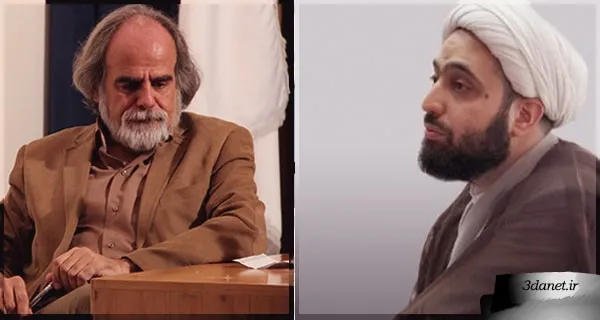
A Reflection on Mr. Malekian's Remarks on 'The Correspondence or Non-Correspondence of the Quran, Mysticism, and Demonstration' :
In the name of God, the Most Gracious, the Most Merciful Praise be to God, Lord of the Worlds, and blessings be upon our master Muhammad and his pure progeny, and may God's curse be upon all their enemies, and there is no power nor strength except in God, the Most High, the Most Great.
A few days ago, a dear friend sent me a portion of an interview with Mr. Malekian from his personal channel, whose title was: "The Quran, Demonstration, and Mysticism Cannot Be Reconciled." (Read it here) Mr. Malekian has made some truly astonishing statements in this interview. I will offer a few lines here regarding some of its points; perhaps it will be food for thought for those who have read that interview.
- He says at the outset: "What Islamic philosophers prove is not the resurrection (ma'ad) that the Quran discusses. The resurrection the Quran speaks of is this: 'He says, "Who will give life to bones while they are decayed?"' It was said like this: An Arab went to the Prophet and said, 'Who will bring these bones to life when they have turned to dust?' If this question were posed to an Islamic philosopher, he would say the issue is not about bones; the bone is part of your body, you have a second dimension called the soul, and that second dimension is immaterial, and immaterial entities are not bound by time; therefore, they will exist forever. So, once they have come into existence, their existence will be eternal. But if you asked this same question of an Islamic philosopher, the Islamic philosopher would say: 'Bedouin, you are mistaken. It was never meant for the bone to be brought back to life; the bone turns to dust. That second dimension does not turn to dust and is always alive.'" The interviewer asks him: "Even if this Islamic philosopher is a Sadrian?" And he replies: "It makes no difference who it is; because an Islamic philosopher, even if he is a Sadrian, says: 'The soul is corporeal in origination, but spiritual in subsistence.'" The apparent meaning of these statements is that he has assumed, firstly, that Sadrian philosophers have, for themselves, proven a resurrection based on philosophical foundations that is incompatible with the Quran, and secondly, he has assumed that Sadrian philosophers consider the gathering and presence on the Day of Judgment to be exclusive to the soul and do not include the body.
But the truth is that:
Firstly, the late Sadr al-Muta'allihin and his followers never theorized about the resurrection; in their discussion of the resurrection, they solely and exclusively sought to prove the rationality and possibility of the resurrection that has been established in the Sharia. In other words, in this section, the Transcendent Philosophy's argumentative and probative identity is very faint, and it is more explanatory and elucidative in nature. The Quran has depicted a resurrection, and the divine Prophet and his noble successors have expounded it, which, from the perspective of theologians and Peripatetic philosophers, contained several contradictions and conflicts. Therefore, they always interpreted it figuratively (ta'wil), and according to their own taste and knowledge, accepted part of it and denied another part. The entire effort of the late Mulla Sadra is to show, through a correct analysis of the universe and by presenting a complete worldview, that what the Quran has brought regarding the resurrection is entirely correct and does not need figurative interpretation. He emphasizes that although the outward meanings of the divine books differ, upon reflection, it becomes clear that the intended truth is a single matter, and what appears in their outward meanings is the truth, and one should not, like the theologians, distort the Quranic verses from their meanings (al-Hikma al-Muta'aliya, vol. 9, pp. 153–184).
The late Sadr al-Muta'allihin (may God have mercy on him), by establishing firm philosophical principles, showed that the resurrection can encompass a corporeal world, with all its corporeal characteristics preserved, while simultaneously occurring in the arc of ascent and the movement towards God, being beyond time and space and encompassing the material world. All beings, including humans with their body and soul, move to that world and are present in the divine court. With these investigations, he unveiled the miraculous nature of the Holy Quran regarding the resurrection and revealed its depth. Those who have imagined that he fabricated ideas about the resurrection based on philosophical principles and then made them the interpretation of Quranic verses are far from grasping his true intent and understanding his method of discussing the resurrection.
Secondly, in the Transcendent Philosophy the entire discourse revolves around the fact that the resurrection and gathering are not exclusive to the spirit or soul; rather, the human body and, beyond that, all corporeal beings are resurrected toward God Almighty, to the extent that, in the words of the noble hadith: If a man were to befriend a stone, God would resurrect him with that stone on the Day of Resurrection.
This statement by Mr. Malekian, where he says: "The resurrection that the Quran speaks of is this: 'He says, "Who will give life to bones while they are decayed?"' It was said like this: an Arab went to the Prophet and said, 'Who will bring these bones to life when they have turned to powder?' If this question had been posed to an Islamic philosopher, he would have said, 'The issue is not about the bone; the bone is part of your body. You have a second dimension called the soul, and that second dimension is immaterial.'"
is exceedingly strange; especially since Mr. Malekian claims to have some familiarity with Islamic philosophy. Is it possible for someone to have cursorily leafed through the discussion of resurrection in Sadrian philosophy and still harbor such a notion?
If a Sadrian philosopher were asked whether this bone will be resurrected on the Day of Judgment or not, he would assert with certainty that all beings are in motion toward God, and this bone is no exception to this rule; it journeys toward God and, in the presence of God, just like all beings which are alive, living, and articulate in that realm, it will be alive and articulate. And if it were asked, 'Why do you speak?' it would cry out: 'Allah has made us speak, He who has made everything speak, and He created you the first time, and to Him you will be returned' (Fussilat/21).
As it happens, among all the schools of hadith, theology, and philosophy in the history of Islam, the only school that remains faithful to the noble verse: 'He says, "Who will give life to bones while they are decayed?"' is the Sadrian philosophy. Otherwise, both ancient and modern theologians all believe either in the resurrection of a likeness of the body or in a bodily resurrection involving some parts and particles identical to the former body, and none of them believe in the resurrection of all the particles of the body and bones throughout one's entire life. This is because they all conceived the world of the Resurrection as a world parallel to worldly time and the extension of material events, and with this view, they were unable to understand the truth of the resurrection. It was the Sadrian philosophy that stepped beyond the horizon of time and proved that in the supernal world, all disparate things are capable of being gathered in the vessel of time.
It is interesting that the late Mulla Sadra even titled the thirteenth chapter of the ninth volume of the Asfar as follows: "Chapter (13): An Indication of the Resurrection of All Existents, Even Inanimate Objects and Plants, Toward God Almighty, as Indicated by the Quranic Verses." But let us move on.
- Another of the wonders of his argument is that he goes on to say:
"The Quran gave another answer [to the question 'Who will give life to bones while they are decayed?'] and said: 'He will give them life who produced them the first time.' Say, O Prophet, to this Bedouin that the one who will bring these bones to life is the same one who created the first bone. Well, this means that the Quran absolutely does not believe in the existence of a soul." In this noble verse, the Holy Quran promises that decayed bones will be brought back to life in the Hereafter, and the very one who created them the first time will bring them to life. But is there a logical relationship between this statement and the denial of the soul, such that one could say: "This means that the Quran absolutely does not believe in the existence of a soul"?! Does proving the gathering and resurrection for the bone mean denying it for the soul?! It is clear that there is no connection whatsoever between these two, let alone the former implying the latter. It would have been good if, alongside this verse, he had also considered the dozens of other Quranic verses concerning the resurrection of souls, or at the very least observed the simple rules of logic in this deduction, so as not to arrive at the 'negation of all else' from the 'affirmation of one thing'!
- He continues by saying:
«Another example: there is a verse in the Quran: “Allah takes the souls at the time of their death, and those that do not die [He takes] during their sleep. Then He keeps those for which He has decreed death and releases the others for a specified term.” God is the one who takes souls in their entirety, when they die, and the souls of those who have not died, when they sleep, God takes them. So if God has decreed that the soul He has taken in sleep should die, He does not return that soul to him; but if it is decreed that he remain alive, He returns the soul to him again and he lives. When he wakes, this verse says that you are without a soul in two states and possess a soul in one state. If you are dead, or if you are alive and asleep, you have no soul; but if you are alive and awake, you have a soul. So the souls of dead humans have been taken, and the souls of living humans, if they are asleep, have also been taken; but if these same living humans wake up, their souls are returned to them. Now, the soul according to the philosophers is different. From the philosophers' perspective, the soul only ceases to exist when the body dies, and when a person is alive, whether asleep or awake, they have a soul. And this is certainly not the soul of the philosophers. Therefore, I speak with great precision and submit that the soul mentioned in the Quran is not at all in the sense of the soul spoken of by Muslim philosophers.»
If what he means by these statements is that the term nafs (soul) in the Arabic language and the idiom of the Holy Quran differs from its philosophical term, this is a true statement and not a new point. Quranic commentators have always discussed the lexical and conventional meanings of “nafs,” and many of them have noted its difference from the philosophical term (for example, see Al-Mizan, vol. 14, p. 285). Nor is it expected that the technical term of a science should be synonymous with its lexical and conventional meaning.
However, if the intention is that the Quran recognizes nothing of the human being except the body, considers the entire reality of the human being to be that very body, and sums up his resurrection in it as well—as was stated in previous passages: “The Quran gave another answer [to the question ‘He says, “Who will give life to bones while they are decayed?”’] and said: ‘Say, O Prophet, to this Bedouin that the one who will bring these bones to life is the same one who produced the first bone.’ Well, this means that the Quran absolutely does not believe in the existence of a soul.” This statement is very far from the truth. The very fact that these verses indicate that the human soul is taken in full (tawaffā) during the states of death and sleep is the best proof that, from the Quran’s perspective, the reality of the soul is something beyond this body, something that is taken during sleep and death despite the body remaining present. And if we append this verse to the noble verse “And it is He who takes you in full by night and knows what you have committed by day” (Al-An‘am/60), it becomes clear that this something is the very reality of the human being himself, because in this verse the taking in full (tawaffā) is attributed to the human being himself (“you”) and not to his soul.
Even more astonishing is that in these very passages he states: “This verse says that you are without a soul in two states and possess a soul in one state. If you are dead, or if you are alive and asleep, you have no soul; but if you are alive and awake, you have a soul. So the souls of dead humans have been taken, and the souls of living humans, if they are asleep, have also been taken; but if these same living humans wake up, their souls are returned to them... Therefore, I speak with great precision.”
If we pay close attention, in these statements, precisely contrary to the logic of the Quran, he has considered the reality of the human being to be the “body” and has therefore understood the verse in reverse, saying: “This verse says that you are without a soul in two states and possess a soul in one state,” whereas from the perspective of the Holy Quran, “you” is exactly that very soul, not a body that would possess a soul.»
This statement reminds one of the frequent remark of Mulla Sadra, Allameh Tabatabai, and other such great figures who say: Those who are overly familiar with the worldly realm and accustomed to material matters invariably fall into error, unwittingly, in understanding the verses of the Quran and the narrations of the Ahl al-Bayt (peace be upon them). Where in this verse does it say: "You have no soul in two states"?! This verse states that God takes you—whose reality is the soul itself—in two states, but as for whether, after taking you, your connection with the body is severed and the body becomes entirely devoid of soul, or whether you still maintain a connection with your body, the word "yatawaffā" (takes) says nothing about this; for it is possible that the soul is truly taken but retains some form of connection with the body. Incidentally, if one contemplates the verse, they will understand that from the Quran's perspective, a connection with the body is preserved during sleep, because the Holy Quran does not refer to the state of sleep as death, nor does it consider the return of the soul upon waking as coming back to life; rather, it regards the human being as alive even during sleep. This is contrary to Mr. Malekian's statement, which lacks precision and gives the impression that upon waking, a person "comes to life." In his interpretation of the verse, his statement reads: "So if God has decreed that the one whose soul we have taken should die in his sleep, we do not return his soul to him; but if it is decreed that he should remain alive, we return his soul to him again, and he comes to life when he wakes up."
Let us move on. In any case, what is certain is that he—contrary to his claim of speaking 'with great precision'—does not speak with precision at all, and these verses in no way indicate a conflict between the view of the philosophers and the statement of the Holy Quran.
- Mr. Malekian then proceeds with a series of unfounded claims and throws down a challenge, saying in an allusion and veiled criticism of the late Allameh Tabatabai (may his soul be sanctified) and Allameh Hassanzadeh Amoli (may his shadow endure), who always state that "the Quran, mysticism, and demonstration are inseparable from one another":
"I am vehemently opposed to the claim that the Quran, demonstration, and mysticism are intensely inseparable from one another. It is not that I am saying this today; rather, I have been saying this for 25 years. And someone who makes this claim has either not understood the Quran, or demonstration, or mysticism, or two of these three, or none of them at all. In reality, they have not understood what the Quran says, what demonstration says, and what mysticism says."
In the face of such a statement, one can do nothing but express astonishment and bewilderment.
After all, someone who has not even correctly grasped the philosophical concept of the afterlife in its general outlines and speaks so injudiciously in interpreting the verses of the Quran, and then says, "Therefore, I speak with great precision"—where in academic circles can such a respected individual square up to the likes of Allameh Tabatabai and Allameh Hassanzadeh, go even further, and claim that they have not understood the Quran, or demonstration, or mysticism, or all three, and then invite others to discussion and debate?!
If only, at the very least, a few precise words could be found in this very interview, so that one of the students of these great figures might find the motivation for discussion and dialogue.
- He goes on to say:
«Here, the cause of my very deep regret is that those who have understood neither Islam nor philosophy have placed Mulla Sadra's theory of substantial motion in Islamic studies textbooks; that is, they have made the theory of a philosopher who was a Muslim a part of Islamic studies. I say to them: if this theory is refuted tomorrow, does that mean one of the Islamic studies has been invalidated? (Although in my opinion, it has already been refuted.) Secondly, if the theory of substantial motion is part of Islamic studies, were the people born before Mulla Sadra—that is, 1000 years before Mulla Sadra—deprived of one of the Islamic studies? And only 400 years ago, when Sadra of Shiraz was born, were the Islamic studies completed? Can it be said that all the Muslims of the world, from the dawn of Islam until the Safavid era when Sadra of Shiraz informed them of this knowledge, of this section of the studies, were Muslims deprived of one of their Islamic studies? In my opinion, how much ignorance and folly does it require for someone to teach Mulla Sadra's theory of substantial motion in university textbooks as Islamic studies? And I cannot accept this.»
The author does not know whether Mr. Malekian has understood substantial motion in the same way as Sadrian eschatology and spoken thus, or whether he has truly understood its meaning correctly and has criticisms of it that must be examined in their proper place. In any case, there is no opportunity now to discuss substantial motion and its proof or negation.
My humble point concerns the final part of his speech, where he denies the attribution of substantial motion to Islamic studies for this reason:
«If the theory of substantial motion is part of Islamic studies, were the people born before Mulla Sadra—that is, 1000 years before Mulla Sadra—deprived of one of the Islamic studies? And only 400 years ago, when Sadra of Shiraz was born, were the Islamic studies completed?».
It is always said in logic that a disjunctive syllogism yields a conclusion in a hypothetical case either when its consequent is invalidated or its antecedent is proven. And of course, in the context of fallacy, one can omit proving the antecedent or invalidating the consequent. Mr. Malekian here has merely claimed a conditional proposition and provided no reason for invalidating the consequent, saying: «If substantial motion is part of Islamic studies, then the people before Mulla Sadra were deprived of this Islamic knowledge for those thousand years.»
The answer is: Yes! Indeed, before Mulla Sadra, the generality of Islamic scholars were deprived of this knowledge, and for this very reason, they erred in understanding many verses and narrations. It seems that Mr. Malekian has not paid attention to the difference between the two domains of jurisprudential issues and epistemic issues, and has not realized that in jurisprudential matters, the audience's lack of understanding sometimes necessitates a delay in clarification beyond the time of need, which is unbecoming for the Wise, but in doctrinal and epistemic matters, if the deficiency lies with the audience and the learner, late understanding poses no theological or rational problem.
Is the Quran and the religion of Islam a book of stories and tales that everyone should understand all of it from the very day of its revelation?! Certainly, the Quran has had and continues to have abundant secrets and subtleties, and over the years, its teachings gradually become manifest to humanity. And just as the objective reality of history and science shows, in every field of knowledge that humanity has entered, no matter how far it has advanced, it has still observed the Quran one step ahead, possessing loftier teachings whose wonders never cease. Hence, the Commander of the Faithful, peace be upon him, said in describing the Quran: إِنَّ الْقُرْآنَ ظَاهِرُهُ أَنِيقٌ وَ بَاطِنُهُ عَمِيقٌ لَا تَفْنَى عَجَائِبُهُ وَ لَا تَنْقَضِي غَرَائِبُه.
.
.
A Reflection on Mr. Malekian's Remarks on 'The Correspondence or Non-Correspondence of the Quran, Mysticism, and Demonstration'
Hujjat al-Islam wal-Muslimin Mohammad Hassan Vakili
.
.




Discussion22 comments
متاسفم كه شيخ بجاي بحث علمي موضوع را در حد كوبيدن شخصيت جناب ملكيان پايين آورده است و جملات ايشان را مورد تمسخر قرار داده است. اين روش بحث آكادميك نيست. ادب و احترام به نظرات طرف مقابل در فهم سخن موثر است. خداوند نيامرزد كساني را اين روش كوبيدن براي پيروزي در بحث را با ماركسيستها وارد كشور ما كردند. بنظر من كه گويا مورد نظر شيخ هم بوده فيلسوفان اسلامي به دنبال اقبات معاد از طريق فلسفه نبوده اند بلكه در يك تحقيق با اصطلاح غربيها آپو لو جتيك خواسته اند براي اعتقادات خود توجيه فلسفي بيابند. اما عليرغم تلاش فراوان بعلت ساختار فلسفه بعنوان يك ابزار فهم از ابن سينا تا صدرا مشكل زيادي با اثبات معاد جسماني مورد نظر معارف ديني داشته اند و بهمين دليل مورد بي مهري هم عصران فقيه مقتدرخود قرار گرفتند و بهاي آن را از تكفير تا تبعيد پرداختند. اول اينكه فلسفه و منطق علومي غير ديني ، و مخلوق انسان بوده كه از يونانيان براي فهم متن وحي به عاريت گرفته شده است و با اضافاتي جزو لاينفك علوم اسلامي شده است. استفاده از علمي مخلوق عقل انسان براي فهم پيام وحي از اول دوره عباسيان توسط اشعريان مورد شك و شبهه قرار گرفت . بعني همين علم منطقي كه جناب شيخ براي كلام خود بكار گرفته است روشي انساني براي اثبات يك امر وحياني است كه بكارگيري آن توسط هيچيك از ائمه هم توصيه نشده است . پيام وحي در رابطه اي چهره به چهره با مخاطب توسط پيامبر ص خوانده ميشد اما با گذشت صد سال بصورت متني تاريخي، نوشته و بدون حمل محيط خلق پيام در آمد كه معتزليان براي فهم يكسان از آن ناچار به استفاده از علوم يوناني شدند. علم فلسفه لا اقل بلحاظ تجزيه تمامي ملكولها ( تمامي اتمهاي جدول مندليف) واختلاط بدن انسان و همه موجودات عالم پس از مرگ نمي تواند بپذيرد كه معاد جسماني مي تواند اتفاق بيافتد. يعني پذيرش آن ناقض اصول فلسفه ميشود. بنابراين آنچه باور ما را در اين باره مي سازد فقط عبارت و قول قرآن است و بس. فيلسوفان اسلامي از ترس محدثان و فقهاي مقتدر قادر نبودند به صراحت نظر خودشان را بگويند و همين در لفافه هم برايشان مجازات هاي سنگين داشت. و اما اينكه معارف اسلامي شامل يافته هاي علمي ميشود با خير هم معضل بزرگيست .شيخ به امر مهم خصيصه ابطال پذيري علم توجه نداشته است. در حاليكه جناب ملكيان از باب اتصال تفسير متن به علم روز نگران است چون پيام وحي را متزلزل مي كند. حكمت صدرايي هم يك يافته علمي است كه امكان نفي و اثبات دارد. بنظرم علماي ما با علم برخوردي انتخابي اتخاذ كرده اند. حكمت صدرايي حالا كه پس از ٤٠٠ سال بدردشان ميخورد در زمره علوم اسلامي مي گيرندو هرچه از علم را نخواهند پس مي زنند. همه ما اين روزها درگيرموضوعاتي از قبيل طب اسلامي و غيره هستيم كه همه يافته هاي علمي زمان خودشان بوده اند وامروز با امور اقتصادي عده اي پيوند خورده و راهي بازار معارف اسلامي شده اند. مثال ديگر اينكه با يافته هاي علمي سلكتيو قرآن را تفسير مي كنند اما وقتي سروش بكارگيري علم روانشناسي و خوابگزاري را پيشنهاد مي كند بر او مي تازند.
بسیار عالی و آموزنده بود. من لذت میبرم از این نوع مباحث.
فلسفه همیشه دشمن داشته است، نه تنها در بین متکلمین واخباریون اسلام، بلکه در مسیحیت، یهود دشمن داشته است. اسپینوزا آواره شد، در مسیحیت چه فیلسوفانی که به دار آویخته شدند ابن سینا تکفیر شد. ملاصدرا هم که تبعید شد. فیلسوف اگر بخواهد راحت و آزاد حرف بزند، با مشکل مواجه می شود بنابراین امروز را باید قدر بدانیم که فلسفه در همه جا درس داده می شود. برای فهم بهتر فلسفه "ملاصدرا "بهتراست دروس فلسفه علامه حسن زاده آملی را که توسط استاد صمدی آملی(از شاگردان ایشان) در سالیان گذشته تدریس شده است ،گوش دهید...شنیدن دروس خالی از لطف نیست ...مخصوصا مباحث مربوط به معاد جسمانی و دیگر مباحث از نظر ملاصدرا...
حالا کاری نداریم که صدرا موفق شده که معا جسمانی را استدلالی کنه یا نه اما چیزی که واقعا مشخصه عدم فهم صحیح آقای ملکیان از فلسفه صدرایی و از این بالاتر از آیات قرآنه.
بسیار عالی بود آقای وکیلی... بسیار جالب بود. آقای ملکیان اگر جوابی دارند لطفا مکتوب جواب بدهند...
بنده نمي خواهم به تمام مطالبي كه در اينجا مطرح شده بپردازم فقط چند نكته كلي را مطرح ميكنم و يا از علامه وكيلي ميپرسم يا از دوستاني كه به آقاي ملكيان اشكال كرده اند:استاد ملكيان ساليان درازي است كه افكار خود را تا جايي كه امكان داشته شفاف گفته اند و عليرغم سختي ها و هزينه هايي كه اينگونه ابراز عقايد در جامعه ديني به ويژه جامعه داراي حكومت ديني مثل كشور مادارد باز ايشان حرف هاي خود را صريح مطرح كرده و بزرگواران را به مناظره طلبيده.استاد ملكيان قيد ديني را براي نوع روشنفكري خود نمي پسندند و بارها اعلام كرده اند كه در جستجوي حقيقت اند آن هم با برهان عقلي.زماني كه استاد ملكيان به مسائل معرفت شناسي و كلام ميپردازند و اشكالات اساسي را مطرح ميكنند اين بزرگواران سكوت اختيار ميكنند و حرفي نميزنند اما به محض اينكه بحث وارد مسائل جزئي كلامي ميشود (و اشكالاتي حقيقتا به بيان استاد ملكيان در اين زمينه هست )به يكبار همه اين جريان ها با وجد خاصي وارد بحث ميشوند و گمان ميكنند تمام انديشه استاد ملكيان را زير سوال برده اند. در همين جا هم باز ميبينيم به ادعاي اصلي استاد ملكيان كه سالها در جاهاي مختلف مطرح كرده اند پرداخته نمي شود و انهم اينكه فيلسوفان مسلمان نتوانسته اند همان اوليات دين را به گونه اي اثبات كنند كه عقلايي همچون استاد ملكيان نتوانند در انها خدشه كنند .علامه وكيلي كه سهل است بزرگترانشان هم نتوانسته اند . حال مي ايند در اينجا مينويسند در سخنان ملكيان چيز دقيق يافت نمي شود تا به ان پاسخ گفته شود.شما بزرگواران فعلا تكليف خودتان را با مساله عقل و برهان روشن كنيد (قران و عرفان فعلا براي خودتان )اگر عقل وبرهان را قبول داريد بياييد مساله وجود خدا ،علت خلقت ،كيفيت خلقت،نبوت عامه و اصلا ضرورت نياز به دين ،نبوت خاصه و حقانيت قران و صدها مورد اينچنين را با برهاني كه امثال ملكيان ها نتوانند در مقدمات ان خدشه كنند را اثبات كنيد بعد برويد سراغ نفس و معاد و جمع كردن بين قران و برهان و عرفان. يك سري ادعا هاي گزاف نيز در عبارات علامه وكيلي يافت ميشود بدون هيچ دليلي يكي اينكه مرحوم صدرا با اثبات اصول استوار فلسفي نشان داد كه مي شود معاد مشتمل بر عالمي جسماني باشد ، با كدام اصول استوار فلسفي؟ دوم فرمودند همان طور كه واقعيت عيني تاريخ و علم نشان مي دهد در هر عرصه اي از معارف كه بشر قدم نهاده هر قدر پيش رفته باز هم قران را در گامي جلوتر و صاحب معارفي عالي تر مشاهده نموده ، اگر ميشود نمونه هايي از اين واقعيت عيني به ما هم نشان دهيد .بماند بسيار مسائل ديگر
اتفاقا این پیشنهاد بسیار خوب است... دوستان عزیزی که آقای ملکیان را می بینند به ایشان بگویند که درباره اثبات عقلی خدا و بحث درباره براهین اثبات خدا با اقای وکیلی مناظره مکتوب انجام بدن.
جناب مجتبی بهداد با سلام بنده از مطالب استاد ملکیان استفاده می برم و خواهم برد و ارادت ویژه ای هم دارم. اما بزرگ کردن و بت کردن افراد اصلا درست نیست.(بگذریم از طعنه تحقیر آمیز و دور از ادب شما به جناب وکیلی با لفظ علامه) جناب ملکیان هم قدیم یک ادعایی کردند و حتی شرط سنگینی برای اثباتش گذاشتند و یکی از طلاب موسسه امام جواب دندان شکنی به ایشان داد و کتاب مطابقت صور ذهنی با خارج را نوشت که الحق کتاب دقیقی است. باور ندارید بروید از خود استاد بپرسید جریان این کتاب چه بوده.... اتفاقا جناب استاد ملکیان هم حرفهای سست کم ندارند. خوب است حضرتعالی هم فلسفه را نزد اهل فن بیاموزید نه اینکه مانند برخی تفکیکیان، نخوانده و درس ندیده نقد کنید موفق باشید
اقای ملکیان همه چیز را برای خود مسلم گرفته و صحبت می کند و هیچ توضیحی هم برای مدعای خود نداده بعد می گوید من حرفم را صریح گفتم؟؟؟!!!
کسی که با آراء و انظار هر دو بزرگوار آشنا باشد اقرار خواهد نمود که: 1. دلبستگیهای روانی و محیطی ناقد نسبت به افرادی خاص، او را وا میدارد تا هر آنچه ایشان گفتهاند را تصحیح کند اگر چه توان تصحیح نقیض آن گفتهها را نیز دارد. 2. بعضی از سخنان جناب ملکیان نیز ریشه در مبارزه با همین ارادتهای بدون پشتوانۀ عقلی دارد. 3. متأسفانه امروز انسانهای حقیقتطلب، بیشتر از هر چیزی به عالمان بدون تمایل نیاز دارند و کمتر از هر چیزی به ایشان دست مییابند. گر طمع در آینه بر خاستی در نفاق آن آینه چون ماستی گر ترازو را طمع بودی به مال راست کی گفتی ترازو وصف حال
به تعبیر حکیم ملاهادی سبزواری در اول اسرار الحکم فهمیدن حرف مردم مهم است نه رد کردن آن /همیشه اصل بر این باید باشد که کسی حرف کسی را رد نکند بلکه مطلبی که خودش فهمیده را ارائه دهد ومقایسه بین فهم ها را به صاحبان اندیشه واگذارد /واین از جناب ملکیان زیبنده تر بود /با احترام
با سلام در جواب دوستانی که نظر دادند چند نکته عرض می کنم: 1- در کجا، متکلمین روشن کردند که معاد صدرایی «تناقض» با قرآن دارد؟ آیا شما معنا و شروط تناقض را میدانید؟ اگر میدانید پس از روی علم چنین حکمی ندادید. اگر نمیدانید پس در اصل حکم کردنتان خاطی هستید 2- آیا بنده هم می توانم بگویم چون ملحدین، تناقضات اسلام و قرآن و تشیع را روشن و آشکار کردند پس دیگر توجیه و دفاع شما از اسلام و تشیع کار شایسته ای نیست؟ 3- از سویی بحث از معاد جسمانی می کنید از وی دیگر حرف از معاد مادی! این نشان می دهد همه چیز را خلط کردید و معاد مادی و جسمانی را یکی میدانید. بهتر است اول حرف را خوب بفهمید بعد نظر از روی دقت بدهید نه از روی احساس. 4- روشن است معنای قدیم و حادث را متوجه نشدید. کسی که نهایه و بدایه را خوانده باشد چنین حرفی نمیزند. اگر به تعریف حادث و قدیم رجوع کنید متوجه تناقض گویی خودتان می شوید 5- منظورتان از متکلمانی که با جناب وکیلی بحث کردند و شکست دادند کیست؟! اگر جناب میلانی مد نظرتان است که ایشان حتی ابتداییات کلام و حدیث اهلبیت را هم نمیداند. خوب است ارزش کلام و متکلمین را حفظ کنید. ضمن اینکه هر کس مناظره ایشان با جناب میلانی را گوش بدهد طفره رفتن آقای میلانی از سوالات ساده جنا وکیلی را به وضوح می بیند 6- شهید مطهری به «تفاوت» معاد صداریی و قرآنی اشاره کرده نه تعارض یا تفاوت آن دو! همین اندازه برای اهل دقت کافی است
تنها باید به حال آنان که از ده ها تعجب و علامت تعجب در نقدهایشان استفاده می کنند متعجب بود. آنهایی که حرمت علم را ندانسته و در نقد علکی حرمت ناقد را. چه بخواهیم چه نخواهیم فضای حاکم جامعه حوزوی این چنین است. ضایع کن تا فائز شوی
استفاده از علامت تعجب بد است یا نقد اندیشه ها با عجیب ترین متد و روش غیرعلمی و غیردقیق که آقای ملکیان در باب قرآن و فلسفه صدرایی روا داشته ؟؟!!
سلام خیلی علمی و دقیق و زیبا فرمودند آقای وکیلی. واقعا بی دقتی در کلام آقای ملکیان زیاده.
حرف برادر وکیلی درباره معاد درست نیست و حتی آقای مطهری هم به تفاوت معاد صدرایی و قران اذعان دارد. یعنی صدرا نمی تواند معاد قرانی را اثبات کند. اما درباره بحث نفس حق با ایشان است نه ملکیان. درباره حرکت جوهری هم ایرادی ندارد که در کتاب معارف بیاید. اشتباه بودن حرکت جوهری نظر ایشان است. شاید خیلیها قبول داشته باشند. مثل این می ناند که کسب بگوید برهان وجوب و امکان باطل است پس در کتاب های الاهیاتی و معارفی باید حذف شود.
جناب آقای وکیلی 4 جلسه مفصل درباره هماهنگی معاد صدرایی با معاد قرآن سخنرانی کردند که در اینترنت صوت اش موجود است. اون ها رو گوش بدید لطفا، بعد قضاوت بفرمایید.
جناب وکیلی هم که بارهان در مناظرات با متکلمین شکست خورده اند همان فن و حربه ترفند قدیمی را در اینجا هم به کار برده اند که هر کس انتقادی و سخنی باب میل اقایان نگوید وی را متهم به نافهمی می کنند در اینجا هم گفته است که ایا علامه ! حسن زاده و علامه طباطبایی نفهیده اند و تو ملیکان فهمیدی؟ علامه جعفری چه زیبا فرمود: اگر اصل را با وجود و موجود را واحد شخصی عقیده کردی، اعلم دورانی اگر چه الف را از باء تشخیص ندهی... و بالعکس، اگر راجع به وحدت موجود اظهار نظر کنی، جاهلترین مردمی اگر چه اعلم دوران باشی!!! مبدأ اعلی/ 74
در اینجا نظر همین جماعت رو ببنید که می گویند معاد صدرایی با قران نمی خواند و این حرفی نیست که ملیکان از خودش در اورده باشد و ابداع کرده باشد http://m-tafkik.blogfa.com/post-23.aspx http://daralsadegh.net/falsafe/133-maad/797-1390-09-12-09-03-25.html
بعد از اینکه متلکلمین و علما شیعه روشن کرده اند معاد صداریی تناقض اشکاری با شرع مبین اسلام دارد دیگر توجیه و تطبیق ان کار شایسته ایی نیست ملاصدرا یک جسم فرض کرده گفته معاد با همان جسم محشور می شود ولی همان جسم رو غیر مادی در نظر گفته بعد ما فکر می کنیم صدرا نابغه دهر بوده این که همان غیر جسمانی بودن معاد از منظر ادیان ابراهیمی است ایا با عوض کردن الفاظ چیزی تغییر می کند؟؟ در باب حدوث و قدم هم همین مطلب جاری است تمام فلاسفه اشراق و مشا و... معتقد هستند عالم قدیم هست و خدا جهان را خلق نکرده ملاصدرا اومد گفت جهان حادث زمانی هست طبق حرکت جوهری خب هر کس برای اولین بار با این عبارت روبرو شود فکر می کند صدرا یک حرف جدید و مطابق با شرعیت زده ولی وقتی ببنیه این زمان از نظر صدرا انتها نداره و هر روز نو می شود و این زمان منتج به همان قدیم زمانی می شود می بینید حرف همان حرف هست ولی الفاظ عوض شده تا متشرعه فریب داده شوند
واقعا اگر کسی چند کلاس فلسفه صدرایی خونده باشه... یا آراء خنده دار متکلمین در باب معاد رو که خلاف عقل و خلاف قرآنه رو دیده باشه، مساله براش واضح رو روشن میشه...
سلام علیکم ، فلاسفه مشا و اشراق اعتقاد دارند جهان قدیم است و نیاز به خالق ندارد ؟! بخش اولش را میپذیرم ، با بخش دوم ، یعنی خالق نداشتن چه کنم ؟! این که فاجعه است! ملاصدرا گفت جهان حادث زمانی است ؟! این یک جوک آکادمیک است ، واقعا چقدر از حرکت جوهری و اسباب و لوزام آن میدانید ؟! شاگرد خلف استاد ملکیان هستید! هر لحظه حدوث زمان چه ارتباط منطقی با قدیم بودن زمان دارد واقعا ؟! صدرحمت به ملکیان!