Religion
Mostafa Malekian: The Quran, Demonstration, and Mysticism Cannot Be Reconciled
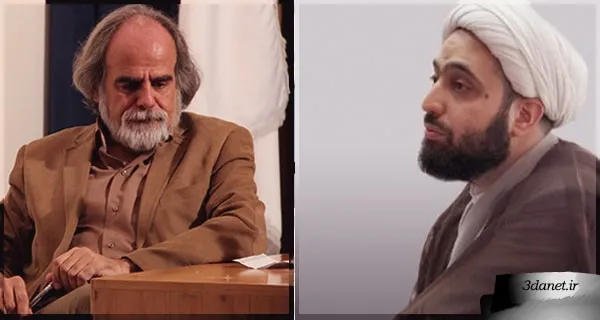
Mostafa Malekian, pointing to the difference between the concepts of the soul and the afterlife in the Quran and in philosophy, stresses that the Quran, demonstrative proof, and mysticism are separate and cannot be combined. According to him, being a Muslim rests solely on accepting the Quran and prophetic hadiths, not the opinions of philosophers and mystics.

What the Islamic philosophers prove is not the resurrection (ma‘ād) that the Quran discusses. The resurrection the Quran speaks of is this: “He says, ‘Who will revive these bones when they have crumbled to dust?’” It went like this: a Bedouin went to the Prophet and said, who will revive these bones when they have turned to powder? If he had asked an Islamic philosopher this question, he would have said the issue is not about bones; the bone is part of your body, you have a second dimension called the soul (nafs), and that second dimension is immaterial, and immaterial things are not bound by time; therefore, they will exist forever, so once they have come into existence, their existence will be eternal. But if you asked the same question of a Muslim philosopher, the Islamic philosopher would say: Bedouin, you are mistaken; it was never about the bone being revived; the bone turns to dust; that second dimension does not turn to powder and is always alive.
Even if this Islamic philosopher is a Sadrian?
Malekian: It makes no difference who it is; because an Islamic philosopher, even if he is a Sadrian, says: “The soul is corporeal in its origination, but spiritual in its subsistence” (al-nafs jismāniyyat al-ḥudūth rūḥāniyyat al-baqā’), meaning that in terms of coming into being, it is like bodies; but in terms of subsistence, it remains like spirits. It has a temporal origination but no temporal end. So as soon as the soul comes into being, even if I am a Sadrian, this soul will no longer have death. The Quran gave a different answer and said: “He will revive them who produced them the first time.” Say, O Prophet, to this Bedouin, that these bones will be revived by the One who brought the first bone into being. Well, this means that the Quran absolutely does not posit the existence of a soul. Another example: there is a verse in the Quran: “God takes the souls at the time of their death, and those that have not died, in their sleep. Then He keeps those for whom He has decreed death and sends the others back for a specified term.” God is the one who takes the souls in their entirety, when they die, and the souls that have not died, God takes them when they sleep.
So if God has decreed that the one whose soul we have taken should die in his sleep, we do not return his soul to him; but if it is decreed that he remain alive, we return the soul to him again and he comes to life. When he wakes up, this verse says you are without a soul in two states and have a soul in one state. If you are dead, or if you are alive and asleep, you have no soul; but if you are alive and awake, you have a soul. So the souls of dead humans have been taken, and the souls of living humans, if they are asleep, have also been taken; but if these same living humans wake up, their souls are returned to them. Now, the soul according to the philosophers is different. According to the philosophers, the soul only does not exist when the body dies, and when a human is alive, whether asleep or awake, he has a soul, and this is certainly not the soul of the philosophers.
Therefore, I speak very carefully and state that the soul (nafs) mentioned in the Quran is absolutely not in the sense of the soul that Muslim philosophers have spoken of. Firstly, in the Quran, nafs is not used in a single sense; nafs in the Quran is used in at least 6 or 7 senses in various expressions. None of these 6 or 7 interpretations is the soul of the Islamic philosophers, nor is it the soul of the Muslim mystics. Our theologians, philosophers, and mystics have taken concepts, theories, and doctrines from other cultures and have imposed them upon our Quran and traditions. Our Quran and traditions never indicate these concepts and theories. If our philosophers have proven something, it is not something the Quran has said; but I say something else: they have not proven anything either. I do not believe they have proven anything; that is, I, Malekian, cannot find an error in any of the steps of the reasoning—a reasoning in which none of the premises would be subject to doubt and skepticism for a thoughtful person, and in which no error has occurred in any of the steps.
Therefore, with this statement, present a proof for the existence of the afterlife and the Quran, the prophethood of the Quran (general and specific prophethood), and the Almighty God, and there is no need to excommunicate me. Nor is there any need to sanctify me by saying that so-and-so is a heretic. I say: present a proof whose error I cannot demonstrate. This proof would establish the existence of the God of the Quran, establish the existence of life after death according to the Quranic account, establish the existence of specific prophethood—it's no trouble, we have no quarrel with anyone. Let those who say, "Why, we do have proofs," bring these proofs. If I do not raise several doubts against each of these proofs, then they may do whatever they wish. My belief is that the Quran and the Prophetic hadiths possess their own specific cultural tradition. Whether I accept this cultural tradition or not, whether you accept it or not, there is another cultural tradition rooted in ancient Greece and Rome; that too is a cultural tradition. Of course, here you immediately detect the ideas of the School of Separation (Tafkik). It is absolutely not so, and I should not be considered a follower of Tafkik.
But do you and the School of Separation share a common adversary?
Malekian: Yes, if someone says you have a common adversary, I say yes, we have a common rival or a common opponent, and those are the people who believe that what the philosophers of the Islamic world and the mystics of the Islamic world have said is not exactly the same as what the Quran and the Prophetic hadiths have said. The Quran has said one thing, and they have said another. Now, whether the first is true and the second false, or the second is true and the first false, or both are false—these are not the subject of my discussion. Because when two statements are incompatible, it means either the first statement is true and the second false, or the first is false and the second is true, provided these two statements are contradictory. And if these two statements are contrary, both are false, because the removal of two contradictories is impossible, but the removal of two contraries is not impossible.
What the Quran and the Prophetic hadiths convey is never the same as what Islamic philosophers, Islamic mystics, and Islamic theologians have said. I have stated my point very clearly and explicitly, and I have not spoken in concealment or ambiguity. I state clearly that they have said things, regardless of whether they are true or false. My point is that these are two separate discourses. It is like me saying: Kant's discourse is different from Spinoza's. Now, whether Kant's discourse is correct or Spinoza's is incorrect, whether Spinoza's is correct and Kant's is incorrect, or whether both discourses are incorrect. I strongly reject the qualification you mentioned. I am vehemently opposed to those who say the Quran, demonstration, and mysticism are intensely inseparable from one another. Not that I am saying this today; rather, I have been saying this for 25 years. And someone who says this has either not understood the Quran, or not understood demonstration, or not understood mysticism, or has not understood two of these three, or has understood none of them. In reality, they have not understood what the Quran's discourse is, what demonstration's discourse is, and what mysticism's discourse is.
Now you might say, are you a Muslim or not? I say, even someone who is a Muslim must only adhere to Islam 1, not to Islam 2 and 3. If someone is a Muslim, they must accept the Quran and the Prophetic hadiths; otherwise, being a Muslim does not mean that I must also accept the Islam of the mystics of the Islamic world, the theologians of Islam, and the philosophers of Islam. And here, the cause of my very deep regret is that those who have understood neither Islam nor philosophy have placed Mulla Sadra's theory of substantial motion into the textbooks of Islamic studies. That is, they have made the theory of a philosopher who was a Muslim a part of Islamic studies. I say to them: if this theory is refuted tomorrow, does that mean one of the Islamic studies has been invalidated? (Although, in my opinion, it has already been refuted.)
Secondly, if the theory of substantial motion is part of Islamic teachings, were the people born before Mulla Sadra—that is, for 1,000 years before Mulla Sadra—deprived of one of the Islamic teachings? And only 400 years ago, when Sadra of Shiraz was born, were Islamic teachings then completed? Can it be said that all the Muslims of the world, from the dawn of Islam until the Safavid era, when Sadra of Shiraz informed them of this piece of knowledge, this item of teachings, were Muslims deprived of one of their own Islamic teachings? In my view, how much ignorance and folly does it require for someone to teach Mulla Sadra's theory of substantial motion in university textbooks as part of Islamic teachings? I cannot accept this. On the matter of truth-seeking, I stand on no ceremony with anyone, and I ask those who have done this to answer me.
.
.
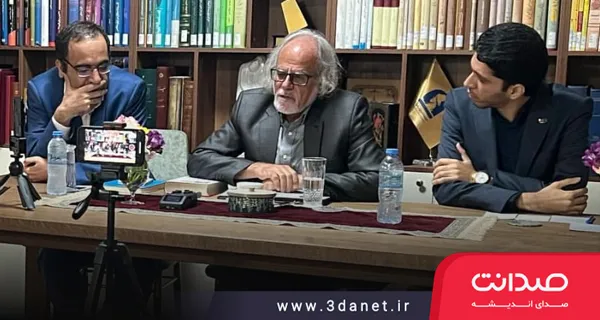
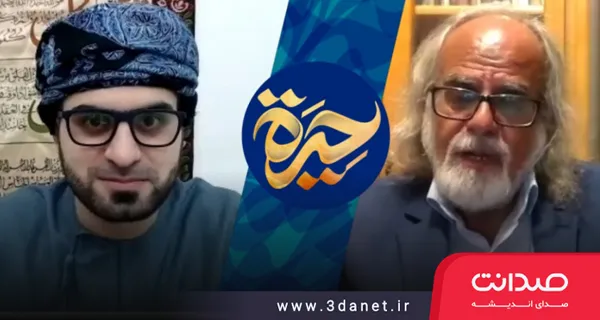
Part of an interview by Behzad Jameh Bozorg with Mostafa Malekian
.
.

Discussion7 comments
سلام بر جمع دوستان. در آیۀ «من یحیی العظام و هو رمیم...» پرسشگر پرسیده که چه کسی این اشتخوان های پوسیده را دوباره زنده می کند (پرسش از معاد جسمانی). پاسخ می گوید همان کس که آن را نخستین بار پدید آورد (تأیید معاد جسمانی). پس سخن اصلاً دربارۀ خلود نفس نیست که جناب ملکیان ادعا کرده اند: «خب این یعنی اینکه قرآن مطلقاً به وجود نفس قائل نیست». این یک خطا. اما در مورد آیۀ 42 از سورۀ زمر: «الله یتوفی الأنفس حین موتها و التی لم تمت فی منامها...» (خدا جانها (؟) را هنگام مرگشان می ستاند و آنهایی که نمرده باشند در هنگام خوابشان...» اگر اندک درنگی کنیم درمی یابیم که مراد از «انفس» در این جا «جان های نامیرا» نیست زیرا به «مرگ» (موت) اضافه شده است: موتها (یعنی موت الانفس). چگونه ممکن است مرگ را به جان نامیرا اضافه کرد. پس مراد چیز دیگری است. الأنفس در این آیه و در بسیاری از آیات معادل «ضمیر هشیار»است. دلیلش هم در خود آیه هست زیرا در ادامه می گوید: والتی لم تمت فی منامها (و آنهایی که نمرده باشند در هنگام خواب شان). در هنگام خواب است که هشیاری ازانسان سلب می شود. در واقع، این آیه بر آن است که بگوید مرگ نیز چون خواب نوعی سلب هشیاری است، با این تفاوت که هشیاری خفتگان بازمیگردد ولی هشیاری مردگان تنها در روز رستخیز بازخواهد گشت. بنا بر این، در این آیه نیز سخن از نفس به معنای جان مجرد نیست. این دو خطا اما از همه شگفت انگیزتر این کشف (!) عظیم است که گویاایشان برای نخستین بار به آن موفق شده اند: «نفسی که قرآن گفته اصلاً به معنای نفسی که فیلسوفان مسلمان گفتهاند، نیست». مگر کسی ادعا کرده که هر مصطلحی که در فلسفه به کار رود در زبان دین نیز همان مراد است؟ نمی دانم با این همه خطا، یا بگویم توهم، با ایشان چه باید گفت؟
درود بر شما جناب طباطبایی. کاملاً به جا و درست گفتید. خطا اندر خطا در سخن جناب ملکیان دیده می شود.
واقعن که هی به خودم می گفتم برم ملکیان بخونم خیلی حرفاش سطحی و بی خاصیته خب جناب ملکیان دین و معرفت دینی در حال نو شدن و فربه شدنه معلومه که دین پس از مولانا و صدرا و ... کامل تره
با یک مطلب قضاوت نکن برادر من، بعد شما میخوای با ملکیان یا هرکس دیگه ای آشنا بشی، بهتره اول بری سراغ کتاب اصلیش یا تز اصلیش، نه یه مصاحبه فرعی مثه این. که متاسافنه چندین جا است و نیست رو هم برعکس نوشتن
سلام... گفته های شما همه تفسیر به رای بوده
اللهم اعوذ بک من الجهاله کاش قبل از پاسخ به سوال، کمی در آیات قرآن غور و تامل می نمودند متأسفم از این پاسخ ها که در این سطح مطرح می شوند
شما که غور کردی!!! بیا جواب بده