Political Science
Mostafa Malekian's Address at the Book Launch for Political Philosophy: The Necessity of Uniting Rationality and Ethics in Politics
At the launch of the book Political Philosophy, Mostafa Malekian examined the necessity of the institution of politics, its functions such as order and justice, and the origins of power. He described political philosophy as indebted to ethics and law, and stressed the relationship between individual and collective happiness.
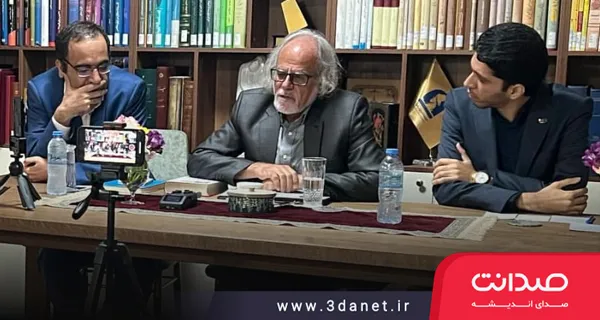
Mostafa Malekian's Address at the Book Launch for Political Philosophy
The Necessity of Uniting Rationality and Ethics in Politics
Mohsen Azmoudeh
Etemad Newspaper, Issue 5242, Monday, June 27, 2022
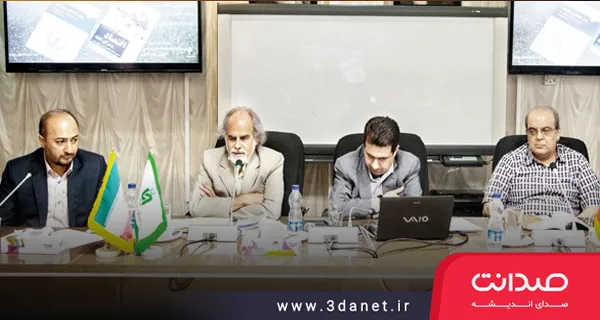
Introduction: In the past decade, Mostafa Malekian, the renowned Iranian scholar of philosophy and ethics, has primarily emphasized the primacy of culture, the priority of the individual, and attention to the inner life of human beings—their beliefs, emotions, and desires—and has engaged less with social reform and, more importantly, the institution of politics. Hence, his analytical and compelling preface to the book "Political Philosophy" (A Complete Introduction) can be seen as indicating a shift or evolution—however slight—in his views. During the Q&A session of the book launch, he did, of course, clearly state that he had previously paid less attention to the importance of collective well-being as a condition for achieving individual well-being. Malekian immediately emphasized, however, that he still does not underestimate the degree of influence an individual's strength holds against society and considers cultural reform to be more enduring and lasting, while also believing that political and social reforms only create the conditions for individual well-being, and that actual pleasure and prosperity depend on the citizens themselves. What follows is a report on Mostafa Malekian's speech at the launch event for the book "Political Philosophy" (A Complete Introduction) by Phil Parvin and Clare Chambers, published in a fluent and precise translation by Javad Heydari, a translator and researcher in political science, and released by Soroush-e Molana Publications.
My motivation for accepting to participate in this session is, first, the value of the book itself. Among all the books written on political philosophy that I have seen, this one is the most instructive. Of course, my main field of work is not political philosophy, but I have always followed works in this area. The second motivation is Dr. Heydari's excellent translation, and the third is the superb printing and the good quality of its presentation. In Iran, few books are published with this print quality.
The book Political Philosophy (A Complete Introduction) by Phil Parvin and Clare Chambers is important for two reasons: first, it is more of a textbook, and therefore it does not merely present the opinions of the author or authors alone; rather, on every subject, it has listed all the diverse and varied related views and opinions, so we are not faced with only one opinion and view on any issue. Second, the book is comprehensive. After all, political philosophy contains many subjects and issues. For a book to be able to address all these subjects and issues, even if briefly, is highly distinguished.
At the beginning of the book, I wrote a preface, which I do not intend to repeat in this session. In that preface, I discussed the context of this book (text), the context in which this text should be read. But in the talk ahead, I will try to present my own way of organizing the contents and raw materials of the book. In other words, when you read this book carefully (I have read it three times, once in English and twice in Dr. Heydari's translation) and reflect on every single carefully chosen word, if its outcome is presented in the way I will describe, it will be more comprehensible. This is my opinion, of course. I think the order I will present is more logical compared to the arrangements of other books. To put it more plainly and less modestly, if I ever wanted to write a book on political philosophy one day, I would write it using this method. This method makes one realize that if I have stated this point, what the next point I will state will be, and so on.
Before explaining that progression, I emphasize that political philosophy is heavily indebted to two other philosophies: 1. Moral philosophy, 2. Philosophy of law. I will not elaborate on the moral-philosophical foundations of political philosophy or the legal-philosophical foundations of political philosophy, nor will I say why political philosophy is the outcome and offspring of these two, but when you read the progression of the discussions, you will see where political philosophy is indebted to moral philosophy and to the philosophy of law.
The Necessity of the Institution of Politics
اما در نگارش کتابی راجع به فلسفه سیاسی، نخستین سوال این بود که وجود نهادی به نام نهاد سیاست و به تبع آن نهاد حکومت و به تبع آن نهاد دولت چه ضرورتی دارد؟ از نظر منطقی این اولین بحث است. یعنی اگر جامعهای بدون این نهاد باشد، کجا کمیتش لنگ میشود؟ به زبان سادهتر پاسخ ما به نیهیلیزم سیاسی یا آنارشیسم سیاسی چیست که وجه اشتراک هر دو این است که ما در جامعه نیازی به نهاد سیاست و نهاد حکومت و نهاد دولت نداریم؟ ضرورت پاسخ به این پرسشها در پس پشت گذاشتن افرادی است که به نحوی از انحا به شکاکیت نسبت به نهاد سیاست قائل هستند. مراد تنها نیهیلستها و آنارشیستهای سیاسی مشهور نیست، بلکه هر فردی است که نسبت به نهاد سیاست دچار شکاکیت است. بنابراین بحث اولیه نشان دادن ضرورت این نهاد برای جامعه و اثبات این نکته است که بدون آن گذران زندگی اجتماعی کماهو حقه امکانپذیر نیست.
کارکردها و هنرهای نهاد سیاست
بحث بعدی نشان دادن کارکردهای نهاد سیاست است، یعنی هنرها و کارهایی که ضرورت این نهاد را ایجاب میکند. این کارکردها در نگاه نخست هشتتاست، البته با مداقه بیشتر درمییابیم برخی از آنها به بعضی دیگر فروکاستپذیر هستند. اما به هر حال نهاد سیاست برای این هشت کارکرد آمده است:
1- نظم و ثبات در جامعه، 2- امنیت، 3- رفاه، 4- عدالت، 5- برابری، 6- آزادی، 7- برادری و 8- صلح.
این فهرست را باید «پیشاتاملی» (pre reflective) در نظر گرفت، وگرنه با تامل بیشتر درمییابیم برخی از اجزایآن قابل فروکاستن به برخی از اجزای دیگر و زیرمجموعه آنها هستند.
فضیلت نهاد سیاست
اما سوال بعدی این است که آیا میتوان یکی از کارکردها را در راس قرار داد و بقیه را ذیل آن تعریف کرد؟ به عبارت دیگر در اینها سوال فضیلت نهاد سیاست محل بحث است، یعنی فضیلت نهاد سیاست در این است که همه این کارکردها را داشته باشد، اما یکی از این هنرها و کارکردها را در راس و بقیه را تحتالشعاع آن قرار دهد. لیبرالها معمولا معتقدند بزرگترین فضیلت نهاد سیاست، عدالت است و سوسیالیستها بیشتر بر عدالت تکیه میکنند. پاسخ به این پرسش مهم است که آیا در میان این کارکردها، یکی هست که بقیه باید خود را با آن وفق دهند و همه در عرض هم نباشند؟ در طول تاریخ اندیشه سیاسی در چهار قرن اخیر دو کارکرد یا هنر عدالت و آزادی، نسبت به سایر کارکردها بیشتر از همه محل گفتوگو بودهاند.
خاستگاه قدرت نهاد سیاست
نهاد سیاست قدرت خود را برای اجرای کارکردهای بالا از کجا آورده است؟ هر نهادی برای اعمال یک کارکرد نیازمند به قدرت است. اگر تک تک شهروندان خودشان این قدرت را داشتند یا نهاد دیگری این قدرت را داشت، دیگر نیازی به نهاد سیاست نبود. بنابراین حتما قدرتی در نهاد سیاست منطوی و مضمر است که آن را نه شهروندان دیگر دارند و نه نهاد دیگری که بتواند این کارکردها را اعمال کند. پیروی این بحث این پرسشها مطرح میشود که اولا قدرت دقیقا یعنی چه و ثانیا چه مفهوم یا مفاهیمی از قدرت هست که فقط آن را در نهاد سیاست میتوان دنبال کرد و فقط نهاد سیاست این قدرت را دارد. منشأ این قدرت از کجاست و چه کسی آن را به نهاد سیاست داده است؟ مردم؟ خدا؟ چه موجود یا نیرویی چنین قدرتی به نهاد سیاست داده است؟ در اینجا نظریات مختلفی وجود دارد که اینجا مورد بحث قرار میگیرند که خاستگاه قدرت نهاد سیاست کجاست؟
سازوکارهای سیاست و مکانیزمهای سلب قدرت
بعد از اینکه فهمیدیم خاستگاه قدرت نهاد سیاست کجاست، چند و چون تفویض این قدرت به نهاد سیاست چگونه است؟ اگر خدا این قدرت را به نهاد سیاست داده، با چه سازوکار و کم و کیفی چنین کرده است؟ اگر مردم دادهاند، چگونه این قدرت را به نهاد سیاست تفویض کردهاند؟ انواع و اقسام راههای تفویض و مفوض (تفویضکننده) وجود دارد. بسته به اینکه خاستگاه این قدرت را خدا یا مردم یا امر ثالث یا رابعی بدانیم، شیوه تفویض آن مساله بعدی است.
پرسش بعدی این است که سلب این قدرت چگونه صورت میگیرد؟ یعنی نیرویی که این قدرت را به نهاد سیاست داد، با چه کم و کیفی و چند و چون و مکانیزمی میتواند این قدرت تفویض شده را پس بگیرد و مثلا به یک نظام یا رژیم سیاسی دیگر بدهد؟ بنابراین سازوکارهای سلب قدرت سیاسی مساله بعدی است.
Justice and Freedom, Two Fundamental Desiderata
But let us assume that this institution of politics has been established, possesses power, and seeks to establish justice. Under the subcategory of justice, several important topics arise: first, what is justice and what does it mean? Second, justice has various types, and in each situation, one of these types must be implemented. Some of these types include distributive justice, judicial justice, penal justice, corrective justice, restorative justice, and so on. Political systems cannot act uniformly in the implementation of justice everywhere. The manner of implementing justice in the judiciary differs from that in the executive branch, and both differ from the legislature.
We have nearly nine types of justice, and the position of each must be clarified. Furthermore, the domains of justice are an important topic. Between whom do we establish justice? Justice is discussed in multiple domains. One is justice among the components of the political institution itself. That is, there must be justice among the constituent elements of the political institution, the governing institution, and the state institution. The second refers to justice between the ruling system of society and the citizens, and the relationship between the ruler and the ruled, or the relationship between the political system and the citizens, must be just. The third is the establishment of justice by the political institution or the governing institution among the citizens themselves. The fourth position is the establishment of justice between one government and other governments. The fifth position is when the discussion concerns establishing justice between a government and international organizations. The sixth position is the establishment of justice between generations; the government must establish justice in such a way that the current generation does not oppress the future generation.
After determining the ideal of justice and its types and domains, under this same discussion comes the quality of applying justice. In other words, what process must operate so that its product is justice? It is here that one must possess broad rationality, and governments must resort to the latest achievements of the human sciences and knowledge. The next point is the requirements of justice. For example, an important discussion in this regard is whether justice requires equality. It is here that the types of equalities become the subject of discussion, such as equality in rights, equality in rationality, equality in behavior, equality in outcome, equality in opportunity, and so on. Of course, equality is not the only requirement of justice, and one of the requirements of justice is the enlightenment of the human beings among whom justice is to be implemented. The question is, to what extent must humans be informed in order to behave justly?
The next discussion is freedom. Everything that was said about justice also holds true for freedom, meaning: what is the concept of freedom? What are the types of freedom? Where are the domains in which freedom must be exercised? How should freedom be exercised, and what are the requirements of freedom?
The ninth discussion is whether the two ideals of justice and freedom are compatible with each other. One answer is that they intersect and are incompatible; another answer is that they progress together. Rawls believes that freedom and justice are not only not incompatible, but without justice, freedom is meaningless, and without freedom, justice is meaningless. That is, these two complement each other. However, the incompatibility of these two accords more with the common understanding of us ordinary human beings. That is, in common understanding, justice and freedom appear incompatible. If common understanding is correct, it is the task of the political thinker to show what must be done to resolve the conflict between justice and freedom. Where should priority be given to justice, and where should priority be given to freedom? This is a very complex and vital discussion.
Compatibility with Other Desiderata
The tenth discussion is how the other positive functions of the political institution can be achieved while preserving justice and freedom. That is, how can order, stability, security, welfare (especially), equality, and peace be maintained while preserving justice and freedom? Let us assume we have combined those two factors; is there a guarantee that if a society is definitely just and free, it will definitely also have welfare? One might say that a completely free and completely just society can be imagined without welfare, or without order and stability, or without security. Only by assuming this form of societies can one ask how the other ideals, which were the other functions of the political institution, can be achieved through the channel of freedom and justice. That is, a path that, without sacrificing justice and freedom, also provides security, order, stability, welfare, equality, peace, and so on. In other words, the discussion concerns the ins and outs of making these two ideals compatible with the rest of the ideals.
Where Should Politics Not Intervene?
So far, the discussion has been about what the institution of politics, or government, or the state ought to do, but the eleventh discussion concerns what these institutions must never do. Should politics also interfere in our morality? Should politics also interfere in the manner and method of pursuing pleasure? Should politics not remain indifferent to different viewpoints and different worldviews, and refrain from intervening to endorse or deny any one of these worldviews? Therefore, the three domains of morality and the goodness of life, the pleasure of life, and worldview are important. Should politics not withdraw itself from these three? In other words, the discussion here is about the functions that politics ought not to have.
Comparing Political Systems
The final discussion is a comparison of different political systems. Different political systems can be compared with regard to the ten items above. This comparison is sometimes made in terms of the success of political systems and sometimes in terms of their morality. The success of these systems demonstrates their rationality. The more successful a political system, the more rational it is. The morality of political systems indicates to what extent they have been able to preserve the moral ideals of humanity. The success of an institution depends on achieving the institution's goal. However, the success of an institution does not necessarily mean it is moral. Therefore, comparing political systems is of great importance, especially when the aim is to adopt an eclectic approach.
Everything I have said is more or less expressed in the present book, albeit with a different order and arrangement than what I have said and would prefer. In studying this book, I encountered eighty points on which I adopted my own position. Interestingly, out of these eighty points, in seventy-one cases, I favored exactly Rawls's positions. This increased my fascination with John Rawls. Rawls has tried to preserve both rationality and morality. I also strongly recommend studying this book carefully.
.
.
PDF file of this report in Etemad newspaper
Watch the video of this meeting
.
.

Discussion0 comments
No comments yet; let yours be the first voice.