Philosophy
Rag-e Harf 9: Criticizing Someone Who Cannot Defend Themselves
Criticising someone who cannot defend themselves is not necessarily unfair; suspending criticism on the grounds that there is no opportunity for a response only further stagnates the marketplace of critique. In a closed atmosphere where criticism tends toward meaninglessness, persisting with it is more likely to break that atmosphere open than abandoning it.

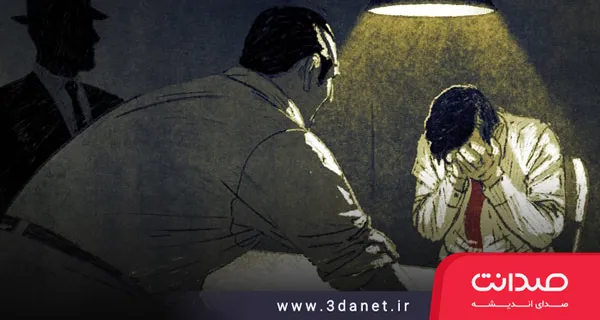
Are you hitting an opponent whose hands are tied?!
Is criticizing someone who cannot defend themselves always unjustified?
You may have heard it said: "Criticize someone who has the possibility to respond," or in other words, "In a situation where an individual or a movement lacks the possibility to respond to a critique (especially due to the 'censorship' and 'blacklisting' of the individual or movement being criticized), then criticizing that individual or movement is not morally permissible." In this piece, I will try to oppose this claim and instead argue, with hesitation and doubt, in favor of this alternative claim: while sensitivity to the feedback of critique, and specifically the despotic misuse of a critique—a critique that is not meant to serve despotism—is always permissible and indeed necessary, at the same time, suspending critique under the pretext that the person being criticized or their defenders are deprived of responding is probably not defensible. The conclusion I want to draw from this idea is that even if the 'permissible' circle of criticizable matters has been considerably limited by those in power, it might still be better not to make the sluggish market of critique even more sluggish by our own hand.
Why Critique Should Not Be Deferred
A closed or semi-open regime, by virtue of its closed nature and to the extent that it is closed, imposes many red lines on society and especially on cultural figures. However, even in a closed regime, one can (or at least it is hoped that one can) find issues that are, firstly, real problems of society, and secondly, a critical approach to those issues is more or less tolerated by the regime (and also by society). Nevertheless, in addressing these issues, it is entirely possible that the critique may involve criticizing individuals or movements from whom the regime and/or even society (or both) have permanently or temporarily deprived the possibility of responding. What should be done at such a time? One answer, which initially seems quite reasonable, is that in such a case, one should not morally engage in criticizing that individual or movement. Because this is exactly like having a boxer's hands tied in a boxing match and then asking you to box with them. It is clear that entering such a pit and directing punches at an opponent whose hands are tied is completely unjustified. This statement, however, if it held true for the past, seems less acceptable today. In the past, when an individual or movement within a closed regime did not have the right to respond, there was almost no other place for them to give a response. Today, however, the virtual sea and satellite media have so torrentially penetrated the cracks and crevices of closed regimes (with the exception of North Korea, of course) that the individual or movement deprived of responding can, through this means, convey their response riding on this sea into that regime. Therefore, refraining from critique in such a situation only deprives the audience of the few virtual and aerial openings that—despite the rulers who prohibit critique—have been kept open for criticism.
Why Critique Becomes Meaningless in a Closed Atmosphere
اما مدافعان ناروا بودن نقد فرد یا جریان محروم از دفاع، ممکن است نهایتا از دیدگاه خود عقب بنشینند و بگویند: بسیار خوب گیریم در چنین حالتی نقد اخلاقا هم ناروا نباشد، اما در جامعهای که تنها حاکمیت حق حرف زدن دارد، هیچ نقدی در واقع اصلا نقد نیست که سپس بتوان از روا بودن یا نبودن اخلاقی «نقد» سخن به میان آورد. به تعبیر دیگر، در جامعه بسته همه چیز نسیه است نقدی کو؟ به نظرم این اشکال جدیتر از اشکال ناروا بودن اخلاقی نقد فرد یا جریان بی دفاع است و حتی به نظرم میرسد که این اشکال در واقع باید وارد باشد. بگذارید بیشتر توضیح دهم. شرط لازم نقد امکان گفتوگو است و شرط لازم گفتوگو اعتماد میان ناقد، نقد شونده و مخاطبان نقد است. در جامعهای که تنها حاکمیت حق حرف زدن دارد، این اعتماد رنگ میبازد، پس شرط لازم نقد که امکان گفتوگو است از بین میرود و در چنین حالتی نقد فرد بی دفاع حتی اگر اخلاقا هم ناروا نباشد، نقدی بی معنا خواهد شد. این مشکل را با استناد به موج ماهواره و بحر مجازی اینترنت هم نمیتوان پاسخ داد، زیرا وقتی اعتماد به عنوان شرط لازم گفتوگو از میان برود دیگر تفاوتی نمیکند که فرد محروم از دفاع بتواند از طریق دیگری به نقدها پاسخ دهد یا نه، زیرا این امر اعتماد را باز نمیگرداند. این اشکال در واقع بیان دیگری است از تعبیری که به علی شریعتی منسوب است: «در جامعهای که فقط یک نفر حق حرف زدن دارد، هيچ حرفی را باور نکنید». من پاسخی قانعکننده به این اشکال جدی ندارم، تنها به نحو شهودی به نظرم میرسد که حتی در فضای بستهای که نقد میل به بی معنا شدن دارد، باز هم دست نکشیدن از نقد بیشتر ممکن است این فضای بی معنایی را بشکند تا دست کشیدن از آن.
برای یک نمونه از بی معنا شدنِ نه فقط نقد بلکه خبر، کلام و رابطه، فیلم آلمانی «خداحافظ لنین» (۲۰۰۳ میلادی) را ببینید و به ویژه به صحنههای خبرخوانی ساختگی دقت کنید.





Discussion0 comments
No comments yet; let yours be the first voice.