Philosophy
Self-Plagiarism: Immorality or Carelessness!
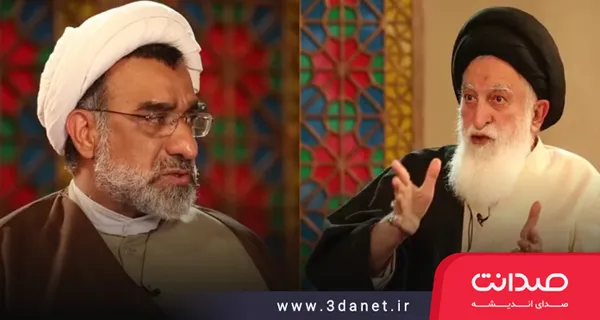
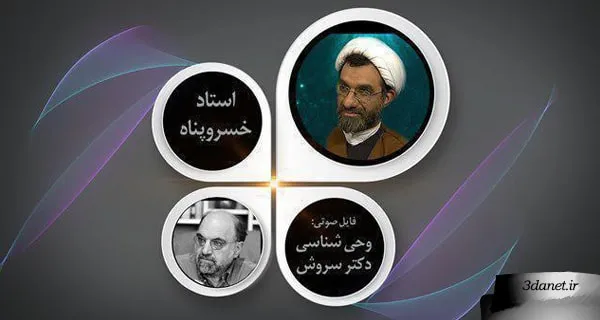
The accusation of research misconduct against Dr. Khosropanah is refuted on the grounds that quoting from one's own work is legally permissible and that the misattribution of sections authored by others is rejected; the author, citing the ethical double standards of the critics, deems these criticisms targeted and unfair.
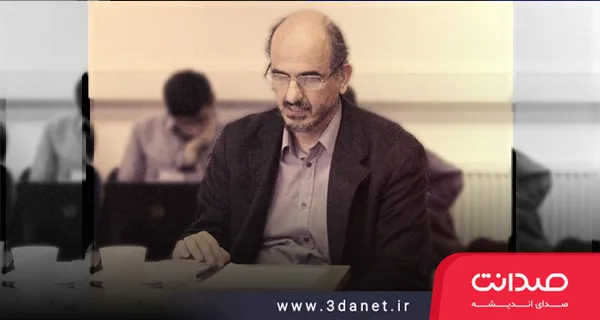
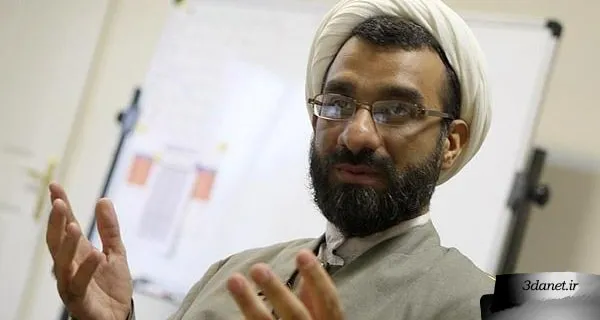
The Seda Net website, in a piece ("Was it plagiarism that a clever man would commit?"), has accused Hojjat al-Islam Dr. Abdolhossein Khosropanah of research fraud. The author of this note, who also has a background of study in the field of ethics, has accused Dr. Khosropanah of two types of fraud: first, self-plagiarism, and second, plagiarism of others.
Regarding self-plagiarism, as the author has pointed out, no law in the country prohibits a researcher from quoting material from their own works. To ensure the absence of such a law, legal experts and authorities in the field of intellectual property were also consulted, and they confirmed the lack of such a law. If the laws of other countries are the criterion, (which, of course, the reason and rationality of this matter warrant serious reflection?) which university's or research center's regulations should be the standard? Those familiar with Western academic research know that some publishers abroad make quoting material conditional on permission from the author and publisher. Has the esteemed author ever observed this law, or is he willing to observe it? "Fraud" is a legal title whose basis must be clearly specified in law. This accusation, without citing the text of the law, will be legally actionable. Regardless of the lack of legal validity, quoting material from one's other works is also abundantly found in the writings of renowned domestic and foreign researchers. If the author has the opportunity to study, he will see that a large part of the books of Keith Lehrer, John Searle, Dr. Dinani, Ayatollah Mohammad-Taqi Jafari, Ayatollah Javadi Amoli are also found in their other works. We hope that in the next step, those concerned with the law and ethics of our country will also expose them. Because they have transferred money from their own pocket to another's!! Apparently, Mr. Khodaparast has not seen the collections of articles that have become books? If a university asks a renowned author on a subject to write a hundred-page book for undergraduate students, what should he do? Should he say things other than what he has previously researched so that no overlap occurs? Or should he change the verb "is" to "would be" so that it does not become self-plagiarism?
But regarding plagiarism of others, apparently, in order not to be left behind the caravan of slander, the writer did not have the opportunity to study the book properly and realize that Dr. Khosropanah, who is accused of summarizing, copying, and fraud, is not the author of the mentioned section. Rather, someone else wrote this section. Probably, they expect that in works such as collections of articles or collective research, the person whose name is on the book should check all the citations of other researchers!! Interestingly, Mr. Khodaparast has also mentioned the citations, but this amount of citation did not satisfy his opinion!! Those involved in scientific research know that citation methods do not have a clear-cut rule. Citing in every line is not considered desirable by many researchers. Especially in works chosen for teaching, the principle is to reduce citations.
In any case, the title "fraud" carries legal weight, and if not proven, it is considered an accusation and is prosecutable. What Dr. Khosropanah does with this accusation is up to him, but some other questions remain unanswered:
Why, among all these scientific questions and effective research, has the targeted fault-finding of Dr. Khosropanah's works become the goal of some?
How is it that in these critiques, no positive point has been mentioned (contrary to the usual practice of scientific criticism)?
Or why are these critiques written with so much negative emotion and anger?
Those who belong to the ethical sphere also know that destroying people's reputations and making accusations has no moral goodness in the act itself; perhaps the author wishes to rely solely on the goodness of the agent and considers his intention a sacred duty to cleanse the research environment of unworthy elements. Even though we consider the author's intention in destroying people's reputations to be good! and regard them as the price of purifying the realm of research from fraud, yet is this good intention also applied to Mr. Khodaparast's friends? Does he recall some of his own associates who encountered difficulties during promotion in these very recent years? Do those who received salaries from a research center for several years without delivering a single page also fall under these good intentions? What about those who pledge to make amends for previously received salaries by presenting research, and do not? Has Mr. Khodaparast never submitted an article whose phrases are exactly the content of his other works? Thanks to technology, pronouns no longer wander lost and find their referent!
And the final question: if someone had leveled a portion of these accusations against one of the lower-ranking figures of the intellectual movement, how would the people of ethics and the trustworthy researchers!! have treated them?
.
.
PDF file of this article
.
.
Self-Plagiarism: Immorality or Carelessness!
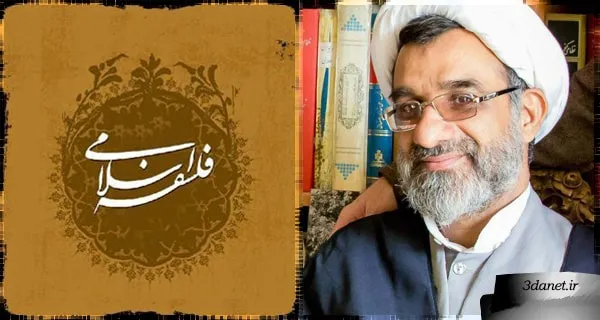
Author: Mohammad Kashizadeh, Faculty Member, Department of Theology, Institute for Culture and Islamic Thought
.
.

Discussion10 comments
کامنت هایی که توسط یک IP با اسامی متفاوت ثبت میشوند تایید نخواهند شد.
آقای کاشیزاده شما احتمالاً تا حالا در زندگی خودتان با کتاب و کتاب خواندن مواجههای نداشته اید، وگرنه تا حالا فهمیده بودید که مسئولیت حقوقی کتاب با نویسنده ای است که نامش روی جلد آمده است، نه مستشاران و منشیان بدبختی که در ازای گرفتن پول برای امثال خسروپناه رزومه میسازند. واقعا که امثال شما و آن حاجی فقط یک راه را بلدید و آن هم زور و تهدید است. البته حرجی نیست که از همین راه به این موقعیت فعلی تان نیز رسیده اید. حالا هی تهدید کنید، هی تهدید کنید. این حاجی با این رزومه ی پر تقلبی که دارد، خیلی احمق است که راه تهدید را رها نمی کند. پاسخ تهدید همان است که تا حالا دیده اید.
1 . میزان سواد متناسب با ادب کلام فرد است. 2 . ما که بعنوان مخاطبین تهدیدی نشنیدیم اما از منتقد عصبانیت، توهین، نتیجه گیری غیر قابل قبول زیاد دیدیم.
زور و تهدید قطعاً محکوم است. جامعه فلسفه از طرف شما چه در ذهن دارد؟ احتمالاً اندیشه، تفکر، نوآوری فکری.
متوجه نمی شم چگونه است که هر کس نظر شما را ندارد یک دفعه اینقدر قشری کم سواد و یا بیسواد از آب درمی آید. چگونه است که همگی بیسواد هستند؟چگونه است که همگی اهل تقلب اند؟ چگونه است که در تمامی مسئل اشتبتاهات فاحش دارند؟چگونه است که حتی تصادفی هم هیچکدام ارز حرف هایشان حتی درصدی از درستی درش نیست؟ آقای کاووس سید امامی قطعاً به سخنان شما توجه خواهم کرد زیرا که این احتمال گرچه بسیار ضعیف است اما صفر نیست. اگر از من می پرسید شاید این همه نتایج بعید توضیحی بسیار ساده دارد: شاید اساتید دانشگاه واکنش عصبی نشان می دهند و هر صدای ناسازگاری را می خواهند خاموش کنند!
الان چی شد؟ نویسنده محترم درصدد اثبات چه چیزی هستند؟ منظورشان این است که انتحال صورت نگرفته است؟ به نظر در این مورددلیلی در اثبات دیدگاه خود ندارند. منظورشان این بوده که تهمت زدن به مؤمن جایز نیست؟ البته ادعای کذب در مورد هر انسانی عملی ناشایست تلقی میشود. به نظرم رسید که منظور مؤلف این است که علیرغم وجود شبههی انتحال در عین حال «بردن آبروی افراد» کار درستی نیست. من در این مورد با مؤلف محترم موافق نیستم. کسی که بر مسند علمی نشسته و از این طریق کسب اعتبار و درآمد میکند باید قبلاً نسبت به رفتار خودش آگاه باشد.
نه صفحه ای ذکر شده و نه متن اوریجینال ارائه شده. پس ذکر انتحال به چه معنی است؟ دوم، ظاهرا شما دوست دارید احساسات منفی خود را ابراز کنید و دنبال دلیل هستید. اگر اینطور است اصولا نیاز به دلیل نیست هر چه دلتان می خواهد به افرادی که دوست ندارید نسبت دهید.
حال که بحث پیگرد قانونی است، اطلاق عنوان "دکتر" بر دارندگان مدرک سطح چهار حوزه (از جمله آقای خسروپناه) جرم است و طبق ماده ۵۵۶ قانون مجازات اسلامی از سه ماه تا یکسال حبس یا از ۱۵۰ هزار تا ۶۰۰ هزار تومان جریمه دارد. ظاهراً در مورد تقلب علمی قانونی وجود دارد و جرم حقوقی محسوب نمیشود و در نتیجه قابل پیگرد قانونی نیست. ارجاع میدهیم به آقای محمود خاتمی که علیرغم اثبات تقلبهای مکرر همچنان در دانشگاه تهران مشغول به کارند و هیچ گونه مجازاتی برایشان اعمال نشد. بنابراین، آقای خداپرست با انتساب تقلب علمی به حجت الاسلام خسروپناه هیچ جرمی را طبق قوانین ج.ا.ا. نسبت ندادهاند.
قانونی وجود ندارد×
آیا به نظر شما نبایست ادعای شما پیش از استناد ابتدا مورد تحقیق و ارزیابی مرجع ذیصلاح قرار گیرد؟