Religion
“The Age of the Maddahs,” an essay by Emadeddin Baghi
Industrial eulogy is a propagandistic practice born from mourning rituals that surged after the 1979 Revolution; from its history and the emergence of vulgar styles and debased literature to the objections of the maraji', allegations of corruption and espionage against certain eulogists, and finally its renaissance.
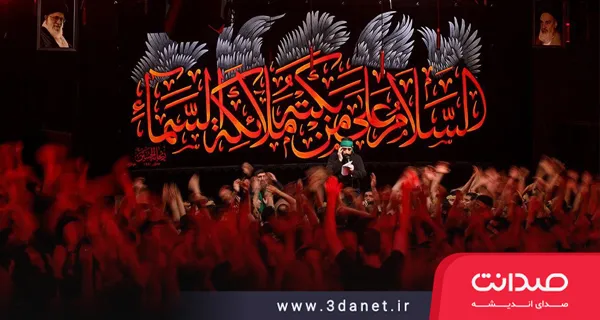
This essay takes a brief look at the history and meaning of maddahi (eulogy recitation), its rise after the 1979 Revolution and the reasons for that rise, the emergence of vulgar literature and debased styles of maddahi, the objections raised by religious and political authorities, issues such as corruption and espionage attributed to some practitioners, and finally, the renaissance occurring within maddahi.
Some passages of the text that I had omitted due to considerations such as lack of newspaper space, etc., I have placed here in brackets.
Maddahi is a religious promotional industry, arising from the mourning rituals of Muharram and subsequently the mourning for other religious leaders. Maddahi had become a form of sometimes melodious lamentation, performed "before the rawza," "after the rawza," or "independently," which required no historical or religious education or knowledge, and many ordinary people or even minors would venture into this work simply by having a suitable voice or the audacity to recite.
If it is said that the beginning of rawza-khwani dates back to the 9th century AH onwards, by Mulla Husayn Kashifi (who was a prominent figure before the rise of the Safavids), then maddahi certainly came after it and has a shorter history. Maddahi is the offspring of rawza-khwani. While a rawza-khwan was someone who had to have at least completed the preliminary studies of a seminary student, maddahi did not even require this. Maddahi was, in fact, a kind of warm-up act and gathering-warmer that gradually found an independent status for itself.
Maddahi was known in the past as marthiya-khwani (elegy recitation). Marathi are poems of mourning for religious leaders, but maddahi was a particular style of performing marathi alongside rawza-khwani. Among the oldest marathi seen before maddahi, which is a style of performing marthiya, "two qasidas can be found in the divan of Qavami Razi. Sana'i, in his Hadiqa, also composed many poems in praise of the Holy Prophet and his household, and Ali, Imam Hasan, and Imam Husayn (AS), and dedicated a chapter to describing the tragedy of Karbala, speaking ill of Yazid and his army, and recounting the sufferings of the Prophet's household, which is apparently the first and oldest mention of the events of Karbala in Persian poetry." (Persian Folk Literature, Mohammad-Jafar Mahjoub, pp. 1212-1213). The poems, eulogies, and elegies of the Shi'a have been recorded in numerous books. For example: "Poems of Mohtasham Kashani," "Divan of Fakhr al-Husayni," "Traditional Shi'a Mourning (Eulogies, Elegies, and Chants of Saqqa Lamentation for the Fourteen Infallibles, especially the Martyrs of Karbala - From Medina to Medina: Common among Saqqa Processions and Saqqa-Khwans of Kashan)," and so on. In these traditional mourning poems, there is no trace of expressions like "Husayn's dog," "Zaynab's dog," "it's pouring down," and the vulgar expressions found in the Muharram poems of the last three decades (1991-2011 CE).
Maddahi flourished more in certain cities. For example, Ardabil exported maddahs to Azeri-speaking regions like Baku, Maragheh, and elsewhere, and if these maddahs did not have "Ardabili" as a suffix to their name, the people themselves would append the Ardabili suffix. The biographies of Ardabili maddahs and their musical styles have been recorded in ethnographic texts (see: Weddings and Mournings, Buyuk Jamei).
The issue of maddahi and the criticisms directed at it is not a new phenomenon. Mirza Husayn Nuri, one of the great scholars and traditionists of the 14th century AH, addressed it in 1901 CE (1319 AH) in Lu'lu' wa Marjan, and after him, Ahmad Kasravi, and in the 1960s and 70s, from Shariati to Ayatollah Motahhari and Nasir al-Din Amir-Sadeghi, each addressed it from a particular perspective. Salehi Najafabadi has also spoken in detail in his critique of stories popularized by maddahs that have no documentary basis.
The Spread and Peak of Maddahi in the Islamic Republic Era in Iran
After the Islamic Revolution of 1979, the profession of maddahi (eulogy recitation) became widespread, one of the main factors being the eight-year war. On the one hand, for the first time with the establishment of the Islamic Republic, the giant media apparatus of radio and television was placed at the disposal of the religious, and it used the broadcasting of maddahis to attract or influence public emotions; on the other hand, maddahi was used to galvanize society and mobilize for war. On the front lines themselves, maddahi was a common preoccupation for the spiritual and moral recharging of the combatants. Sadegh Ahangaran and, after him, Gholamali Koveitipour were two prominent professional singers of epic and religious pieces during the war period who became known through the national media, and after the war, by refraining from entering political games and the unseemly exploitation of the art of epic recitation from the defense era, they preserved their national and religious credibility. However, under the same wartime conditions, many people, possessing a little audacity and having heard the repetitive tragedies—which was enough to learn and required no study—participated in maddahi, and their numbers grew. After the war ended, new maddahs entered the arena and became known, most of whom served specific groups close to power.
One of the first books to provide a detailed descriptive and analytical report on the formation of wartime hey'ats (religious gatherings), the revolutionary hey'ats after the war's end, as well as the formation of popular hey'ats and the introduction of their maddahs and their emerging styles, is the research book "Shia Media" by Mohsen Hesam Mazaheri, to which I refer the reader for a study of the state of maddahi in this period.
The Authority of the Maddahs
[Mohsen Gharavian, a traditional cleric and member of the Society of Seminary Teachers of Qom, has used the term "empire of the maddahs" (Shargh, 16 Mehr 1395, pp. 1 and 19) and "Mesiah Mohajeri has also used the term "Republic of the Maddahs" instead of the Islamic Republic (ibid.). But how did this empire come into being?]
After the war, hey'ats consisting of combatants were formed, which strove both to preserve the heritage and nostalgia of the war and to maintain readiness for a possible future war. To preserve organization and connections, especially in more cohesive groups reliant on the values and emotions associated with the martyrs, maddahi flourished and took on a new form. The use of these value-oriented groups by power institutions to confront different styles and norms or dissident groups influenced the literature of maddahi and its functions. In the first decade after the war (the 1990s), the behavior of these groups was such that they were dubbed "pressure groups."
New Styles of Maddahi
In the 2000s, on the one hand, a new generation, whose mentality and tastes had been shaped differently under the influence of new media, inadvertently introduced new styles into maddahis through their presence. From the mid-2000s, various musical instruments, modal systems, and songs entered the Muharram mourning ceremonies, and some maddahs, using Iranian poems and songs produced in Los Angeles that had found their way among the masses through the reproduction of unauthorized CDs and satellite channels, invented new maddahis that could be accepted by this segment of society. Some older maddahs also embraced and promoted these styles to update themselves and maintain a connection with the new generation. What compounded the problem was that the national media, by giving a platform to these maddahs, lent a kind of official recognition to them and what they say.
Along with the new styles and the influx of Los Angeles-style poetry, some maddahs turned to reconstructing mourning poems. Either out of empathy with the culture and language of those singers, they manifested their influence in their inner selves through theatrical maddahis during Muharram—because the Muharram season was a large market for them, and they should not miss the opportunity to offer their wares—or, in the most optimistic scenario, some of them sought to engage the new, religion-averse generation with this literature. In any case, however, the difference between the elegies of ritual poets and the newly arrived maddahs was astonishing and strange. It suffices to compare two examples of traditional and newly invented poems:
“My brain scan in the doctor’s presence was scribbled and scrambled / The physician in his office, bewildered, cried out / What kind of brain scan was this, what kind of brain scan was this / Do you know what I answered the doctor, the cause of its flaw, sir / I am insane, insane for Husayn / Scribbled from love of Husayn / Again, again I am restless, I have no business with doctors / I bang my head against the wall, I have no business with anyone.”
Compare the above verse with the long ghazal of Muhtasham Kashani, whose first three couplets are as follows:
Again, what tumult is this within all creation
Again, what lamentation, what mourning, what grief is this
Again, what great resurrection is this that from the earth
Has risen without the trumpet’s blast to the highest throne
This dark dawn has breathed forth again from where, whence
The affairs of the world and its people are all in disarray
And also this ghazal of Rumi:
Where are you, O martyrs of God O seekers of affliction on the plain of Karbala
Where are you, O light-spirited lovers More soaring than the birds of the air
Where are you, O heavenly kings Who have learned to unlock the firmament
Where are you, O ones escaped from soul and place One might ask reason, “Where are you?”
Where are you, O breakers of the prison door Who have granted the debtors release
Where are you, O openers of the treasury door Where are you, O melody of melodylessness
You are in that sea of which this world is its foam You have but a moment’s familiarity
The forms of the world are the sea’s foam Pass beyond the foam if you are of purity
In the new Los Angeles-style poems, “Husayn, Husayn” is pronounced as “Sen, Sen” or “Sein, Sein.” The insulting Muharram poems of recent years reflect the defects of the cultural system, a kind of laxity and abandonment of rules and the principle of expertise and knowledge, and the handing over of professions and sciences to the common folk. The meaning of this statement is not to permit the prescription and engineering of literature—indeed, the engineering approach is the other side of the same coin of vulgarity—but rather to honor values and the social authority of matters.
The Politicization of Maddahi
In addition to changes in the musical style and lyrics of maddahi, the issue of its politicization also became a new predicament. A group of well-known maddahs, by entering politics, became one of the contending parties, such that the status of maddahs suddenly received a special elevation with the coming of the Ahmadinejad government, especially in the political sphere, to the point where his first government became known as the government of maddahs. The reason for this epithet was that these same maddahs would recite poems in praise of a candidate and ask the chest-beating crowds to repeat them. Because during his 14 months as mayor, Ahmadinejad mobilized considerable resources and money in support of this group. “In 2005, the gatherings of certain famous maddahs became a venue for attacking Hashemi Rafsanjani and Mohammad Bagher Ghalibaf. Although these same maddahs later rebelled against the Ahmadinejad government as well, which led to a quarrel between them and the circle close to Ahmadinejad and harsh words spoken against Esfandiar Rahim Mashaei, ultimately resulting in complaints from both sides to the judicial authority” (Shargh, Monday, 6 March 2016).
Crossing the Line: The Conflict Between Maddah and Preacher, and Knowledge and Ignorance
Criticism of the maddahs reached a point where a number of clerics also joined the ranks of their critics. First, Ayatollah Shobeiri Zanjani, one of the grand sources of emulation, criticized the excesses in mourning rituals and the invention of new commemorative decades in March 2014. After him, in mid-2015, sources of emulation such as Ayatollah Makarem Shirazi directed their criticism at the maddahs themselves, demanding that they know their limits, consult reliable and documented books, recite poems befitting the dignity and station of the Ahl al-Bayt (AS), and refrain from insulting the sanctities of other religions and sects in mourning gatherings. Maddahs must avoid incorrect and weak poems that disparage the station of Imam Hussein (AS) in their eulogies. He also criticized the politicization of maddahi and mourning gatherings.
Likewise, Sheikh Hossein Ansarian, one of the well-known and reputable maddahs—who, of course, was not of the self-styled variety and pursued rawda-khwani and maddahi as a peripheral occupation after his religious studies—spoke of the danger of “religion becoming maddah-centric.” Speaking several months after Makarem Shirazi’s remarks at the Fourteenth Conference Honoring Women Quran Researchers in Tehran’s Milad Tower conference hall, he criticized the preeminence of maddahs over seminary-trained preachers, saying: “It is a grave harm that when a learned, seminary-trained preacher is invited to speak at a gathering in Tehran, people mill about outside the ceremony, eager for this preacher to leave as soon as possible so that the maddah can take his place.”
(Ansarian, Shargh, Monday, March 6, 2016). It is noteworthy that Sheikh Hossein Ansarian’s remarks were published on the “Ansar-e Hezbollah” news website.
These criticisms have continued at other levels as well. Masihe Mohajeri, the managing director of the Jomhuri-e Eslami newspaper, pointed to the marginalization of knowledgeable and literate preachers and the emptying of mosques during mourning ceremonies, protesting that mourning gatherings have moved from mosques to homes and takyehs, falling into the hands of maddahs who merely recite superficial poems while simultaneously delivering sermons and preaching, and that television gives this group a platform.
[Link to Corruption
In recent years, another issue that has made its way into the media is the matter of corruption among a number of maddahs. In 2009, I saw a number of defendants in security detention centers who were linked to corruption cases involving certain influential figures and maddahs within the hey’ats, but the issue of corruption had not yet gained much media dimension. In recent weeks, with the mention of Hassan Raeit’s name, this matter has entered a new phase.]
The Sound of Confrontation
The spread of modern pop music and unconventional styles of maddahi and mourning gradually provoked reactions.
In this context, Ghasem Rezaei, the vice-chairman of the Tehran Maddahs Association, said on November 27, 2011: “For some time now, certain famous maddahs have resorted to using the lyrics and styles of Los Angeles-based singers’ songs, and they do not pay attention to the fact that they are in the public eye and influence people’s mourning rituals. Unfortunately, in broadcasting religious programs, the IRIB only looks at the fame of the maddahs and pays no attention to their lyrics and styles.”
Although, because maddahi did not require specific education or training and individuals engaged in it through their own initiative, anomalies were observed among some of them in the past, before the revolution as well, it was society itself that would ostracize them by not inviting them and turning away from them, or perpetuate their errors through indifference. In any case, it was a matter whose fate was determined within the framework of social interactions. However, after the revolution, especially from the 1990s onward, with the involvement of a group of maddahs in politics, economic and moral transgressions within this stratum increased sharply due to a sense of security from having impunity. For this reason, society’s sensitivity toward them also grew, and news related to them became publicized in the media [as the website Baztab, which was a principlist site, reported in April 2013 that “a relatively famous Tehrani poet and maddah, whose images have been broadcast on television many times, has been arrested for having a relationship with a married woman” (Baztab, Monday, April 29, 2013).
The “Iran Network,” affiliated with the state-run IRNA news agency, also quoted a university professor as saying that the “moral contaminations” of some maddahs have caused the dissatisfaction of their wives and families.
Vulgar Literature
The IRIB has warmly welcomed the new-style and vulgar maddahi performances during the Muharram mourning ceremonies. During these same mourning ceremonies, this media outlet approached Mansour Arzi and broadcast an interview with him on the “Bi-Taarof” program of the 20:30 news segment on the seventeenth of Mehr. An interview, part of which was widely reflected in cyberspace as “Imam Hussein also used profanity.” When the host asked him: “They say that Haj Mansour’s criticisms are sometimes so harsh that it can be said they are not criticism, but insults,” Mansour Arzi replied: “We learned politics from our master... but there comes a point where His Holiness says ‘Ya ibn al-da’i’ (O son of a loose woman), well, find fault with Imam Hussein, why do you find fault with me?! Sometimes I say some things, and we don’t even say anything new, why do they say whatever they want, and then tell us we shouldn’t say anything.” (Shargh, Sunday, 25 Mehr 1395, pp. 1 and 19)
The President’s Legal Deputy asked Arzi to apologize to the people for his remarks. The front-page headline of one newspaper was also dedicated to this issue (Setareh Sobh, 24 Mehr 1395). The second headline of the same newspaper is a sentence from Ali Motahhari, the Deputy Speaker of the Parliament: Maddahi has taken the place of analyzing events and expressing Islamic teachings. Ali Motahhari also criticized the entry of maddahs into political issues directly related to the acquisition of power (ibid., p. 6).
Seyyed Mohammad Gharavi, a member of the Qom Seminary’s Society of Teachers, said in an interview with the Entekhab website: “We should not justify our own misdeeds and foul language by attributing them to the Imams and presenting it as religious.” Gharavi also criticized the IRIB, saying: “I do not approve of the national media broadcasting this program, and the national media must correct these statements.”
Hadi Sadeghi, the Cultural Deputy of the Judiciary, also said that Arzi’s remarks were wrong. “This respected maddah has made a mistake and said something that he must compensate for.” However, while all the reformist press were addressing these issues, the principlist media, which always express a special sensitivity towards religious values, remained absolutely silent. On the contrary, Ansar-e Hezbollah, in a statement, had defended Mansour Arzi’s remarks and called the critics of these remarks liberals, demanding that the liberals apologize to Arzi.
Maddahs Accused of Espionage
Although the aforementioned discussions about maddahs have entered a new phase and accusations of espionage have been raised against some maddahs by certain responsible figures and judicial and security institutions, this story has a longer history. Of course, these suspicions existed in the past. Esmail Raeen listed the names of several people in his book who were taking money from England.
Ayatollah Montazeri also recounts in a memoir: “During the Ottoman rule, which was a powerful and important government that the British wanted to dismantle and eventually did dismantle in World War I, there was a mosque next to the Ottoman Embassy (the Turkish Embassy) in Tehran. In this mosque, a sheikh would recite the Rawda of Hazrat Zahra (SA) every morning, about how the second caliph struck the door against Hazrat Zahra’s side and so on... Someone says, ‘I thought, there must be something behind this sheikh reciting this Rawda here every day. I went to him and said, Sheikh, don’t you know any other Rawda to recite? You recite this Rawda every morning? He said, I do. I said, so why do you recite this Rawda every day? He said, I have a sponsor who gives me 5 rials a day and tells me to recite this Rawda in this mosque, so I recite it! I said, can you introduce this sponsor to me? He said, yes, he is a shopkeeper on this very street. That person goes and befriends the shopkeeper. Then he says, how is it that you have the Rawda of Hazrat Zahra recited in this mosque every day? He says, someone gives me 2 tomans a day, I take 15 rials of it, and give 5 rials to this sheikh to recite the Rawda. Then he traces who the sponsor of this Rawda is. It turns out they give 25 tomans a day from the British Embassy so that the Rawda of Hazrat Zahra (SA) is recited in this mosque next to the Ottoman Embassy every morning, and the market for Shia-Sunni conflict is kept warm every day.” (Memoirs, Volume One, pages 82 and 83)
He adds: These countries are still trying to deceive: “We must ultimately bear in mind that American and British colonialism are not yet dead, and every day they may pull the wool over our eyes with a new method.” And he advises: “Gentlemen must be careful in their writing and speaking, and should not be provoked merely because someone came and said something… or if they wish to write something, they should write it in a way that does not harm the foundations or any institution, or become subject to misuse.”
For years there had been no news or talk of possible links between certain maddahi practices and foreign intrigues, until the 2010s, when ethical, financial, and political discussions first emerged and ultimately led to accusations of espionage. At the same time, given that other power groups lacked the capacity to deal with the crimes committed within this guild, the strongest confrontation with deviance in this profession was carried out by the very institutions that had benefited most from the maddahi vocation. In December 2011, a commander of the Islamic Revolutionary Guard Corps announced: The CIA has infiltrated the maddahs. The cultural and propaganda deputy of the Representative of the Supreme Leader in the IRGC stated that the U.S. Central Intelligence Agency, the CIA, had infiltrated the maddahs at mourning ceremonies in Iran and introduced “its desired tunes and poems” into the maddahi performances. IRGC Brigadier General Mohammad-Ali Asoudi told the IRNA news agency: “The American spy agency, the CIA, has planned and spent a great deal of money to counter the culture of Ashura, to cause deviation in mourning ceremonies, to infiltrate the maddahs, and to introduce its desired tunes and poems.”
Mentioning that “in the last two years, 1,400 pasdar maddahs serving in the IRGC have been identified and organized,” he added that “some maddahs, through carelessness, make statements and recite poems that harm Shia-Sunni unity.” Up to this point, the accusation of espionage was in fact raised as a hypothesis to explain the emergence of new and unfamiliar tunes and poems, and without engaging in a sociological, cultural, or anthropological analysis of the phenomenon, they absolved themselves of a scientific analysis by adopting a security-oriented perspective.
News of the arrest of three well-known maddahs from social media had been circulating for some time, until on Monday, July 30, 2017, the state news agency IRNA reported that Mohseni-Ejei, the spokesperson for the Judiciary, announced at a press conference in response to a question that the case was under review at the Special Clerical Court. He said that two individuals had been arrested in connection with this case, one of whom had been released on bail. Subsequently, the media announced: The espionage case of two well-known maddahs has been sent to the Special Clerical Court.
But the matter did not end there. Three years later, on August 31, 2019, the head of the National Organization of Maddahs, at the 32nd annual gathering of maddahs and eulogists of the Ahl al-Bayt (AS) in Kerman, stating that the enemy is constantly seeking to destroy Islam and wants to undermine Muharram and Ashura, declared: “In Israel, maddahs are being trained to undermine Ashura, and some of them have been arrested in the country.”]
Renaissance
All these events will shape the components and elements of future developments concerning the fate of maddahi and Muharram rituals, and will give rise to a kind of rationality and heightened sensitivity toward this profession, although the metamorphoses of the content and literature of elegies and the social context of maddahi will follow their own laws within the transformation of phenomena.
A new birth is also visible in the poems and elegies, one that mends the rift between Muharram rituals and the new generation. Precisely at a time when the ever-increasing estrangement of believers who had previously participated in Muharram ceremonies—and who had lost their motivation to attend due to the dominance of political and state-sponsored maddahs and the loss of its traditional and popular content—the emergence of populist styles that speak the heart of the masses captured public attention. For the first time, a clip of a chest-beating procession at the Sheikhdad Hosseiniyeh in Yazd, free of embellishments and superfluous instruments, accompanied by poems that empathized with society, was shared millions of times, demonstrating that a positive metamorphosis in these rituals and an improvement in their function could steer this ancient tradition from the precipice of elimination to a lasting place.
One of the poems by Shahab Mousavi, recited by two maddahs at the Sheikhdad Hosseiniyeh in Yazd on the day of Ashura to the rhythm of traditional maddahi, with a magnificent crowd of chest-beaters joining in harmony:
I am the roar of the storm / the raging sea / by your hand this house of faiths was ruined / when was this oppression of religion ever permitted? / one must ask you, how long the seat and the crown? / what is this you tie, in God’s name, to religion? / cry out against this creed, alas for this faith / alas for this faith (2x) / I am the roar of the storm / the raging sea / I am the thunderbolt of wrath from silent lips / I am wounded by injustice, I am a cry and I cry out / I cry out and I cry out / I have given all I have in the way of God (2x) / I am the cry of freedom from the throat of a shout / like a wave adrift in sorrow, wounded by injustice / I am the caravan of pain, I am the silence of exile / as long as breath remains, I strive to erase oppression / I am the cry of freedom from the throat of a shout / like a wave adrift in sorrow, wounded by injustice / wounded by injustice / blisters have covered my feet / chains have weighed upon my shoulders / I am born of Zahra / for what shall I sell my faith? (2x) / In another of his poems, it reads: Suddenly dust arose, a riderless horse came / the sky fell to the earth before the feet of freedom / the caravan set out, a shadow fell upon the moon / the moments are breathless, this is the sound of chains.
Unlike earlier poems in which the aspect of negation is strong, these poems have an affirmative aspect. Instead of merely negating oppression, they also emphasize freedom, and with allusions to despotic rule under the guise of religion—of which the Umayyad state is considered the symbol—they give these poems the capacity to be applied to different eras, bringing the conflict between state religion and religious state into play, entering into dialogue with modern discussions on secularism, and blocking the path of superstitions and pretenses that provide a fertile ground for infiltration, destruction, strife, and discord among Muslims.
.
.
The Age of the Maddahs: Maddahi in the Cycle of Social Transformations
Author: Emadeddin Baghi
Sazandegi Newspaper, No. 467, Sunday, 8 September 2019, p. 3
Baghi’s Talks Channel | Instagram | Website | Facebook
.
.

Discussion15 comments
صدانت عزیز حق دارید سانسور کنید. سانسور از آشنایی اذهان با افکار دیگر جلوگیری میکند.
جناب آقای باقی، دست تون درد نکنه که به این بحث ریشه ای پرداخته اید. اما باید تکمیل بشه و صراحت بیشتری داشته باشه. چون خیلی دست به عصا و با احتیاط وارد شده اید، خیلی! - مقابله ای که به آن اشاره کرده اید، از نوع تحول دیدگاه و برخورد ریشه ای نیست، بلکه موضعی و برای حذف یک سری از افرادی است که به زعم مقابله گران، نامطلوب تشخیص داده شده اند. آن ها که حذف بشوند، چرخ آسیاب به همین روال خواهد چرخید. - اما در باره ی مراسم و نوحه ها و شعرهای متفاوتی که منشا شان در یزد است: لطفا به اندازه و به «قدر» تحلیل کنید. فرمایشات شما مبالغه آمیز است. در کنار قدردانی از با معنا بودن این نوحه ها، گیریم که در همه ی مراسم شیعیان دنیا از این شعر ها بخوانند. اما محتوا هنوز به شدت تهاجمی است نسبت به جهان بیرون و لحن تهییج آفرین عمل سینه زنی، فرجامی نباید داشته باشد جز تخریب، تخریبِ مثلا کاخ شمر و یزید زمانه. و همین اصل فاسد، قطعا به نظر جنابعالی که دوره ی این حرف ها را پشت سر گذاشته اید، چرخه ای است فاسد و مصیبت زا. شاید بهتر آن باشد که ملت سینه زن به همان نوحه های شصت هفتاد سال پیش برگردند و بگذاریم تا «ماست خودشان را بخورند و خوش باشند!» به این ها دست که بزنیم، کار خراب تر خواهد شد! متشکرم.
با سلام البته جریان نوحه های مردم گرای یزد با اشعار متفاوت و روزآمد جناب شهاب الدین موسوی از سالهای آغاز دهه ۸۰ در هیئت شیخداد و بعدها بعثت و کوچه بیوک یزد رقم خورد و این نوحه که گفتید اول بار نبوده است امروز قریب به ۹ ؛ ۱۰ هیئت بزرگ این شهر و حتی شهرهای مجاور این نوع سروده های محتوایی را میخوانند
و قسمت آخر جای خجالت دارد. دقیقا فریبکاری انگلیسی درش متجسم شده است: " نوزایی همه این رویدادها اجزا و عناصر رخدادهای آینده درباره سرنوشت مداحی و مناسک محرمی را رقم خواهند زد و نوعی عقلانیت و حساسیت بیشتر نسبت به این حرفه را پدید خواهند آورد هرچند دگردیسی های محتوا و ادبیات مراثی و بستر اجتماعی مداحی، قانونمندی خود را در دگردیسی پدیده ها خواهد داشت. در در اشعار و مراثی نیز زایشی نو دیده می شود که شکاف مناسک محرمی با نسل نو را ترمیم می کند. درست در زمانه دوری گزیدن روزافزون مردمان باورمندی که پیشتر در مراسم محرمی مشارکت داشتند و با چیرگی مداحان سیاسی و حکومتی و از دست رفتن محتوای سنتی و مردمی آن انگیزه های حضور را از دست داده بودند ظهور سبک های مردم وارانه که سخن دل توده است توجه عمومی را برانگیخت. نخست بار کلیپ یک دسته سینه زنی در هیات شیخداد یزد بدون آلایش و آلات زائد و توام با اشعاری که با جامعه همدلی داشت در شمار میلیونی دست به دست شد که نشان می داد دگردیسی مثبت در این مناسک و بهبود کارکرد آن می تواند این سنت دیرپا را از ورطه حذف به جایگاه ماندگار سوق دهد. یکی از سروده های شهاب موسوی که در هیأت شیخداد یزد در روز عاشورا با ریتم مداحی های سنتی توسط دو مداح خوانده شد و جمعیت باشکوهی از سینه زنان همنوایی می کردند: من غرش طوفانم/ دریای خروشانم/ بادست شما ویران شد این خانه ایمان ها/این ظلم و ستم بر دین کی بوده روا آیا؟/ باید ز شما پرسید کو مسند و تاج تا کی؟/ این چیست که می بندید با نام خدا بر دین؟/ فریاد از این مسلک ای وای بر این آیین/ ای وای بر این آیین(۲بار)/ من غرش طوفانم/ دریای خروشانم/ من صاعقه خشم لب های خموشانم/ من زخمی بیدادم، فریادم و فریادم/ فریادم و فریادم/ من دارو ندارم را در راه خدا دادم(۲بار)/ من نعره آزادی از حنجره فریاد/ چون موج رها در غم، زخمی شده بیداد/ من قافله دردم، من غربت خاموشم/ تا نای و نفس باشد بر محو ستم کوشم/ من نعره آزادی از حنجره فریاد/ چون موج رها در غم، زخمی شده بیداد/ زخمی شده بیداد/ زد آبله بر پایم/ شد سلسله بر دوشم/ من زاده زهرایم/ دینم به چه بفروشم(۲بار)/ در سروده دیگری از وی امده است: ناگهان غبار آمد، اسب بی سوار آمد/ آسمان به خاک افتاد پیش پای آزادی/ کاروان به راه افتاد سایه ای به ماه افتاد/ لحظه ها نفس گیر است این صدای زنجیر است. " واقعا جای حیرت دارد که شما اشعار امام حسین(ع) را علیه خود جامعه ای بکار ببرید که با جان دادن و تحمل فقر آسایش، امنیت، و دفاع علیه مهاجمین مورد حمایت لیبرالیسم را با جان و دل خود با موفقیت به نتیجه رساند. اما نویسنده امروزی باسواد عاشق غرب و اظهار فضل پیچیده و نامفهوم ممکن است دکتری را با تکیه به نگاشته دیگران به امنگلیسی و آلمانی برگرداند و تظاهر به اوریجینالیتی کرد اما مردم فقیر، امام حسین(ع)، و جان دادن برای دیگران را نمی توان با روش هایی دانشگاهی غربزده درجه 3 fake itکرد. وقت ارزشمندتان را صرف غربی سازی مفهومی دیگر کنید. چادر را به مینی ژوپ، تحقیق را به مقاله، تالیف را به ترجمه، ایرانی را به روشنفکر تبدیل کنید شاید بشود!
" عبور از مرز: کشمکش مداح و واعظ و دانش و بی دانشی انتقادات نسبت به مداحان به گونه ای بود که عده ای از روحانیون هم به جمع منتقدین مداحان پیوستند. " مداح بد است ! بد! بله نویسنده عزیز مداح تجسم همه آن چیزی هست که شما از آن گریزانی. سادگی، مردم عادی، وجدان کارگری و مستضعفی مداح هیچ کدام از آن چه شما آرزویش را دارید را ندارد: گیج کردن مردم، پز سواد دادن، سوار شدن بر دوش جوان ساده دل
مدت ها گذشت که متوجه شدم چطور افرادی که با توجه به فضایی که در آن تحصیل می کنند و یا تدریس می کنند و بجز انکار فرهنگ مردم خود وظیفه ای نمی شناسند چطور می تواند وظیفه اجتماعی و یا تحول را فریاد بزنند. اما شهرت ، جلب توجه، وو ... پاسخ من را در سمینار ها و انتشارات بخصوص در فرنگستون داد. توجه بفرمایید: "دبیات سخیف صداوسیما در عزاداریهای محرم استقبال خوبی از مداحیهای سبک جدید و مبتذل دارد. این رسانه در خلال همین عزاداریها به سراغ منصور ارضی رفت و گفتوگویی از او را در برنامه بیتعارف بخش خبری ٢٠:٣٠ هفدهم مهرماه پخش کرد. مصاحبهای که بخشی از آن در فضای مجازی به عنوان «امام حسین هم فحش میداد» بازتاب زیادی داشت. وقتی مجری از او پرسید: «میگویند انتقادات حاجمنصور گاهی آنقدر شدید است که میتوان گفت انتقاد نیست، ناسزاست»، منصور ارضی هم در پاسخ گفت: «ما سیاست را از آقامون یاد گرفتیم… ولی یه جایی میرسد که حضرت میگوید یابن الدعیه، خب از امام حسین ایراد بگیرید چرا از من ایراد میگیرید؟! " این هم حمله به شخصیت ضد غربی ترین و targetاصلی شبه مدرن ها.
به تعمیم افراطی و پنهان کردن مرحله تحقیق و راستی آزمایی این نگاشته توجه بفرمایید: "شبکه ایران» وابسته به خبرگزاری دولتی ایرنا نیز به نقل از یک استاد دانشگاه اعلام کرد «آلودگیهای اخلاقی» برخی مداحان باعث نارضایتی همسر و خانواده آنها شده است. " یک نفر گفت!! حال از اگفته یک نفر در سطح دقت نویسنده این متن GOSPEL TRUTH حاق واقع دریافت می شود!!!!!!!!!!!!!!!!!!!!!!!!!!!!!! چقدر راحت خواسته های قلبی خود را از رسانه بیرون می کشید!
سیاسی شدن عاشورا و مداحی! اینهم اصل ناراحتی شما و DRIVEدست به قلم بردن ! مگر می شود عاشورا را سیاسی کرد؟ عاشورا سیاسی هست. مگر حرکت فرد محوری حرکت ضد حکومتی عاشورا جان دادن علیه تسلط سیاسی یک سلیقه و نگاه سیاسی خاص نبود؟ ABSURD!
اگر سالها در هیأت ها و ابراز احساسات اجتماعی و تحول خواهی و رفورماسیون فکری سیاسی این حزب اللهی های کشور خودتان حضور داشته باشید هیچ وقت این مداحی ساختگی دروغ که با هیچ تمهیدی به مجالس دینداران ایرانی نمی توان نسبت داد برنمی خورید. فریبکاری هم حدی دارد. اگزر یک BLOW-HEAD دیوانه تحت تاثیر گستردگی و مردمی بودن این INSTITUTIONشرقی قرار گرفت و چند کلمه سرهم کرد نام این می شود مدح؟! انصاف ، مشاهده ، صبر در تحقیق هم ارزش آکادمیک هست! چون دو نفر به اصطلاح فیلسوف که با تخریب فرهنگ ملی خود نام دار شده ما هم بایست برای تظاهر و خودنمایی ایران و ایرانی را زیر سئوال ببریم و JINGLE و دنگ دونگ رپیست (حتی از دید موزیکال)غیر اوریجینال را کنار عواطف مدافعین صلح و امنیت مردم بگذاریم؟ چقدر بی انصافی!
قطعا ویروس ابتذال مدرن و بی تفاوتی غربی در تمامی دنیا تخریب بزرگی از خود بر جای گذارده . در ژاپن کشور پذیرنده تهاجم میلیتاریسم-دانشگاه- مدرنیته غرب به ضرب انفجارهای اتمی نیز از فرهنگ شینجوویی هراسان است، اما ایرانی نویسنده تحصیلکرده آگاه DRUMSو TAMBOURINEو OBOEو KEYBORDو ...که PRODUCTهمان ملیتی است که سبک نوشتاری شما و دیدگاه شبه روشنفکری شما در آن نسخ گرفته است. بیایید کمی با خود صادق باشیم!
به مولفه صدق، INTEGRITYtT ، دقت، و تطابق با جهان واقع، و SOCIAL ACCOUNTABILTY در این بخش توجه بفرمایید: "[محسن غرویان از روحانیون سنتی و عضو جامعه مدسین حوزه علمیه قم تعبیر«امپراطوری مداحان» را به کار برده (شرق،۲۵ مهر۱۳۹۵ ص۱ و ۱۹) و «مسیح مهاجری نیز تعبیر « جمهوری مداحان» را به جای جمهوری اسلامی به کار برده است.(پیشین). اما این امپراطوری چگونه به وجود آمد؟] پس از جنگ هیات هایی متشکل از رزمندگان تشکیل شدکه هم در حفظ میرات و نوستالژی جنگ می کوشیدند هم برای حفظ آمادگی در جنگ احتمالی دوباره. برای حفظ تشکیلات و ارتباطات به ویژه درگروه های منسجم تری که متکی به ارزش ها و احساسات وابسته به شهدا هستند مداحی رونق و شکل تازه ای گرفت. به کارگیری این گروه های ارزشگرا برای مقابله با سبک ها و هنجارهای متفاوت و یا گروه های دگراندیش از سوی نهادهای قدرت بر ادبیات مداحی و کارکردهای آن تاثیر داشت. در نخستین دهه پس از جنگ(دهه هفتاد) رفتار این گروه های به گونه ای بود که« گروه فشار» لقب گرفتند. " در بالا فردی رادیکال ادعایی فرمودند. بسیار خوب. در طول متن نویسنده به یکباره ادعا را با صدق یکی گرفتند و فراموش کردند که این ادعا بود ، آن هم از فرئدی دارای سوگیری خاص. خیلی شبیه روزنامه های LOW BROW شیفته دیده شدن لمپن _ آکادمیک (ترکیبی در ظاهر غریب اما زاده نیاز روانی اقتصادی فضای موجود) نگاشته شده.
اگر ستایش فداکردن جان و گسترش آن در مردم بواسطه صدق، SOCIAL FUNCTION ان ، و نیاز روحی انسان به آن سبب می شود که مانند این نویسنده آن را با تعبیید خواننده برای کویتی و آهنگران بکار ببریم. برای شهرت طلب خونمای عاشق جلوگری فکری با تکیه بر مشاعره فلسفی اجتماعی متظاهرانه چه بایست نام گذارد؟ از هر چه بگذریم اولی جلوی توپ و تانک صدام و لیبرالیسم آمریکایی پشت سر آن و تجاوز به زن و کشتار کودکان بی پناه را می گیرد و یکی ستون پنجم مکس وبر و فرهنگ یهودی MILITARIST مسلح به سلاح تزویر و لبخند لیبرال را در جان روستایی از همه جا بیخبر یا جوان شهرنشین جویای نام و شغل در MEGACITYهمچون تهران می نشاند که معامله ایست پر سود علیه آخوند و مداح غلو کن و سر و صدا کن که نون خوبی توش هست. هم احترامت می کنند ، هم حکومت مجبوره حقوق بهت بده هم EGO-TRIPسروش و طباطبایی تجربه خواهی کرد.مردم و دانش و مشکلات هم که برای دانشگاهیی انتزاعیات است THOUGHT-FODDER!
به انتخاب نویسنده با انصاف نگاه بفرمایید: از تمامی اجزاء انقلاب، تحول، جان دادن برای مردم ، دفاع از دانش و جامعه چه چیز نظر ایشان را جلب کرده! " در این سوگسروده های سنتی نشانی از تعابیر «سگ حسین»،«سگ زینب» ،«داره می ریزه» و تعابیر سخیف در اشعار محرمی سه دهه اخیر(۷۰تا۹۰ شمسی) نیست. " مثل این میماند که گاندی را با معیارهای جورجیو فشن دیزاینر ایتالیایی بر اساس لباس ندوخته اش بنگریم!
مدح مدافع مردم مدافع مظلوم که جان می دهد صنعت نیست عواطف و درک عقلانی صداقت انسانی است. برند تجاری نیست.
تعریف از چگوارا ، گاندی، و انقلابیون در سطح فقرا و مردم عادی مدح ICONهای دینی را چه ربط به دانشگاه STRONGHOLD سرمایه داری دارد. ستایش انسانیت تحصیلاتی می خواهخدکه آقای نویسنده شما بایست با اندیشه یباز ، بدور از تعصب مدرن دانشگاهی و فاشیسم آکادمیک در جدال با زندگی واقعیات نه در پشت میکروفن ، نه پشت پودیوم دانشگاه ، نه در پز POST-DOCTORATE بیاموزی. در جایگاه سخن با انسان PROFESSIONALISM دانشگاهی و فریب دانشجو و مردم دیگر رنگی ندارد.