Political Science
The 'Deafness' of Left and Right: The Main Driver of the Uprisings
The root of the protests is not the price of eggs, but the 'unhearing' of segments of society by the government and both left- and right-wing parties. The protesters range from workers and women to professionals who find no possibility of being heard in their lives.
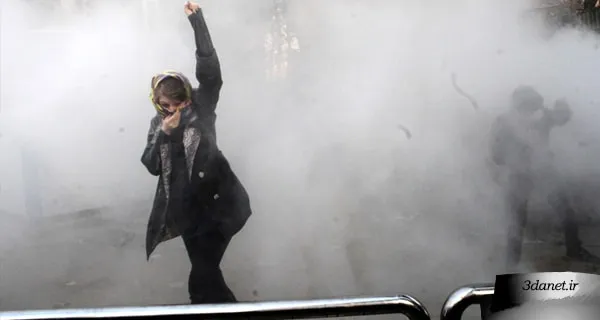
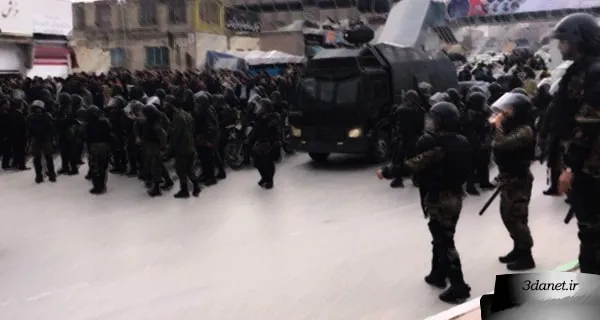
Morteza Karimi: The representation of recent events in the media and press of the principlists and reformists is, unfortunately, the same as it ever was. Nothing has changed. The principlists, following their worn-out old methods, attribute these events to America and Israel. The reformists, with emptier hands than ever, represent it as machinations by the principlists aimed at weakening the incumbent government and, after it became nationwide, as “a collection of aimless but justified angers.”
How did the protests begin?
The high price of eggs was not the trigger for the protests. The root of these protests lies not in this or that incident but in the fact that all strata, classes, guilds, genders, and individuals feel they have been subjected to “deafness” by the ruling establishment and the left and right parties. The slogans chanted by the people in the gatherings reflect, on the one hand, their exhaustion and desperation with the status quo and fear of its continuation, and on the other hand, their economic, political, and cultural concerns and preoccupations.
Although the interference of forces from within (especially at the start of these events) and outside Iran in determining these slogans or directing them is undeniable, let us note that, as attested by many recent theories in sociology, people are not passive puppets for the puppet shows of this or that group. Even if these individuals may lose some of their will by being in crowds, they possess the power to hear, analyze, choose, and act independently. Therefore, even the most ridiculous slogans, in the opinion of armchair intellectuals, are an honest expression of the thoughts, ideas, and ideals of these people who are at the end of their tether. These protests began precisely where an ordinary individual, in various dimensions of their daily life, felt that “deafness” was imposed upon them, and that the possibility of their voice and pain being heard was never possible, neither through the slogans of the principlists nor through the unclear path of the reformists.
Who are the protesters?
The protesters, contrary to how they are represented, are not from a single class, stratum, or age group. The protesters are all those who feel they do not have the political right to choose their own destiny. These are the same people who, even in the last election, with awareness and in a strategic choice, brought Rouhani to power, but felt that this person was not their true choice and lacked the necessary competence, knowledge, courage, and honesty to “hear” them. Extremist groups also did their utmost to prove this point to the people.
The protesters are specialists who feel they cannot apply their knowledge and skills in society, see the results of a lifetime of effort and endeavor in practice, enjoy their work, and progress in their professional path, while they see individuals without the necessary expertise and skills occupying sensitive job positions.
The protesters are workers who have no share in their own production, do not enjoy minimum wages, job privileges, and benefits, and when they gather legally to claim their overdue rights, they are not given a legal response, all while hearing news of ever-larger embezzlements from the media every day.
The protesters are women who feel that their desires, interests, and tastes not only play no role in the administration and management of society but that they also have no agency in their own personal lives. They feel that their voice is not heard even by the officials who sit at the helm of affairs with their votes. In short, these are people who, in their daily and personal lives and in carrying out basic tasks, have experienced attrition and friction with the system.
It is enough that, for any reason, you have once had dealings with the judiciary. It is enough that you have visited the municipality for a construction task. It is enough that you are a teacher or, conversely, have a schoolchild, for you to have bumped up against blind and deaf organizations and institutions whose walls are decorated with beautiful religious slogans. It is enough that you want to watch an entertaining program on television on a Friday evening... In short, it is enough to be a citizen and want a simple, trouble-free life to be subjected, at every moment and in every aspect of life, to the systematic “deafness” of managers.
In this confrontation between the individual and the system, it is almost always the system that wins. The "system" or the "establishment" invariably blames the "individual" who has been subjected to deafness, or conversely, blames an individual within the "system." For instance, in a plane crash, the pilot—an individual, one of us—is always at fault. The principle of the separation of powers was created years ago to protect this "individual" against the "system." Thus, everyone is weary and despairing of having their suffering, pain, and hardships heard.
Whenever we hear a citizen's real voice on national radio and television, we can hope that other systems will also be reformed in favor of each and every individual, and that, for example, an individual confronting the municipality or the judiciary will receive their due (if they are in the right). But the catastrophe does not end there. The height of "deafness" lies in the public sphere, where the government is directly responsible and the most important actor. Public spaces, public issues and problems—from safeguarding public freedoms and creating platforms for political or guild organizations to managing natural crises, the issue of the environment, and air pollution—are the direct domain of governance. In this sphere, individuals cannot resolve problems by spending their own money. The people's concerns are not "heard" by the governing authority, while they do not know how the state budgets and the taxes they pay are spent, whether inside or outside Iran.
Alleviate the Suffering of the Toilers
But what distinguishes the recent gatherings from previous protests? By intervening in the personal lives of ordinary individuals, the governing authority has politicized even the most apathetic people in Iranian society and subjected them to "deafness." On the other hand, in the conflict of interests between the laboring, suffering, and defenseless workforce and employers, it has not only failed to side with the oppressed people but has, in many cases, practiced "deafness" against them. In this way, it has added a vast swath of other non-political individuals from different classes to the ranks of the protesters. The government's inadequate response to the earthquake victims in Kermanshah has created the feeling among the people that their fate is unimportant to the governing authority and that not even an earthquake will force its ears to "hear."
The publication of enormous budgets allocated to specific institutions, coinciding with news of a new wave of price hikes, were merely the final causes that, together with the Mashhad incident, caused the cup to overflow, like the last three drops of blood. Certainly, some factions and political currents inside and outside Iran are exploiting the current situation, and some individuals have fallen under their influence. But I believe that if you sit and listen to many of the people in the streets, they have a very precise analysis of Iran's historical and social situation, or at least of their own. They may not possess the rhetorical skills of intellectuals in their theorizing, but they understand perfectly well how complex the situation is and what kind of domestic or foreign exploitation these street protests could lead to, or what calamities they might bring upon them or the rest of society.
State intellectuals and middle-class individuals, the parliamentarians of reformism who lament their 5-million-toman salaries, lack the capacity to understand "hunger." Due to different living conditions, they cannot comprehend how hunger can render a person's ears "deaf." When this deafening hunger senses before it another "deafness"—one indifferent to cries, suffering, and supplications—it becomes "absolute." Deaf to the fate of the governing authority, civil society, the deaf reformists, and even to its own fate. What difference does it make whether, like those two girls from Isfahan, you throw yourself off a bridge or destroy the bridge?
Yes, what distinguishes these protests is that these suffering and oppressed people have no "bread" to fear losing that would send them back home, and they have understood that the bread of the "deaf others" lies in their returning home. Ladies and gentlemen, take note that bread is not only about the stomach! Many of these same individuals, if they had been "heard" by the authorities, would have tightened their belts and endured hunger. Bread is being heard. Believe it, believe it: many of the hungry on the streets are hungry for respect, worth, kindness, and love.
What Is to Be Done?
My main advice is to ourselves. Intellectuals who, due to differing class origins and a lack of study and participatory presence among various strata of society, lack a proper understanding of the existing conditions and the people's hardships, and whose best information comes from statistical surveys and futile scientific-research articles that we are compelled to commit at university for the sake of academic promotion and earning our "bread"! My advice is to stop lending bread to one another, go among the masses of people, and instead of giving wrong directions and humiliating people, think about alleviating their suffering.
My advice to principlists who are committed to religious, human, and ethical values and distinguish themselves from those who are merchants of chaos and turmoil is this: do not be content with repeating behavioral patterns toward protests, attributing these behaviors to foreign forces, and other worn-out clichés broadcast by official loudspeakers. Go among the people and "hear" their pain. The sincerity of your ears today will preserve the possibility that tomorrow, the peaceful coexistence of different individuals from every religion, minority, and tribe alongside one another will be possible, and vice versa. If you want your religious children to have the possibility of living in this society while maintaining mutual respect, now is the time. Hearing the voice of the people will save Iran from falling into the lap of war and chaos led by the Rajavis, monarchists, and ignorant populists like Trump.
Also, my word to Mr. Rouhani is this: I voted for you, I am not regretful, and I still consider peaceful demanding, under the current conditions of society and the region, the best strategy for improving affairs. The people's greatest expectation of being "heard" is from you. You must not only hear in a practical way and keep your ears open, but you must also "speak." Share the problems created for the government with the people with transparency and honesty. Review and reform the budgets. Fulfill your legal duties, which are the implementation of the constitution, and especially your electoral promises, and be assured that people from every faction and taste, upon seeing sincerity in action, will support you.
Before it is too late, send more trusted individuals among the people, designate and announce specific days for people's gatherings, with the support of the police force and the presence of officials, to "hear" the people's words.
.
.
The 'Deafness' of Left and Right; The Main Driver of the Uprisings
Author: Morteza Karimi
.
.

Discussion13 comments
انانیکه علیه تخریب اموال عمومی شعار میدهند یادشان رفته که خودشان موقعیکه انقلاب میکردند سینما اتش زدند وبانک شکستند واتوبوس شرکت واحد را برگرداندند واتش زدند و....بهر حال باید پذیرفت که هرحرکت اعتراضی تخریب را هم بدنبال دارد ومعترضان برای اینکه جلب توجه کنند به این دست کارها نیز متوسل میشوند واینها بهیچ عنوان دلیلی بر باطل بودن خواسته انان نیست که ان مورد جداگانه وبدور از هیاهو باید بررسی شود البته امبولانس واتشنشانی حتما باید خط قرمز باشد وکسی بخود حق تعرض به انها را ندهد
راه درمان ، نفی تئوریهای خودخداپندارانه است . فرعونیتی که لباس مذهب به تن کرده ، بسیار خونریزتر و بیرحم تر و فریب دهنده تر از فرعونیت بی نقاب است . جناب احمد عزیز ! کمی با شما اختلاف دارم ، چرا که به زعم من آنچه راه سخت را ( فعلا ) غیر قابل دفاع ساخته این نیست که داعیه داران راه سخت ( انقلاب ) چهره های موجهی نیستند . شما یقین داشته باش حتا اگر ( فرضا ) انقلابی رخ دهد ، مردم ایران انقدر مرتجع نیستند که رجعتی مرتجعانه به سیستمهای غیر دمکراتیک داشته باشند . آنچه راه سخت را( فعلا ) غیرقابل دفاع میکند که هنوز اتنخاباتی دست و پا شکسته و نیم بند وجود دارد . هنوز امید به تسخیر سنگر به سنگر وجود دارد . هنوز میتوان به جای تاثیرگذاری با خون ، با قلم و رای و سیاست تاثیر گذاشت . هنوز چشمه امید نخشکیده . هنوز امیداواریم که با زبان منطق به خودکامگان بفهمانیم هیچ کس نماینده خدا نیست . هیچکس رایش ببش از یک محسوب نمیشود . هیچکس حق ندارد برای خودش امتیاز ویژه ماورایی قائل شود . هنوز امیدواریم...
به نظر من اصلی ترین درد مردم بردگی است . اصلی ترین درد همه مردم عدم امکان انتخاب آزاد و تصمیم گیری موثر در سرنوشت خودشان است . به تعبیر اخر درد همه مردم استبداد است . استبدادی که در جامه ای از توجیهات دینی ، اکثریت نود و پنج درصدی ( مخالف ) را ، به پشیزی نمی انگارد . درد مردم تئوری ای است که تصمیم گیری "یک نفر " برای هشتاد ملیون را کاملا عادلانه ، عاقلانه ، و شرعی میداند . خب ! اگر "درد " همین باشد که گفته شد ، درمان چیست ؟ راه از دو قسم خارج نیست : راه سخت و راه نرم ( همان دوگانه اصلاح و انقلاب ) . به دلایلی که محل تفصیلش نیست ، بنده به اصلاح معتقدم ( فعلا ! ) . ابزار راه نرم کماکان انتخابات و روشنگری است . در همین راستا از همه روشنفکران تقاضا میکنم رفراندوم را سرلوحه گفتار خویش قرار دهند . باید به خودخدا پنداران فهماند که : هر لقمه ای که میخورد شرعا حرام و اخلاقا نارواست . گیرم هزینه های نجومی ای که ( در سوریه و لبنان و فلسطین و یمن و خدا میداند کجاهای دیگر ..) میکنید ، کمک به مظلوم باشد ، ولی سوال اینجاست که : مگر نباید مالکین واقعی این اموال رضایت داشته باشند ؟ مگر میشود که کسی دست در جیب من کند و سپس آنرا به فقیری دهد و تصور کند کار درستی کرده . این خودخداپنداران ، ثروت و امنیت و شادی مردم را به تاراج میبرند . حرام است حرام ! غیر اخلاقی است ! استبداد است ، نودو پنج درصد مردم راضی نیستند . چرا به رفراندوم تن نمیدهید ؟
« اگر “درد ” همین باشد که گفته شد ، درمان چیست ؟ راه از دو قسم خارج نیست : راه سخت و راه نرم ( همان دوگانه اصلاح و انقلاب )» . آن چه راه « سخت » را ـ سوای هزینه انسانی و مادی ، ـ غیرقابل دفاع ساخته است ، ماهیت نیروهای بیرون گود قدرت است . آنان یا پیشاپیش رئیس جمهوری تعیین کرده اند ، یا پرچم حکومت فردی و موروثی برافراشته اند و یا این امر را « صوری » ، و بی اهمیت می انگارند ؛ یعنی برای درمان این درد مزمن جامعه ایران دارویی در بساط ندارند ، بر عکس حامل زهرند . در حالی که در این سو ، کسانی که در کادر برنامه ریزی و اجرایی سابقه کار دارند ، به مشارکت ـ رقابت آحاد ملت باور دارند و برای برگرداندن حکومت به ریل اصلی و تحقق جمهوری و حقوق ملت مندرج در میثاق ملی کوشش می کنند . اگر این کوشش چندان که باید مؤثر نیست ، بیشتر به خاطر عدم همراهی و مشارکت فعالان سیاسی است که زیر پای شان را نمی بینند و فقط به آرزوها چشم دوخته اند و میدان را به سود کینه توزان و مردمان انباشته از نفرت خالی کرده اند .
بی عدالتی فاصله طبقاتی فضای بسته سیاسی فقر نداشتن گوش شنوا در میان حاکمان که ادعای طرح مشکلات بصورت مسالمت امیز را دارند!!!! بگویید اصلا شما ومدیرانتان وقت میگذارید وگوش به حرف کسی میدهید تا اینکه بخواهید انرا اجرا نمایید ؟؟؟؟؟ راه طرح مسالمت امیز مشکلات بسته است راه پدیرفتن وتن دادن به راه حل مشکلات بسته است حکومتیکه بیچارگی وفقر وفلاکت مردم خود را نمیبیند ولی به فکر فلسطین وسوریه ولبنان وعراق وافغانستان وبحرین ویمن و شاخ افریقا و ..... تقریبا نصف کره زمین است رئیس جمهور این کشور اقای روحانی ادعا میکند که مستمری بگیران در ایران بالاتر از میانگین جهانی حقوق دریافت میکنند!!!اقای رئیس جمهور حقوق کارمندی بالاتر از سه میلیون را بالا نبرید حقوق دریافتی پنج میلیون به بالا را پایین بیاورید کف حقوق را ساماندهی نمایید کسیکه ماهیانه یک میلیون تومان درامد دارد چگونه باید زندگی کند؟این یک میلیون را به سه میلیون نزدیک نمایید بیکاری با دادن وام به بیکاران حل نمیشود باید دولت استخدام را درطرحهای خود منظور بدارد باید کارخانههای جدید وقوی احداث نماید بجای اینکه در کشورهای دیگر دخالت نمایید به فکر ایران وایرانی باشید واز رنج مردم بکاهید کوچک شدن دولت در کشوریکه با تمام دنیا درگیر است معنا ندارد دولت در کشوری کوچک است که اقتصاد سرمایه داری را دنبال میکند اقتصاد سرمایه داری وپرورش بخش خصوصی در صلح امکان پذیر است نه در وضعیت سیاست خارجی فعلی ایران . هرگز در چنین وضعیتی بخش خصوصی به معنای واقعی نمیتواند امور را بدست بگیرد بدست گرفتن امور توسط بخش خصوصی باید با در نظر گرفتن رفاه حداقلی انجام شود یعنی کف رفاه باید برای عموم فراهم شود وبعد ازان بخش خصوصی منتفع شود که این مهم نیازمند بخش خصوصی واقعی وبسیار قوی که هر کدام در حد یک دولت میباشند . هست که متاسفانه با وضعیتی که از نظر سیاست خارجی ایران دنبال میکند چنین امری شدنی نیست شما همه ی همتتان اینست که اعلام کنید بیکاران بیایند وام بگیرند!!!!! بعد به تعداد وامی که دادید ادعا کنید اشتغال ایجاد کردید!!!! مگر همه ی مردم میتوانند کارفرما شوند ؟ مگر همه ی مردم میتوانند اشتغال زایی نمایند؟ این عده بسیار معدودی هستند که چنین توانایی را دارند بقیه مردم باید بکار گرفته شوند کجا وچگونه سوالیست که دولت وحاکمان باید راهی برایش بیابند که مطمئنا با دادن وام حل نخواهدشد
« ... راه طرح مسالمت امیز مشکلات بسته است ... » اما همان قدر که باز است ، رهرو ندارد .
« ناشنوایی چپ و راست حاکم » ، « تحقیر » ، « تبعیض » ، « احساس توزیع نا به حق امکانات » ... اگر به وضوح تعریف و مستند شوند ، وصفی کلی اند و به رهنمود مشخص و کاربردی منجر نمی شوند . اگر قرار باشد در همین سطح تحلیل کنیم ، من هم می گویم علت اعتراض های پی در پی در ایران ، تداوم فرهنگ سیاسی شبان ـ رمگی است ، فرهنگی که طبق آن مردم از مشارکت در اداره جامعه « منع می شوند / سر باز می زنند » و « نفقه و رحمت پدرانه و راه کار آماده طلب می کنند » .
اینکه واقعا اصلاح طلبان در طی دگردیسی تدریجی تبدیل به اصلاح طلب خوب و اصلاح طلب بد شده اند امری کاملا مشهود است اما مردم بر ایاس تجربه و قراین و شواهد دریافته اند که واقعیت اصلاح طلبی چیزی نیست که آنها را به حق شان برساند .متاسفانه حاکمیت در تو ضیح و تفسیر پدیده های اجتماعی هیچگونه کار علمی و کارشناسی را بر نمی تابد و اپیدمی تعوری توطعه در تمام تار و پود نظام تنیده شده است بی تردید در پی سالهای اخیر مصلحان و ریش سفیدان اجتماعی و سیاسی چنان به گوشه رینگ رانده شده اند که دیگر حتی نسبت به کارایی خویش نیز دچار تردید گردیده اند .ماجرای مردم معترض را هیچ گاه ربا دیده واقعی و یک موضوع حقیقی و ملموس نگاه نکرده اند و مردمی که امید به اصلاحات داشته اند با چرخش های سیاسی و عدم جسارت منتخب خویش مواجهه شده اند و این باعث به بن بست رسیدن مردم و آوردن آنان به کف خیابان شده است این یک واقعیت انکار ناپذیر است که وقتی بهبود و اصلاح به بن بست رسید تحول خواهی جایش را میگیرد و هرگاه تحول خواهی هم شنیده نشود خود به خود به سمت انقلاب پیش خواهد رفت هر چند زیان بار و بر هم زننده موقعیت ضعیف امروزی مردم باشد
نویسنده به نحو نگران کننده ای خوشخیال است. امر سیاسی را به امر اخلاقی فرو کاسته، و حکومت تا بن دندان مسلح را که موجودیتش وابسته به وصع موجود است دست کم گرفته است. و برای مدینه فاصله اش دست به دامان اصول گرایانی شده که اصولشان حفظ رانت قدرت و ثروت است و در رسانه هاشان دین را ابزار تحمیق کرده اند. این نوشته به شیوه غیرمستقیم در خدمت بازتولید وضع موجود است.
"همچنین سخنم با آقای روحانی این است که بنده به شما رای دادهام، پشیمان هم نیستم و همچنان مطالبهگری مسالمتآمیز را در شرایط فعلی جامعه و منطقه بهترین استراتژی برای بهبود امور میدانم" این نشان میدهد که نویسنده خیلی ابله است.....
من از یک خانواده کارگری ام و برادران و خواهرم مانند پدر و مادرم ، کارگرند . هم معنای گرسنگی را می دانم ، هم معنای زخم زبان و رانده مانده شدن را ؛ اما در باره این نوشته ( که مانند نویسنده : به روحانی رأی داده ام ، پشیمان نیستم و « مطالبهگری مسالمتآمیز را در شرایط فعلی جامعه و منطقه بهترین استراتژی برای بهبود امور می دانم » )چند نکته به نظرم گفتنی است : 1 ـ نارضایی از وضع موجود ریشه های گوناگونی دارد که برخی مشترک و برخی ویژه این یا آن طیف و قشر است . همه این نارضایی ها هم از دید کنش گر آگاه سیاسی مقبول نیستند ؛ مثلاً خواست رفاه بدون تن دادن به الزامات آن ( که در تعبیر « این جا که آلمان ، سوئیس ... نیست » متبلور می شود و گویندگان زمانی آن را به زبان می آورند که نمی توانند سهل انگاری خود و تضییع حقوق دیگران را کتمان کنند ؛ خواست آزادی بدون کوشش برای تحقق آن از طرق ممکن مانند مشارکت در اداره بهینه شهر و بهبود شرایط کار صنف و ... )؛ اما خواست های مقبول نیز از نظر امکان تحقق در یک سطح نیستند و تقسیم بندی و درجه بندی آن الزامی است . 2 ـ در تبیین اعتراضات اخیر نباید آرزوهای خود راببینیم ؛ قبل از هر چیز باید ماهیت معترضان و عاملان تجمع آنان و خواست ها و تصورات شان از کنش خویش و ... را بررسی کنیم . ( به دیده من ، بر اساس مشاهده میدانی ، نسبت دادن تصور و کنش معترضان به ضعف های مدیریتی و ساختاری و درد و اندوه بر هم انباشته و مطالبات معوق مانده و نادیده انگاشته توده های مردم ربط چندانی ندارد . بر عکس ، شرایط را برای طرح و پیگیری مؤثر مطالبات مردم دشوارتر می کند . ) 3 ـ در صورت تداوم اعتراض به روش خیابانی ( که امکان به آشوب کشاندن جامعه را تشدید می کند ) ، بیش از هم ما زیرپاله شدگان و نادیده گرفته شدگان آسیب می بینیم . چنین خواهد بود اگر حاکمان تصور کنند با آرام شدن خیابان ، می توان به روش قبلی برگشت و مطالبات گسترده و عمیق جامعه را نادیده گرفت .
بسیار خوب و دقیق نوشته شده بود و حرف دل مردم بود امیدوارم مسوولین این نقدها را بخوانند.
"اصلاحطلبان نیز با دستهای خالیتر از همیشه آن را دسیسههایی از طرف اصولگرایان به منظور تضعیف دولت مستقر و بعد از سراسری شدن آن «مجموعهای از خشمهای بیهدف اما بهحق» بازنمود میکنند." این عین عبارتی است که درباره موضع اصلاح طلبان معطوف به حوادث اخیر نوشته اید. فقط کافی است بیانیه مجمع روحانیون مبارز - به عنوان قدیمی ترین و یکی از اصیل ترین تشکل های اصلاحات - درباره بحث را بازخوانی کنید تا به اشتباه خود در قضاوت راجع به موضع اصلاح طلبان در باب اجتماعات اخیر پی ببرید. آدم ظن میبرد که بیانیه را یک نهاد امنیتی صادر کرده. چرا اشتباهات و خطاهای راهبردی اصلاح طلبان را نادیده می گیرید؟ موضع اصلاح طلبان در باب اجتماعات اخیر بسیار با مطالبات مردم فاصله داشت.