Political Science
The Desirable Government in the View of Mohsen Borhani, Abolghasem Fanaei and Mohammad-Amir Ghodoosi
Mohsen Borhani, Abolghasem Fanaei, and Mohammad Amir Ghodousi, responding to the question of what an “ideal government” looks like, respectively emphasize a balance between Sharia and reason, an ethical jurisprudence informed by modern data, and a neutral state grounded in public reason and human rights.
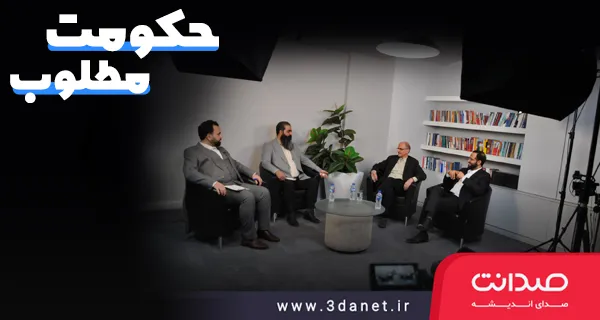
What is your ultimate vision of the "desirable government"?
This is the question that Mohsen Borhani, Abolghasem Fanaei, and Mohammad-Amir Ghodoosi answer in this video.
Mohsen Borhani believes that legislation without regard for the cultural and religious context of any society is a doomed project. He considers the realization of a neutral state to be impossible, because every form of legislation in any society is influenced by that society's context. Legislation in Iran is no exception to this rule, and therefore, in a desirable government, a point of equilibrium must be reached somewhere between the Sharia-oriented and the reason-oriented. This point of equilibrium is where, although neither side will achieve all of its desires, the greatest possible attainable desires of each will be fulfilled. It is here, in his view, that one must take a fresh look at the capacities of jurisprudence in addressing human rights concerns and securing public satisfaction, and jurisprudence cannot be eliminated from social life.
Abolghasem Fanaei believes that the current methods of jurisprudential inference in the Islamic world are contrary to the practice of the wise. In his view, the inference of a jurisprudential ruling follows a correct method only when it is the product of weighing transmitted and rational presumptions. In his opinion, if jurisprudential rulings, especially its social and political rulings, are inferred with attention to time and place and the data of modern human and empirical sciences, they can confirm the religious legitimacy of a neutral state. According to Abolghasem Fanaei, the ultimate solution to the problems of Iranian society is to submit to religion within the framework of ethics, in other words, ethical jurisprudence.
Mohammad-Amir Ghodoosi believes that the laws enforced in a political society must be the product of public reason and within the framework of human rights. In his view, intra-religious disagreements about methods of inferring rulings are, primarily and essentially, irrelevant to the political society and the system of governance, and whatever the outcome of these disagreements among the thinkers of any religion, denomination, or community, the indisputable requirement of justice and rationality is the establishment of a neutral state. He insists on the point that the destiny of a political society must be founded upon the fundamental principles of universal ethics and should not become entangled in intra-group disputes over questions such as the nature of true Islam.



Discussion5 comments
حقوق بشر اسلامی که توسط گروهی شامل علامه جعفری تدوین شده باید مورد توجه بیشتری قرار بگیره
محسن برهانی که ایده اش همان است که به نام جمهوری اسلامی ارائه شد و همواره معتقد بود و در بوق و کرنا می کند که می شود با فقه دغدغه های حقوق بشری جهان مدرن را پاسخ داد اما هیچگاه نگفته که اگر می شود پس چرا نمی شود؟!اشکال کار کجاست که نه تنها دغدغه های حقوق بشر پاسخ داده نمی شود بلکه نقض می شود و تعلیق جناب برهانی محصول همین نقض حق آزادی بیان است.بازی با کلمات که هنر نیست،آمال و آرزو هم که دردی را دوا نمی کند باید واقعیت را دید و بر آن اساس نظر داد. ایده جناب فنایی و قدوسی ملموس تر و راهگشا تر است،آقایان نگرانند که اگر فقه در ترازوی عقلانیت سنجیده شود،چیزی از آن باقی نماند،خوب نماند مگر چه می شود؟جهان مبتنی بر عقلانیت خسارات بیشتری به بار آورده و می آورد یا جهان مبتنی بر باور های فقهی؟ به نظرم دلبسته و پا بسته سنتیم و خواستار مدرنیته،با حلوا حلوا کردن دهن شیرین می کنیم،در غرب مدرنیته وقتی آغاز شد که سنت پایان یافت،من قائل به پایان سنت نیستم اما معتقدم که بهتر آن است سنت با عقلانیت تصحیح شود تا امکان هم زیستی آن با مدرنیته به عنوان امری اجتناب ناپذیر در زیست جهان ما،فراهم شود.
به این علت که حقوق بشر JUSTIFIABLE نیست. زیرا که Human Right's Charter با وجود داشتن مبنایی ضد متافیزیکی بدون subsumption مسیحیت قابل حصول نیست. چون اگر بر اساس فلسفه معاصر بیاندیشیم، فقط جنگ جهانی اول ، جنگ جهانی دوم و جنگ ویتنام و جنگ های متعدد آمریکا الگوی اخلاق، سیاست و علم روز جهان حاصل خواهد شد. یک دلیل ارائه بفرمایید که بجز Ubber Mench سوپرمن نیچه ای، فردی مانند هیتلر در صورت عدم پذیرش مسیحیت و یهودیت و اسلام، چیز دیگری به جز یک حیوان تکامل یافته میلیتاریست کشتار گر چییزی دیگری از فلسفه اخلاق مبنای جهان قابل حصول است. اگر اخلاق دارای پشتوانه سنجش اعمال در after life نباشد چرا موسیلینی و هیتلر و جو بایدن نباید شد چرا بزرگترین نسل کشی را نباید به راه انداخت؟
تمام این سخنان با پیش شرط جامعه دینی و مذهب خصوصا شیعه هست. در حالیکه عملکرد حکمرانان و خصوصا مراجع تقلید در عدم موضع گیری و انجام وظیفه شرعی و اجتماعی خودشان کاملا جامعه را به سمت دیگری سوق داده. الان بعید میدانم جامعه دینی باقی مانده باشد مگر خواص و عده ایی که نفعشان در ان است. پس اول باید پیش فرض های ایشان مشخص شود که جامعه آیا دینی و مذهبی هست! که جریانات داخلی بخواهند با شرع و دین به نقطه تعادل برسند؟
بله اگر از پنجره زندان رسانه، دانشگاه و اساتید دشمن جامعه دین دار به روحانیت از perspective و vantage point لجن مال کردن تمامی جوامع دیگر و اندیشههای دیگر به روحانیون بنگرید، بله این بدبینی شما حاصل می شود. تحصیلات انکار و سیاه نمایی تمامی اندیشه بشری است به غیر legacy کانت، هیوم و ارنست ماخ. بقیه سیاهند و مورد تنفر! همان که میراث داران آگوست کنت می گفتند: دین faltus Voisis هست، (باد صدا دار گلو)! چگونه است که جوان امروزی سیاه نمایی، تعصب و توهین را در این تخریب همگان نمی بیند، واقعا مورد انتظار نیست.