Sociology
The Iranian Constitution and the Islamic Republic: A Conversation with Mohammad-Amir Ghoddousi
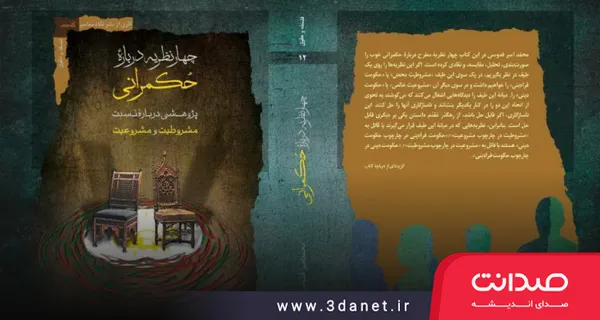
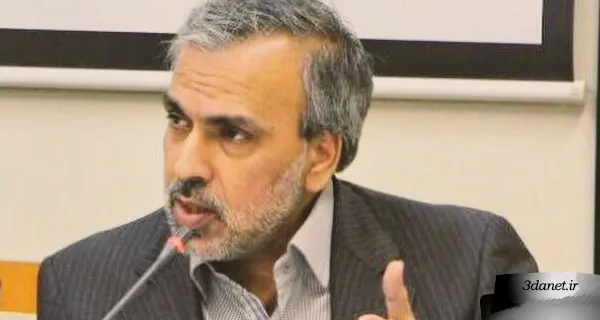
Mohammad Amir Ghoddousi, in “Four Theories of Governance,” examines the relationship between constitutionalism and religious rule; this conversation explores four perspectives on the possibility of reconciling democracy, human rights, and religious precepts.
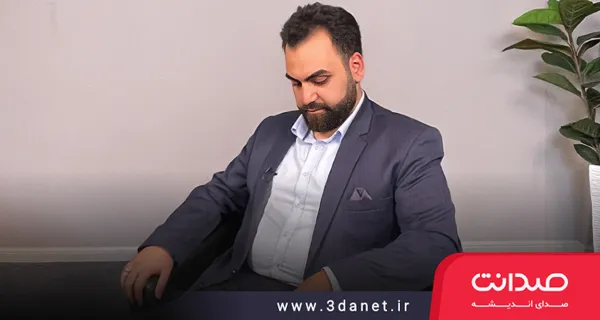
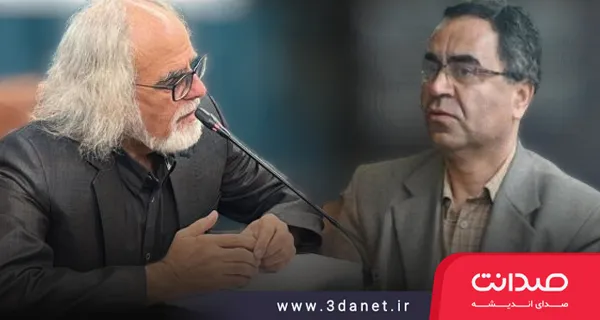
On the anniversary of the issuance of the Constitutional Decree on the fourteenth day of Mordad in the year 1402 (August 5, 2023), the analytical news outlet Didarnews, in its Principle 27 program, arranged a conversation with Mohammad-Amir Ghoddousi, jurist, first-class attorney, and university lecturer, about the possibility of reconciling constitutionalist values with a government based on religious rules, as well as the relationship between the Islamic Republic and the ideals of the Constitutional Movement. In this conversation, which was held on the occasion of the publication of the book “Four Theories of Governance” — published in 2020 by Negah-e Moaser Publications — other topics such as the constitution, human rights, minority rights, and democracy were also addressed.
.
.
The Iranian Constitution and the Islamic Republic
Watch the conversation with Mohammad-Amir Ghoddousi on YouTube | Aparat
Listen to the conversation with Mohammad-Amir Ghoddousi on Anchor | Spotify | Google Podcasts | Castbox
.
.
The book “Four Theories of Governance: A Study on the Relationship Between Constitutionalism and Legitimacy” attempts to answer this question: Is it possible for a government to be faithful to the values of the new world and simultaneously be a religious government? What is meant by a constitutional government in this book is a government in which four components are institutionalized: the democratic administration of the public sphere, governance based on the rule of law, the safeguarding of human rights, and the consideration of national traditions. Also, what is meant by a religious government in this book is a government that is administered according to religious laws.
With this explanation, the first question can be formulated in another way as follows:
Can a government that seeks to be administered based on religious rules be a government that truly safeguards human rights, is compatible with the rule of law in the strict sense of the term, is democratic in the strict sense of the term, and duly considers national traditions?
As Ghoddousi has stated in this book, in response to this question, four different theories have been proposed by experts in this field: The first theory, which the author has called “Legitimacy,” is based on the belief that a religious government cannot be a constitutional government. That is, a government established and administered based on religious rules cannot be a government that accepts human rights, the rule of law, democracy, and national traditions, and the duty of Muslims is to set aside these components that are incompatible with Sharia. Because these components are imported and sometimes polytheistic elements that are not suited to Muslim culture.
Ghoddousi believes that we have had many advocates of religious government in the history of Islam and Iran, and in his view, Sheikh Fazlollah Nouri and the founder of the Islamic Republic are among the most famous figures of this group.
The second group, whose theory Ghoddousi has termed “Constitutionalism,” consists of those who, like the first group, say that the components of constitutional government cannot be reconciled with the requirements of a sharia-based government. The difference is that they want a government that is democratic and human-rights-oriented, and that upholds the rule of law and national traditions. This spectrum includes those who are either fundamentally non-religious, or, if they are religious, believe that true religiosity is something other than this historical legalism and adherence to the fatwas of jurists in practical treatises, and that God has not asked us to follow these treatises, which in their view are replete with errors in the process and product of juristic inference.
In the author’s view, Mirza Fath-Ali Akhundzadeh and Dr. Hossein Bashiriyeh are among the prominent thinkers of the second group.
Proponents of the third and fourth theories, who, according to Ghoddousi, believe in two different forms of “reconciling constitutionalism and sharia-based legitimacy,” are those who say that respect for human rights, commitment to democracy, adherence to the rule of law, and consideration of national traditions are all compatible with religious precepts.
In fact, these individuals are religious intellectuals who want, in one way or another, to combine adherence to religious precepts with the safeguarding of constitutional values.
In the author’s view, the idea of the possibility of reconciling constitutionalism and sharia-based legitimacy has manifested in two different forms in the history of our thought: the first form is in the views of those who, like Abolqasem Fanaei, believe that the Sharia must, both in its essence and in its proof, fit within the framework of the ethical and rational standards of constitutionalism, and that a Wise God cannot issue commands contrary to human rights and the reason of the rational people of the age, and that fundamentally we must attune our understanding of God’s word with the unavoidable values of the new world. This perspective belongs to those who consider themselves both legally observant and, at the same time, sympathetic and in agreement with all the values of the new world in the realm of governance. The reason for this compatibility is that this group of thinkers has essentially brought about a paradigm shift in the method of inferring religious rulings. Ghoddousi has named this theory “Sharia-based Legitimacy within the Framework of Constitutionalism.”
The second form of this idea—at least up to the book’s publication date—has emerged in the views of figures like Dr. Soroush and Mohsen Kadivar. The author of the book believes that although this group of thinkers makes great efforts to reconcile constitutionalism and sharia-based legitimacy, due to certain scientific and non-scientific considerations they hold, they sometimes tend toward a kind of neutering of constitutional values under the pretext of safeguarding religious and ethical values. A clear manifestation of this claim, from the author’s perspective, is the theoretical obstructionism of some of these thinkers against the full and complete acceptance of the “right to be wrong” within the framework of liberal discourse and in its profound meaning, depth, and breadth. Ghoddousi has named this theory “Constitutionalism within the Framework of Sharia-based Legitimacy.”
Some remarks by Mohammad-Amir Ghoddousi in this conversation:
* The notion that the problems that have arisen in the Islamic Republic stem from a deviation from traditional jurisprudence is not an acceptable notion.
* Ayatollah Khamenei is the true interpreter of Imam Khomeini’s line.
* Imam Khomeini is a historical Sheikh Fazlollah [Nuri] with a Bakhtiari [fate].
* I do not consider Akhund Khorasani and Mirza Naini to be constitutionalists either.
* Mirza Fath-Ali Akhundzadeh is an unsung genius.
* Seyyed Hassan Taqizadeh is a figure of such significance that he inspires Ehsan Yarshater and Iraj Afshar to research and publish his works.
* Mohammad-Ali Foroughi’s will makes one’s hair stand on end.
* I have no doubt that future generations will bring the “Conquest of Tehran” to cinema screens.
* The activities of Empress Farah Pahlavi in the realm of culture and art are among the very positive actions of the Pahlavi government.
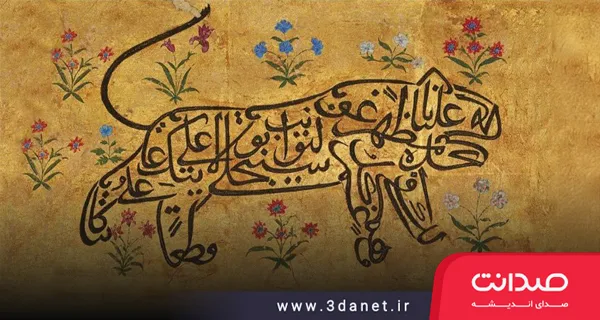
* The Lion and Sun is a national symbol, and denying and hiding it is not a prudent or thoughtful act.
* Changing the names of streets from Takht-e Jamshid and Takht-e Tavous, etc., to other names was a mistake.
* Iran and Iranianness have no custodian in this system of governance.
* The constitution of every nation, like the warp and weft of a hand-woven carpet, is the product of a nation's historical past.
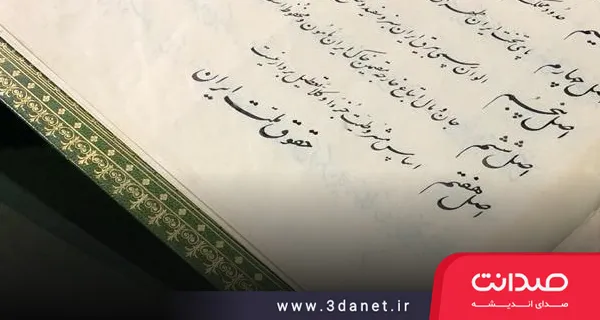
* The Constitutional Constitution was, in some respects, more progressive than our current constitution.
* The monarchical system was, in its time, a rational system of governance in Iran and throughout the world.
* Today, the two systems of constitutional monarchy and republic are two rational systems and instances of constitutional government in the general sense.
* Morteza Motahhari was one of the most rational figures in the Islamic Republic.
* There is no significant difference in the fundamental principles of the political thought of Imam Khomeini, Ayatollah Khamenei, Sheikh Fazlollah Nouri, and Ayatollah Mesbah Yazdi.
* I disagree with Dr. Firahi's views on the political thought of Imam Khomeini.
* Human rights are the honor of constitutionalist thought and are fundamentally not subject to a vote.
* Depriving individuals of natural rights such as education and employment on the pretext of their beliefs is a systematic violation of human rights and a fatal mistake.
* The existential philosophy of the state is neither to make people religious nor to make them moral.
* The limit of freedom in a well-ordered society is solely and exclusively the harm principle.
* The path to progress is the expansion of genuine, non-directive human sciences.

Discussion4 comments
تخریب cause (هدفِ ) درگیر شدن با مسئله علم، فن آوری و defiance (اعتراض و رد کامل ) فریبکاری آمریکا در دموکراسیخواهی و همیاری با کشورهای جنوب، روش محافظهکارانه و سهلالوصول careerism یا پیشرفت و ارتقاء دانشگاهی است. عبدالکریم سروش، سیدجواد طباطبائی، صادق زیباکلام و افراد متعدد دیگر با تکیه بر justificationism توجیه و نظریهسازی برای سبک اندیشه استبدادی دیکته شده توسط pseudo-scince شبه علم آمریکایی به دانشجویان کشورهای جنوب موفقیت و شهرت کاذب به دست آوردند. آنان کار آسان ترجمه و پنهان کردن واقعیت plagiarist کار غیر متفکرانه خود را به دانشجو و استاد ایرانی به عنوان اندیشه ارائه کردند. اندیشه دانشگاهی باید صادقانه، اخلاقی و نو باشد. آقای محمدامیر قدوسی نیز اگرچه از لحاظ ساختار و فرم دانشگاهی نیز محسوب نمیشود، تقلیدی از این سبک کار اما substandard و ناقص است. سخن و همچنین دستهبندی ایشان ناقص مبهم و معیوب است.
آنچه در گذشته رخ داده بی تردید متاثر و حتی ناشی از تصمیمات افراد است. ولی نیت افراد معمولاََ با نتایج عملی آن نیات همخوانی ندارد. این جا عامل زمان دخیل است. با قطعیت می توان گفت که مارتین لوتر هنگامی که در سال ۱۵۱۷ رساله ی نود و پنج ماده ی اش را بر در کلیسایی در ویتنبورگ میخکوب کرد، نیتش اعتراض به برخی اعمال و اقدامات کلیسای کاتولیک بوده است. اما با همین قطعیت نمی توان گفت که نیت لوتر تغییر نقشه ی مذهبی اروپا یا شعله ور ساختن آتش جنگ های مذهبی بی شمار میان پروتستانها و کاتولیک ها بوده است. ضمن این که نمی توان لوتر را به تنهایی مسئول همه ی اتفاقات بعدی دانست، چون رساله ی نود و پنج ماده ی او " مخاطبانی" داشته که انتخاب های آنان ( و پیامدهای پیش بینی نشده ی آن انتخابها) نیز بر روند امور اثرگذار بوده است. وانگهی همان انتخاب ها و پیامدها هم بر بستری از ساختارهای اجتماعی، تحولات اقتصادی و تفکرات فرهنگی تحقق یافته است. ? : تاریخ/ جان ایچ. آرنولد/ ترجمه: احمد رضا تقاء/ نشر ماهی/ ص ۱۱۴. پن:جالب آنکه بر خلاف تصویر بسیاری، حتی فروید نیز بسیاری از شکلهای امروز تخلیهی شهوت را اموری مرَضی و از اختلالهای جنسی میشمارد؛ راههایی مانند: خودارضایی، و همجنسگرایی. هرچند که باورهای او به مسیر تاریخی دیگری جز آنکه خودش راضی بود انجامید؛ درست مانند زهدگرایی کالوَن (بنیانگذار مکتب کالوَنیسم) که به تعبیر ماکس وبر در رسالهی «اخلاق پروتستانی و روحِ سرمایهداری»، به سرمایهداری مدرن انجامید؛ امری که خود کالوَن مطلقاً بدان تمایل نداشت. #محسن_زندی آیت الله خمینی وقتی در سال ۴۲ خطاب به روحانیت می گفت ای علمای اسلام به داد اسلام برسید، و با این خطابه های حماسی روحانیت را تشویق به براندازی نظام پهلوی می کرد، لابد احتمال نمی داد که نظام برساخته او به چنان لویاتان و هیولایی تبدیل شود که دین و دنیای مردم ایران را به مسلخ برد و این گونه به صغیر و کبیر و مرد و زن رحم نکند و برای بقای خود دست به هر کنش و اقدام غیر شرعی و ضد انسانی بزند. #مهدی_نصیری
وقتی اهداف western media و think tank های ultra-radical را مورد توجه قرار بدهیم، محتوای ذهنی این گونه که به یک movement ملی و ضد بیگانه صرفاٌ در چارچوب perspective دیکته شده رسانه و دانشگاه تابع مطلق authority حاکم می نگرد، کاملا قابل درک میشود. دقیقا آن چه دیگران دیکته میکنند. ذرهای شک و تعمق به فضای محکوم indoctrination بیگانه در چنین ذهنی راه نمییابد. پیشنهاد حقیر به ایرانی تابع مطلق رسانه و آثار بیگانه، توجه به شباهت مقاومت آمریکا در برابر استعمار انگلیس با موضع ایرانیان انقلابی ضد دخالت آمریکا در ایران در movement anti-western supramacy بر ایران است. توجه به فلاکتی که آمریکاییان مهاجر برای خلاصی از دست British Imperialism تحمل کردند با سختیهای کنونی اقتصادی کمی insight در اختیار ایرانی مقهور inductrination صاحبان قدرت میگذارد. پیشنهاد دوم، شدایدی که که انگلیس برای شکستن قدرت اسپانیا در قرن 17 کشید و تلقین نارضایتی و اشتباه خواندن جنگ آرمادا Armada علیه REX انگلستان و فرار انگلیسیها و دشمنی با پادشاه انگلیس در آن زمان. هم آمریکا و هم انگلیس قحطی و فلاکت را برای نیل به موفقیت تحمل کردند و هر دو قدرت را از چنگال ابرقدرت های زمان خود یعنی اسپانیا و انگلیس بیرون کشیدند. عجیب است که حال به فضای فکری ضد رقابت با خود را synthetize میکنند تا کشور شما هم به نتیجهای که این دو قدرت رسیدند نرسد. نام آن را هم نگرانی برای شداید اقتصادی می گذارند! اگر سختی کشیدن در برابر قدرت قاهر زمان و plightاقتصادی بد است و غیر معقول چگونه است که خود انگلیس و آمریکا توصیه کنونی خود را به ایرانیان پیش نگرفتند و راه دشواری و حتی قحطی را برای نیل به برتری برگزیدند. بله، تظاهر به نگرانی برای دشواری اقتصادی مردم ایران برای جلوگیری از نتیجهای است که آنها با تحمل شداید بسیار بدست آوردند و آن نیل به قدرت و علم است. آن چه بیگانه برای ایرانی نمیپسندد و توصیه به normalcy و فرهنگ تنبلی و مصرف گرایی یعنی نفت فروشی و خرید کالاهای آماده و تبعیت توصیههای اقتصادی scholar های غربی میکند. فرهنگ تنبلی و consumerism منتهی به material affluence نمیشود، فقر میآورد. آن چه در آینده تنبلی مورد توصیه و تشویق کشورهای عربی رخ خواهد داد.
(بررسي ارتباطات متقابل عقل، نقل و شهود از منظر امام خميني) قرآن در جايگاه اُمالكتاب انديشه مسلمانان، همواره در طي تاريخ فرهنگ و تمدن اسلامي، خاستگاه شاخههاي مختلف علوم و فنون اسلامي بوده است و متعاطيان هر يك از اين شاخهها كوشيدهاند تا با بهرهگيري از خوان گسترده معارف قرآني، به بسط و رونق اين تمدن مدد رسانند. اما به رغم تلاشهاي فراواني كه در جهت شناسايي ابعاد مختلف اسلام و معارف عميق قرآني و روايي صورت پذيرفته، خلأ بسط و توسعه نظرگاهي جامع در تبيين و توصيف ابعاد متنوع تعاليم قرآني و آموزههاي اسلامي كه در سيره پيشوايان نخستين اين آيين آسماني نيز انعكاسي در خور يافته، همچنان به وضوح احساس ميشود و اين امر را شايد بتوان يكي از شواهد صدق روايت «بدأ الاسلامُ غريباً و سَيَعودُ غريباً…» (كوفي، 1410: 139 ح166) به شمار آورد. بررسي تاريخ رشد و توسعه علوم اسلامي نشان ميدهد كه اين علوم، هر يك با ابتنا بر موضوع، روش و غايت خاص خود (كه گاهي همپوشانيهايي نيز با ساير شاخههاي علوم اسلامي داشته) دستكم در مقام ادعا در پي ارائه نظرگاهي جامع در تبيين حقايق اسلام بودهاند و از اينرو، فقيه و متكلم و فيلسوف و عارف، هر يك خود را در جايگاه يك عالم ديني، متكفّل بيان حقايق اسلام و قرآن دانسته و بر اين اساس، گاهي همگِنان خود را در ساير شاخههاي علوم اسلامي، در تحقق اين غايت، ناقص و ناكارآمد به شمار آورده است. در اين ميان، يكي از عمدهترين ريشههاي اختلاف ميان متعاطيان شاخههاي مختلف علوم اسلامي، بهرهگيري از شيوههاي متفاوت فهم و پژوهش در مواجهه با متن مقدس (به معناي وسيع آن كه سنت شفاهي را نيز در بر ميگيرد) است؛ يعني همان چيزي كه ميتوان آن را اختلافات روششناختي علوم اسلامي ناميد. اين اختلافات كه خود ناشي از اختلاف بر سر منابع معتبر شناخت است، موجب شده است تا هر يك از علوم اسلامي، به رغم برخي مشابهتها، از روش خاص خود در فهم، تفسير و تبيين متن مقدس بهره بجويد. در اين ميان، عمدهترين روشهاي مورد استفاده در شاخههاي مختلف علوم اسلامي را با اندكي تسامح ميتوان ذيل سه روش نقلي، عقلي و شهودي ردهبندي مينمود. اين سه روش كه به ترتيب، نقطه اتكاي علم كلام، فلسفه و عرفان بوده است، از يك سو، كم و بيش موجبات رشد و بالندگي ابعاد و زواياي مختلف فرهنگ و تمدن اسلامي را فراهم آورده و از سوي ديگر، به شكلگيري مكاتب مختلف حوزه كلام، فلسفه و عرفان انجاميده كه گاهي نزاعهاي فكري ديرپا در ميان آنان جريان داشته است. بخش نخست اين نوشتار كه مباني مهمترين اين مكاتب فكري را صرفاً در حوزه فلسفه و عرفان محل تأمل قرار داده، ميكوشد تا با اشاره به كيفيت به كارگيري منابع سهگانه شناخت (عقل، نقل و شهود) نزد اين مكاتب، بر لزوم توجه به جرياني كه در پي تلفيق اين منابع و روشهاي مبتني بر آنها برآمده و نگارنده آن را «مكتب تلفيق» لقب داده، تأكيد نمايد و سير تطورات آن را تا دوره معاصر محل بحث و تأمل قرار دهد. اين نوشتار در بخش دوم، با محوريت بحث از ارتباطات متقابل عقل، نقل و شهود در آراء امام خميني، اصول و مباني مكتب تلفيق را در آثار و انديشههاي ايشان پي ميگيرد. http://www.etemadinia.ir/2016/04/14/%D8%B1%D9%87%D8%B1%D9%88-%D9%85%D9%83%D8%AA%D8%A8-%D8%AA%D9%84%D9%81%D9%8A%D9%82/ ???????? ((آیت الله خامنه ای مفسر راستین خط امام خمینی است.)) آیا آیا قای خامنهای هم در جستجوی تعامل و تلفیق است؟؟