Sociology
Reza Alijani in Conversation with Mostafa Malekian: Three Ultimate Criteria—Rationality, Universal Ethics, and Human Rights
Mostafa Malekian divides Islamists into three groups: fundamentalist, traditionalist, and modernist. In Iran, religion has weakened social solidarity, lost its hegemony, and split the seminaries into three factions.
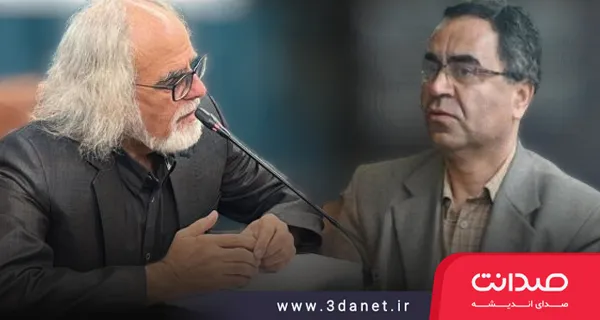
Three Ultimate Criteria—Rationality, Universal Ethics, and Human Rights
Mostafa Malekian, Philosophy Researcher
Source: The Book "The Future of Islam in Iran" / Three Ultimate Criteria—Rationality, Universal Ethics, and Human Rights
How many types of Islam do you see in Iran and the contemporary Islamic world? In the Islams observed in Iran, Saudi Arabia, Turkey, Malaysia, the Taliban, Al-Qaeda, ISIS, etc., can a common approach to future-building, social transformation, and possibly progress be seen?
In my view, in the contemporary Islamic world, including present-day Iran, those who have turned to Islam consciously and willingly are divided into three groups: fundamentalist Islamists, traditionalist Islamists, and modernist Islamists. In my article "A Word on the Nature of Islam and Liberalism"[1], I have pointed out eleven differences between each of these three types of Islamism and the other two.
However, the vast majority of Muslims have not turned to Islam consciously and willingly; rather, like the vast majority of followers of other religions and denominations throughout history, they have inherited their religion from their ancestors and received it passively, without reflection or investigation. This vast majority can be considered believers in traditional Islam (which differs markedly from traditionalist Islamism). Traditional Islam contains components of each of those three types of Islamism and is naturally subject to many internal inconsistencies.
In the Islams observed throughout the world, we do not see a common approach to future-building, social transformation, and progress. All are dissatisfied with the current state of affairs in the Islamic world; all feel a sense of inferiority and low self-esteem vis-à-vis modern Western culture and civilization (although fundamentalist Islamists, and to a lesser extent, traditionalist Islamists, outwardly deny this sense of inferiority and low self-esteem, and for this reason, suffer from a kind of cultural schizophrenia); and all are reacting, whether favorably or antagonistically, to Western culture and civilization. Yet from these three commonalities, no common approach toward future-building, social transformation, and progress has emerged, and in my opinion, will not emerge.
How has the position of religion in contemporary Iran, especially among the young generation who constitute the majority of the country's population, changed in various domains compared to, say, fifty years ago? To what extent is the future of Islam in Iran tied to the future of the Islamic Republic?
The position of religion and denomination in contemporary Iran differs in several fundamental ways from its position in pre-1979 revolution Iran. The most important difference is that religion in contemporary Iran has lost the role of strengthening and consolidating social solidarity, which has been the primary role of all religions in human history, and has instead become a factor weakening this solidarity and creating instability within it. Not only do followers of non-Islamic religions and denominations not feel the historical closeness and solidarity they once had with followers of Islam, but in a possibly more intense and acute manner, Sunni and Shia Muslims also do not feel the former closeness and solidarity with one another. The main cause of this phenomenon is nothing other than the policy of religious and denominational discrimination, as well as ethnic and racial discrimination, which the current regime has adopted and intensified day by day. This policy is both unjust and contrary to expediency.
The second difference between the place of religion and creed in present-day Iran and its place in Iran before the 1979 revolution is that today, people's, and especially the youth's, approach to religion has departed from moderation and veered toward extremism or negligence. In other words, there are few people, and especially few young people, whose approach to religion, whether favorable or unfavorable, is free and devoid of bigotry, dogmatism, prejudice, wishful thinking, aversion to reasoning, and intolerance. The religiously inclined, the religiously averse, and the anti-religious are more influenced by their feelings, emotions, and passions than by reason and rationality. Some incline toward religion, some flee from it, and some fight against it; but what is missing in all, or most, of these inclinations, flights, and fights is reasoning and a justified, reasonable, and strong argument. If reason and rationality prevailed, the religiously inclined, the religiously averse, and the anti-religious would not only have empathy and fellowship with one another and, in the worst case, rivalry, competition, and struggle, rather than viewing each other with animosity, hostility, and enmity and seeing their own lives as contingent upon the death of the other.
The third difference is that over the past four decades, the dominance, grandeur, awe, and authority of religion have diminished day by day. There is no doubt that on a global scale as well, historical and institutionalized religion has, to a great extent, lost its meaning, importance, and value; because it has proven incapable of solving the theoretical problems and resolving the practical difficulties of modern humanity and has even added to humanity's problems. In Iran, however, besides this factor, two other important factors have contributed to the discrediting of religion: one is the coming to power of a (purportedly) religious government, which provided a testing ground for religious teachings and claims and, unintentionally and despite its wishes, exposed the inefficacy and incorrectness of many of those teachings and claims. And the second is the ignorance, ill will, mismanagement, and corruption of the functionaries of the religious government, which completely stripped public trust in the rulers, clerics, and the sharia-minded, and firmly established, in the social psychology of the Iranian nation, the discrediting of religion and indifference, weak faith, and coldness toward religion.
In the religious seminaries as well, a clear difference and a distinct divide between past and present is evident. These seminaries have lost the striking unity and uniformity of their past and have become fragmented: one group of students and clerics has returned to the prevailing opinion of former seminarians (non-involvement in the public sphere of society and especially non-interference in politics), opting to engage in the same conventional sciences of the old seminaries and, naturally, avoiding any contact or familiarity with modern and contemporary sciences and knowledge. The lifestyle and the educational, training, and research methods of this group are the same as those that were common and customary, for instance, in the seminaries of two hundred years ago. Another group, who are fervent and zealous supporters of the current regime, naturally accept no reforms whatsoever in statecraft and the management of affairs; recklessly and fearlessly, they have turned to deceit and violence, adopting the path of trickery and terror, leaving no stone unturned in fostering hope and enticement, as well as in instilling fear and threat, and they see the advancement of their goals in deceiving those who have been endowed with less knowledge, understanding, power of thought, and experience, and in treating others, whom it is difficult or impossible to deceive, with violence. The third group, who are more prudent and perhaps more truth-seeking, strive to gain as much familiarity as possible with modern sciences and knowledge, and by equipping and arming themselves with new knowledge, defend their religious thinking and beliefs and possibly subject non-religious or anti-religious thinking and beliefs to criticism and refutation. Even if they do not believe in the Western cultural invasion or onslaught, they have at least realized that a serious cultural confrontation and battle has erupted between the religious, and particularly Islamic, worldview and other worldviews, and there is no alternative but to equip and arm themselves with the equipment and weapons of the opposition, which are the human sciences and knowledge. The slogan of this group is "Westernology for Western-opposition." And finally, the fourth group, who have grasped the necessities of life in the twenty-first century, endeavor to confront all opinions and views in various fields of knowledge such as philosophy, empirical human sciences, history, mysticism, and religion, in a truth-seeking and fair manner; to examine and critique; to take a position; to defend their position rationally and scientifically; and to know and to make known. The good news is that this fourth group, although, due to considerations known to all, they do not engage in much self-expression, are hopeful, energetic, and active.
As for the future of Islam in Iran, I can say nothing except that the more the rulers in a society favor or appear to favor religion, the more religion-averse and even religion-hostile the citizens become; and conversely, the more religion-averse and religion-hostile the rulers are, the more religion-inclined and religion-accepting the citizens become. This is a historical-empirical fact, although a definitive explanation of this reality is not known to me.
In periods of the history of the last century, one can point to instances where Islamic beliefs played a mobilizing or unifying role in political and social developments in Muslim societies—regardless of whether their impact was ultimately to the benefit or detriment of society; for example, the anti-colonial struggles in the Arab world or the Constitutional Revolution and the 1979 Revolution in Iran. But today, considering the situation in Iran and the Arab world, the consequences of the Islamic Republic's rule in Iran or the Taliban in Afghanistan, and the experiences of Turkey and other regions, can a constructive role be envisioned for Islam in the future of these societies? Can a capacity and credibility be seen in Islam for participation in the political reform and transformation of society? Is Islam's share at most that it does not hinder modernity, progress, and social and political freedoms?
Fundamentally, any religion, creed, faith, rite, school, path, doctrine, ideology, or -ism can have a positive cultural and social presence only so long as it possesses the capacity to solve a theoretical problem or remedy a practical difficulty, and in order to have this capacity, it must speak in a way that, firstly, is relevant to the existing circumstances and, secondly, is rationally defensible. Consequently, if it has reached the end of its tether and has nothing to offer—that is, if its words bear no relation to the existing circumstances and are irrelevant in these circumstances, or are indefensible—it loses its positive cultural and social presence, and thereafter can only have a negative and destructive presence; and this negative and destructive presence will persist as long as its capacity for deception and violence remains. Any individual or group that lacks the power of reasoning can only sustain its active life by relying on one of the two other alternatives to reasoning, namely deception and violence.
Taking what I have said as a given, in my opinion, none of the historical and institutionalized religions today possess the power to solve theoretical problems or remedy practical social difficulties. These religions still have some efficacy only in the realm of remedying individual practical problems, and of course, one must make the fullest use of these functions. Beyond this realm—which is by no means an insignificant realm—the solution to every problem and the remedy for every difficulty must be sought from philosophy, the empirical sciences (both natural and human), mathematics, technologies, and the arts.
Therefore, Islam, like other historical and institutionalized religions, can contribute to social reform in general, and political reform in particular, only insofar as and to the extent that social and political reform is dependent upon individual and mental-psychological reform. One should not expect more than this, nor pin one's hopes on it. One cannot and should not impose an unbearable duty upon religion. Social ideals such as order, security, welfare, justice, equality, freedom, and peace must be attained by resorting to the intuition, reason, knowledge, understanding, wisdom, and experience of human beings.
Religious reformists often argue that the guardianship-oriented, the Hezbollahi extremists, the Ikhwani, the Wahhabis, the Taliban, or the Daeshis are not true Muslims. But is not the totality of all these groups and the intellectual and field struggle between them also a part of Islam? Can Islam be separated from these tendencies and experiences and presented solely as an ideal and non-existent narrative of Islam?
On the one hand, it is undoubtedly not the case that all the beliefs, opinions, views, feelings and emotions, desires and goals, and sayings and deeds of Islamic fundamentalists—such as the Wahhabis, the Ikhwanis, the Taliban, Al-Qaeda members, ISIS members, Boko Haram members, and the Hezbollahi and Velayat-madār extremists among our own—conform to the teachings and precepts of Islam; but on the other hand, there is no doubt that all of these fundamentalists can resort to the rulings and teachings contained in the sacred religious and sectarian texts to confirm, consolidate, prove, and reinforce some of their positions and actions. Therefore, one cannot say that these fundamentalists are not Muslims at all or are not true Muslims. The life and actions of every Muslim individual or group, whether traditionalist, fundamentalist, traditionalist, or modernist, conform to Islamic teachings and rulings to a certain extent, and beyond that extent, they do not conform to these teachings and rulings. There is no Muslim individual or group that has not deviated one iota from the strict rulings and teachings of Islam. Thus, every Muslim individual or group is at a certain level and degree of being Muslim, and beyond that level and degree, they are not Muslim. The reality is that the sacred religious and sectarian texts have this capacity and capability (or flaw and defect) that any individual or group can discover and extract from them almost whatever they like. Did not the Ash'arites, Mu'tazilites, Maturidites, Imamiyyah, Kharijites, and Wahhabis, despite all the differences of opinion they had with one another, all cite the Quran and Hadiths? Did Muslim philosophers and mystics refrain from resorting to the Quran and Hadiths to confirm their opinions and views? And did not these very philosophers have numerous and significant differences of opinion with one another, and all of them with the mystics, and also the philosophers and mystics with the theologians, and the philosophers, mystics, and theologians with the jurists? If complete and unmitigated theoretical and practical commitment to the rulings and teachings contained in the sacred texts is a condition for being a Muslim, no individual or group can be considered a Muslim; and if we are satisfied with a commitment less than perfect, all of these individuals or groups can be considered Muslims.
What path for societal transformation does the idealistic narrative of Islam propose that secular thoughts and approaches cannot provide? Why should we assign an important place to Islam in all political and social equations without necessarily seeing a constructive role for it, or when its application might perhaps have more negative consequences?
A human being endowed with rationality and ethics, in their social life, because they are ethical, thinks about reducing the pain and suffering of every being that feels pain and suffers, and because they are rational, to reduce pain and suffering, they refer and resort to references and sources that possess greater problem-solving capacity; whether these references and sources are old or new, whether they are Eastern or Western, and whether they have emerged from the heart of one's own history, culture, and society or from the heart of the history and culture of other societies.
Someone who acknowledges the necessity of oxygen for the continuation of their body's life has only one concern, and that is that the gas they breathe is oxygen, not any other gas. But once they ascertain that the gas they are inhaling is oxygen, they never ask whether this oxygen came from the atmosphere of Tehran or from the atmosphere of Mecca or Medina or from the atmosphere of Washington. Being oxygen is what matters, not where it comes from. The organism of society, just like the organism of the human body, needs certain things to be healthy, strong, and beautiful. Social reformers should only have this concern: whether the things needed by the organism of society reach this organism or not, not to also ask where these needed things came from. The gas we breathe, if it is certainly oxygen, wherever it came from, it is welcome, and if it is certainly not oxygen, wherever it came from, it does not have permission to enter my lungs.
In the thoughts and opinions offered as solutions to theoretical problems or remedies for practical difficulties, only their truth or falsehood matters, not their place of birth (whether Eastern or Western) or their time of birth (whether ancient or modern). A thought or opinion has truth or falsehood, not geography and history. The birth certificate of a thought or opinion carries no credit; what is credible is its track record. By the decree of rationality and the ethics of belief, a true opinion must be accepted, whether it comes from the East or the West, whether ancient or modern; and a false opinion must not be accepted, again, whether Eastern or Western, ancient or modern. We are still ill-fated and ash-dwelling from this illusion that whatever is from the East is good and whatever is from the West is bad; or whatever is from the West is good and whatever is from the East is bad; or whatever is ancient is good and whatever is modern is bad; or whatever is modern is good and whatever is ancient is bad. Four illusions that have brought us to utter ruin.
One of the consequences of these illusions is that, to solve our problems and remedy our difficulties, we turn to authorities and sources that are not worthy of recourse and appeal, because what they say has either become irrelevant and bears no relation to our problems and difficulties, or is still relevant but lacks the capacity to solve problems and remedy difficulties; that is, it either lacks relevance or lacks truth and correctness. True social reformers must sever the umbilical cord of our attachment to these authorities and sources, and not shake the ring of impossible fortune, and prevent people from sitting at the door of false and inept problem-solvers. Until we despair of these, there is no hope of salvation, and until we turn our backs on them, we will not have a better future.
What is the place of religion and religious faith in your ideal system for society, politics, and government?
In an ideal socio-political system, believers and the religious are free, in their individual and personal lives (in the strict sense of the word), to act in any manner and way they please; and in collective and social life, just like others and with opportunities and possibilities equal to the opportunities and possibilities of others, they have the right to participation and benefit. The views and opinions of these believers, too, if they first emerge honorably from the three crucibles of rationality, universal ethics, and human rights, and secondly, have supporters, will be given consideration proportionate to the number of these supporters. In short, in an ideal system, faith and religiosity must not cause the slightest privilege nor the smallest deprivation.
In a medium-term or long-term foresight, how can the destructive effects of the propagation of traditional, sometimes superstitious, and authoritarian Islam be reduced and remedied?
The propagation that has been carried out over these four decades through various official and unofficial networks; especially the impact the Islamic Republic has had on the culture and behavior of Iranian society....((( I think this should be part of the question)))
To reduce the devastating effects of the propaganda and rhetoric, as well as the mismanagement and corruption of the Islamic government of Iran, in a word, the truth must be told to the citizens. It must be said that:
a) The rulers of Iran are Twelver Shia Muslims. Therefore, what they say and do cannot necessarily be attributed to all Islamic schools and sects. There are other narratives of Islam as well.
b) The rulers of Iran are Islamic fundamentalists. Therefore, what they say and do cannot necessarily be ascribed to Islamic traditionalists, Islamic modernists, or traditional Muslims. There are other versions of Islam as well.
c) Some of what the rulers of Iran say and do is in accordance with the rulings and teachings of the Quran itself.
d) Some of what they say and do is in accordance with the rulings and teachings contained in the sacred religious and sectarian texts of the Twelver Shia.
e) Some of what they say and do conforms to the consensus of all Muslim scholars and jurists.
f) Some of what they say and do conforms to the consensus of all Twelver Shia scholars and jurists.
g) Some of what they say and do, Muslims in general say and do.
ح) Some of what they say and do is said and done by Twelver Shia Muslims in general.
خ) Some of what they say and do is compatible neither with the rulings and teachings of the Quran, nor with the rulings and teachings contained in the sacred religious and sectarian texts of Twelver Shia Muslims, nor with the consensus of all Muslim scholars and jurists, nor with the consensus of all Twelver Shia scholars and jurists, nor with what Muslims in general say and do, nor with what Twelver Shia Muslims in general say and do. Such sayings and doings can in no way be attributed to Islam and being a Muslim; rather, they must be attributed to the ignorance, ill intent, corruption, and mismanagement of the rulers themselves.
د) Both in making decisions to build a better future for our society and in judging the speech and actions of our rulers, we must never neglect or turn a blind eye to the three ideas of rationality, universal ethics, and human rights. Rationality, which requires recourse to the latest achievements of the human sciences and knowledge, universal ethics, and human rights are three criteria against which every decision and every judgment must be measured so that the genuine can be distinguished from the spurious, the pure from the impure, and the authentic from the counterfeit.
ذ) All the rulings and teachings of the Quran or the sacred religious and sectarian texts of any of the Islamic denominations and sects, and all the consensus of Muslim or Twelver Shia scholars and jurists, and all the sayings and actions of Muslims or Twelver Shia Muslims in general are not necessarily compatible with rationality, universal ethics, and human rights. Therefore, each of us Iranian citizens needs a cultural transformation within ourselves, and all of us must fundamentally re-examine the references and sources to which we refer and resort for solving our problems and resolving our difficulties.
What can be done in the future about the vast network of clerics that has taken root, both formally and informally, in all political and social corners? What is the role and place of the clergy in your ideal system?
Clerics in all religions and denominations and in all historical periods have considered their role to be the communication, propagation, expression, and explication of the rulings and teachings of their religion and denomination for the followers of that religion and denomination. Therefore, if a citizen has no theoretical or practical attachment or commitment to a particular religion and denomination, they will have no need for the clerics of that religion and denomination; and if they have no attachment or commitment to any religion or denomination, they are in need of no cleric at all. On this basis, in an ideal society, the clerics of each religion and denomination should engage in communicating, propagating, expressing, and explicating the message of that religion and denomination for its followers, and in return for this assistance or service, receive recompense and remuneration from those same followers. It is neither logical nor reasonable for the clerics of one particular religion and denomination to subsist and earn their livelihood from taxes collected from all citizens of the society, including the followers of that religion and denomination, the followers of other religions and denominations, and the opponents of any religion and denomination; unless the general citizenry agrees that a fraction of income and taxes be spent on religious and denominational education, in which case the clerics of all religions and denominations, and not one particular religion and denomination, should benefit from this livelihood fund.
End
[1] . A Path to Deliverance: Essays on Rationality and Spirituality. First Edition, Tehran: Negah-e Moaser Publishing (pp. 93-106, 1380)

Discussion11 comments
عرض سلام آنچه در این مصاحبه آمده بیش از آنچه یک تحلیل علمی باشد ، یک نوع عقده گشایی و تفسیر بر مبنای گرایش سیاسی است .به عنوان مثال آنجا که می گوید اسلام در رژیم کنونی موجب گسست و شکاف مسلمانان است ، نه با واقعیت تاریخی پیش از انقلاب منطبق است چرا که شکاف ها و دو دستگیر ها و تعصبات خارج از عقل و منطق در آن دوره بیشتر بود ، و نه با سیاست حکومت جمهوری اسلامی ، چرا که سیاست حکومت به عیان اتحاد است و سیاست مبنایی مخالفان حکومت و چه بسا دوستان آقای ملکیان بر مبنای برائت است ، آنجا که در مقابل سیاست اتحاد جمهوری اسلامی چنین رویکردی را اتخاذ کرده اند ، بنابر این برای تحلیلی عالمانه از اختلافات موجود مولفه های بسیاری از جمله نقش تقویت گروههای سلفی از طرف کشورهای غربی که دوستان فکری جناب ملکیان هستند ، باید سنجیده شود. البته مبنای فکری سکولار در بسیاری از اظهارات و تحلیل های اینچنینی مشهود است ... اما در بعضی مسائل از قبیل اظهارات در خصوص برده داری و ... ضعف اطلاعات مشهود است، از دو بعد، یکی اینکه موضع اسلام در این خصوص از همان ابتدا موضع مبارزه از جنس فرهنگی است ، چرا که موضوعی که هزاران سال در ذهن و باور مردم آن زمان از کسری گرفته تا قیصر و عرب و ... را نمی توان با یک حرکت دفعی اصلاح کرد ، اما بعد دیگر که می گوید در جهان امروز مفهوم نژادپرستی منفی است ، کاملا نادرست است ، چرا که نژادپرستی شکلی دیگر گرفته و به تمام و کمال توسط عمدتا کشورهای مدعی صورت می گیرد ، اطلاعات موثقی از قبیل تجارت رسمی برده ، یا تقسیم مردم در نظام سرمایه داری که عملا تحت برخی الفاظ ظاهر فریب به سرمایه دار و برده تقسیم می شود... بنابر این اختلاف نظر اینگونه افراد و تحلیل ها همانگونه که ذکر کرده اند به اختلافات کلان تری در جهان بینی ختم می شود ، جایی که دست جماعت سکولار و ... خالی است ...
متاسفانه نقد شما جناب " مسعود " به مصاحبه ی آقای ملکیان بسیار بیشتر از ایشان یک نقد سیاست زده و به تعبیر دکتر عبدالکریمی تئولوژیک زده و نه علمی و مبتنی بر واقعیات موجود است . در باب اظهارات من در باب برده داری که مدعی ضعف اطلاعات شده اید این موضع شما ناقد عزیز است که مبتنی بر تحریف واقعیات در باب رویکرد اسلام به برده داری و همین طور ضعف آگاهی طیف دینداران سنتی و محافظه کار در باب مقوله ای و واقعیتی به نام یک سان نبودن مصادیق عدالت در طول تاریخ و حتی عقلانیت و ارزش های اخلاقی است . همه ی این مفاهیم و مصادیق و ارزش ها در طول تاریخ یک سان نبوده و باقی نمانده است . مقولاتی مثل برده داری و ازدواج با کودکان در دوران پیشامدرن مقولات و ارزش هایی عادلانه و عاقلانه بوده و ضد اخلاقی هم نبوده است . اسلام و شریعت آن هم این ارزش ها و سیستم مبتنی بر آن را با اصلاحاتی به عقلانیت و عدالت و انسانیت نزدیک کرده است . اما این مقولات که در زمان کنونی با پیشرفت عقل و اخلاق ضداخلاقی و ظالمانه محسوب می شوند و غیرقابل قبول هستند بدین معنی نیست که در آن زمان هم این گونه بوده است و منتقدین اسلام و طیف آتئیست ها در انتقادات خود از اسلام و فقه آن در این موارد مرتکب مغالطه ی زمان پریشی می شوند . شما و سایر دینداران سنت گرا و تئولوژیک اندیش که این واقعیت یک سان نبودن مصادیق عدالت و عقلانیت و ارزش های اخلاقی را در طول تاریخ در نظر نمی گیرند و گمان می کنند که اسلام از روی اکراه و ناچاری برده داری را پذیرفته منطقشان هم در مواجهه با منتقدین مثل آتئیست ها و هم بنیادگرایان و سلفی ها هم چون داعش که هم چنان از برده داری به ععنوان حکم شریعت دفاع می کنند با مشکل و بن بست مواجه است . آتئیست ها و منتقدین می گویند شراب خواری هم در همه ی جوامع و ادیان حتی ابراهیمی پیشین مثل یهود و مسیحیت در اذهان مردم بوده است پس چه طور اسلام آن را اگر چه تدریجا اما در نهایت حرام کرد اما در باب برده داری نمی توانست چنین بکند و با یک حرکت دفعی یا حداقل تدریجی ممنوع و حرام کند ؟ انتقادشان هم در این باب به جاست . همین طور از آن طرف بنیادگرایان هم می گویند که اسلام برده داری را امضا کرده و احکام اسلام از آنجا که ابدی است پس ادعای دینداران سنت گرا در عقب نشینی از برده داری غیر قابل قبول است . آنها ( بنیادگرایان ) می گویند درست است که در شریعت قرارداد مکاتبه بین ارباب و برده برای آزادی اش به رسمیت شناخته شده و کفاره ی برخی گناهان آزادی بردگان تعیین شده است که آنها هم عمدتا بردگان مسلمان هستند اما از این رویکرد شریعت به هیچ وجه نمی توان نتیجه گرفت که اسلام با اصل و سیستم برده داری مثل دوران مدرن و اعلامیه حقوق بشر مخالف بوده است . بنابراین برخلاف ادعای شما که آوردید اسلام با برده داری مبارزه از جنس فرهنگی کرده است اصلا چنین نبوده و اسلام اصل نظام برده داری را مبتنی بر عقلانیت و عدالت زمانه خود و مقتضیات آن دوران پذیرفته و به رسمیت شناخته است و نهایتا در آن اصلاحاتی برای عادلانه کردن و اخلاقی تر و انسانی تر کردن و کاهش تعداد بردگان آن مثل رفتار مناسب با بردگان و کفاره ی برخی گناهان را آزادی بردگان قرار دادن و نه برچیدن اصل این سیستم و نظام و مبارزه با اصل آن کرده است .
مطلب خوب و مفیدی بود. به نظرم پیش از تفکیک مسلمانان ابتدا باید خود اسلام تفکیک شود چون تجزیه اسلام به برداشت هایی که مراجع مختلف داشتند،سبب چنین چند دستگی شد. به نظر من می شود اسلام را به طور کلی به دو دسته سیاسی و فردی-اجتماعی تقسیم کرد. اسلام سیاسی از همان ابتدا وقتی شورایی پس از درگذشت پیامبر شکل گرفت،آغاز شد.محافل زد و بند و مبارزه سیاسی برگزار شد و منجر به حکومت خلفا شد. اسلام فردی-اجتماعی از زمان خلقت آدم شکل گرفت و او و فرزندانش را نسبت به آنچه انجام دادند مسئولیت پذیر کرد،کمااینکه آدم مسئولیت نافرمانی را پذیرفت و به کویر هبوط کرد و قس علی هذا. پس از این تقسیم بندی اسلام،مسلمانان در این دو دسته جای می گیرند،با همان تقسیم بندی استاد ملکیان،با این تفاوت که مسلمانان معتقد به اسلام سیاسی به حکومت اسلامی معتقدند(و بر روی خط افراط تا تفریط جای می گیرند) و مسلمانان معتقد به اسلام فردی-اجتماعی به حکومت های اسلامی امروزی،معتقد نیستند.
تقسیم بندی آقای ملکیان از اسلام به بنیادگرا و ... نگاه یم مستشرق، یک آلمانی، یک فرد غرق شده در فضای محکوم کانت، هگل، فرگه ، کواین است. اگر فلسفه غرب را بخواهم فرا بگیرم از شما ایرانی ها یاد نمی گیرم. از داشنگاه برلین و یا از اساتید آن ، از سورون یا از اساتید آن و از استنفورد یا انتشارات آن فرا می گیرم. هر سنت فکری را باید ار منبع authentic آن اخذ نمود. وقتی استاد ملکیان تقسیم بندی ملهم از غرب و تحت overwhemed شده اندیشه از بن و ریشه غربی از اسلام می دهد، باید توجه داشت که classification ایشان محترم است اما سازگار با اسلام نیست. ایشان نام داعش را کنار اسلام ، و واژگان سنتی و مدرن را بکار بسته اند! برای شناخت اسلام از عارفی مانند آیت الله غازی و مراجع و sourceهای معتبر و اصیل حوزه قم و نجف باید اسلام را اخذ کرد. نه از نگاه مثلا جورج بوش یا امیربیگلو یا داوکینگز. نگاه این ها اگر هم صادق باشد که بایست مطالعه کرد و دید که آیا طبق نگاه جورج بوش اسلام یعنی طالبان یا نه؟ اما قطعا روش شناخت اسلام نیست. با احترام به فلاسفه دارای نگاه هگلی، کانتی، کارنپی و فرانکفورتی به اسلام، هر persectiveای منبع معتبر و منصف برای مطالعه و شناخت خود را دارد. اسلام و استثنائی برای این مسئله نیست. اگر بخواهیم اسلام را هم بشناسیم از دشمن و متخاصم با آن یا از عبدالکریم سروش اسلام را اخذ نمی کنیم. آن را از آخوند خراسانی، آیت الله حائری مؤسس حوزه علمیه، از آیت الله مرعشی نجفی اخذ می کنیم. چون اگر این کار را نکنیم ذهنیتی به دست می آوریم اسلام نیست بلکه نگاه یک غربی است. حال ممکن است آن اسلام اخذ شده از منبع معتبر را غیر قابل پذیرش و یا الهی و دلنشین بیابم. مسئله ما پذیرش یا رد نیست. مسئله اصول علمی و عقلی شناخت یک سنت فکری است. از روش ملکیان حیرت می کنم. اگر بخواهی حوزه را بشناسید آن را به continental و Anglosaxon تقسیم می کنید؟ آیا اگر فلسفه غرب را بشناسید آن را به نجفی و قمی تقسیم بندی می کنید؟
بجای اینکه بگویید "...اگر بخواهیم اسلام را هم بشناسیم.." دقیق آنست که بگویید "...اگر بخواهیم تشیع اثنی عشری را هم بشناسیم.."
مسئله این است که یک سنت فکری واحد تحت عنوان اسلام در جهان اسلام و تاریخ آن وجود ندارد . ما یک قرائت و سنت و جریان فکری واحد و یک اسلام واحد نداریم . اتفاقا تقسیم بندی سه گانه یا چهارگانه ی آقای ملکیان و فیلسوفان غرب بر مبنای گرایشات دینداران مسلمان در جهان معاصر است . در دوران کنونی و زیست جهان مدرن مسلمانان به سه گروه و جریان اصلی بنیادگرا ، سنت گرا و تجددگرا و یا همان نواندیشان دینی تقسیم می شوند که قرائت ها و تفاسیر و برداشت های آنها از اسلام و متون دینی اش با هم متفاوت و بعضا متضاد است . حتی اگر پیش از پیدایش مدرنیته و تجدد را در نظر گرفته تا این سه جریان فکری مطرح شوند باز یک جریان فکری و سنت فکری واحد و قرائت واحد ولو در قالب یک مذهب اسلامی هم نداشتیم . در دوران گذشته و پیشامدرن هم دینداران مسلمان حداقل به سه جریان فکری اصلی یعنی اسلام فقاهتی ، اسلام فلسفی و اسلام عرفانی در جهان اسلام رو به رو بودیم که با هم بعضا اختلافات شدید و مبنایی داشتند . چنان چه فلاسفه و عارفان به دلیل همین باورهای متفاوت و متعارض با جریان رسمی فقاهتی و فقها توسط آنها مورد بغض و دشمنی قرار گرفته و بعضا ضال و گمراه و حتی تکفیر می شدند مانند امثال عین القضات ، حلاج ، سهروردی و ملاصدرا و حتی ابن سینا این که برای شناخت اسلام و نزدیک شدن به حقیقت آن و باورهای اصلی آن مبتنی بر متون دینی و منابعش به کدام سنت و جریان فکری مراجعه کنیم و اسلام را از آن بشناسیم آن بحث دیگر و جدایی است . طبعا در دوران گذشته و برداشت ها و باورهای جریان اسلام فقاهتی و در دوران کنونی و زیست جهان مدرن طیف سنت گرایان یعنی همان طیف حاکم و اصلی بر جهان اسلام و حوزه های علمیه آن مثل نجف و قم و قاهره و مکه به حقیقیت اسلام و روح آن و متونش نزدیک تر است و طبعا برای شناخت بهتر و صحیح اسلام باید به آنها مراجعه کنیم . مثلا خدای فقها و جریان رسمی دینداران مبتنی بر متون و منابع اصلی دین مثل قرآن یک خدای شارع است که رابطه اش با انسان رابطه ی مولا و عبد یا ارباب و بنده است . همین طور خدای آنها و ادیان ابراهیمی مبتنی بر متون دینی و توصیفاتش به تعبیر استاد ملکیان یک خدای متشخص انسانوار است . در صورتی که در سنت فکری عرفان اسلامی رابطه ی خدا و انسان تبدیل به یک رابطه ی عاشق و معشوق شده و خدای عرفان هم یک خدای وحدت وجودی است که جناب ملکیان هم چنین تلقی از خدا دارد که این تلقی از خدا ربطی چندانی به متون و منابع اصلی دینی ندارد . یا مثلا در سنت فکری فقهی همان طور که قبلا اشاره داشتم ما شاهد نوعی دگرستیزی قابل توجه و ضدیت با تساهل وتسامح و تکفیر و تفسیق و ضال دانستن دگراندیشان و حکم قتل مرتد و ساب النبی و جهاد ابتدایی یا تهاجمی علیه کفار یا همان غیرمسلمانان و عدم به رسمیت شناختن آزادی بقای دین برای مشرکان و حتی پذیرش اسلام و توحید اجباری و نجس دانستن آنها مبتنی بر متون دینی هستیم . اما در سنت عرفان اسلامی و رویکرد عارفان مسلمان بر عکس ما شاهد یک پلورالیسم و تکثرگرایی و تساهل و تسامح هستیم . حال اگر کسی برای شناخت واقعی تر و حقیقی تر و بهتر اسلام به جای این که به فقه و تفاسیر برگرفته علمای سنتی و فقها از متون دینی رجوع کند که به حقیقت اسلام مبتنی بر متون و منابع دینی نزدیک تر است ؛ بیاید به سنت فکری و رویکرد فکری عارفان مسلمان و جریان آنها که برگرفته از ادیان شرقی هندی است مراجعه کند دچار اشتباه می شود و گمان می کند حقیقت اسلام اصیل و احکامش و باورها و متون و منابع اصلی آن این چنین مبتنی بر تساهل و تسامح و تحمل دگراندیشان و تکثرگرایی بوده یا خدای اسلام یک خدای وحدت وجودی است در حالی که در اصل چنین نیست . یا مثلا جریان فکری به نام قرآنیون در جهان اسلام وجود دارند که سنت و احادیث مبتنی بر آن را منکرند و در اسلام فقط قرآن را ملاک قرار می دهند . این گروه در بحث ارتداد مخالف احکام ارتداد و قتل مرتد هستند چون در قرآن نیامده و مغایر با روح قرآن هم می دانند . حال اگر کسی نظر آنها و این طیف و جریان فکری و سنت آنها را برای شناخت اسلام ملاک قرار دهد دچار اشتباه می شود چون اسلام منحصر در قرآن نیست و سنت و روایات و متون دینی مبتنی بر آن یک منبع مهم دیگر و بزرگ تری در اسلام است و برای شناخت اسلام و احکام و باورهای آن نمی توان فقط قرآن را ملاک قرار داد .
بر این مبنا این که یک یا دو جریان فکری وجود دارند که آرا و باورهایشان به حقیقت اسلام و متون و منابع دینی مبتنی بر آن نزدیک تر بوده صحیح می باشد و یک واقعیت است . اما این واقعیت به این معنی نیست که تقسیم بندی استاد ملکیان و غربیان از دینداران مسلمان و سنت فکری و جریان های فکری در اسلام یا توجه به اسلام و گرایشات دینداران غلط و نادرست و غیرموجه است . به هر حال ما یک جریان و سنت و قرائت فکری واحد در بین دینداران مسلمان نداریم .همان طور که آقای ملکیان به درستی اشاره کردند اگرچه نمی توان تمام اعمال داعش و بنیادگرایان اسلام را مربوط و منطبق با اسلام و متون دینی آن دانست اما نمی توان ادعا کرد که آنها و تمام اعمال و باورهایشان بی ارتباط با اسلام است . همه ی این جریانات فکری و نمایندگان آنها از داعش گرفته تا سروش مسلمان بوده و کم یا زیاد از آرا و اندیشه های درون اسلام بهره جسته اند و به طور کامل بی ارتباط و بریده از اسلام نبستند . این که برای شناخت بهتر اسلام و حقیقت آن نمی توان به آنها مراجعه کرد و یا اگر کردیم صرفا نباید آنها را ملاک قرار دهیم چرا که ممکن است دچار اشتباه شویم و باید به جریان فقاهتی و سنت گرای حاکم و مسلط بر حوزه های دینی جهان اسلام مراجعه تا به شناخت و حقیقت و واقعیت بهتر اسلام و احکام و آرای برگرفته و مبتنی بر متون دینی و روایی و مقدس و منابع دینی اش پی ببریم و بدانیم چیست صحیح و منطقی است . اما حتی این جریان رسمی و اورژینال یعنی طیف حاکم بر حوزه های دینی هم که نظرات و آرایش بیشتر مبتنی بر متون و منابع اسلام بوده و برای شناخت بهتر اسلام باید برای اسلام به آنها مراجعه کنیم هم همان طور که استاد ملکیان در این گفت و گو به درستی اشاره کرده اند که هیچ گروه اسلامی نداریم که سر سوزنی از اسلام تخطی نکرده باشد ؛ این گونه نیست که آرا و تفسیرها و احکام و باورهایش به طور تام و تمام و مطلق و کامل مبتنی بر حقیقت اسلام و متون آن باشد . چنان چه بین شیعه و سنی در تفاسیر و برداشت ها از اسلام و متون دینی آن اختلاف و بعضا تضاد است . یا مثلا اسلام در دوران پیشامدرن که مقوله ی برده داری در تعارض با عقلانیت و عدالت و اخلاق آن زمانه نبود این سیستم را همراه با اصلاحاتی و تعدیلاتی به رسمیت شناخته و تایید کرد و ابواب فراوانی در باب بردگان در فقه وجود دارد . اما در دوران کنونی که برده داری عملی ظالمانه و ضد انسانی در جهان دانسته شده است طیف سنت گرا و مسلط بر حوزه های دینی جهان اسلام عقب نشینی کرده و پذیرفته است که برده داری دیگر منسوخ باید شود و قابل دفاع و توجیه نیست . برعکس طیف بنیادگرایان مسلمان مثل داعش که هم چنان از برده داری تحت قاعده ی حلال محمد تا قیامت حلال بوده و حرام او تا قیامت حرام است دفاع می کنند . در واقع حتی این طیف سنت گرایان که برای حقیقت اسلام در درجه ی اول باید به آنها رجوع کرد از مقوله برده داری در اسلام عدول و گذر کرده اند . نکته ی دیگر این که در همین جریان سنت گرای حاکم بر حوزه های دینی جهان اسلام که برای شناخت اسلام در درجه اول باید به آنها مراجعه کنیم شاهد یک دستی و یک پارچگی در تفاسیر و آرا و احکام از اسلام نبوده و باز شاهد اختلافات و تفاوت ها و حتی تضادهایی هستیم مثل شیعه و سنی یا مکتب تفکیک مثلا مکتب تفکیک در حوزه های علمیه که مخالف فلسفه و عرفان بوده هنوز هم نمایندگانی در بدنه ی حوزه های قم و نجف دارد که به درستی تضاد و انحرافی و بیگانه بودن برخی باورهای فیلسوفان و عارفان مسلمان یا آن چه تحت عنوان فلسفه اسلامی و عرفان اسلامی وجود دارند با دین و متون و منابع دینی آن را نشان داده و ثابت می کنند . اما در باب اظهار حیرت از روش استاد ملکیان و انتقاد شما از ایشان برای تقسیم بندی حوزه و این سوال که اگر فلسفه ی غرب را بشناسند آیا آن را تقسیم بندی می کنند باید پاسخ داد که اتفاقا این رویکرد شما حیرت آور است که فلسفه ی غرب را یک پارچه و یکی کرده و ظاهرا علی رغم همه ی مدعیات در باب شناخت فلسفه ی غرب آن و جریانات متفاوتش را به درستی نمی شناسید ! گذشته از این که فلسفه ی غرب یکی و یک پارچه نیست ؛ فلسفه ی معاصر غرب همین حالا به دو جریان و سنت فکری بزرگ فلسفه ی " تحلیلی " و فلسفه ی " قاره ای " تقسیم می شود . فلسفه ی تحلیلی فلسفه ای است که کشورهای آنگلوساکسون تقریبا به طور کامل به آن گرایش یافته اند و فلسفه ی قاره ای بیشتر مربوط به فیلسوفان آلمانی و پسامدرن است . در ایران هم طیف نواندیشان دینی مثل سروش و استاد ملکیان جز نحله ی فلسفه ی تحلیلی هستند و کسانی چون دکتر عبدالکریمی و آقای مراد فرهادپور به سنت فکری فلسفه قاره ای گرایش دارند .
سلام با احترام به بیانات جناب ملکیان به آگاهی می رسانم در طول تاریخ بشر ادیان صرف نظر از مدتی کوتاه از آغاز تبلیغ دینی توسط بنیانگزاران آن ، چه در حوزه شخصی و فردی چه در حوزه روابط اجتماعی و چه در شکل حکومتی و سیاسی دچار ظواهر دین شده اند و اشکالی از دین سنتی و یا عاطفی را به نمایش گذاشته اند که صرفا با خودشیفتگی و خود حق پنداری و دیگر باطل پنداری همراه بوده اند و در عالم توهم سیر می کنند .می توان به جرات ادعا کرد که هر شکلی از دین که تا به حال ظهور و بروز داشته فاقد شکل حقیقی دین است که می بایست شش مرحله را طی کند تا به احکام دینی برسد . آزادی ، تفکر ، شناخت ، احساس ، عقیده و نظام ها
این گفتگو کی انجام شده، لطفا به تاریخ انجام آن دقت و نیز نشر کنید تا بفهمیم این گفته مال کی و کدام ملیکان است.
در بخشی از پاسخ سوال سوم، استاد فرموده اند که: "هر فرد یا گروهی که قدرت استدلال نداشته باشد، فقط به اتکای یکی از دو بدیل دیگر استدلال، یعنی فریبکاری و خشونت ورزی، می تواند به حیات فعالانه ی خود استمرار بخشد" سوال این است که آیا فقط با سه نوع ارتباط می توان با دیگران روبرو شد؟ یعنی فقط با استدلال یا فریب یا خشونت می توان ارتباط خود را با دیگران برقرار کرد؟ یا به گفته ایشان "حیات فعالانه" داشت؟ پدر یا مادری که با فرزندان خود حیات فعالانه یا ارتباط ماندگار دارد، با روش خشونت جلو می رود؟ یا فریب؟ یا استدلال؟ آیا چیزی به اسم محبت یا عشق یا رابطه دوستانه وجود ندارد؟ یا همکارانی که با هم در یک مجموعه شریک هستند، کدام یک از این سه قسمی که فرمودید را برای ارتباطات خود پیش گرفته اند؟
چرا با عقلانیت ذیل تحولات در منطق ریاضی برخورد نمیشود؟ آیا نتایج فلسفی برای قضیه ناتمامیت در منطق ریاضی وجود ندارد؟ امروزه عقل متواضع گشته ، سعی و خطا و تجربه هر چه بیشتر مطبوع شده است... در مورد دین و اخلاق تنها راه ، تسلیم عقلانی در برابر قرآن است...تسلیم عقلانی یعنی عقل خود را وسیله برای رعایت اتصال قول الهی کنیم...اتصال اجزاء هر آیه و اتصال آیات هر سوره ذیل این اتصال قول الهی هستند...عقل وسیله ای است که میتواند رشد کند... ما باید با کمک عقل خود وجه ارتباط قول الهی را ببینیم یا پیدا کنیم نه اینکه طرح عقلی و ذهنی (فرقه گرایانه) خود درباره دین را با آیاتی که میخوانیم تکمیل و موجه سازیم.... ....تا ارتباطات را بحد کافی ندیده ایم نباید نتیجه گیری کنیم... رسیدن به این روش و به کلیت درختواره بودن قرآن با اشاره خود قرآن و پس از مطالعه چند باره کل آن است...هر نوع روایات و تجربیات عقلی و نقلی از گذشته و حال میتواند در این رعایت اتصال مورد استفاده قرار گیرد... در انتهای شاخه دوم درختواره قرآنی ، سوره حدید ، میخوانیم : أَلَمْ يَأْنِ لِلَّذِينَ آمَنُوا أَنْ تَخْشَعَ قُلُوبُهُمْ لِذِكْرِ اللَّهِ وَمَا نَزَلَ مِنَ الْحَقِّ وَلَا يَكُونُوا كَالَّذِينَ أُوتُوا الْكِتَابَ مِنْ قَبْلُ فَطَالَ عَلَيْهِمُ الْأَمَدُ فَقَسَتْ قُلُوبُهُمْ وَكَثِيرٌ مِنْهُمْ فَاسِقُونَ ﴿۱۶﴾ آيا براى كسانى كه ايمان آورده اند هنگام آن نرسيده كه دلهايشان به ياد خدا و آن حقيقتى كه نازل شده نرم [و فروتن] گردد و مانند كسانى نباشند كه از پيش بدانها كتاب داده شد و [عمر و] انتظار بر آنان به درازا كشيد و دلهايشان سخت گرديد و بسيارى از آنها فاسق بودند (۱۶) اعْلَمُوا أَنَّ اللَّهَ يُحْيِي الْأَرْضَ بَعْدَ مَوْتِهَا قَدْ بَيَّنَّا لَكُمُ الْآيَاتِ لَعَلَّكُمْ تَعْقِلُونَ ﴿۱۷﴾ بدانيد كه خدا زمين را پس از مرگش زنده مى گرداند به راستى آيات [خود] را براى شما روشن گردانيده ايم باشد كه بينديشيد (۱۷) حیات و راه نجات بشر باور به چیدمان فعلی قرآن و رعایت اتصال در خواندن آنست...و الا باید رنج سعی و خطا و تجربیات نامحدود را تحمل کنیم.... quranmizan[.]com