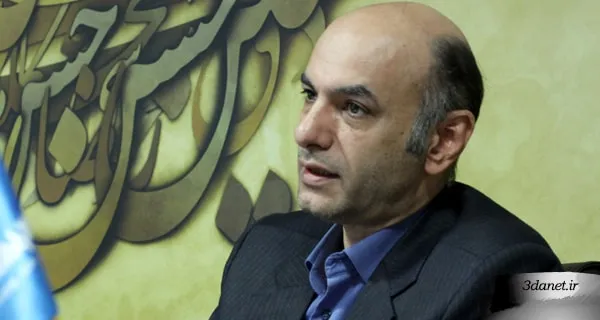
Drawing a distinction between the ontological and psychological God, Mostafa Malekian argues that God's presence in the human mind is what liberates us from absurdity. In his reading, Nietzsche's 'death of God' signifies the loss of this psychological presence, not the actual non-existence of God in reality.
If the psychological presence of God departs from the human mind, even if God exists in the real world, man arrives at nihilism. My belief is that one can speak about God from two perspectives: one is the ontological God and the other is the psychological God. When Nietzsche stated.
If the psychological presence of God departs from the human mind, even if God exists in the real world, man arrives at nihilism. My belief is that one can speak about God from two perspectives: one is the ontological God and the other is the psychological God. When Nietzsche stated that "God is dead," his discussion was not at all about whether God exists or does not exist in the universe or in the real world. Nor was it that God existed in the universe until recently and does not exist now.
Nietzsche's discussion was not at all an ontological discussion. His discussion was not in the sense that philosophers speak of. Nietzsche's discussion was about the psychological God. He wanted to say that whether God exists in the real world or not, in either case this statement is true: that until recently God was present in the stage of the human mind and consciousness, but for some time now His presence in their mind and consciousness has been lost.
And it is precisely because of losing this point of support that man arrives at nihilism or absurdity. In fact, Nietzsche wants to say that with the entry into the new age, man loses his reliance on God and precisely for this reason arrives at nihilism.
It is exactly so. In fact, what leads man to nihilism or frees him from it is not the philosophical existence of God, but rather the psychological existence of God, which, if it were present somewhere, frees the person from nihilism, and if it were not, leads him to nihilism. In fact, it is the psychological presence of God in the human mind and consciousness that frees him from nihilism. Now, if this psychological presence departs from the human mind, even if God exists in the real world, man arrives at nihilism.
In fact, this psychological presence cannot be sought exclusively in one specific place. Just as Nietzsche, in order to escape nihilism and be freed from it, took refuge in art. Let alone the fact that a figure like "Paul Virilio," the contemporary French philosopher, believes that modern man, if he killed God, invented a god of the machine kind, but in any case this machine god – or, as Heidegger would say, technologized god – also could not fill the void resulting from that, as you say, psychological God.
In confirmation of your words, I return to an expression used by "Paul Tillich." "Paul Tillich," the Protestant philosopher and theologian, said that everyone has a God that is – in my expression – psychological. That God may be different for each individual. That God is something for which each individual is willing to sacrifice everything, but is not willing to sacrifice it for anything. This is the psychological God. Another God exists in the real world. There are some human beings whose psychological God is the God that their religion and creed speak of, and that God exists in the real world. The psychological God of many human beings is other than the God that, from the perspective of religion and creed, exists in the real world.
 Philosophy
 Art
Art Philosophy
 Philosophy
 Religion
Discussion0 comments
No comments yet; let yours be the first voice.