Philosophy
The Reproductive Gamble
Reproduction is driven by instinct or social convention, without any moral justification. Given the uncertainty of the future and the unforeseeable suffering it entails, bringing a being into the world is akin to gambling with their life—something that is morally impermissible.
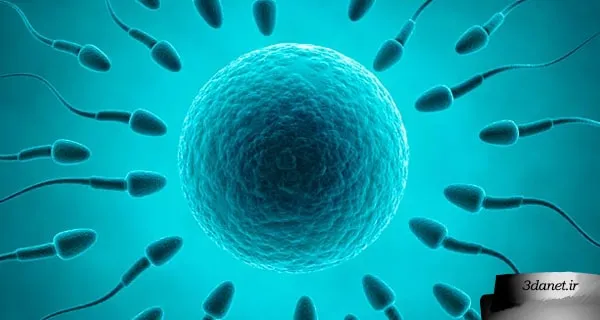
هر زمانیکه به تامل مینشینم، تاملِ من نسبت به رنجی که میکشم تنها مرا بر آن میدارد که به سرزنش آنکسی بپردازم که مرا بوجود آورد. و من آرامش را به فرزندانم عطاء کردم، زیرا آنها در سعادتِ عدمند که از هر لذتی در این جهان بالاتر است. اگر آنها پا به حیات گذاشته بودند، بدبختی یی را متحمل میشدند که آنها را در صحراهای بی نشان به تباهی میکشاند.
ابوالعلاء معری، شاعر، نویسنده و فیلسوف نابینای عرب
قمار تولیدمثل[1]
تاملی در باب اخلاقِ زاد و ولد
نویسنده: بهنام خداپناه
"فلسفه باید فرض های پایه زمانه خود را به پرسش گیرد. ملاحظه کامل، نقّادانه و دقیقِ آنچه بیشتر مردم صحت آنرا پیش فرض گرفته و بدان عمل می کنند، به باور من، وظیفه اساسی فلسفه است، و همین وظیفه است که فلسفه را به فعّالیّتی ارزشمند تبدیل می کند. مایه تاسف است که فلسفه همواره این نقش تاریخی خود را ایفا نمی کند. فیلسوفان نیز انسان هستند، و آنها نیز همچون دیگران موضوعِ همه پیش فهم های جامعه ای قرار می گیرند که بدان تعلّق دارند. گاهی مواقع آنها در رها کردن خود از ایدئولوژی غالب بر اجتماع شان کامیاب می شوند؛ و در اغلب موارد نیز به مدافعانِ پیچیده چنین ایدئولوژی یی تبدیل می شوند . . . . از نوشته های آندسته از فیلسوفانی که به مسائل گوناگون می پردازند این مطلب آشکار می گردد که آنها نیز همچون اغلب مردم با همان پیش فرضهای بررسی نشده آغاز می کنند . . ."[2]
یکی از مواردی که تقریبا اکثریت قاطع ما انسانها، خواه بر اساس پیروی از رسوم جامعه یا پیروی از غریزه یا بنا به هر دلیل دیگری، بی-چون و چرا بدان عمل کرده و هیچگاه به شکلی قاطع و اصولی آنرا به پرسش نمی کشیم «تولیدمثل» است. اگر وظیفه اساسی فلسفه، بنا به گفته پیتر سینگر، به پرسش کشیدن پیش فرضهای جامعه است، قطعا «ادامه نسل» و «زاد و ولد» یکی از پیش فرضهایی خواهد بود که باید درباره جواز اخلاقی آن به بحث نشست. اکثر ما با تولیدمثل به مثابه امری رفتار می کنیم که همینکه به بلوغ رسیدیم به سان یک وظیفه عادی باید انجامش دهیم، بدون آنکه با خود این پرسش را مطرح کنیم که «من چه اندازه در بوجود آوردن موجودی دیگر به لحاظ اخلاقی موجه هستم؟» آیا پیرویِ صرف، مثلا از رسوم جامعه یا غریزه، می تواند دلیل موجهی را برای این کار نزد من مهیا سازد؟ این مسئله به همان اندازه که درباره عادات غذایی متعارف ما، و رنجی که میلیاردها حیوان از طریق آن متحملش می شوند، آنگونه که عبارت مطروحه بالا از سینگر ناظر بدان است، صادق است درباره تولیدمثل هم صدق می کند. به همان اندازه که پیروی ما از عاداتِ غذایی مرسوم دلیلِ موجهی برای «نوع عاداتِ غذاییِ» ما نیست، پیروی ما از رسوم جامعه یا غریزه هم نمی تواند مبنای موجهی برای «زاد و ولد» باشد. به صرف اینکه دیگران اینکار را انجام می دهند، یا فشار ناشی از غریزه ما را به زادو ولد وادار می سازد، ما انسانها، تا جاییکه عقلانی رفتار کردن دغدغه مان باشد، در انجام این کارها موجه نخواهیم شد. باید با موشکافی بیشتری انجام این افعال از ناحیه خودمان را بررسی کرده، به پیش فرضهای ناموجه شان پی ببریم و در صدد اصلاح یا رفعشان برآییم.
معمولا نخستین واکنش نسبت به مشی یی انتقادی نسبت به پیش داوری های مرسوم، اگر اصلا در حدی باشد که واکنشی را برانگیزد، نپذیرفتنِ و سرباز زدن است. این نشان از آن دارد که شناکردن خلاف جریانِ مرسوم کار دشواری است. جمع، افکار عمومی یا «آنهای مجهول»[3] به تعبیر هایدگری کلمه، همواره درصدد همرنگ کردنِ فرد با خود بر می آید. و طبیعتا، انتقاد از این پیش فرضها توسط «جمع» معمولا تاب آورده نمی شود. می دانم مطالبی که در ادامه خواهد آمد شاید در نگاه اول چندان پذیرفتنی ننماید، زیرا یکی از مرسوم ترین و پذیرفته شده ترین پیش داوری های ما را به چالش می کشد. اما برای کسی که دغدغه عقلانیت و اخلاق داشته باشد بعید می دانم مطالب آن چندان عجیب و غریب و غیرقابل قبول باشد، مگر اینکه دلیل مستحکم تری برای آن در دست داشته باشد.
در این مقاله خواهم کوشید با محوریت «زمان»، به «اخلاقی و عقلانی بودن تولیدمثل» بپردازم. تمرکز اصلی من بر مفهومِ «عدم قطعیتِ» آینده و «فرایندْبودن» زندگی است. اینکه باتوجه به عدم قطعیتِ آینده و باتوجه به اینکه زندگی در مقام فرایند، با آینده همبستگی داشته و غیرقطعی و پیش بینی ناپذیر است، تولیدمثل در چنین شرایطی نه انتخابی عقلانی و اخلاقی، که بیشتر به «قمارکردن» و «تاس انداختن» می ماند. و نهایتا اینکه، قمار کردن روی زندگی کسی اخلاقا مجاز نیست.
1
عدم قطعیتِ آینده
تاکنون تعاریف و تعابیر گوناگونی از «عدم قعطیت»، چه در فلسفه، فیزیک و یا هر علم دیگری، به دست داده شده است. «عدم قطعیتی» که من اکنون قصد دارم درباره آن بحث کنم، «عدمِ قطعیت مربوط به آینده» است. این مفهوم چندان مفهوم نو و ناآشنایی نیست. آینده همواره در خصوصیتِ «تعین ناپذیری» و «ابهامش» شناخته شده است. اگر گذشته سپری شده و قطعی است، و حال نیز به عنوان حد واسط میان گذشته و آینده اکنونِ در حال سپری شدن است، آینده نیز مبهم و نامشخص است. هرچند ما انسانها با انتخابهایی که صورت می دهیم، طرح هایی که بر می گزینیم، به نوعی آینده خود را متعیّن می کنیم، یعنی به نوعی مسیر زندگی خود را مشخص می سازیم، اما انتخاب مسیر زندگی در جهتِ آینده یک چیز است و رویدادهایی هم که برای ما روی می دهند چیز دیگری. ما واقعا نمی دانیم، که در آینده قرار است چه رویدادهایی بر ما رخ دهند. مثالی می زنم. «مرگ» را در نظر بگیرید. همه ما نسبت به عدمِ قطعیتِ مرگ واقفیم. می دانیم که درباره وقوع آن هیچ نمی دانیم. هرچند مرگ قطعا روی خواهد داد اما اینکه کی، چگونه، و به چه شکلی اصلا مشخص نیست. شاید یک دقیقه بعد، یک ساعت بعد، یک روز بعد، ماه بعد، سال بعد و . . . . مگر اینکه تصمیم به خودکشی بگیریم در غیر اینصورت هیچ مشخص نیست که مرگ کِی و چه وقت بر ما روی خواهد داد.[4] مرگ یک «رویداد» است. و ویژگیِ رویداد نیز در «پیش بینی ناپذیری»اش نهفته است. یعنی مشخص نیست کِی و به چه شکلی فلان رویداد (و در اینجا «مرگ») بر ما روی می دهد.
در کاربرد متعارف از این واژه، ما معمولا اموری را که به شکلی غیرمنتظره بر ما روی می دهند «رویداد» می نامیم، اما نسبت به مواردی که این ویژگیِ «پیش بینی ناپذیری» را ندارند چنین نیستیم. اینکه من برای تهیه سالاد خیار می خرم، در کاربرد متعارف از این واژه، یک رویداد تلقی نمی گردد. اما اینکه من توسط خیارهایی که برای سالاد خریده ام مسموم می شوم، یک رویداد دانسته می شود. یا اینکه من مسیر خانه تا محل کار را هر روز با ماشین طی می کنم، یک رویداد تلقی نمی شود، در حالیکه تصادف من در این مسیر یک رویداد دانسته می شود. در همه این موارد آنچه باعث رویداد تلقی شدن مورد دوم، و نه اول، می شود «پیش بینی ناپذیریِ» آن است.
ویژگیِ مشترک همه مواردی که در آینده رخ خواهند داد همین است. به تعبیر دیگر، معلوم نیست که در آینده چه چیزی بر ما اتفاق خواهد افتاد. معلوم نیست که چگونه خواهیم مرد: در اثر سیل، زلزله، طوفان، جنگ، بیماری لاعلاج، و شاید حتی خودکشی. آینده اینگونه است. شاید جنگ جهانی سومی رخ داد و آشویتس دیگری به راه افتاد و ما نیز قربانیان آن! شاید هم در آینده اکسیر جوانی کشف شد و مرگ به یک فسون و فسانه تبدیل شد![5] اینکه جنگی از این دست رخ خواهد داد یا نه چندان مشخص نیست و نمی توانیم چیزی درباره اش بگوییم. شاید مسیر رویدادهای آینده بدان سو متمایل شد که چنین جنگی روی دهد! شاید هم در بستری گرم و نرم جان دادیم! مشخص نیست. شاید در خلال همین جنگ بر اثر انفجاری اتمی، همچون انفجاری که در هیروشیما یا ناگازاکی روی داد، ذوب شدیم. مگر آنهایی که در اثر این دست رویدادها جان دادند می دانستند که اینگونه خواهند مرد؟ و چنین نیست که اگر فلان کار را کردیم قطعا از وقوعِ جنگی جهانی پیشگیری خواهیم کرد. خصلتِ جنگها (به عنوان نمونه ای از یک رویداد) دقیقا در همین پیش-بینی ناپذیری شان و انفعالِ ما در قبال آنهاست. خیلی وقتها حادثه ای بزرگ منتهی به جنگی نشده و در بسیاری مواقع بهانه ای کوچک به جنگی بزرگ انجامیده است. حتی تعریف ساز و کارهای سیاسیِ مدرن هم صددرصد تضمین نمی کنند که از وقوع جنگی جلوگیری خواهند کرد. در بهترین حالت، تنها امکان و احتمال آنرا کاهش خواهند داد.
2
Life as Process
Every life begins at a point and ends at a point. The distance from the starting point to the end of life can be called a "process." A process that is not confined to a specific point, and its duration varies from one individual to another; one a minute, another an hour, one a year, ten, fifty, seventy, a hundred, or perhaps even a hundred and fifty years! The duration of a person's life depends on many things; biological, sociological, psychological factors, and so on. One dies from illness, another from war, and yet another perishes due to a psychological affliction. These instances are so numerous that they cannot be enumerated here.
The beginning of life as a process is pregnant with many possibilities and events. It is not the case that someone born wealthy necessarily remains wealthy until the end of their life. Or that someone born healthy remains healthy and sound forever, until the end of their life. It is possible that, due to events, the wealthy person's property is somehow lost and they become a poor person. And it is not always the case that a healthy person with a strong and robust constitution remains so for the rest of their life. A small incident can change the course of their life and turn them into a disabled and wretched individual (as will ultimately happen anyway). The "processual" nature of life indicates its hazardousness. And since the individual faces a future, and the future is pregnant with many unpredictable events, life as a process confronts many occurrences. You might say to yourself that since these events are a mixture of bitter and sweet happenings, good events balance out the bad ones. But sometimes these bad events are so immense and great that no good event in life will be able to balance out events of this kind. Just consider an event like the Second World War, which left about fifty million dead, or even a civil war. Do not say the probability of such events is low. Think of ISIS. Who would have thought that in the twenty-first century, groups would emerge that, in the most savage manner, would murder and plunder humans. And use methods of killing and torture that are unique in their kind. The experience of encountering such groups, even if minimal, will leave such a wound on a person's psyche that perhaps the only cure is death. Perhaps before the emergence of such groups, if one spoke to someone about them, they would liken it more to fantasy and horror films that have no reality. But we saw how such groups came into being and how, like a virus, they afflicted humanity, displacing millions of people from their homes and torturing and killing hundreds of thousands in the most savage manner. There were not a few humans who, before the formation of these groups, lived in peace and, as they say, enjoyed relative "happiness." But these same relatively happy humans were suddenly subjected to the onslaught of such beasts and killed in the worst way. Did they ever imagine it? What about you and me? How do we know what events will befall us in the future in the process of our lives? Perhaps until the age of fifty, if we are fortunate, life goes according to our wishes, but at any moment, at the age of fifty-one, we might contract the Ebola virus!
The processual nature of life shows its accompaniment with an unknown future. A future whose true characteristic, as we have seen, is its unpredictability. And the longer the process ahead, the greater its unpredictability, and its hazards will be far more extensive. I once read about a very old man who spoke of his experience of seeing several wars: the First World War, the Second World War, the Iran-Iraq War, and dozens of other foreign and civil wars. This precisely shows the "processual" and "procedural" character of life. That life is not a temporary moment. It is a collection of various moments that form a "process." If nothing happens in a set of these moments and they do not affect me, the safety of the subsequent moments is not guaranteed for me.
3
Reproduction is Gambling
We have seen that the future is pregnant with many events and risks, and life, as a process, is intertwined with this future. Hence, life as a process is pregnant with many events, many of which are hazardous. I will now turn to the main subject of this discussion; reproduction.
When a man and a woman resolve to bring a child into the world, this decision on their part in fact consists of bringing a life into existence, that is, life as a process that is pregnant with countless events, and is fundamentally non-deterministic and indeterminate. They bring into existence a being whose most essential characteristic is its being-toward-the-future. It is their decision that determines whether this being comes into existence or not. They play a decisive role.[6] In other words, if the man and woman do not wish it, the infant will not be born. Now the question is, to what extent are this man and woman morally justified in bringing this infant into existence? That is, should they, taking all aspects of the matter into consideration, undertake this act or not?
As we said, they intend to bring into existence a being who is to live for years to come. In fact, this being is to have its existence in the future. But the question is, if the future is non-deterministic and uncertain, and the processual nature of life adds to its hazardousness, how can the man and woman be morally permitted in their reproduction? They are to bring into existence an individual about whose future they know nothing. They do not even know whether it will be physically healthy or not, let alone being able to have knowledge of the events that will befall this being in the future. When an uncertainty of this kind is bound up with such a being, how can reproduction be morally permissible? If the man and woman were to think for a moment that their child might one day fall victim to another Auschwitz,[7] would they still be willing to bring it into the world? If their answer were affirmative, could this choice be anything other than irresponsible selfishness?[8] However small and negligible the possibility of such an event might be, its probability never reaches zero. Just as it is possible that the child might have a calm and untroubled life until the end of its days, the opposite is also possible. The main issue lies in the "uncertain" nature of the future, and that since one cannot overcome this uncertainty and "indeterminacy," how can one proceed with reproduction? Does this act not resemble "throwing dice" and "gambling" more than a responsible choice made with all aspects of the matter taken into account? We throw the dice, "come what may." And that is the reality of the matter. When we have no guarantee other than "hope and wish" that our child will not encounter such events, can such an act be morally permissible? Would it be morally permissible to gamble on the life of a third party, without their soul even being aware of it? Whenever we set out to purchase an expensive commodity, we always try to buy one that comes with a warranty guaranteeing product quality. Perhaps the commodity in question might develop a problem in the not-too-distant future! Therefore, it would be reasonable not to leap without looking and to purchase a product whose soundness is guaranteed for several years to come. What is our guarantee for bringing a third party into existence? Who will guarantee that this child will be happy, and that unfortunate events will not befall it? We might say that we will do our utmost to ensure the child enjoys as healthy a future as possible. But will we have the ability, for instance, to prevent another Auschwitz, or to avert the possibility of an incurable disease befalling that child? We might think to ourselves, well, my country is a safe and advanced country and the occurrence of such events is impossible; as if we have forgotten September 11th. You might say America is not a good example of a safe country. What about Norway? Have you forgotten the killing of 69 people by "Anders Breivik"? If the parents of those who perished in such events had known that their child might one day perish in this way, would they have been willing to bring them into the world? Would it not have been better for them not to have been born, so that such events would not have befallen them at all?
One more point: for men and women there are only two options in this matter: reproduction, and non-reproduction. Reproduction is a gamble but non-reproduction is not. If a man and a woman undertake reproduction, the resulting child will either be happy or miserable. That is, its happiness or unhappiness is unpredictable. But if the man and woman do not do so, then there will fundamentally be no being to be unpredictably subjected to happiness or unhappiness. Neither happiness nor unhappiness will have any relevance. In other words, choosing reproduction is gambling, and not choosing it is not.
Finally, to better understand the issue, I want to use a thought experiment. Imagine it were possible for parents to observe the fate of the child they are about to bring into existence, before the woman even becomes pregnant with it, in the form of a film, or to become aware of it through the narration of the child's life story. Imagine two couples who, with this possibility, intend to undertake the act of reproduction. The child of one is destined to become a renowned and influential scientist, for instance Einstein, and the child of the other a full-fledged murderer, for example "Jihadi John"[9]. The future Einstein's parents are shown their child's fate. That one day he will discover the "general and special theory of relativity" and spark a revolution in physics. They will certainly be happy that their child will have such a fate and will be satisfied with their reproduction. On the other hand, the life story of the "future John" is also recounted to his parents. That one day he will become a full-fledged murderer and behead people alive. If his parents, unlike him, are not extremist individuals, they will certainly be upset by their child's fate and dissatisfied with their reproduction. The main issue lies precisely here. That life is open to many possibilities as well as events.[10] X may become a scientist or a full-fledged murderer. They may die in a calm and soft bed or be incinerated in the crematoria of Auschwitz.[11] The future life is open to all these events. In a sense, there is no guarantee that our future child will not become unhappy. As long as bad possibilities and events exist, no title other than "gambling" can be placed upon reproduction. Just as we always flee from death with the "illusion of immortality",[12] we also evade confronting realities of this kind in the process of reproduction with the "illusion of the certainty of the future." Under these conditions, we pretend as if the probability of undesirable and unpleasant events for our future child is zero or close to zero. Whereas, if we are honest enough with ourselves, we would use the word "probability" in these circumstances. But the reality is that wherever we are in the world, the probability of the worst events occurring will never reach zero.[13]
4
Gambling on Life Is Not Permissible
Every "event" that befalls the child in life, and every "possibility" the child chooses as the path of their future life, the parents, as the initiators of the child's life process, are in some way implicated in it.[14] Is it not the case that if the child had not been born, such a process would not have begun and the events that befell them would never have occurred? What confronts the future life with a serious challenge and eliminates its guarantee is the possible unhappiness bound up with this life. In fact, the main issue is "unhappiness." But what should be done with this possible unhappiness? Is there a way to definitively eliminate it and achieve the certainty of the absence of unhappiness?
The main point is that while by choosing reproduction we bring into existence a being who will become happy or unhappy, by choosing non-reproduction the issue of happiness and unhappiness loses its subject matter entirely, since there is no longer a being to become happy or unhappy. Whereas with reproduction there is no certainty about the future being becoming happy or unhappy (they will either become happy or unhappy), by choosing non-reproduction we know with certainty that there will no longer be a being to become unhappy, and in this case we will overcome the uncertainty of unhappiness that is correlated with life. It can be said that with this choice we overcome the uncertainty of unhappiness, which would afflict us with the choice of reproduction. In fact, what is the cause of happiness or unhappiness is "being," of which reproduction is the cause. And if reproduction does not take place, "being" as the cause of happiness or unhappiness is not realized, and happiness and unhappiness are negated by the absence of the subject. Naturally, it would be reasonable to choose, from two paths where in one there is certainly no unhappiness, while in the other there is a possibility of unhappiness, even at a very low probability of 1 percent, the path that is certainly devoid of unhappiness. In other words, if we consider the minimal basis for a moral act to be the reduction or absolute elimination of harm and injury to another, when we know that by doing X there is a possibility of harm, whereas by not doing it the amount of harm will certainly reach zero, it is morally incumbent upon us to choose the second option. And again, as we said earlier, while reproduction is gambling, non-reproduction is not gambling, because by choosing non-reproduction, happiness and unhappiness are negated by the absence of the subject. By choosing non-reproduction, we attain certainty.
With the descriptions given, the initiation of the life process, pregnant with an ambiguous and unpredictable future, by the parents cannot be considered a rational and moral act for the benefit of the child who is to be born. While by choosing non-reproduction one can overcome the uncertainty of the future and its possible unhappiness, the choice of reproduction, and consequently the possible unhappiness of the future and gambling on the life of the being that is to come into existence, is not morally permissible.
If I were to formulate the above discussion in the form of several propositions concisely and usefully, it would be as follows:
- The main characteristic of the future is its uncertainty. (X may become happy or unhappy.)
- Life is a process, meaning it is not summed up in a single moment, which, due to its correlation with the future, is uncertain and pregnant with many events.
- Reproduction consists of bringing life into existence as a process, based on which there is no guarantee against becoming unhappy. (Reproduction is "gambling" or "rolling the dice.")
- Reproduction is not morally permissible, because while by performing reproduction a process begins in which there is a possibility of harm (unhappiness), by not performing it, the amount of this harm will certainly reach zero. (Gambling on someone's life is morally impermissible.)
The more concise form of the above propositions is this:
- The future is uncertain.
- Life is a process pregnant with the future.
- Reproduction, as the bringing into existence of life, is "gambling" or "rolling the dice."
- Gambling on someone's life is not morally permissible.
[1] I recently saw an article in the same vein titled "The Phenomenology of the Childbearing Gamble" by Mr. Hossein Dabbagh, and I deem it necessary here to reject any causal relationship, in any form, between this article and his. For at the time of writing this article, I was not at all aware of his article, and the similarities are entirely coincidental.
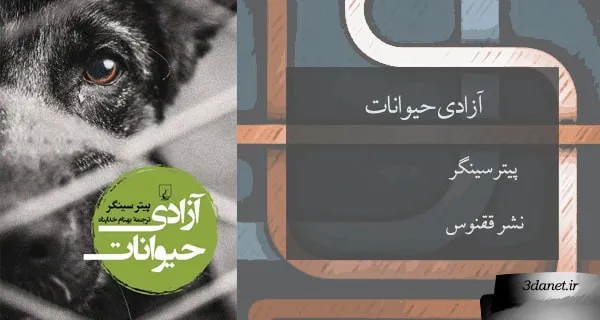
[2] "All Animals Are Equal", Peter Singer, translated by: Behnam Khodapanah, Ettela'at Hekmat va Marefat Magazine, Aban 1390.
[3] The term Heidegger uses is "das Man", which is translated as "the They", "the One", or "Anyone". Heidegger's intention with this term is to refer to a specific group that strips the individual of their individuality and seeks to turn them into an obedient, subservient part of the group. A "part" that has no independent existence without the group. For a simple and accessible interpretation of this, see:
Young, Julian, "The Death of God and The Meaning of Life", Routledge, 2014, pp. 139-41.
[4] Although sometimes, even suicide cannot eliminate the "unexpectedness" of the event of death. The first failed suicide attempt of Sadegh Hedayat and his rescue by the passengers of a boat on the Marne River is an example of this. On this, see:
https://en.wikipedia.org/wiki/Sadegh_Hedayat
[5] As Aubrey de Grey claims. See the link below, which is a translation of an article by Peter Singer titled "Should We Live to 1,000?":
"Should We Live to 1,000?", Peter Singer, translated by: Behnam Khodapanah, Etemad Newspaper, 2 Bahman 1391.
http://www.magiran.com/npview.asp?ID=2664316
[6] Here, I am speaking of reproduction as a voluntary and elective act. Unwanted births are not the subject of my discussion.
[7] Detention camps for political prisoners in Poland during World War II.
[8] Although there are many examples of such irresponsible selfishness in humans. For instance, from children born in war-torn refugee camps to children born to parents infected with a specific disease that drastically increases the likelihood of the child being born with that disease, all are realities of this kind. I admit that the perspective of this article is overly optimistic about events.
[9] Mohammed Emwazi, nicknamed "Jihadi John," was the ISIS executioner who beheaded many journalists and photographers in a horrific manner.
[10] Note the difference between "possibilities" and "events." I am faced with many possibilities from which I can choose one, or several, and dedicate my life to achieving them. While I can become a philosopher, I also recognize that I have a talent for music and singing. So, by choosing these possibilities, I dedicate my life to them. But whether I choose to become a philosopher or a doctor, this does not enable me to prevent a "war," a terrible "disease," an accident, a natural disaster, and so on. "Events" of this kind can seize and surprise me at any moment.
[11] It might be claimed that with the help of genetics, one can overcome the uncertainty of the "possibilities" related to a being. It would suffice for the parents to order how they want their future child to progress, or what they should be like in terms of appearance or inner disposition. Even assuming this comes to pass, we face two problems; first, eliminating the uncertainty of future possibilities does not eliminate the uncertainty of events that will happen in the future. Second, assuming the validity of this claim, a being created in this way is no longer a human in the true sense of the word. Such a being is deprived of the most fundamental characteristic of being human, which is "autonomy." It more closely resembles a programmed robot whose life path is determined from the very beginning, without it being able to make a choice.
[12] In Heidegger's view, one of the tricks we constantly employ to flee from death is the "illusion of immortality." That which turns death into something remote and distant for me, something that, even if I were a hundred years old, casts death onto my future self, for instance, my hundred-and-fifty-year-old self.
Young, Julian, "The Death of God and The Meaning of Life", Routledge, 2014, pp. 142-43.
[13] Note that I have here equated the probability of good and bad events, a view that appears highly optimistic. But if we wish to be somewhat more realistic, and perhaps more pessimistic, about this matter, the probability of bad events for human beings sometimes goes beyond "probability" and becomes a "definitive reality." Is it not the case that the vast majority of humans ultimately die from contracting a disease? And is it not the case that all humans ultimately "die," and the networks of relationships—the worlds they had formed, so to speak—all perish and vanish? Bitter "definitive realities" of this sort seem to be part of the structures of life. It was not without reason that Martin Heidegger, in his later writings, used the term "mortal" to refer to the human being in order to emphasize this characteristic. (On this, see: "The Later Heidegger", Julian Young, translated by: Behnam Khodapanah, Spring 1394, Hekmat Publications. pp. 157, 93-191) And if I may be permitted a free interpretation of Pascal's saying, "Man is a mean between two nothings," from nothingness and ultimately toward nothingness. (Pascal's saying is this: For what is man's nature? A nothing in relation to the infinite, a whole in relation to nothing, a mean between nothing and the whole; infinitely impossible to understand either extreme. . . . (The Thoughts of Blaise Pascal, translated from the text of M. Auguste Molinier by C.Kegan Paul (London: George Bell and Sons, 1901.) p. 21.)).
[14] And even before this, "God" as the initiator of such a process.

Discussion16 comments
نویسنده قمار روی زندگی شخص دیگر را اخلاقی نمیداند، وگرنه پرواضح است که تمام زندگی ما قمار است و در هر لحظه آن کاری که میکنیم نمیدانیم عاقبتش آنچه میخواهیم خواهد شد یا نه. دوست عزیز حرف مقاله کاملا روشنه، شما دارید مغلطه میکنید.
دو مسئله ی جدّی که از یک اصل نشأت میگیرند من بر هر استدلال ِضدّفرزندآوری در هر قالبی که باشند وارد میدونم:پنهان کردنِ یا افتخار کردن به خودمحوری در ِنوعی زیست ِفردی. خب به کسانی که افتخار میکنند زندگیشان برای خودشان و سعادت سعادت ِشخصی ِخودشان است که خرده ای نمیتوان گرفت (چون احتمالن هیییچ از تاریخ سرشان نمیشود و آینده ی شوم ِمحتومی که ممکن است در همین سی سال ِآینده بر سر ِتمامی ِبشر از جمله خودشان بیاید را ندید میگیرند...) 2- ولی برای کسانی که پنهان(دانسته یا نادانسته) ریسک ِتولید ِنوع(اصطلاحی صحیح تر از تولید ِمثل) را تهدید کننده ی نوعی اصل ِاخلاقی میدانند، باید 2نکته را برجسته کرد:الف)خشونت ِحیات در همه ی اشکال ِآن:ما با راه رفتن ِخود مورچه ها را میکشیم،هوای عده ای موجودات ِدیگر را احتمالن "حرام" میکنیم، در ژن ِگیاهان تغییر میدهیم و در طبیعت دست میبریم تا انرژی ِبقا(تک-تک ِافرادمان)کسب کنیم ازهمینجا به نکته ی 2ی ِجدلی ِمورد ِنظرم میرسم که: اگر درجستجوی راهی به خروج از بنبست هایی که همه ی مردم ِزمین در آن گرفتاریم هستیم باید ریسکهای خیرخواهانه ی اندیشیده را با آغوش ِباز بپذیریم، به بیان ِدیگر خطر ِروبروی ما فاجعه ی آموزش(چه سیستمیک و چه در روابط ِفردی با کودک) است، چه بسا فرزندان بتوانند جبران کننده ی خطای پدران(و مادران)شان باشند. وسخنی رو به بهنام ِعزیز:بدیهی گرفتن ِاهمالهای بشری و نظرپردازی برای حذف ِجمع ها(مثلا توجیه ِاقلیتی قومی-نا امید کردن ِآنها-و عملا نابودی ِآنها) بر پایه ی آن کار ِدرستی نیست آقای خداپناه.
این که باید ادمیان درباره تولید مثل دقت زیادی داشته باشند شک نیست. ولی ایا واقعا نویسنده محترم به تمام امور اخلاقانه می نگرد ایا اخلاقی است نویسنده بابت نوشتن مقاله چشمان خود را خسته میکرد تازه درباره مقاله ای که سرنوشت ان معلوم نیست که ایا مورد نظر محققان قرار خواهد گرفت یانه درجامعه تاثیر خواهد کرد یانه درهمین جا نویسنده باوقت خود قمار کرده وقت خود را تلف کرده بدون اینکه از اینده مقاله اش با خبر باشد
بسیار عالی منطقی و اخلاقی بود امیدوارم روزی رسد که ادمیان بتوانند اخلاق و منطق را بر خودخواهی و تعصبات خود برتری دهند و از فرزند اوری اجتناب کنند،به پایان رسیدن اگاهانه نسل بشر از،از میان رفتن این نسل توسط جبر طبیعت اخلاقی تر است.امیدوارم درک ادمیان اونقدر بالا رود که چنین نوشته هایی را بفهمند
پیشنهاد یک کتاب: نامه به کودکی که هرگز زاده نشد (به ایتالیایی: Lettera a un bambino mai nato ) رمانی به زبان ایتالیایی از اوریانا فالاچی
چیزی که بسیار ناراحت کننده است این موضوع است انسان های که روی این کره خاکی زندگی می کنند و حی حاضر هستند به فراموشی سپرده شدند.اما درباره نوزادی که قرار است در اینده بدنیا بیاید و شاید نیاید می نویسند و بحث میکنند خود نویسنده می گوییدآینده غیرقطعی است. پس چرا در مورد اینده بحث میکنید.چرا در مورد کودکان کار -کودکان بیمار و بی سرپرست و بدسرپرست حال نمی نویسید؟ایا ارزش کودکانی که امروز هستند کمتر از کودکانی است که در اینده شاید بدنیا بیایند و یا نه؟همین قشر نویسندگان کسانی هستند که در مقابل عقیم سازی حیوانات کمپین راه می اندازند و مبارزه می کنند.اما در اینجا زاد و ولد انسان را قمار می خوانند. واقعا برای بشریت باید گریست. برای انهایی که به خاطر یک نوشته ای که معروف و مشهورشان کند چه ها که نمی کنند و نمی نویسند. خیلی جالب است این نویسنده درکانال تلگرامیش پیشنهاد داده است که کارت اهدا عضو بگیرند.خوب چرا کارت اهدا می خواهی بگیری...چرا در زندگی یک دیگر که اصلا ربطی به تو ندارد می خواهی قمار کنی...؟؟؟
جالب است که بارها من به این مطالب اندیشیده ام تولیدمثل یعنی خودخواهی من اگر به گذشته برگردم هرگز دوفرزندم را به دنیا نخواهم آورد.
افرین
با تشکر از نویسنده ی محترم. فکرمیکنم در این مقاله شاهد مغالطه ی طبیعت گرایانه (naturalistic fallacy) هستیم. به این معنی که از یک حکمِ ناظر به واقع (عدم قطعیت آینده) به حکمی اخلاقی (نباید تولید مثل کرد) گذر کرده ایم. برای رفع این مغالطه کافی است حکمِ ناظر به واقعِ خود را با حکمی اخلاقی در آمیزیم تا بتوان علاوه بر رفع مغالطه، حکمی اخلاقی استخراج کرد. اما نکته این جاست که ظاهراً نویسنده چنین حکم اخلاقی ای را - بی آنکه به آن تصریح کند - در ذهن خود دارد به این مضمون که: انجام اعمالی که عدم قطعیت دارند پسندیده نیست (یا چیزی با همین مضمون). در این صورت میتوان از اعتبار این حکم اخیر پرسش کرد و دید آیا چنین حکمی قابل دفاع است یا خیر. سپاس
سلام و درود قدردانم از نگارش و سهیم شدن این مطلب. نگاهتان نقادانه و قالب شکن است و از این نظر جالب توجه و تامل است. اینکه احتمال رویداد خوب یا بد چقدر است را شاید بتوان به کمک آمار، دقیقتر ارزیابی کرد. مثلا اگر بشود بررسی کرد که در طول تاریخ نسبت آدمیانی که به مرگ طبیعی مرده اند نسبت به کسانی که از امراض غریبه، جنگ، زلزله، خشکسالی و ... مرده اند را مقایسه کرد، آنگاه شاید (و البته این شایدِ بزرگیست) بتوان دید بهتری نسبت به نسبت این دو داشت. دیگر اینکه ممکن است بتوان روند (تایم سری) بهبودی اوضاع یا وخامت یافتن آنها را هم بررسی کرد. تعریف ما از خوب یا بد چیست؟ خواسته یا ناخواسته بودن؟ اثر وضعی حوادث؟ آیا این امکان هست که مثلا میزان رضایتمندی یا تاثیر گذاری را در نظر بگیریم؟ فرض کنیم فردی در زندگی خود به تجربه ای با ارزش دست پیدا کند، مثلا عشق را تجربه میکند و بعد سرطان دردناکی میگیرد و میمیرد. این فرد خود را (تا چه حد) خوش بخت یا نگون بخت میپندارد؟ گاهی اخلاق جمعی با اخلاق فردی در تعارض است. برای مثال در تئوری آقای داگلاس نورث (کتاب در سایه خشونت) شما باید برای اصحاب قدرت نوعی امتیاز خاص (رانت اقتصادی) قائل شوی تا کشور بتواند بدون هرج و مرج یا عقبگرد، مسیر خود را به سمت اقتصاد با دسترسی آزاد طی کند. این کار از دید اخلاق فردی نه تنها ناموجه بلکه نادرست است. اما از نگاه جمعی و برآیند جامعه ممکن است توجیه شود. به همین ترتیب شاید آوردن کسی به این دنیا در یک تصمیم شخصی (دو نفره) کار ناموجهی باشد اما از دید فراهم کردن بقای نسل بشر و به وجود آمدن فضاهای امکان، امری پسندیده باشد. در نهایت اگر به خاطر وجود احتمال تقلب در انتخابات (تقلب کم یا زیاد)، کل نظام رای گیری و انتخابات را برای همیشه تعطیل کنیم مسئله تقلب به طور قطع حل میشود اما ممکن است مسائل بزرگتری به وجود آید.
استفاده از لفظ قمار در این مقاله بنظرمن اشکال دارد و آنچه مناسب و مراد این مقاله بنظر می آید، لفظ ریسک است. ریسک در همه امور زندگی وجود داره؛ اما به بهانه ریسک نمی توان امور انسانی را غیر اخلاقی نامیده و به این بهانه زندگی بشر را مختل کرد، و الا نه تنها تولید مثل، بلکه همه امور انسانی از داد و ستد و تجارت گرفته تا رانندگی کردن، تا زندگی کردن در خانه و... همه ریسک است، ریسکِ ضرر در تجارت، ریسکِ تصادف، ریسک زلزله و... مسایل یاد شده را غیر اخلاقی قرار میدهد؟ اصلا تمام منافع مشروع معقول در قبال پذیرفتن مسوولیت و ریسک قرار دارند(الخراج بالضمان).
عزیزم، تجارت و این دست از امور در نهایت به خود شخص آسیب میزنه، اما موضوع بحث در اینجا این است که با تولیدمثل ما شخصی را به وجود میآوریم که نمیتوانیم خوشبخت یا بدبخت شدن او را تضمین کنیم، به عبارت دیگر نمیتوانیم تضمین کنیم که آیا او از زندگی راضی است یا نه؟؟ اگر شما میتوانید این قضیه را تضمین کنید 50 تا بچه بیاورید که به وظیفه اساسی خود هم که تولیدمثل است عمل کرده باشید. جای بحث با شما نیست.
1.با توجه به اینکه هر نوع مرگی نهایتا به عدم میانجامد تفاوتی نمیکند که به چه صورت رخ دهد دردناک یا کم درد نهایتا نتیجه یکیست. پس لفظ قمار اینجا مناسب نمیباشد چون هر موجودی نهایتا میمیردپس اگر با این استدلال که مردن را یک فرجام بد میدانیم جلو برویم تولید مثل به کل عملی غیر اخلاقی است! 2.اینکه عمل اخلاقی قبل از اینکه موجودی پا به عرصه ی وجود بگذارد محلی از اعراب دارد؟تولید مثل چنین حالتی است. 3.شما میفرمایید عدم قطعیت فرجام تولید مثل ان را غیراخلاقی میکند و اکرهم قطعیتی بوجود اید باز هم غیر اخلاقیست چون جبر است! پس به هر صورت این عمل غیر اخلاقیست و عدم قطعیت دلیل درستی برای ان نیست چون قعطیت هم تغییری در ان نمیدهد. 4.عدم تولید مثل برای همه ی انسانها کل وجود را متوقف میکند 5.شخصا موافق قبول روند تولید مثل بدون چون و چرا نیستم اما به نظرمن دلایل محکمتری باید جستجو شود
قصد توهین ندارم اما ببینید خداوند در قرآن کسانی که به دنبال نابودی نسل بشر هستند را چگونه توصیف کرده است: وَمِنَ النَّاسِ مَن يُعْجِبُكَ قَوْلُهُ فِي الْحَيَاةِ الدُّنْيَا وَيُشْهِدُ اللَّهَ عَلَىٰ مَا فِي قَلْبِهِ وَهُوَ أَلَدُّ الْخِصَامِ و از مردم، کسانی هستند که گفتار آنان، در زندگی دنیا مایه اعجاب تو میشود؛ (در ظاهر، اظهار محبّت شدید میکنند) و خدا را بر آنچه در دل دارند گواه میگیرند. (این در حالی است که) آنان، سرسختترین دشمنانند. وَإِذَا تَوَلَّىٰ سَعَىٰ فِي الْأَرْضِ لِيُفْسِدَ فِيهَا وَيُهْلِكَ الْحَرْثَ وَالنَّسْلَ وَاللَّهُ لَا يُحِبُّ الْفَسَادَ (نشانه آن، این است که) هنگامی که روی برمیگردانند (و از نزد تو خارج میشوند)، در راه فساد در زمین، کوشش میکنند، و زراعتها و چهارپایان را نابود میسازند؛ (با اینکه میدانند) خدا فساد را دوست نمیدارد.
و یهلک الحرث والنسل: ترجمه اش ناقص فرستاده شده، حرث یعنی کشتزار و نسل نیز عام است شامل نسل انسانها و حیوانات میشود.
شما که قبل از قیامت، درخواست میکنید کاش خاک می بودید، با اقل کافران در قیامت این حرف را بر زبان می آورند(ر.ک آیه آخر سوره نبأ) چرا از خود نمی پرسید که به فرض اجرای این طرحی که گمان میکنید موجب خوشبختی است، دارید نسل بشر را نابود می کنید و فکر میکنید نابود کردن نسل بشر، اخلاقی است، درحالیکه که بدتر از اقدام هیتلر هست، (و زمانی که به آنان گفته میشود فساد نکنید، می گویند: ما مصلحانیم، آگاه باشید که اینان همان مفسدانند ولکن احساس نمی کنند) اوایل سوره بقره