Literature
The Story of Mohammad-Reza Shafiei Kadkani's Defense of the Persian Language in the Classroom
Mohammad Reza Shafiei Kadkani described the policies of hegemonic powers in weakening the Persian language through local languages; remarks that sparked misunderstandings. The professor's emphasis on the necessity of preserving works in local languages as a cultural foundation is also recounted.
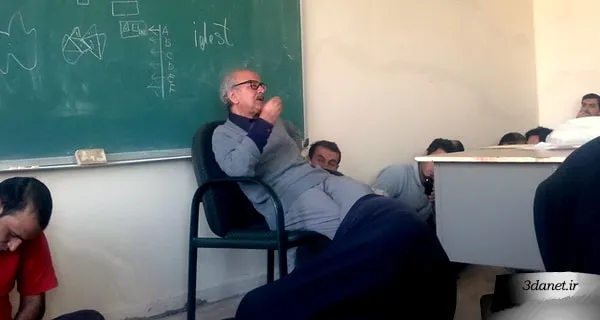
A few days ago, a seven-minute audio file of Dr. Mohammad-Reza Shafiei Kadkani was released, concerning the Persian language and local languages. These seven minutes are part of his lecture at the Faculty of Literature, University of Tehran, on May 22, 2018. (Full audio of this session) As can be heard in the released file, the professor first recounts a memory from his time at Oxford and his encounter with a manuscript anthology containing poems in the Indian style by an English-speaking member of the East India Company. He then speaks of the British aims in learning the Persian language and familiarizing themselves with Iranian culture, through which they eradicated the Persian language in India and, by promoting the Urdu language, paved the way for the English language, gradually achieving what they wanted. In this section, the professor states: "[The British] after gaining dominance, said to hell with the Persian language, Persian is no good for you. You should take Urdu, which is a local language, and elevate it, and that is exactly what they did. They knew that the Persian language has the Shahnameh, the Masnavi, Saadi, Hafez, Nezami; it can wrestle with Shakespeare. But the Urdu language has nothing that can wrestle with Shakespeare. After a while, the Indian child says: to hell with this Urdu language. Since I can read Shakespeare, why should I read these weak poems and this so-called literature... I'll just make my language English, as they indeed did" (from 1:13 to 2:07 of the released file). After that, with a benevolent admonition, he briefly touches upon the current situation of local languages and addresses the policy of the Russians in Central Asia, who nurture every small ethnicity and distance them from the Persian language and Iranian culture, so that what the British did in India, they might do in Central Asia. That is, by focusing on local languages and destroying the Persian language and Iranian culture in Central Asia, the young Kazakh, whose local language lacks works comparable to those found in Persian, says: since my national language is so lacking in literary works, I will read Pushkin, I will read Lermontov, and becomes Russian. Then, to avoid any misunderstanding and so that everyone knows there is no intent other than benevolence and foresight in these words, he says: "We do not wish, God forbid, for any local language... because these local languages are our cultural backbone. If we do not preserve these local languages, we will practically fail to understand a major part of our shared culture. But this inter-ethnic language, in which for centuries and centuries and centuries all these ethnicities have contributed. No ethnicity has precedence over another in creating the waves of this great sea" (from 4:36 to 5:14 of the released file). He then returns to the encouragements of hegemonic powers regarding local languages and advises that we be mindful of these issues. After that, he again points to Central Asia and the Russification of their children and future generations as a continuation of these cunning, hegemonic policies, which manifest in the guise of supporting local languages and ethnic cultures. That is all. Despite this, some who are perpetually intent on disputation have understood Dr. Shafiei's words differently, have drawn strange and bizarre interpretations from them, and have deemed those words an insult to local languages. To clear up this misunderstanding, we present Dr. Shafiei Kadkani's view on the local languages and cultures of Iran and the necessity of collecting and compiling their poems and artistic works, taken from his lecture at the Faculty of Literature, University of Tehran, on May 8, 2018, so that no doubt remains on this matter in the minds of our dear audience. In the mentioned session, the discussion is about the necessity of writing tazkerehs (biographical anthologies) and collecting the literary works of different regions of Iran in the contemporary period, and the components of this tazkereh-writing, during which Dr. Shafiei is asked about the status of local languages.
.
.
Text source: Majmae Parishani Telegram Channel
Audio files recorded by: Navid Khosravani
.
.

Discussion2 comments
درود بر شما اولا: فرض را بر این بگذاریم که شفیعی کدکنی توهینی کرده است انصاف نیست بخاطر یک کلام ناراحت کننده از سویش، به سیم آخر بزنیم. قدر شناس باشیم ثانیا: این حرف شفیعی در نهایت راهی است برای حفظ زبان های اقلیت پس نیت بدی ازان نمی توان برداشت نمود. شفیعی کدکنی نظرش را در باب چگونگی حفظ و پاسداری زبان های اقلیت بیان میکند. درست آن است که اگر موافق نظرش نیستیم نقدش کنیم. ثالثا: ایتالو کالوینو در لیست کلاسیک هایش هفت پیکر را قرار داده است، در لیست صد کتاب گاردین( که نظر افرادی چون پاموک، فوئنتس و کوندرا است) بوستان و مثنوی معنوی قرار دارد. نسبت به ارادت گوته و علاقه نیچه به حافظ نیز احتمالا مستحضر هستید. نام بردن هیچ کدام از این موارد نشان این نیست که معیاری برای سنجش هستند اما می توانند گواهی باشند برای جایگاه مقبول زبان فارسی در جهان. پس نمیتوانیم بر این قسمت از حرف شفیعی کدکنی خرده بگیریم. اما در نهایت انتقادی جدی بر حرف ایشان قابل ایراد است: استفاده از لفظ کشتی گرفتن نشانی است از داشتن حس رقابت میان ادبیات زبان های مختلف جهان. امروزه از استادی که بر نظریات ادبی روز جهان آگاه است انتظار نمی رود به حافظه مشترک فرهنگی بشر انقدر با سمت و سو نگاه کند. تا تعصب از اذهان بزرگان رخت بر نبندد امید رشد در فرهنگ کمرنگ میشود لازم نیست ایلیاد هومر با شاهنامه فردوسی کشتی بگیرد چون این دو در یک مسیر حرکت می کنند: حافظه فرهنگی بشریت. استفاده از لفظ کشتی گرفتن متاسفانه حاکی از وجود حس رقابت است. اما توهم رقابت چون کارزاری در میان نیست بل حافظ و شکسپیر هر دو دست بشریت را میگیرند و یک رسالت و نقش دارند
استاد شفیعی کدکنی لفظ کشتی گرفتن را از زبان آن کسی میگوید که فریب غربی ها را خورده و فهمیده که با زبان محلی خود نمیتواند به پیکار بزرگان ادبیات در غرب برود. بنابر این، هیچ ایرادی به ایشان وارد نیست. افزون بر این، ایشان سر کلاس بودند و با دانشجویانشان راحت صحبت میکردند نه در یک جلسه ی رسمی با حضور اساتید؛ حتی اگر آنجا هم لفظ کشتی گرفتن را به کار میبردند واقعا مسئلهی مهمی نبود. سخنان استاد فقط یک عده مزدور تجزیهطلب را آشفته کرده است. و الان می بینیم که ایشان چقدر درایت و آیندهنگری داشتند. نکتهی اصلی سخنان استاد این بود که باید مراقب فتنه ها و فریب های دنیای غرب باشیم چرا که به دنبال تجزیه ی ایران اند.