Iranian thinker
Bahaeddin Khorramshahi
Bahaeddin KhorramshahiQuranic Studies, Hafez Studies, and TranslationIranian
Hafez is the perfect mirror of our collective Iranian identity and unconscious.
Life and Thought
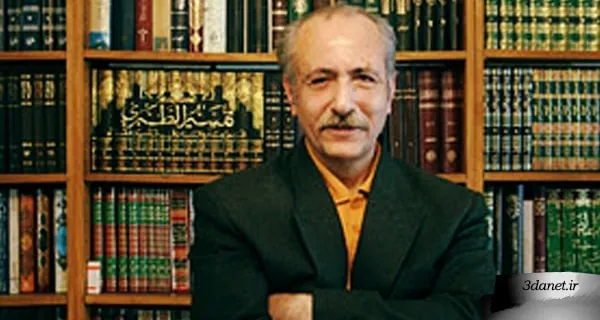
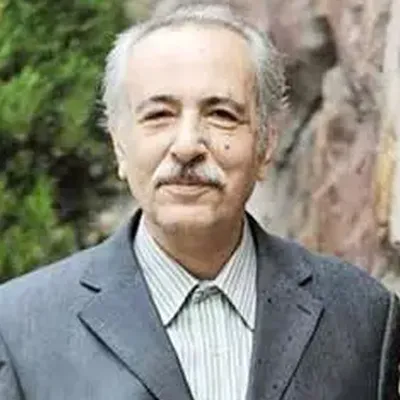
Bahaeddin Khorramshahi is a prominent Iranian Quranic scholar, Hafez researcher, translator, and lexicographer, and a permanent member of the Academy of Persian Language and Literature. With his fluent translation of the Holy Quran and his authorship of seminal reference works in Hafez studies and literary criticism, he has played an unparalleled role in contemporary religious and literary scholarship.
Bahaeddin Khorramshahi (born 1945 in Qazvin) is a contemporary Iranian Quranic scholar, translator, author, and satirist. He initially began studying medicine at the University of Tehran but abandoned it after a few years to pursue studies in Persian language and literature and library science, dedicating his professional life to research in culture, literature, and religious texts.
Khorramshahi is one of the most distinguished Quranic and Hafez scholars in Iran in recent decades. His precise, rhythmic, and practical translation of the "Holy Quran," accompanied by comprehensive explanations and annotations, is recognized as one of the most coherent contemporary Persian translations. Furthermore, his enduring two-volume work, "Hafez-nameh," serves as a reference book, an analytical and key guide to understanding the allusions and complex verses of Hafez's Divan.
In addition to translating the Quran and his Hafez studies, Khorramshahi has translated numerous philosophical and literary texts into Persian, such as "Suffering" (by Karl Jaspers) and "Man and Miracle," and has collaborated on the compilation of various dictionaries and encyclopedias, including the Encyclopedia of Shiism. His thought and approach have always been grounded in moderation, methodological precision, rationalism, and a connection between religious tradition and modern understanding.