Iranian thinker
Ebrahim Sahafi
Ebrahim SahafiHistory of Thought and Political PhilosophyIranian
Life and Thought
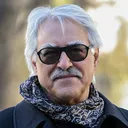
Ebrahim Sahafi is an Iranian researcher and lecturer in the fields of the history of thought, political philosophy, and Iranshahri thought. In his talks and writings, he has focused on explaining the fundamental concepts of modern political thought, Iran's intellectual tradition, and the theoretical framework of Javad Tabatabai.
Ebrahim Sahafi was born in 1952 in Ardabil and completed his early education there. He then studied psychology at the University of Tabriz, and later in his intellectual journey, he became interested in philosophy, the history of thought, political economy, and Iranian political thought.
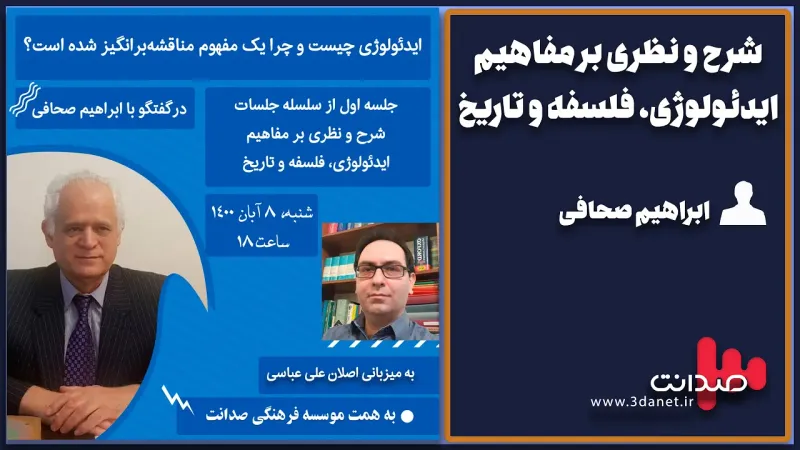
A significant part of Sahafi's intellectual activities is dedicated to the exposition and analysis of the history of political thought and the relationship between tradition and modernity. In his talks and classes, he has addressed topics such as Iranshahri thought, the concept of national interest, modern political philosophy, the thought of Hannah Arendt, the French Revolution, liberalism, ideology, and Iran's relationship with modernity.
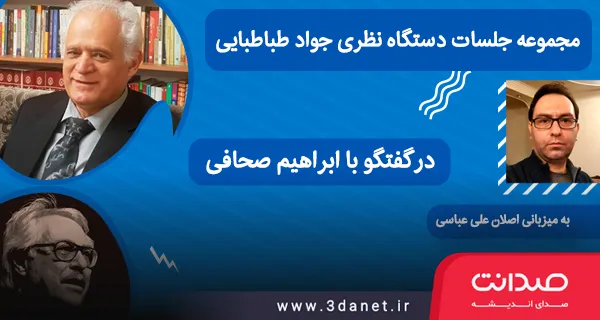
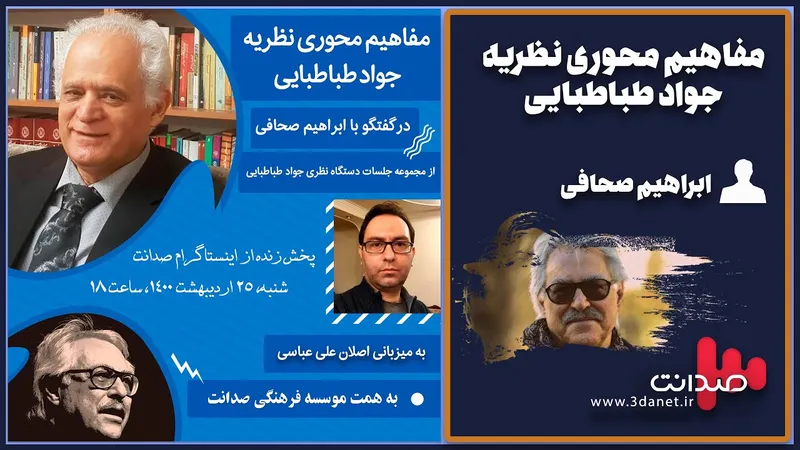
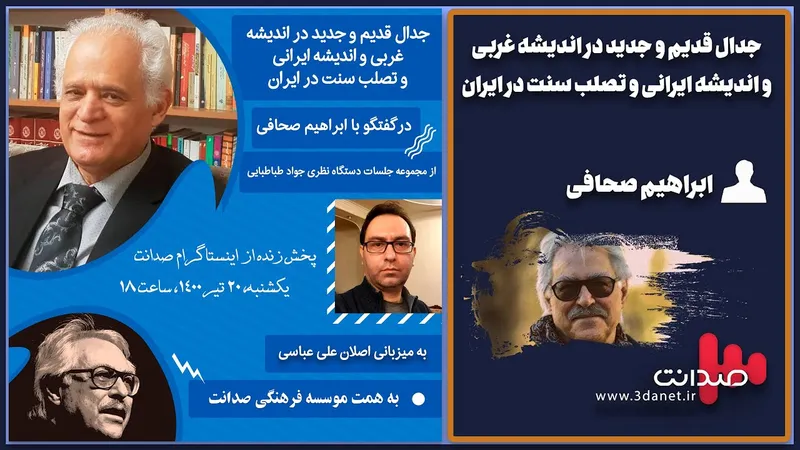
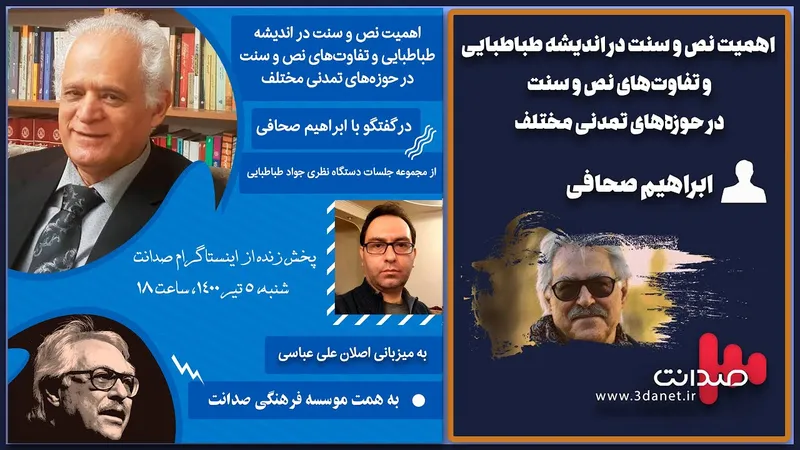
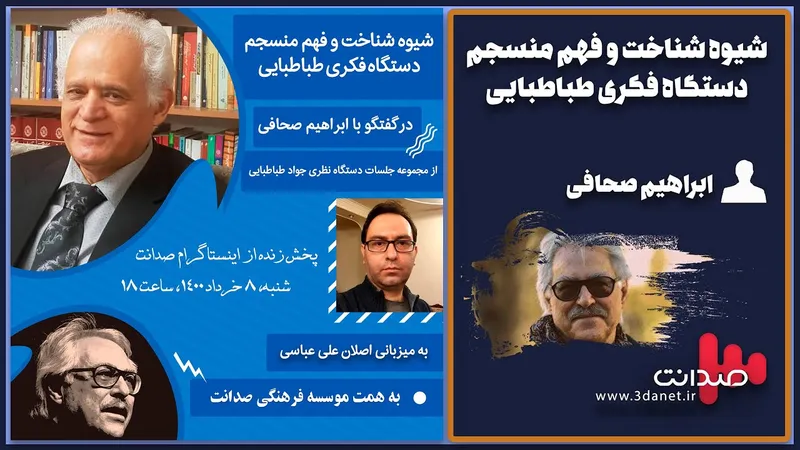
In the Persian-speaking intellectual sphere, Sahafi's name is particularly recognized for his discussions on the 'theoretical framework of Javad Tabatabai.' He has endeavored to explain the central concepts of Tabatabai's thought, such as the decline of political thought, Iranshahr, the historical continuity of Iran, and the relationship between tradition and modernity, for a broader audience and to reinterpret them in connection with the intellectual issues of contemporary Iran.
Sahafi's approach is more analytical and conceptual than purely historical. He views the history of thought as a path to understanding today's problems, and in his talks, he emphasizes the necessity of reconstructing concepts, theoretical precision, and attention to the connection between philosophy, history, and Iranian culture.