“Art grows from joy and sorrow, but mostly from sorrow; it grows from human lives.”


Life and Thought
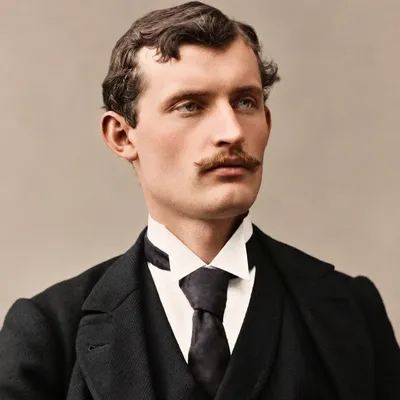
Edvard Munch was a Norwegian painter and printmaker, and one of the influential figures in the emergence of Expressionism in modern art. Through works such as The Scream, he explored human emotion, anxiety, loneliness, and existential suffering, leaving a lasting mark on twentieth-century art.
Edvard Munch was born on 12 December 1863 in Løten, Norway. His childhood was marked by painful experiences, including the deaths of his mother and sister and illness within his family. These experiences later resonated in the central themes of his art: death, anxiety, love, fear, and loneliness.
In the final decades of the nineteenth century, Munch gradually moved away from realist conventions toward a subjective and emotional expression of reality. In his series The Frieze of Life, he explored the cycle of life, love, and death. His best-known work, The Scream, created in various versions between 1893 and 1910, became a universal symbol of modern human anxiety.
Munch’s style, marked by intense colours, dynamic lines, and distorted forms, helped pave the way for Expressionism in the early twentieth century. His works are not merely representations of the external world; they give form to humanity’s inner states and psychological experiences. Munch continued to create until his final years and died in Oslo on 23 January 1944.