Iranian thinker
Gholam Hossein Yousefi
Gholam Hossein YousefiPersian Literature and Textual CriticismIranian
Life and Thought
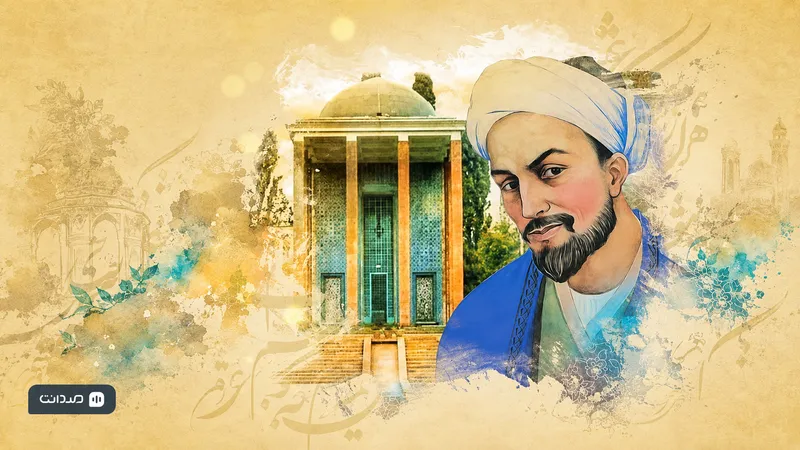
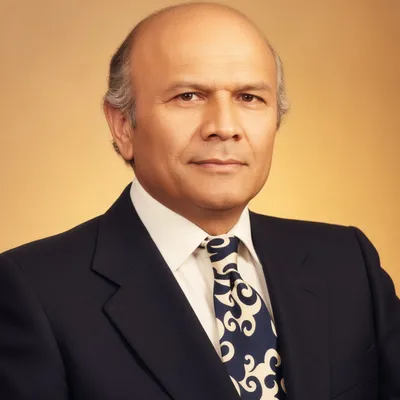
Gholamhossein Yousefi was a man of letters, writer, translator, textual critic, and distinguished professor of Persian literature. He taught for many years at Ferdowsi University of Mashhad, and through his authoritative critical editions of classical Persian works, especially Saadi's Golestan and Bustan, he attained a significant position in contemporary Iranian literary scholarship.
Gholamhossein Yousefi was born on 22 January 1928 in Mashhad, with his family origins tracing back to Khusf in the Birjand region. He completed his primary and secondary education in Mashhad and then went to Tehran to continue his studies in Persian language and literature. He studied at the University of Tehran and, in addition to Persian literature, also completed a course in judicial and political law.
Yousefi was associated with the Faculty of Literature at Ferdowsi University of Mashhad from its inception, and from 1955 he began teaching literary history and other literary subjects. He taught at various levels, from undergraduate to doctoral, until 1979, playing a role in training generations of Persian literature scholars and professors. His academic persona was known for its scholarly precision, pedagogical rigor, and emphasis on methodical research.
A significant part of Yousefi's scholarly reputation rests on his critical editions of ancient Persian texts. His editions of Qabus-nameh, Saadi's Bustan, Saadi's Golestan, and The Ghazals of Saadi are among his prominent works in this field. In books such as Farrokhi Sistani, Kaghaz-e Zar (Gold Leaf), Ravan-ha-ye Roshan (Illuminated Spirits), Cheshmeh-ye Roshan (The Bright Spring), and Didari ba Ahl-e Qalam (A Visit with the Literati), he also addressed literary history, literary criticism, and the introduction of Iranian cultural figures.
Alongside his authorship and textual criticism, Yousefi also translated works, including Critical Approaches to Literature by David Daiches, Humanism in Islam by Marcel Boisard, and a book on Saadi by Henri Massé. His attention to the connection between literature, ethics, Iranian culture, and the scientific method of research ensured that his works hold enduring importance for both academics and serious enthusiasts of Persian literature. He passed away on 5 December 1990 in Tehran and was laid to rest in Mashhad, adjacent to the shrine of Imam Reza.
Bibliography
Translations3 titles
Sedanet articles about Gholam Hossein Yousefi