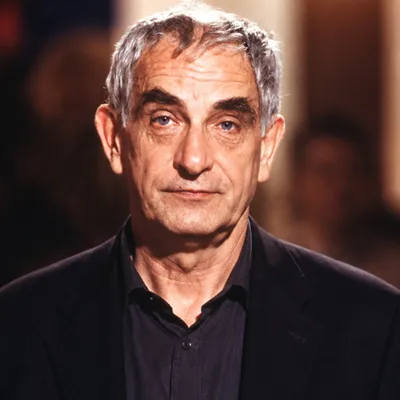
Foreign thinker
Krzysztof Kieślowski
Krzysztof KieślowskiFilmmaking, screenwriting, and art cinemaPolish1941–1996
I don't believe in luck. I believe there are things we cannot explain.


Life and Thought
Krzysztof Kieślowski was a Polish filmmaker and screenwriter and one of the foremost directors of European art cinema in the second half of the twentieth century. With works such as «The Decalogue», «Three Colours», and «The Double Life of Véronique», he gained renown for his exploration of morality, choice, fate, and the complexities of human relationships.
Krzysztof Kieślowski was born in 1941 in Warsaw, Poland. He first attended a technical school and worked for a time in theatre, but eventually entered the National Film School in Łódź, an institution where many important Polish filmmakers were trained. After graduating, Kieślowski began his career by making documentary films.
His early documentaries focused mainly on the everyday lives of people, social structures, and human experience under Poland’s communist system. Over time, he moved away from documentary filmmaking and turned to narrative cinema, increasingly concerned with the moral, psychological, and philosophical questions of contemporary humanity.
One of his most important projects was the television series «The Decalogue» (1989), ten short films that engage freely with one of the moral commandments of the Judeo-Christian tradition and examine complex human situations. This series consolidated Kieślowski’s international standing.
Other notable works include «A Short Film About Killing» (1988), «A Short Film About Love» (1988), «The Double Life of Véronique» (1991), and the celebrated «Three Colours» trilogy: «Blue» (1993), «White» (1994), and «Red» (1994). These works are known for their engagement with themes such as liberty, equality, fraternity, love, loss, chance, and the role of accident in human life.
Kieślowski’s cinema is known for its focus on delicate moments in life, moral choices, and questions about the meaning of human existence. Rather than offering definitive answers, he often places viewers in a position to reflect on the ethical and emotional complexities of life.
Kieślowski died of a heart attack in Warsaw in 1996. Although his artistic career was relatively short, he left a profound impact on world cinema and remains one of the most important filmmakers of idea-driven cinema.