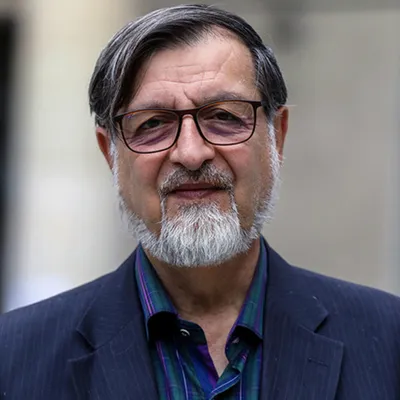
Iranian thinker
Mohammad-Reza Beheshti
Mohammad-Reza BeheshtiWestern Philosophy, Hermeneutics, History of ConceptsIranian
Life and Thought
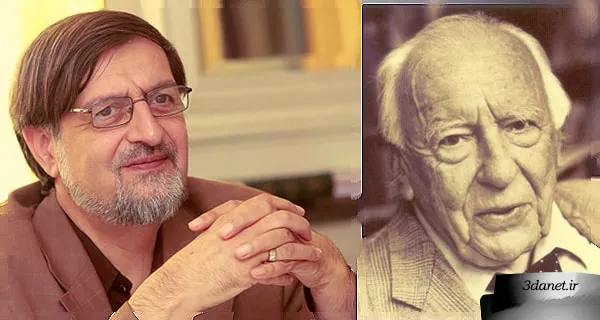
Seyed Mohammad Reza Hosseini Beheshti is a philosopher, translator, and professor of philosophy at the University of Tehran. He has worked in the fields of Western philosophy, hermeneutics, the history of concepts, and German philosophy, and is known for translating and introducing works on Kant, Gadamer, and philosophical anthropology.
Seyed Mohammad Reza Hosseini Beheshti was born in 1957 in Qom. He is the son of Seyed Mohammad Hosseini Beheshti and, after completing stages of study and research in the field of Islamic sciences, turned to Western philosophy. He pursued his university education in philosophy at the University of Tehran and then went to Germany for further studies, receiving his doctorate in philosophy from the University of Hamburg.
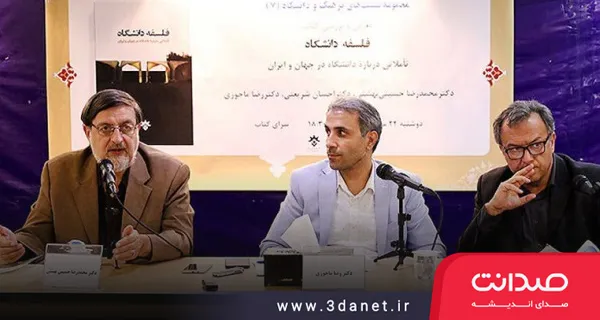
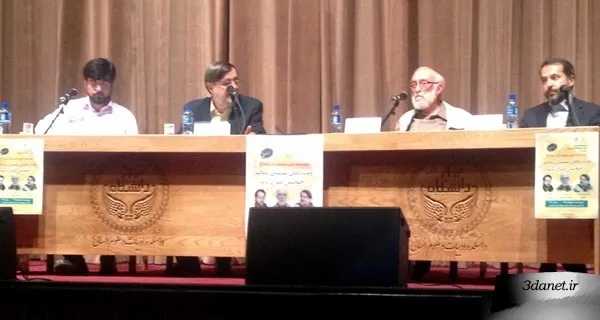
After returning to Iran, Beheshti taught and conducted research in the Department of Philosophy at the University of Tehran. His main areas of work are Western philosophy, German philosophy, hermeneutics, the history of concepts, and the relationship between philosophy and the history of thought. In his dialogues and lectures, he has emphasized the importance of the historical understanding of philosophical concepts and avoiding the separation of philosophy from the historical context of its formation.
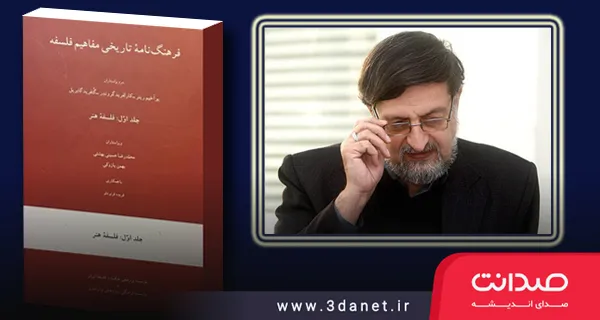
Among his well-known works and translations are the translation of "A Commentary on Kant's Prolegomena" by Max Apel, the translation of "Philosophical Anthropology" by Hans Dierkes, "Selected Texts in Hermeneutics," "Selected Articles by Gadamer," and "Philosophical Lectures." He has also played a role in introducing and editing the Persian version of the "Historical Dictionary of Philosophical Concepts," a work that approaches the understanding of the evolution of philosophical terms and concepts through the history of concepts.
Mohammad Reza Beheshti's intellectual significance lies primarily in linking the teaching of Western philosophy with the tradition of rigorous historical and conceptual research. He is among the figures who view philosophy not merely as a collection of the opinions of past thinkers, but as a living endeavor to understand reality in relation to history, language, and the evolution of concepts.