Foreign thinker
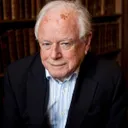
Richard Mervyn Hare
Richard Mervyn HareAnalytic moral philosophyBritish1919–2002


Life and Thought
Richard Mervyn Hare (۱۹۱۹–۲۰۰۲), widely known as R. M. Hare, was a British moral philosopher and an important figure in twentieth-century analytic ethics. Through his theory of “universal prescriptivism,” he argued that moral judgments both guide action and must be capable of universalization.
Richard Mervyn Hare was born in England in ۱۹۱۹ and died in ۲۰۰۲. He studied at Balliol College, Oxford, and served in the military during the Second World War. His capture by Japanese forces in Singapore and his experience as a prisoner of war later contributed to his sensitivity to moral questions and to the practical role of moral philosophy.
After the war, Hare returned to Oxford and became one of the leading moral philosophers in the analytic tradition. From ۱۹۶۶ to ۱۹۸۳ he held the White’s Chair of Moral Philosophy at Oxford, and he later taught for a period at the University of Florida. His work was highly influential in twentieth-century metaethics, the philosophy of moral language, and applied ethics.
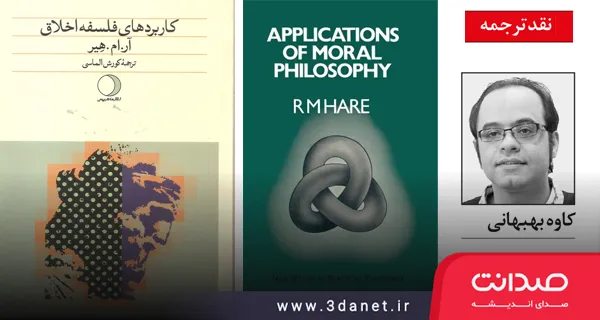
His major works include The Language of Morals, Freedom and Reason, and Moral Thinking. In these books Hare developed the theory of “universal prescriptivism,” according to which moral statements are not merely descriptions of reality but prescriptions or guides to action; at the same time, they must be applicable universally and without granting special privilege to oneself.
Hare’s moral philosophy sought to combine the logical analysis of moral language with the preservation of rationality in ethical judgment. He maintained that anyone making a moral judgment must be prepared to accept the same judgment in relevantly similar situations for all persons concerned. This approach brought him close to a form of consequentialism and preference utilitarianism and influenced philosophers such as Peter Singer.

.webp)
.webp)